The Hydration Aisle Got Weirdly Complicated
#There was a time when “drink something after sweating” basically meant water, maybe lemonade, maybe a bright blue sports drink if you were playing football in the sun. Now the shelf is crowded with electrolyte packets, low-sugar hydration tablets, coconut water cartons, “clean” sports drinks, caffeine blends, mineral drops, and bottles promising everything from recovery to glowier skin. It’s a lot. And honestly, it can make a very normal question feel oddly stressful: do you actually need electrolytes, or is plain water fine?
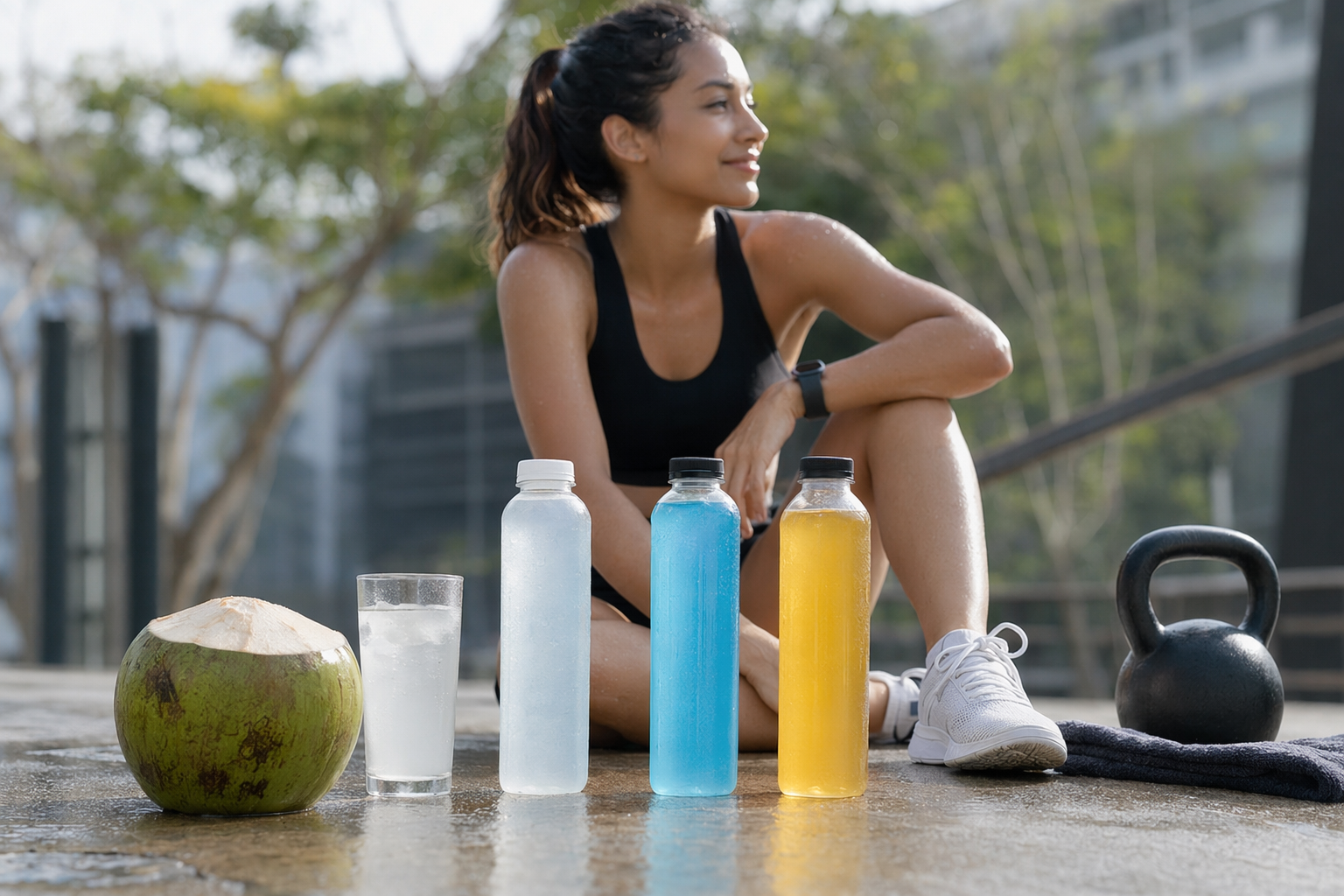
The short answer is annoyingly simple but useful: most people, most of the time, do fine with water and regular meals. Electrolyte drinks, coconut water, and sports drinks can all have a place, but they are not the same thing. They differ mostly in sodium, potassium, carbohydrate, sugar, flavoring, and intended use. The “best” choice depends on why you are drinking it: a hot commute, a long sweaty workout, a stomach bug, a beach day, a road trip, or just because plain water feels boring.
This is general wellness information, not personal medical advice. If you have kidney disease, heart failure, high blood pressure, diabetes, a history of low sodium, an eating disorder, are pregnant, take diuretics or blood pressure medicines, or you are caring for a child or older adult with dehydration symptoms, it’s smart to ask a qualified healthcare professional before relying on electrolyte products. Severe, persistent, worsening, or unusual symptoms deserve medical care, not a trendy drink.
First, What Are Electrolytes Anyway?
#Electrolytes are minerals that carry an electric charge when dissolved in fluid. The main ones people talk about in hydration are sodium, potassium, chloride, magnesium, calcium, and sometimes phosphate. They help with fluid balance, nerve signaling, muscle contraction, and normal heart rhythm. That sounds dramatic, but it’s also everyday biology. Your body is managing this stuff constantly, whether you are doing yoga, sweating through a train delay, or eating soup on the couch.
Sodium is the big one for sweat replacement. Sweat contains water and electrolytes, but sodium is usually the electrolyte lost in the largest meaningful amount during heavy sweating. Potassium matters too, though most everyday sports and wellness drinks contain far less potassium than coconut water does. Magnesium is popular on labels, but it is not usually the main electrolyte lost in sweat, and more is not always better. A drink can look “complete” on the label and still not be the best match for the situation.
Also, hydration is not only about drinks. Food contributes water and minerals too. Fruits, vegetables, yogurt, soups, dal, rice dishes, and salted meals can all play a role. In hot weather, water-rich foods can be surprisingly helpful, especially for people who dislike sipping water all day. If you’re thinking about summer hydration in a broader way, this piece on Watermelon vs Muskmelon: Which Is Better for Hydration, Digestion and Summer Snacking? fits nicely with the same idea: fluids do not always have to come from a bottle.
Electrolyte Drinks, Coconut Water, Sports Drinks: The Quick Comparison
#| Drink type | Usually strongest at | Watch-outs | Best fit, generally |
|---|---|---|---|
| Electrolyte drinks or powders | Replacing sodium and sometimes other minerals, often with low or no sugar | Some are very high in sodium, some contain caffeine, sugar alcohols, or sweeteners that may bother the stomach | Heavy sweating, hot weather, long activity, or when a clinician recommends electrolyte support |
| Coconut water | Potassium, mild sweetness, simple ingredient appeal | Usually low in sodium, can be high in potassium, still contains natural sugar | Light activity, casual hydration, people who enjoy the taste and tolerate it well |
| Sports drinks | Carbohydrate plus sodium for exercise fuel and fluid absorption | Added sugar, artificial colors or flavors in some brands, not necessary for short easy workouts | Longer or more intense exercise, team sports, endurance events, hot conditions |
That table is the tidy version. Real life is messier. Some electrolyte packets are basically flavored salt water. Some sports drinks now come in zero-sugar versions. Some coconut waters add sugar or fruit juice. Some “hydration” products include vitamins you may not need, caffeine you did not notice, or magnesium amounts that are not ideal for every stomach. Label reading matters more than the category name.
When Plain Water Is Probably Enough
#For everyday hydration, plain water is often enough. If you are doing a short walk, sitting at a desk, eating regular meals, and not sweating heavily, you probably do not need a special electrolyte drink. The CDC’s heat guidance generally emphasizes drinking water, not waiting until you feel very thirsty, and avoiding very sugary or alcoholic drinks during extreme heat. Food then fills in many minerals across the day.
A useful practical test is context. Did you sweat a lot? Was the weather hot and humid? Were you exercising for more than about an hour? Did you lose fluids through vomiting or diarrhea? Are you eating normally? If the answer is mostly no, water may be perfectly reasonable. If the answer is yes to several of those, electrolytes may help support fluid balance, though the right type depends on the reason.
Thirst is helpful, but it is not flawless. Older adults may have a less reliable thirst response. Kids may ignore thirst when playing. Athletes may underdrink or overdrink. People working outdoors can fall behind before they realize it. So, it’s less about obsessing over a fixed number of bottles and more about watching patterns: urine color, heat exposure, sweat losses, fatigue, dizziness, cramping, headache, and whether symptoms improve with rest, cooling, and fluids. If symptoms are severe or don’t improve, get medical advice.
Electrolyte Drinks: Helpful Tool or Fancy Salt Water?
#Electrolyte drinks are a broad category. Some are designed for athletes and contain a meaningful amount of sodium. Some are wellness powders with modest minerals and very little sugar. Some are oral rehydration-style products that use sodium plus glucose in specific ratios to support absorption. Others are mostly flavoring with a sprinkle of minerals. They can all be sold with similar language, which is why the label is your best friend.
Sodium is the number to check first if the goal is sweat replacement. Heavy sweaters, people exercising in heat, and people doing long endurance sessions may need more sodium than coconut water provides. The American College of Sports Medicine and other sports nutrition groups commonly recommend replacing fluids and electrolytes during prolonged exercise, especially when sweat losses are high. Exact needs vary a lot by body size, sweat rate, temperature, clothing, fitness level, and how salty a person’s sweat is.
Electrolyte drinks may also be used during short-term fluid losses, like mild diarrhea, but this is where the distinction matters. Standard oral rehydration solutions are not just random electrolyte drinks. The World Health Organization oral rehydration approach uses sodium and glucose together because glucose helps sodium and water absorption in the gut. Many fitness electrolyte powders are not the same as medical oral rehydration solution. For infants, young children, older adults, or anyone with ongoing vomiting, diarrhea, fever, confusion, reduced urination, blood in stool, or signs of dehydration, it’s safer to contact a clinician rather than improvising.
- Look for sodium per serving, not just “electrolytes” on the front label.
- Check whether the serving size is one tablet, one scoop, half a packet, or the whole bottle.
- Notice extras like caffeine, niacin, sugar alcohols, herbal extracts, or high-dose magnesium.
- If you have a condition affected by sodium or potassium, ask a healthcare professional before using these regularly.
Coconut Water: Natural, Refreshing, but Not Magic
#Coconut water has a lot going for it. It tastes light, it is naturally sweet, and it contains potassium. Many people prefer it because it feels less processed than neon-colored drinks, and that preference is fair. A typical serving can provide several hundred milligrams of potassium, though amounts vary by brand. It also contains carbohydrates from natural sugars, usually less than many regular sports drinks but still enough to matter for people monitoring blood sugar.
The catch is sodium. Coconut water is usually much lower in sodium than sports drinks or high-sodium electrolyte mixes. That makes it less ideal when the main issue is replacing salty sweat after a long, hot, intense workout. It can hydrate, yes. It can be a pleasant fluid choice, yes. But it is not automatically a complete sports hydration drink, especially for people who sweat heavily or notice salt marks on clothing after exercise.
Potassium is another reason to be thoughtful. For healthy people, potassium-rich foods and drinks can fit into a balanced diet. But people with kidney disease or those taking certain medications, such as ACE inhibitors, ARBs, potassium-sparing diuretics, or some heart medications, may need to limit potassium. Too much potassium can be dangerous in the wrong situation. So coconut water is “natural,” but natural does not mean universally safe.
If you choose coconut water, plain unsweetened versions are usually the simplest. Some products are blended with fruit juice, added sugar, or flavorings. That’s not automatically bad, but it changes the nutrition. If you’re drinking it casually, taste and tolerance matter. If you’re drinking it for a specific hydration need, the sodium and sugar numbers matter more than the coconut picture on the carton.
Sports Drinks: Not Evil, Not Essential
#Sports drinks get criticized a lot because many contain added sugar, and for casual sipping that criticism can be valid. The 2020-2025 Dietary Guidelines for Americans recommend limiting added sugars to less than 10% of daily calories. A regular sports drink can use up a chunk of that quickly, especially if someone drinks it like water while sitting around. For most low-intensity, short workouts, you probably do not need the sugar or sodium from a sports drink.
But sports drinks were not originally designed as everyday beverages. They were designed to support exercise by providing fluid, sodium, and carbohydrate. Carbohydrate can help fuel longer or more intense activity, and sodium can help replace sweat losses and encourage drinking. For endurance runs, long bike rides, tournaments, outdoor labor, or hot-weather practices lasting more than about an hour, a sports drink may be useful. It depends on intensity, duration, sweat rate, and whether food is being eaten too.
Zero-sugar sports drinks are a newer-ish compromise many people reach for. They can provide fluid and electrolytes with fewer calories and less sugar, but they do not provide carbohydrate fuel. That might be fine for a light workout or a hot day. It may not be enough for a long endurance event where the body benefits from carbs. On the flip side, regular sports drinks may be too sugary for some stomachs, especially during hard exercise. Trialing drinks during training, not on race day or tournament day, is a boring tip but a good one.
Sugar, Salt, and the “Healthy” Label Trap
#One of the biggest hydration mistakes is judging a drink by vibe. Coconut water feels wholesome, but it may still have sugar and high potassium. Sports drinks feel artificial to some people, but they may be exactly what an athlete needs during a long hot session. Electrolyte packets feel modern and clean, but some are loaded with sodium that may be inappropriate for daily casual use. The front label is marketing. The back label is where the useful information lives.
For sugar, look at total carbohydrate, added sugar, and serving size. Natural sugar still affects blood glucose, even if it comes from coconut water or juice. Added sugar is worth limiting for everyday health, but during prolonged exercise, carbohydrate is not automatically a bad thing. It may be part of the point. Context changes the meaning.
For salt, look at sodium. A drink with 50 mg sodium is very different from one with 500 mg or 1,000 mg. High-sodium electrolyte mixes can be useful for certain endurance athletes or very sweaty conditions, but they are not automatically better. People with high blood pressure, kidney disease, heart disease, or fluid restrictions should be especially careful. If a clinician has advised limiting sodium, don’t override that because a hydration influencer said salt is the secret to energy.
What to Drink in Common Real-Life Situations
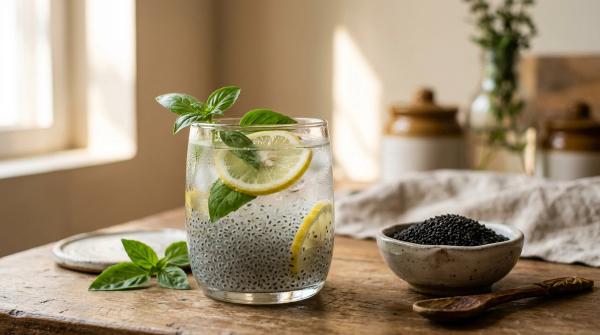
#For a normal workday, water plus regular meals is usually enough. Coffee and tea count toward fluid intake for many people, though too much caffeine may bother some. If plain water is hard to drink, adding lemon, mint, cucumber, or using a lightly flavored low-sugar option can help. There is no medal for suffering through warm tap water if you hate it.
For a short gym session under an hour, water is usually fine unless the room is very hot or you sweat heavily. For a long run, cycling session, football practice, tennis match, hike, or outdoor labor in heat, consider sodium and possibly carbohydrate. That might mean a sports drink, an electrolyte drink plus a snack, or water plus salty food. For very long sessions, sports nutrition gets more individual, and athletes may benefit from guidance from a sports dietitian.
For hot-weather travel, the practical choice is often whatever is safe, sealed, and available. Bottled water may be the baseline. A sports drink or electrolyte drink can be useful if you are sweating a lot, walking outdoors, or not eating much. Coconut water is fine if you tolerate it and don’t need sodium replacement. If you are grabbing drinks at highway stops, this guide to Gas Station Food While Traveling: What to Buy, Skip and Save for Later pairs well with the same mindset: choose what helps you feel steady, not what looks most exciting at the checkout.
For illness with vomiting or diarrhea, be more cautious. Mild cases may improve with rest and appropriate fluids, but dehydration can become serious. Oral rehydration solution is often recommended because of the sodium-glucose balance. Regular sports drinks are not the same, and very sugary drinks can sometimes worsen diarrhea for some people. Seek medical help for babies, young children, older adults, pregnancy, persistent vomiting, blood in stool, high fever, confusion, signs of dehydration, or symptoms that are severe or worsening.
Food Can Do More Than People Give It Credit For
#Hydration is not just chugging fluid. Meals can support hydration by bringing water, sodium, potassium, and carbohydrates together in a slower, gentler way. Think yogurt with fruit, rice and dal, salted lemon water with a snack, broth, curd rice, smoothies, watery fruits, cucumbers, oranges, and soups. In hot weather, cold meals can be genuinely helpful because they are easier to eat when appetite dips. Something like Cold Soup Lunches for Hot Weather: Gazpacho, Cucumber and Corn Bowls is not an electrolyte product, obviously, but it fits the bigger hydration picture.
This matters because people sometimes use electrolyte drinks to compensate for not eating enough. That might work briefly, but it can become a shaky routine. If you are active, sweating, and under-fueled, you may need food, not just minerals. Carbohydrates, protein, and overall calories matter for recovery. If appetite is low for more than a short time, or if eating and drinking feel difficult, it is worth checking in with a healthcare professional.
A Gentle Label-Reading Checklist
#- Start with the reason. Are you thirsty, sweating heavily, exercising long, traveling in heat, recovering from mild fluid loss, or just bored with water?
- Check sodium. Low sodium may be fine for casual sipping. Higher sodium may be useful for heavy sweating, but it may not be appropriate for everyone.
- Check sugar and carbs. Low sugar is often better for everyday drinking. Carbohydrate can be useful during longer exercise.
- Check potassium. Coconut water and some electrolyte drinks can be high in potassium, which matters for kidney disease and some medications.
- Check caffeine and extras. A hydration drink with caffeine is not the same as a basic electrolyte drink, especially for kids, pregnancy, anxiety, sleep issues, or heart rhythm concerns.
- Notice your stomach. Some sweeteners, sugar alcohols, magnesium forms, or concentrated drinks can cause bloating or diarrhea in sensitive people.
When Electrolytes Can Backfire
#More hydration is not always better, and more electrolytes are not always better either. Drinking excessive plain water during endurance events without enough sodium can contribute to exercise-associated hyponatremia, a dangerous low blood sodium condition. Symptoms can include headache, nausea, confusion, swelling, and in severe cases seizures or worse. This is one reason endurance athletes are often told not to force fluids beyond thirst and to plan sodium intake for long events.
On the other side, taking high-sodium electrolyte products all day without a real need may be unhelpful for people who are trying to manage blood pressure or fluid balance. High potassium drinks may be risky for people whose kidneys cannot clear potassium well. High sugar drinks can add extra calories and affect blood glucose. And caffeine-containing hydration products can make some people jittery or interfere with sleep. The “wrong” drink is not morally wrong. It is just mismatched.
A good hydration choice should match the situation, your health history, and how your body responds. It should not require ignoring medical advice or chasing a wellness trend.
So, Which One Should You Choose?
#If you want a simple everyday answer: choose water first, eat regular meals, and use electrolyte drinks only when there is a reason. If you are sweating heavily or exercising for a long time, an electrolyte drink with meaningful sodium or a sports drink may help. If you need exercise fuel too, a regular sports drink can make sense. If you want a pleasant, potassium-rich drink for light hydration, coconut water can be fine, as long as it fits your health situation.
If you are choosing for kids, be more conservative. Water is usually the default for normal play. For long sports practices in heat, pediatric or sports medicine guidance may be helpful. Energy drinks are a different category and are not the same as sports drinks. Many contain high caffeine and other stimulants, and they are generally not appropriate for children.
If you are choosing for an older adult, someone with chronic illness, or someone who has been sick, don’t guess too much. Dehydration and electrolyte imbalance can become serious faster in vulnerable groups. Signs like confusion, fainting, very little urination, rapid heartbeat, severe weakness, chest symptoms, trouble breathing, or symptoms that are worsening should be treated as medical concerns.
A Practical Bottom Line
#Electrolyte drinks, coconut water, and sports drinks are tools, not personality types. Electrolyte drinks are often best when sodium replacement is the goal, though formulas vary wildly. Coconut water is refreshing and potassium-rich, but usually not salty enough for major sweat replacement. Sports drinks can be useful for longer or harder exercise because they provide carbs plus sodium, but they are easy to overuse as casual sugary drinks.
The kindest approach is not to shame any choice. Some people genuinely drink more when fluids taste good. Some athletes need sugar during training. Some people feel better with a salty drink in summer, while others should avoid extra sodium. The right answer lives in the details: your activity, climate, sweat, meals, medical history, and medications. When in doubt, keep it boring and safe: water, food, shade, rest, and professional advice when symptoms are severe, persistent, unusual, or worsening.
And if the hydration aisle still feels like a mini exam you did not study for, that’s normal. Start with the label, match the drink to the moment, and don’t let marketing boss you around. For more practical wellness explainers without the scare tactics, you can keep browsing AllBlogs.in.