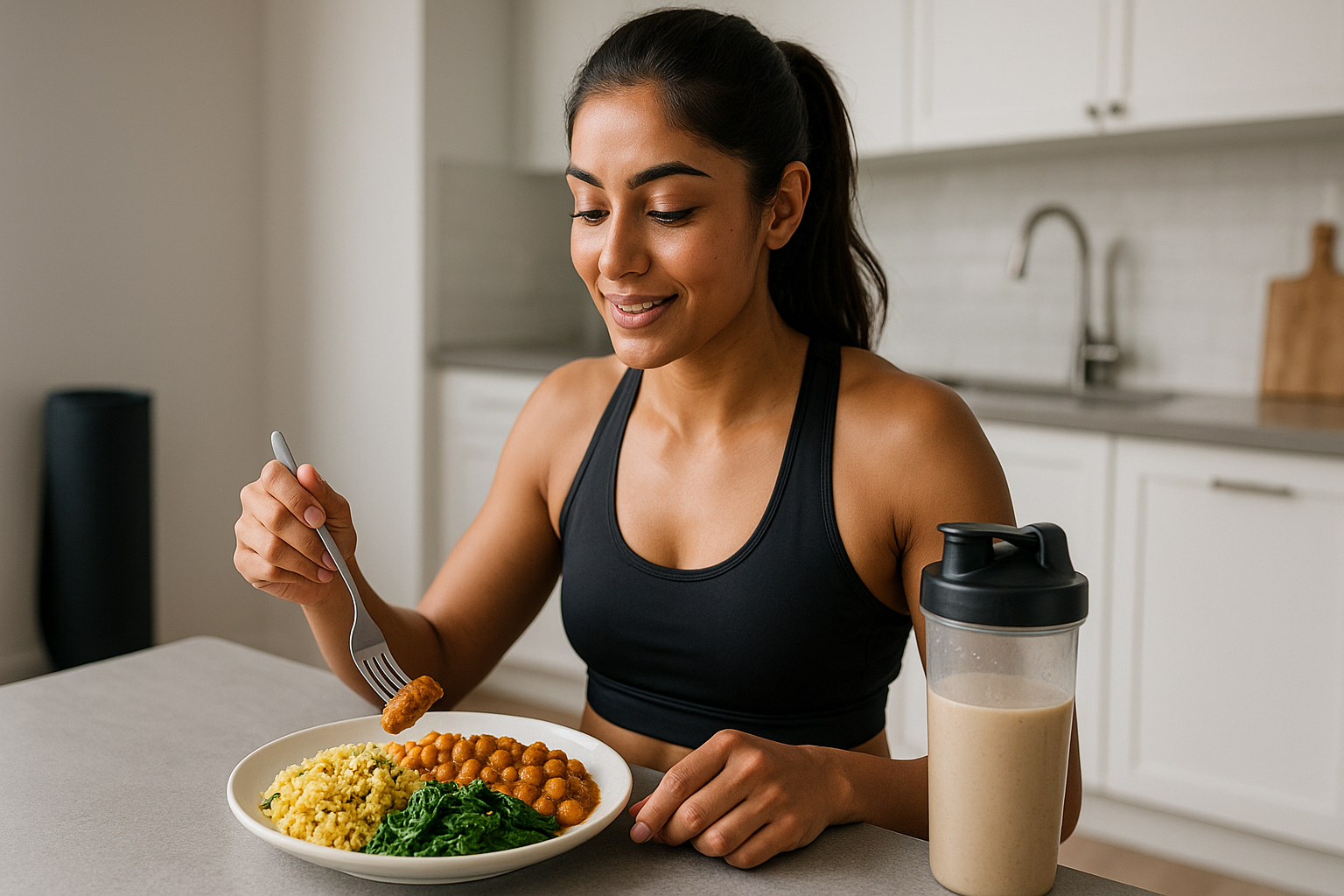
I used to think weight loss dinners had to be sad. Like grilled something, plain salad, no joy, everybody miserable. But honestly, once I started paying attention to protein, especially at dinner, things got way easier. I felt fuller, stopped doing that 11 pm biscuit hunt, and my energy the next morning was better too. And because I’m Indian and eat Indian food most days, I really didn’t wanna live on boiled eggs and protein shakes forever, you know? So this whole high-protein Indian dinner thing became kind of personal for me.
Quick note though, because wellness online gets weird fast: high-protein doesn’t mean extreme-protein. Most current nutrition guidance still points people toward a balanced pattern, not some giant meat-or-paneer mountain every night. For a lot of adults trying to lose fat while keeping muscle, a practical target many dietitians use is roughly 1.2 to 1.6 grams of protein per kilogram of body weight per day, sometimes more if someone is very active or older, but not everybody needs the same number. And if you have kidney disease or a medical condition, this stuff really should be discussed with your doctor or dietitian first.
Why dinner protein matters more than I realised
#I remember when I was doing the classic thing: light breakfast, random lunch, then huge carb-heavy dinner because by 8:30 I was starving and annoyed at life. Rice, extra roti, maybe aloo, maybe dessert because well... the day was stressful. The issue wasn’t Indian food. The issue was my dinner had almost no solid protein in it, so I’d eat a lot and still not feel quite satisfied. Once I started building dinner around dal plus curd, or tofu bhurji, or chicken, or fish, my appetite felt less chaotic. Not perfect, just less drama.
There’s actually decent research backing this up. Higher-protein meals tend to increase satiety and help preserve lean mass during weight loss, which matters a lot because nobody wants to lose muscle along with fat. More recent obesity and sports nutrition discussions going into 2025 and 2026 keep repeating the same basic message: if you're in a calorie deficit, getting enough protein and doing some resistance training is one of the best combos for healthier body composition. Kinda boring advice, maybe, but it works.
The best weight-loss dinner is not the one with the fewest calories. It’s the one that keeps you full, nourished, and not raiding the kitchen later.
So what counts as the “best protein” in an Indian dinner?
#This is where people start fighting online, lol. Some say eggs are best, some say paneer, some say whey, some say only plant protein is clean, some say don’t touch soy, which is... a lot. My honest take? The “best” protein is the one you digest well, can afford, actually enjoy, and can eat consistently. From a pure protein-density angle, foods like chicken breast, fish, egg whites, Greek yogurt or strained curd, low-fat paneer, tofu, soy chunks, and dals mixed smartly with dairy or grains can all fit. If you're vegetarian, you can absolutely do this, it just takes a bit more planning.
- Paneer: filling, tasty, but calories can climb fast if portions get huge or it’s cooked in loads of oil
- Tofu and soy chunks: underrated, usually higher protein for fewer calories than paneer, despite old myths that keep hanging around
- Dal: healthy, fibre-rich, comforting, but by itself it’s not always enough protein for dinner unless portion or pairing is good
- Eggs: super practical, complete protein, and honestly lifesavers on tired evenings
- Chicken and fish: high protein without too much volume, great for people trying to keep calories in check
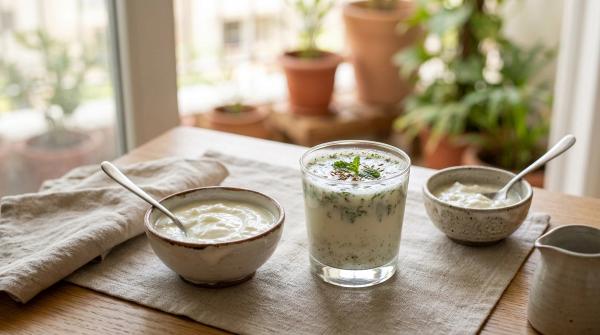
- Hung curd or Greek yogurt: easy side or marinade base, and one of the simplest ways to bump protein without making dinner feel “diet”
Also, yes, soy is still having a bit of a comeback in wellness circles in 2026 because people are finally getting bored of fearmongering. Current evidence still supports moderate soy foods like tofu, tempeh, edamame, and soy chunks as safe for most people, and they can be really useful for vegetarians. That old panic about soy automatically wrecking hormones in everyone is not supported the way social media pretends it is.
My 7 actually-doable high-protein Indian dinners for weight loss
#These are the meals I come back to when life is busy, I’m trying to eat better, and I still want dinner to taste like dinner. Protein numbers are approximate because brands and recipes differ, obviously.
- Moong dal chilla stuffed with paneer or tofu. Two medium chillas plus 100 grams filling can land around 25 to 35 grams of protein, depending how you make it. This one keeps me full for hours.
- Palak paneer with less oil plus a kachumber salad. If I keep paneer around 120 to 150 grams and don’t drown it in cream, it’s a pretty solid high-protein dinner. Better with one phulka than three, for me anyway.
- Tofu bhurji with vegetables and one or two rotis. Weirdly satisfying. I avoided tofu for years because I assumed it would taste like sadness, but masala fixes many things.
- Grilled chicken tikka bowl with sautéed veg and mint curd. This is probably the easiest high-protein Indian-style dinner if you eat meat. Big protein, not too heavy.
- Fish curry with a smaller portion of rice and extra beans or stir-fried veg. Super underrated for weight loss because fish can be light yet filling.
- Rajma plus Greek yogurt or hung curd on the side. Rajma alone is good, but pairing it with dairy lifts total protein and satiety a lot.
- Egg curry with two eggs plus extra egg whites if needed. Sounds boring maybe, but this got me through one whole month when I was too tired to be creative.
The vegetarian dinner mistake I kept making
#I was doing what loads of us do: calling a meal “protein-rich” just because it had dal in it. And look, dal is amazing. I’m never gonna disrespect dal. But one small bowl of dal with rice is not automatically a high-protein dinner. It’s balanced-ish, yes, but if your goal is fat loss with better fullness and muscle retention, you might need a little more. Once I started combining protein sources, things clicked way better.
Like, instead of just khichdi, I’d do moong khichdi plus a bowl of curd. Instead of rajma chawal only, rajma chawal plus cucumber raita. Instead of veg pulao, I’d switch to soya pulao or paneer peas pulao with salad. Tiny changes, but they made a real diffence... yeah I spelled that wrong in my notes too and left it there.
A super simple way to build a weight-loss dinner plate
#This is the easiest mental shortcut I know, and I still use it because I cannot be bothered to count everything every single night.
- Start with a protein anchor: paneer, tofu, chicken, fish, eggs, soy chunks, dal plus curd, or chilla batter
- Add 2 big handfuls of non-starchy veg: spinach, beans, bhindi, cauliflower, capsicum, lauki, cabbage, whatever’s around
- Then add a sensible carb: 1 to 2 rotis, or a smaller serving of rice, or millet if you like it
- Use fats on purpose, not by accident: 1 to 2 teaspoons oil, some nuts occasionally, not half a cup of hidden cream
That “protein anchor” idea is showing up more in 2026 meal-planning trends too, especially among dietitians who are trying to move people away from obsessive calorie counting. Honestly I get why. A lot of us don’t need more food math, we need better meal structure.
Some current wellness trends that are useful... and some that are mostly nonsense
#A few things have gotten popular lately that I think are genuinely helpful. One is prioritising protein earlier in the day and spreading it across meals instead of trying to cram everything at dinner. Another is pairing high-protein eating with strength training, even just 2 to 4 sessions a week, because the combo supports muscle retention during weight loss much better than dieting alone. There’s also more focus now on fibre + protein together for blood sugar steadiness and fullness, which honestly feels less trendy and more just smart.
What I’m less convinced by: random “protein waters,” super expensive fat-burning supplements, and social media plans telling everyone to eat 150 grams protein no matter their body size. Nope. Also the old anti-carb thing still won’t die. Indian dinners don’t need to become carb-free to help with weight loss. A moderate portion of rice or roti can fit just fine, especially if the meal has enough protein, vegetables, and overall calorie awareness.
Best protein choices if your main goal is weight loss, not bodybuilding
#| Food | Approx protein | Why it helps | Watch out for |
|---|---|---|---|
| 100 g low-fat paneer | 18-22 g | Filling and easy to cook in Indian dishes | Calories add up fast with full-fat versions |
| 100 g tofu | 12-16 g | Lean, versatile, good for vegetarians | Needs seasoning or it tastes kinda flat |
| 50 g dry soy chunks | 24-26 g | Very high protein for the calories | Some people get bloating if portions are huge |
| 2 eggs + 2 egg whites | 20-22 g | Complete protein, fast dinner option | Too little veg can make the meal feel small |
| 100 g chicken breast | 30-31 g | High protein, low fat when cooked simply | Restaurant gravies can sneak in lots of oil |
| 100 g fish | 20-24 g | Light, easy to digest for many people | Frying changes the calorie story |
| 1 cup cooked dal | 10-18 g | Protein plus fibre, budget-friendly | Usually needs pairing for a truly high-protein meal |
| 200 g hung curd/Greek yogurt | 18-20 g | Great side, dip, marinade or bowl base | Flavoured versions may contain added sugar |
A few dinners I thought were healthy but weren’t helping me much
#This part stung a little, not gonna lie. I had to admit some of my “healthy dinners” were just low-protein carb bombs with a wellness halo.
- Big bowl of poha for dinner - delicious, not very filling for me at night
- Vegetable soup and toast - I’d be hungry again in 90 minutes, every single time
- Restaurant paneer tikka masala - can be protein-rich, yes, but often way more oil and butter than I expected
- Smoothie dinner - sorry, no. My brain does not register this as dinner
And weirdly, I also learned that very low-calorie dinners backfired. I’d feel virtuous at 8 pm and feral by 10:30. So now I’d rather have a proper 400 to 650 calorie dinner with 25 to 40 grams protein than a tiny snack-meal that leaves me thinking about food all night.
What recent research keeps getting right
#The broad stuff is pretty consistent. Higher protein intake, within reason, supports satiety and helps preserve lean body mass during weight loss. Resistance training improves those outcomes. Fibre matters a lot too, especially from pulses, vegetables, fruits, and whole grains. Ultra-processed foods are still associated with overeating in a lot of people, even when the marketing says “high protein.” And there’s growing emphasis on personalisation in 2026, which I’m happy about, because one person thrives on paneer and dal, another feels better with fish and rice, another needs lactose-free options. That’s normal.
Also worth saying: if you’re using GLP-1 medications or other medical weight-loss treatment, which more people are talking about now, protein becomes even more important because appetite can drop a lot and it gets easier to undereat protein. That’s one of those newer wellness conversations that I think is actually useful and not just hype.
My realistic tips for making Indian high-protein dinners stick
#- Prep one protein in advance. Boiled eggs, grilled chicken, baked tofu, homemade paneer cubes, cooked dal... just one thing ready can save the whole evening.
- Use curd more often. Raita, dip, marinade, side bowl, whatever. It’s such an easy protein bump.
- Don’t fear frozen peas, frozen fish, or pre-cut veggies. Convenience is not a moral failure, please.
- If you’re vegetarian, combine foods on purpose. Dal plus dairy. Millet plus curd. Chilla plus paneer. Rajma plus yogurt. You get the idea.
- Keep restaurant meals for enjoyment, not your daily “diet plan,” because hidden fat and sodium can really confuse progress.
And maybe my biggest one: make the meal tasty. Add ginger, garlic, jeera, dhania, chilli, kasuri methi, lemon, achar in a small amount if you love it. Weight loss food that tastes depressing is not gonna last, at least not in my house.
Final thoughts, from someone still figuring it out
#I’m still not one of those people who meal-preps twelve glass containers on Sunday and feels spiritually superior by Tuesday. I’m just not. But I have learned that a high-protein Indian dinner can make weight loss feel way less punishing. It helps with fullness, supports muscle, and honestly makes me feel more steady and less snacky at night. For me, the best protein hasn’t been one magical food. It’s been rotating between paneer, tofu, dal with curd, eggs, chicken, fish, and soy chunks depending on the week, my budget, and what my stomach feels like tolerating.
If you want to start simple, just do this tonight: pick one proper protein, add lots of veg, keep carbs sensible not scary, and don’t overcomplicate it. That’s basically the whole thing. And if you’ve got diabetes, kidney issues, digestive problems, or you’re unsure what amount of protein is right for you, please check with a qualified clinician instead of trusting random internet people, me included. Anyway, that’s my very real, slightly messy take on high-protein Indian dinners for weight loss. If you like reading this kind of wellness stuff without too much nonsense, wander over to AllBlogs.in sometime.