First, the gentle truth: your gut may need a boring day
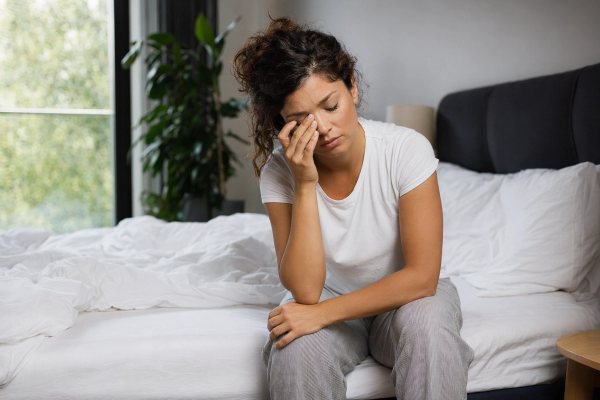
#A travel stomach upset can feel weirdly unfair. You did the trip, handled the airport lines or train platforms or long cab rides, and then your stomach decides to become the main character. The useful thing to know is that the first 24 hours after vomiting, diarrhea, cramps, or that unsettled “please don’t feed me anything complicated” feeling is not the time to be heroic with food. It’s a time to go simple, steady, and a little boring. Not forever. Just for now.
This 24-hour food plan is meant as general wellness guidance, not a diagnosis or personal treatment plan. Travel-related stomach upset can happen for a bunch of reasons, including unfamiliar foods, changes in routine, dehydration, motion sickness, alcohol, stress, foodborne germs, or just eating at odd hours. Most mild stomach upsets improve with rest, fluids, and gentle foods, but some symptoms need proper medical care. So the plan here is cautious: replace fluids, avoid irritating foods, restart eating slowly, and pay attention to what your body is telling you without panicking over every gurgle.
Before food: when to get medical help instead of “waiting it out”
#It’s tempting to treat every travel tummy problem like a minor inconvenience, but please don’t ignore red flags. Seek urgent medical care if there is blood in stool or vomit, black tarry stool, signs of severe dehydration, confusion, fainting, severe or worsening abdominal pain, persistent high fever, a stiff abdomen, chest pain, trouble breathing, or repeated vomiting that prevents keeping fluids down. Also be more cautious with babies, older adults, pregnant people, people with weakened immune systems, and anyone with kidney disease, diabetes, inflammatory bowel disease, or other ongoing health conditions.
A healthcare professional is also a good idea if diarrhea lasts more than a couple of days, symptoms are getting worse instead of easing, you recently traveled to an area with higher risk of gastrointestinal infections, or you think you may have food poisoning from a shared meal. And if you’re taking medications, especially diuretics, blood pressure medicines, diabetes medications, blood thinners, or immune-suppressing medicines, it’s safer to ask for guidance early. Dehydration and medication timing can get messy fast, you know?
The basic rule for the first 24 hours: fluids first, food second
#After a stomach upset, the gut lining and the whole digestion rhythm may be irritated. Heavy meals can make nausea, cramps, or diarrhea feel worse. That does not mean you need to fast all day, and it definitely does not mean you should force food if you feel queasy. A practical approach is to start with small sips, then small bites, then slightly more normal meals as tolerated.
Oral rehydration solution, often called ORS, is commonly recommended for diarrhea because it contains water plus the right balance of salts and glucose to support fluid absorption. Plain water is helpful too, but if you’ve had repeated diarrhea or vomiting, water alone may not replace sodium and other electrolytes. Packaged ORS is usually the easiest option. If you use sports drinks, coconut water, or electrolyte beverages, choose carefully because some are very sugary, and too much sugar can sometimes worsen diarrhea. Not always, but it can.
Hour 0 to 2: the “don’t rush it” window
#If you’ve just vomited or had a sudden diarrhea episode, the first couple of hours are mostly about letting things settle. Start with tiny sips of fluid rather than big gulps. Big gulps feel satisfying for about eight seconds, then sometimes come right back up. Try a teaspoon or two every few minutes, or small sips from a bottle. If that stays down, gradually increase.
- Good first options: ORS, water, weak tea, clear broth, or diluted electrolyte drink if it sits well
- Go slow with: coffee, alcohol, fizzy drinks, very cold drinks, and very sweet juices
- Skip for now: greasy snacks, spicy leftovers, raw salads, creamy desserts, and anything that smells intense enough to make nausea worse
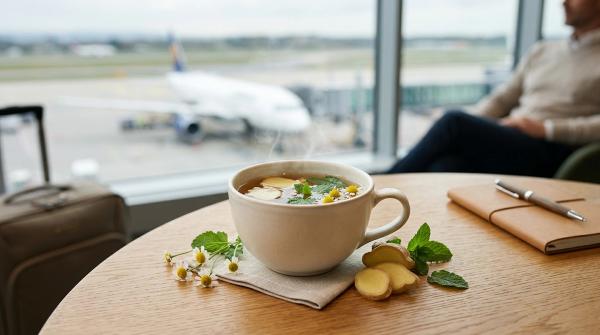
If nausea is strong, room-temperature fluids may feel easier than ice-cold drinks. Ginger tea may be soothing for some people, though it is not a guaranteed fix. Peppermint can feel calming for some, but it may worsen reflux in others. This is one of those annoying wellness things where the answer is, “it depends,” which is not exciting but it is honest.
Hour 2 to 6: small bites, plain foods, no food drama
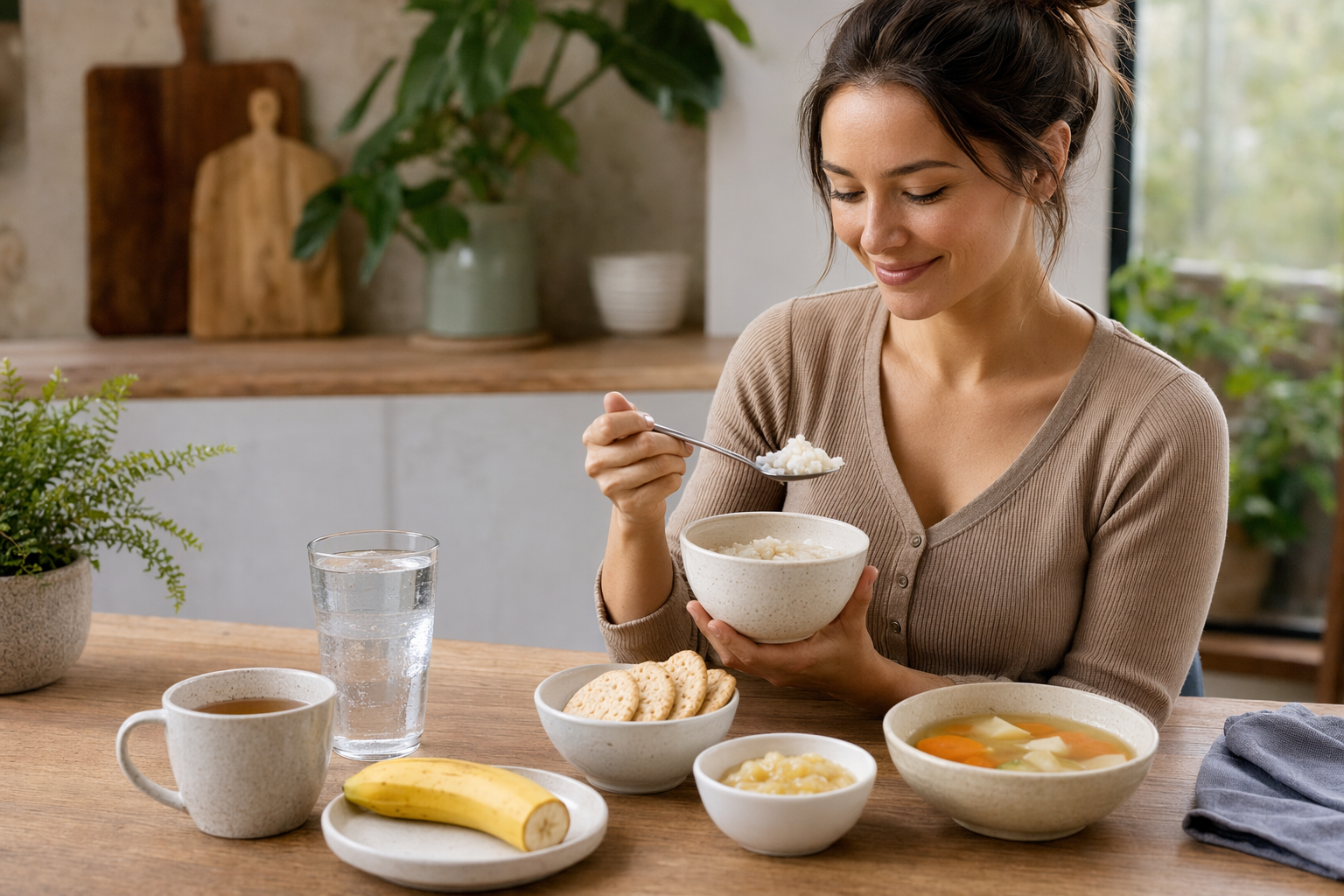
#Once fluids are staying down and hunger starts to peek in, try bland, low-fat foods in small portions. This is where people often mention the BRAT diet: bananas, rice, applesauce, and toast. It can be useful as a short-term starting point because these foods are gentle and simple. But it’s not a complete diet, and it does not need to be followed strictly. Think of BRAT as a doorway back to eating, not the whole house.
Try a few bites and wait 15 to 30 minutes. If your stomach stays calm, have a little more. If cramps or nausea return, pause and go back to fluids. There’s no prize for finishing a bowl of rice while your gut is waving a tiny white flag.
- A banana, especially if not overly ripe, may be easy to tolerate and provides potassium
- Plain rice, soft khichdi without heavy spices, plain noodles, toast, crackers, or a small boiled potato may sit well
- Applesauce can work, but apple juice is often too sugary for an upset stomach
- Clear soup or broth can help with both fluid and salt, as long as it is not oily or very spicy
Hour 6 to 12: build a light meal, but keep it soft around the edges
#If the first small foods went okay, the next step is a light meal with a little more substance. You’re aiming for easy digestion, not a perfect wellness bowl with fourteen toppings. A good plate might be rice with a small amount of curd if dairy usually agrees with you, plain oatmeal, toast with a thin layer of peanut butter, soup with soft noodles, or a small serving of steamed vegetables that are not too fibrous. Cooked carrots can be easier than raw cucumber. A soft potato is usually friendlier than fries. That kind of thing.
Protein can come back in gently too. Plain eggs, soft tofu, lentil soup that is not heavily spiced, or a small amount of chicken in broth may be tolerated. But after a stomach upset, fatty proteins and rich sauces are often the problem. Fried chicken, creamy paneer, bacon, buttery parathas, or a giant burger may sound comforting in theory and then feel like a bad decision two hours later.
If you need to travel again soon, this is also the time to think practically. Choose foods that are low-risk, freshly prepared, and not sitting around at room temperature. For a longer journey, especially rail travel, the same gentle-meal logic applies. This guide on Dinner Before an Overnight Train in India: What to Eat, Pack, and Avoid has useful overlap if your stomach is recovering and you’re trying not to tempt fate before another travel leg.
Hour 12 to 18: return to normal-ish eating, not “celebration eating”
#By this point, some people feel almost normal and others still feel delicate. Both can happen. If diarrhea has slowed, nausea is gone, and fluids are staying down, you can add more variety. Keep portions moderate. The gut often handles smaller meals better than one big “I’m finally hungry” plate. Aim for simple carbs, some lean protein, and cooked foods. This is not the moment for a raw buffet, hot sauce contest, or mystery street snack that has been under a heat lamp since noon.
A reasonable meal could be plain rice with dal, soft rice porridge, soup with toast, oatmeal with banana, idli with mild sambar if spices do not bother you, curd rice if dairy is normally okay, or a small grilled sandwich without heavy cheese. If you’re out in an airport, mall, or station and choices are limited, be picky in a boring way. Freshly cooked, plain, hot food is usually a safer bet than cold creamy salads or cut fruit. If you’re navigating a food court while still feeling cautious, Food Court Lunch While Traveling: What to Order, Split, and Skip is a handy next read.
Hour 18 to 24: test your usual foods slowly
#The final stretch of the first day is about gently testing normal eating, not proving anything. If symptoms are clearly improving, you can widen your options: cooked vegetables, simple grains, a little healthy fat, and more protein. Still, go easy with fried food, very spicy food, alcohol, and heavy dairy. A small amount of fat is fine for many people, but a greasy meal can speed up the gut and bring diarrhea roaring back. Annoying, yes. Predictable, also yes.
If your appetite is still low, don’t panic. Short-term reduced appetite after stomach upset is common. Focus on hydration and small, tolerable foods. If you cannot eat much for more than a day, if you’re losing weight rapidly, or if you feel weak, dizzy, or unusually unwell, check in with a qualified healthcare professional. A travel stomach upset is usually simple, but not always, and it’s better to ask than to guess.
A simple 24-hour food plan you can actually follow
#- 0 to 2 hours: take tiny sips of ORS, water, weak tea, or broth. Pause food if nausea is strong. If vomiting continues and fluids will not stay down, seek medical guidance.
- 2 to 6 hours: try a few bites of banana, toast, crackers, rice, plain potato, applesauce, or soft noodles. Eat slowly. Stop if symptoms flare.
- 6 to 12 hours: add a light meal such as rice porridge, plain oatmeal, soup with toast, curd rice if dairy suits you, or broth with a small amount of lean protein.
- 12 to 18 hours: increase variety with cooked foods, mild dal, eggs, tofu, soft vegetables, or simple grains. Keep portions small and avoid rich sauces.
- 18 to 24 hours: move toward normal meals if symptoms are improving, but keep fried, spicy, alcoholic, and very sugary items on hold a bit longer.
What to drink, and what to be suspicious of
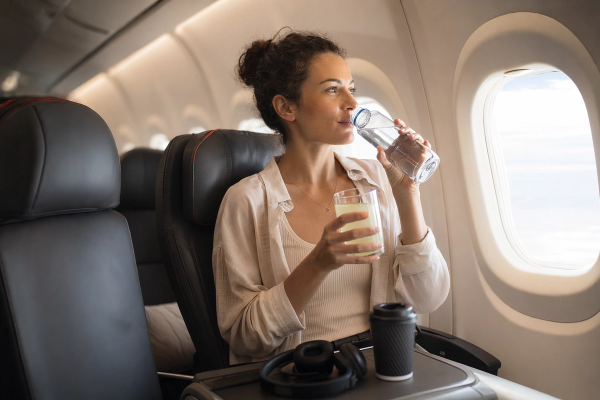
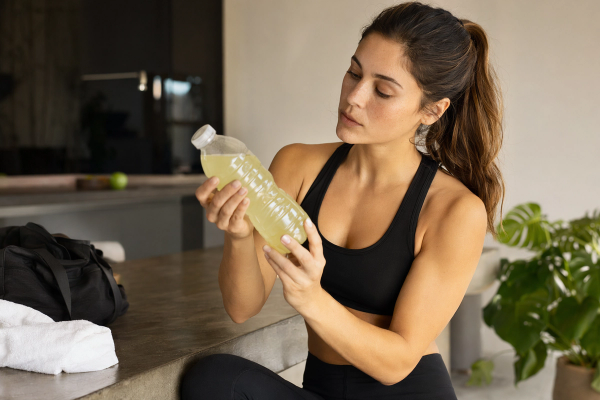
#Drinks matter as much as food, sometimes more. ORS is the most targeted option when diarrhea is the main issue. Broth can be comforting and salty. Water is fine, but steady sipping works better than chugging. Herbal tea may help if it is mild and not loaded with sugar. If you use bottled drinks while traveling, check that seals are intact. In places where water safety is uncertain, use sealed bottled water or properly treated water for drinking and brushing teeth.
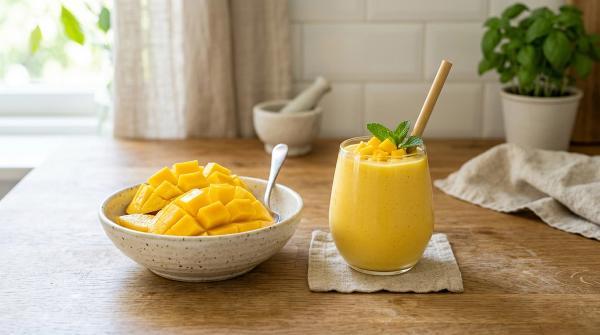
Be careful with smoothies right after a stomach upset. They can sound healthy, but they may include dairy, lots of fructose, raw greens, cut fruit, ice, or blender hygiene you can’t really verify. That does not mean all smoothies are bad, obviously, but timing matters. If your gut is still touchy, bottled drinks with intact seals may be the calmer choice. This breakdown of Smoothies While Traveling: When to Buy One, Skip It, or Grab Bottled Instead explains the travel-specific risks in a practical way.
Foods that often make things worse in the first day
#There is no universal “bad food” list, because tolerance varies. Still, certain foods commonly irritate a recovering gut. High-fat meals slow stomach emptying and can worsen nausea. Very spicy foods may irritate the gut lining or trigger cramps. Alcohol can dehydrate and irritate the stomach. Caffeine can stimulate bowel movement, which is not always what you want when diarrhea is already happening. Very sugary drinks and desserts can pull water into the intestine and may worsen loose stools for some people.
- Hold off on fried snacks, creamy sauces, butter-heavy meals, and rich desserts
- Be cautious with raw vegetables, salads, sprouts, unpeeled fruit, and cut fruit from uncertain sources
- Pause alcohol until you are clearly recovered and rehydrated
- Limit coffee if it sends you straight to the bathroom on a normal day
- Avoid taking anti-diarrhea medicines casually if you have fever or blood in stool unless a clinician says it is appropriate
What about probiotics, yogurt, and fermented foods?
#Probiotics are popular, and some research suggests certain strains may shorten the duration of some types of infectious diarrhea, but the evidence is not the same for every product, strain, dose, or person. Basically, “probiotic” is not one single thing. Yogurt with live cultures may be gentle for people who already tolerate dairy, and curd rice is a familiar comfort food in many homes. But after diarrhea, temporary lactose intolerance can happen, meaning milk or dairy may suddenly cause gas, cramps, or more loose stool.
If you’re immunocompromised, seriously ill, pregnant, caring for a very young child, or dealing with a complicated medical condition, ask a healthcare professional before using probiotic supplements. Fermented foods like kimchi, kombucha, kefir, or heavily spiced pickles may be too intense in the first 24 hours. Maybe later. For day one, gentle usually beats trendy.
If you’re traveling with kids, older adults, or someone medically vulnerable
#The 24-hour plan needs extra caution for people at higher risk of dehydration. Children can become dehydrated faster than adults, and older adults may not feel thirst as clearly. ORS is often recommended for diarrhea-related dehydration risk, but age, weight, health history, and severity matter. For infants, toddlers, pregnant people, older adults, and anyone with chronic illness, it is wise to contact a qualified healthcare professional sooner rather than trying a long DIY approach.
Watch for dry mouth, very little urination, dizziness, sunken eyes, unusual sleepiness, no tears when crying in children, fast heartbeat, or inability to keep fluids down. These are not “just stomach upset” signs to casually scroll past. If something feels off, get help. Better to feel slightly overcautious than to wait too long.
A few practical packing notes for next time
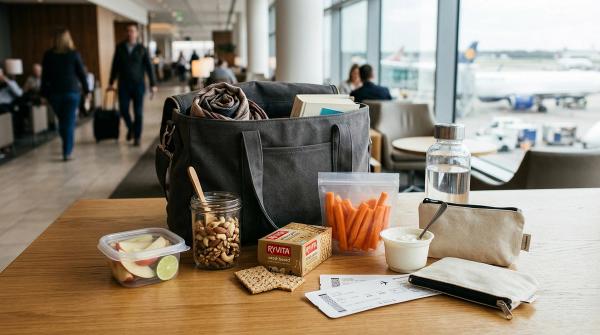
#Nobody wants to plan their snack bag around diarrhea, but future-you may be grateful. A small travel kit can include ORS sachets, a clean water bottle, plain crackers, a few tea bags, hand sanitizer, any personal medications, and a list of allergies or medical conditions if relevant. If you’re prone to motion sickness or reflux, ask a clinician or pharmacist what is safe to carry before the trip. Don’t mix medicines or supplements randomly because “natural” or “over the counter” does not automatically mean risk-free.
Food safety basics still matter: wash hands, choose hot foods served hot, avoid food that has been sitting out, be careful with ice where water safety is uncertain, and peel fruit yourself when possible. These steps are not glamorous. They also may prevent a whole lot of misery. Travel food should be fun, yes, but your stomach gets a vote too.
Bottom line: keep the first day calm, salty, soft, and slow
#After a travel stomach upset, the best first 24 hours are usually simple: rehydrate, take small sips, restart with bland foods, add light meals gradually, and avoid the big triggers until your gut is clearly settling. You do not need a perfect detox, a strict cleanse, or a dramatic food rule. Just calm fluids, gentle food, and common sense. If symptoms are severe, persistent, worsening, unusual, or happening in someone vulnerable, get professional medical advice rather than trying to tough it out.
A recovering stomach usually appreciates boring food, steady fluids, and a little patience. Not exciting, but honestly, it works better than rushing back into vacation-mode eating too soon.
And when you’re ready to plan the next meal without overthinking every bite, keep it gentle and practical. For more careful travel food and wellness guides, have a browse through AllBlogs.in.