
Buying Medicines in India: A Practical Guide for NRIs & Tourists, From Someone Who Has Definitely Stood Confused in a Pharmacy
#I still remember my first proper “adult” pharmacy run in India after living abroad for years. I had jet lag, a scratchy throat, my stomach was doing that weird travel thing, and the pharmacist asked me, “Which brand do you want?” like I was supposed to have a PhD in paracetamol. I just stared at him. In many countries, you walk in, ask for a medicine, and there’s one obvious box. In India, there may be ten brands, three strengths, a strip cut in half, a generic version, and someone behind you coughing directly into your soul. So yeah, buying medicines in India is not hard exactly, but it can be confusing if you’re an NRI visiting family, a tourist, or someone here for medical treatment. This is my no-drama, health-first guide based on my own experiences, what doctors and pharmacists have told me, and the current rules and trends people should know about in 2026. Not medical advice, obviously. But hopefully useful.
First Thing: India Has Excellent Medicines, But Don’t Treat the Pharmacy Like a Snack Shop
#India is one of the world’s biggest producers of generic medicines, and honestly, that’s something to respect. A lot of global healthcare depends on Indian pharma. Medicines can be much cheaper than in the US, UK, Canada, Australia, and the Gulf, which is why many NRIs get tempted to “stock up” when they visit. I get it. I really do. When you’ve paid ridiculous amounts for a tiny tube of cream abroad, seeing the same molecule for a fraction of the price feels like winning a small lottery. But cheaper does not mean casual. Some medicines need a prescription for a reason, and some combinations sold in India can be confusing if you’re not used to brand names. The big thing I’ve learned is this: ask for the generic name, also called the salt or molecule, not just the brand. For example, “paracetamol 500 mg” is clearer than asking for some random brand your cousin swears by. Same with cetirizine, pantoprazole, amoxicillin-clavulanate, metformin, amlodipine, and so on. Brands change, molecules matter.
Prescription Rules: Schedule H, H1, X… Not Fun Names, But Important
#India’s medicines are regulated under the Drugs and Cosmetics Act and Rules, and pharmacies are supposed to follow prescription requirements. In real life, enforcement can vary by city and pharmacy, which is where tourists and NRIs get confused. Schedule H medicines require a prescription from a registered medical practitioner. This includes many antibiotics, blood pressure tablets, diabetes medicines, antidepressants, thyroid medicines, and stronger pain medicines. Schedule H1 is stricter and includes certain antibiotics, anti-TB medicines, and some habit-forming drugs. Pharmacists are expected to keep records for H1 medicines and the packaging often has a warning in a red box. Schedule X is stricter again, covering certain narcotic and psychotropic medicines. Basically, if it affects your brain, pain system, hormones, heart, infection treatment, or chronic disease control, don’t wing it. Even if one shop gives it without asking, that doesn’t mean it’s safe or legal. It just means you should maybe be more careful, not less.
My personal rule in India now: if I wouldn’t start it abroad without a doctor, I don’t start it in India just because it’s cheaper or easier to get. That one rule has saved me from some very dumb decisions.
What You Can Usually Buy Over the Counter, And What Still Needs Common Sense
#For minor things, Indian pharmacies are pretty convenient. You can usually get basic fever medicines like paracetamol, oral rehydration salts, antacids, some cough lozenges, saline nasal sprays, simple wound-care items, thermometers, pregnancy tests, sanitary products, and many wellness basics. But even with common medicines, please check dose and ingredients. I once nearly doubled up on paracetamol because one cold tablet already had it and I was about to take another plain paracetamol tablet. That’s a very normal mistake, and it can be dangerous for the liver. For tourists, oral rehydration solution is one of the most useful things to buy in India, especially if you get diarrhea from heat, food changes, or just travel chaos. ORS is not glamorous wellness content, I know, but it works. Also, don’t ignore dehydration in children, older adults, pregnant people, or anyone with kidney or heart disease. If there’s blood in stool, high fever, severe belly pain, confusion, repeated vomiting, or symptoms lasting more than a couple days, see a doctor. Don’t just keep throwing tablets at the problem.
Antibiotics in India: Please, Please Don’t Self-Prescribe
#This is where I get a bit preachy, sorry. India, like many countries, is dealing with serious antimicrobial resistance. The trend is still worrying in 2026, and doctors keep warning that common infections are becoming harder to treat because antibiotics have been overused or used incorrectly. And yes, sometimes pharmacies may offer antibiotics quickly, especially if you say “throat infection” or “loose motion.” But most colds are viral. Many stomach bugs settle with fluids and time. Antibiotics can cause side effects, allergic reactions, yeast infections, gut disruption, and they can make future infections harder to treat. If a doctor prescribes antibiotics, take them exactly as directed. Don’t share leftover tablets with your uncle, don’t stop early because you “feel 80% fine,” and don’t buy the same antibiotic again next time because it worked once in 2019. Also ask whether you need food with it, whether alcohol should be avoided, and what warning signs mean you need follow-up. This stuff matters.
Generic vs Branded Medicines: My Slightly Nerdy Opinion
#I used to think “generic” meant lower quality. That was my own ignorance, honestly. A generic medicine has the same active ingredient, strength, and dosage form as the branded version, and India has many high-quality manufacturers. But, and this is the annoying bit, quality can vary if you buy from unknown sources or dodgy shops. I’m comfortable with generics when they come from a reputable pharmacy and known manufacturer, especially for simple medicines. For critical medicines like epilepsy drugs, thyroid medicine, blood thinners, psychiatric medicines, transplant medicines, insulin, or heart rhythm drugs, I would not switch brands casually without a doctor’s input. Small changes in absorption can matter for some people. Government Jan Aushadhi Kendras sell affordable generic medicines, and many people use them successfully. Still, check the molecule, dose, expiry date, and packaging. If your regular medicine abroad is called by one brand name, bring the prescription or a photo showing the generic name. It saves so much headache.
How to Spot a Decent Pharmacy Without Acting Like a Detective
#Most pharmacies in India are legitimate, especially established ones attached to hospitals or well-known chains. But I still do a quick vibe check. Is the shop clean enough? Are medicines stored away from direct sun and heat? Does the pharmacist answer questions or just shove random strips at you? Do they give a proper bill? Are they willing to show you expiry dates? Since India introduced QR code or barcode requirements on many top-selling medicine brands from 2023 onward, you may see scannable codes on some packs to help verify authenticity and traceability. Not every medicine pack will be the same, but it’s a good sign when packaging looks proper and traceable. Avoid buying loose tablets with no strip, no name, no batch number, and no expiry. I know it happens. People say, “Bas do tablet de do,” just give two tablets. For a one-off antacid maybe people do it, but for anything serious, don’t. Keep the strip. Keep the bill. Future you may need that info.
- Check the medicine name, strength, batch number, manufacturing date, and expiry date before leaving the shop.
- Ask for a printed or digital bill, especially for travel insurance claims or if you need to show a doctor later.
- For refrigerated medicines like insulin, some eye drops, certain injections, and biologics, ask how they were stored. India’s heat is no joke.
E-Pharmacies and Medicine Apps in 2026: Convenient, But Use Your Brain
#Online medicine delivery in India has become very normal now, especially in bigger cities. Apps can be helpful if you’re staying with family, recovering after a procedure, or managing chronic medicines. Many platforms ask for prescriptions before dispensing prescription drugs, and that’s how it should be. The regulatory space around e-pharmacies has been evolving for years, so my safe approach is simple: use well-known platforms, upload a valid prescription, check the seller details, and don’t buy controlled medicines through random websites or WhatsApp sellers. In 2026, digital health in India is much bigger than even a few years ago. Ayushman Bharat Digital Mission, health IDs, teleconsults, e-prescriptions, and online lab bookings are more common. But convenience can make us sloppy. A teleconsult is not magic. If you have chest pain, breathing difficulty, signs of stroke, severe allergic reaction, uncontrolled sugar, or high fever in a baby, don’t wait for an app slot. Go to emergency care.
Bringing Your Own Medicines Into India: Do This Before You Fly
#If you take regular medicines, bring enough for your trip plus extra for delays. Keep them in original packaging, not mixed in a cute pill box with no labels. Carry a copy of your prescription and, for important medicines, a doctor’s letter listing your diagnosis, generic names, doses, and why you need them. This is especially important for ADHD medicines, anxiety medicines, sleep medicines, strong pain medicines, injectable medicines, hormones, and anything that could be considered controlled. India has strict rules around narcotic and psychotropic substances under NDPS-related laws, and other countries have their own exit rules too. Don’t assume that because a medicine is legal in your country, it’s casual everywhere. Also keep medicines in your hand luggage, not checked baggage. I learned this after an airline misplaced my bag for two days and my thyroid tablets were in it. Not my smartest moment. For liquids, injections, and cold-chain medicines, check airline rules before travel and carry documentation.
Buying Chronic Disease Medicines in India: Diabetes, BP, Thyroid, Asthma, Mental Health
#A lot of NRIs buy long-term medicines in India because costs are lower. For diabetes, blood pressure, cholesterol, thyroid, asthma, migraine, and acid reflux medicines, availability is usually good in cities. Still, don’t swap doses because the tablet “looks similar.” Metformin 500 mg immediate release is not always the same experience as extended release. Insulin types matter a lot. Inhalers have different devices, and technique matters. Thyroid medicines should ideally be taken consistently, and brand switches can require monitoring for some people. Mental health medicines need extra care. Please don’t stop antidepressants, anti-anxiety medicines, bipolar medicines, or sleeping tablets suddenly because you’re travelling or because someone in the family says “just do yoga.” Yoga is lovely. I do it badly and still like it. But withdrawal and relapse are real. If you need refills in India, see a doctor, bring old records, and ask clearly about equivalent medicines. A good physician won’t judge you for being prepared.
Wellness Products, Supplements, Ayurveda, and the Whole “Natural Means Safe” Trap
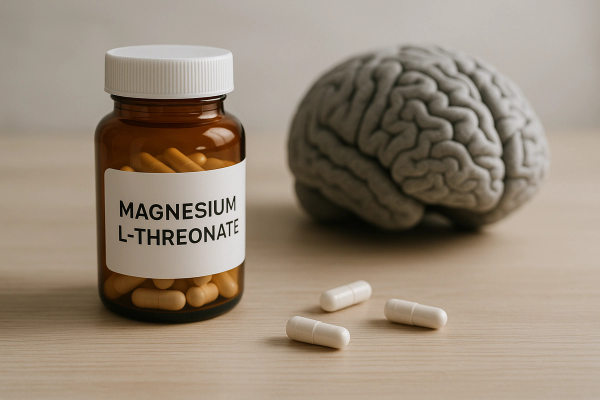
#India is amazing for wellness. Ayurveda, yoga, herbal oils, spices, chyawanprash, ashwagandha, triphala, turmeric milk, all of it has cultural history and some people genuinely benefit. I’m not anti-traditional medicine at all. My grandmother had home remedies for everything, and some were honestly comforting. But natural does not always mean safe, and mixing supplements with prescription medicines can be risky. Ashwagandha may not suit everyone, especially people with thyroid issues, autoimmune conditions, liver concerns, pregnancy, or those on sedatives. Turmeric supplements can interact with blood thinners. Some herbal products have been found globally to contain heavy metals or undeclared ingredients, though quality varies hugely. In 2026, wellness trends are full of gut-health powders, collagen, magnesium, “liver detox,” glucose hacks, NAD boosters, and longevity stacks. Some are fine, some are overpriced, and some are just vibes in a bottle. Buy supplements from reputable brands, look for FSSAI or appropriate licensing where relevant, and tell your doctor what you’re taking. Yes, even the herbal stuff.
The Heat, Storage, and Expiry Dates: Boring But Actually Important
#India’s climate can be brutal for medicines. Tablets left in a hot car, insulin carried around in a backpack during May, creams stored near a sunny window… not ideal. Many medicines say store below 25°C or 30°C, away from moisture and sunlight. That’s hard during Indian summers, but try. Don’t keep medicines in bathrooms because humidity is high. If you’re travelling between cities, use a small insulated pouch for temperature-sensitive medicines. For insulin, ask your doctor or pharmacist about safe travel storage and never freeze it. Eye drops often need careful handling after opening. Reconstituted antibiotic syrups for children may need refrigeration and expire quickly after mixing. This is one of those tiny details people miss because the pharmacy visit feels rushed. I’ve done it too. You get home, toss the bag on the table, and forget. But medicine only works properly if it’s stored properly. Annoying, but true.
Tourist Tummy, Mosquitoes, Air Pollution, and Other Very Indian Health Surprises
#If you’re visiting India for a short time, your likely pharmacy needs may be pretty predictable: ORS, paracetamol, mosquito repellent, sunscreen, basic bandages, antacid, motion sickness medicine, saline spray, and maybe a probiotic if your doctor says it suits you. Evidence on probiotics is mixed depending on strain and condition, so I don’t treat them like magic, but some people find them helpful with antibiotic-associated diarrhea. In cities with high air pollution, people with asthma, COPD, allergies, or heart disease should carry their inhalers and masks. Check air quality apps, especially in winter in North India. For mosquitoes, dengue and malaria risks vary by region and season, and dengue doesn’t have a simple cure you can buy at the pharmacy. Fever with severe body pain, rash, bleeding, persistent vomiting, or drowsiness needs medical attention. Also avoid ibuprofen or aspirin for unexplained fever until a doctor rules out dengue, because bleeding risk can be a concern. Paracetamol is usually preferred for fever, but dose it correctly.
When You Should Skip the Pharmacy and See a Doctor Right Away
#I’m all for self-care, but there’s a line. Go to a doctor or emergency department if you have chest pain, one-sided weakness, facial drooping, severe breathlessness, blue lips, fainting, seizures, severe allergic reaction, high fever with confusion, stiff neck, severe dehydration, blood in vomit or stool, severe abdominal pain, eye injury, animal bite, or a deep infected wound. For children, older adults, pregnant people, and people with cancer, kidney disease, liver disease, transplant history, uncontrolled diabetes, or immune suppression, don’t delay. India has emergency numbers like 112 in many places and ambulance services such as 108 in several states, though availability and speed can vary. Big private hospitals in metro cities usually have 24-hour pharmacies and emergency care. If you’re in a smaller town, ask locals which hospital is actually reliable. Not all “multispeciality” signs mean the same thing, and yeah, that’s awkward but true.
A Simple Pharmacy Checklist I Actually Use Now
#- Carry your prescription, or at least a photo of it, with generic names and doses clearly visible.
- Ask the pharmacist to confirm the active ingredient, strength, and how often to take it. Don’t be shy. It’s your body.
- Check expiry, storage instructions, and whether the medicine causes drowsiness or interacts with alcohol, driving, or other meds.
- Keep the bill and packaging until you finish the medicine. If you get side effects, this info helps the doctor.
Also, if the pharmacist substitutes a brand, ask whether it is the same molecule and same release type. This is especially important for extended-release tablets, inhalers, insulin, eye drops, and anything for heart, brain, hormones, or seizures. I know that sounds like a lot when you’re tired and sweaty and someone is honking outside, but it takes maybe thirty seconds. Those thirty seconds are worth it.
What I’d Tell My NRI Friend Before Their Next India Trip
#Pack your regular medicines. Don’t depend on finding everything after landing, even though you probably can. Bring prescriptions. Use reputable pharmacies. Don’t self-start antibiotics. Be careful with controlled medicines. Don’t buy suspiciously cheap “imported” products from random sellers. Ask for generic names. Respect Indian doctors and pharmacists, but also ask questions. If a medicine looks different from what you expected, pause and verify. And please don’t let relatives pressure you into taking five tablets from someone’s drawer because “same problem happened to me.” Indian families are loving, but we do have a national talent for informal prescribing. I say that with affection. Me and my family have done it too, and we’re trying to unlearn it.
Final Thoughts: India Makes Healthcare Feel Accessible, But You Still Deserve Safe Care
#Buying medicines in India can be easy, affordable, and genuinely helpful, especially compared with countries where healthcare costs make you want to cry into your insurance paperwork. But easy access should come with a little caution. The best approach is not fear, and it’s not careless confidence either. It’s that middle path: informed, calm, asking questions, keeping records, and knowing when to see a doctor. Health is personal. Travel makes it messier. Bodies behave weirdly when time zones, food, heat, stress, and family weddings collide. So be kind to yourself, carry the basics, and don’t be embarrassed if you need medical help while visiting. It happens. If you like reading practical, real-world wellness stuff without too much lecture-y energy, I’d casually point you toward AllBlogs.in too. I’ve found that kind of everyday health reading useful, especially when life gets busy and you just need someone to explain things normally.