If you’re choosing your first Iberia trip, here’s my honest take
#Portugal and Spain look close on the map, like neighbours you can cover in one easy Europe trip, no? That’s what I also thought sitting in India and scrolling through Lisbon tram photos, Barcelona streets, Porto sunsets, Madrid museums and all those dreamy white villages. But after actually travelling through both, I realised they feel very different on the ground. Same Iberian Peninsula, same Schengen visa zone, similar late dinners and tiled buildings, but the mood is not same at all.
If you’re an Indian traveller planning your first Iberia trip, the big question is usually this: should you start with Portugal or Spain? My short answer is this. Choose Portugal if you want a softer, slightly cheaper, slower, very scenic first trip with less pressure. Choose Spain if you want big-city energy, grand architecture, nightlife, museums, food variety, and more “Europe-Europe” drama in one go. But honestly, the best choice depends on your budget, travel style, food comfort, visa effort, and how much walking your knees can tolerate, because boss, Iberia is not kind to lazy legs.
I went in thinking Spain would win easily. Bollywood has made Spain feel almost personal for many Indians, thanks to Zindagi Na Milegi Dobara and all that road-trip fantasy. But Portugal quietly surprised me. Lisbon felt like Mumbai met Goa met old Europe, in some strange emotional way. Porto was even more charming. Spain, meanwhile, was bigger, louder, more layered, and sometimes more tiring. Beautiful, yes. But not always simple.
Portugal feels easier, Spain feels bigger
#This is the cleanest way I can explain it. Portugal is easier to “understand” on a first visit. Lisbon, Porto, Sintra, maybe Algarve if you want beaches, and you already have a very satisfying route. Distances are manageable, public transport is decent, people are generally warm, and the country has this laid-back rhythm that doesn’t make you feel like you’re failing if you skip something.
Spain is different. Spain is a whole buffet. Madrid, Barcelona, Seville, Granada, Cordoba, Valencia, Bilbao, San Sebastian, Malaga, Mallorca... arre how much will you do? Every region has its own personality, food, language influence, weather, architecture, even attitude. A first Spain itinerary can become overambitious very quickly. I met one Indian couple in Barcelona who were doing Madrid, Seville, Granada, Valencia and Barcelona in 8 days. They looked happy but also like they needed ORS.
Portugal is better for a slower first Iberia trip. Spain is better if you want variety and don’t mind a faster pace. For first-time Europe travellers from India, Portugal can feel less intimidating. For people who have already done places like Italy, France or Switzerland and want something grander, Spain might hit harder.
My personal feeling: Portugal charms you slowly. Spain grabs your collar and says, look properly, I have history, food, art, football, beaches, palaces, nightlife, everything.
Visa, flights and entry basics for Indian travellers
#For Indians, both Portugal and Spain are part of the Schengen Area, so you’ll generally apply for a short-stay Schengen visa depending on your main destination or first entry rule. If you spend more nights in Spain, apply through Spain. More nights in Portugal, apply through Portugal. If equal nights, usually first point of entry matters. Please don’t play jugaad here because immigration and visa officers are not impressed by “actually plan changed sir” type stories.
Flight-wise, Spain usually has more options from India because Madrid and Barcelona are major hubs. From Delhi, Mumbai, Bengaluru and other big Indian cities, you’ll often find one-stop flights via Middle East or European hubs. Portugal flights are also available, mostly into Lisbon or Porto with one stop, but sometimes prices are slightly higher or timings are odd. This changes a lot by season and airline sales, so compare both before getting emotionally attached to one country.
Typical return fares from India to Iberia can swing widely. In normal non-peak periods, I’ve seen fares roughly in the ₹45,000 to ₹75,000 range if booked early, but summer and Christmas can go mad. Spain may give you more fare options. Portugal sometimes gives better hotel value once you reach. So don’t only compare flight ticket. Compare total trip cost.
Budget: which one is cheaper, Portugal or Spain?
#Portugal is usually cheaper, but not always by a huge margin. Lisbon has become quite popular and accommodation prices have gone up over the years, especially in central areas. Porto still felt better value to me. Spain depends heavily on the city. Madrid can be reasonable for a capital, Barcelona can get expensive fast, Seville and Granada can be kinder, San Sebastian is lovely but not exactly budget-friendly.
For a mid-budget Indian traveller, excluding flights and shopping, I’d roughly plan like this: Portugal around €80 to €140 per person per day if sharing rooms and eating casual meals. Spain around €90 to €160 per person per day, more if Barcelona or peak summer is involved. Backpackers can do less, comfort travellers will do more. If you want private rooms, central stays, museum tickets, tapas hopping, day trips, airport transfers and some Uber laziness, the bill climbs quietly.
Accommodation is the biggest swing factor. Hostels in both countries may start around €25 to €45 for dorm beds in popular cities, sometimes more in peak season. Budget hotels or guesthouses may sit around €70 to €130 per night for a double room, while nicer boutique stays can go €150 and above easily. Lisbon and Barcelona especially punish late planners. Also, cheap hotel outside the centre is not always cheap if you spend daily on taxis or lose 40 minutes each way. I learnt this in Madrid when my “great deal” hotel made every dinner plan feel like a mini expedition. For this reason, I’d genuinely suggest reading a hotel-area guide like Hotel Location Checklist: How to Choose Where to Stay Before You Book AllBlogs category. Travel & Adventure Region scope: Global evergreen / Region-neutral / India-specific / Destination-specific. Global evergreen Why this scope was chosen. Hotel-location decisions apply globally and should not be narrowed to India. Search intent. Informational / travel planning Primary keyword. how to choose hotel location Natural search queries people may use. how to choose where to stay what to check before booking a hotel best hotel location for tourists Long-tail keywords. hotel location checklist before booking how to choose a hotel near public transport hotel area safety and convenience checklist SEO meta title. Hotel Location Checklist: Choose Where to Stay Smartly SEO meta description. Learn how to choose the best hotel location by checking transport, safety, noise, food access, airport transfers and total trip cost. Suggested URL slug. hotel-location-checklist-choose-where-to-stay Short description. A decision checklist that helps travelers avoid cheap hotels that cost more in time, taxis, stress, and poor sleep. Why this topic today. GSC shows travel planning and hotel/stay-related pages getting traction; Sanity has sleep/quiet hotel guides but not a full location decision checklist. GSC signal or adjacent GSC signal. Adjacent to hotel breakfast, refundable hotel booking, sleep tourism, quiet travel, and airport-to-city transfer signals. Why this fits AllBlogs. It is evergreen, practical, and useful for broad modern-living travel planning. Why this is not duplicate or cannibalizing. Existing hotel posts focus on sleep, food, refunds, or safety; this focuses on location choice before booking. Adjacent expansion reason. Expands from hotel comfort to pre-booking trip-friction prevention. Novelty score: High Cannibalization risk: Low AI SEO / AEO / GEO angle. Can win AI answers with a “map-check framework” and “central to your trip, not central to the city” decision model. CTR hook. “A cheap hotel can become expensive twice a day.” Demand signal. Web validation shows recent and evergreen search coverage for hotel-location decision checklists, and travel sites advise checking maps, walkability, transit, and points of interest before booking. before booking anything in Iberia.
Food: Portugal is comforting, Spain is more exciting
#Food is where Indians will have strong opinions, and I have mine also. Portugal is easier if you eat seafood, eggs, chicken and bakery items. Pastel de nata with coffee in Lisbon is dangerous because you’ll say “only one” and then suddenly two are gone. Bacalhau, grilled sardines, piri-piri chicken, caldo verde soup, bifana sandwiches, rice dishes... many flavours are mild but satisfying. And the bread, butter, olive oil situation is proper addictive.
Spain has more variety and more food culture drama. Tapas in Seville, churros with thick hot chocolate in Madrid, paella in Valencia, pintxos in Basque Country, jamón everywhere, tortilla española, patatas bravas, gazpacho, seafood, vermouth hours. Eating in Spain feels like an activity, not just meal time. But timing can confuse Indians. Lunch is late, dinner is later, and some restaurants open when your stomach has already started sending angry WhatsApp messages.
Vegetarians will survive in both, but Spain is slightly easier in bigger cities because of international food options and Indian restaurants. Barcelona and Madrid have plenty of vegan and vegetarian places now. Portugal also has options in Lisbon and Porto, but smaller towns may be limited. If you’re strict vegetarian or Jain, carry thepla, khakhra, ready poha, cup noodles, whatever your family approves. I’m not joking. It saves mood.
- Portugal food win: bakeries, seafood, coffee, simple meals, piri-piri flavours, cheaper casual eating.
- Spain food win: tapas culture, regional variety, late-night eating, better big-city vegetarian options.
- Indian stomach tip: both countries use olive oil and bread-heavy meals, so after 4 days you may crave dal-chawal like it’s oxygen.
Best months to visit Portugal and Spain
#Spring and autumn are best for both. April to June and September to October generally give pleasant weather, good walking conditions, and fewer crowds compared to peak summer. Portugal’s coast can be breezy, Lisbon hills are easier when it’s not too hot, and Porto feels magical in mild weather. Spain’s inland cities like Madrid, Seville and Cordoba can get extremely hot in summer, and I mean the kind of heat where you start respecting Indian summers in a new way.
July and August are popular but crowded and expensive, especially coastal Spain, Barcelona, Algarve and beach areas. If you’re tied to school holidays, book early and choose hotels with air-conditioning. Don’t assume Europe is cool in summer. Many old buildings have tiny lifts, stairs, and AC that works like it is doing you a favour.
Winter is not a bad idea if you’re budget-conscious. Lisbon, Porto, Madrid, Barcelona and Andalusia can be enjoyable, though rain is possible in Portugal and northern Spain. Christmas markets and lights are lovely, but daylight is shorter. For Indians who don’t want snow and freezing weather, southern Spain and Portugal in winter can be quite manageable.
Safety and comfort: both are safe, but keep your city brain on
#Portugal and Spain are generally safe for tourists, including Indian families, couples and solo travellers. I felt comfortable walking around most central areas, even at night in busy zones. But pickpocketing is real, especially in Barcelona, Madrid metro areas, Lisbon trams, crowded viewpoints, train stations and tourist streets. Not scary, just be alert. Don’t keep passport in back pocket like a hero. Don’t hang phone loose on café table. Don’t get distracted if someone suddenly asks for help while another person stands too close.
As an Indian traveller, I didn’t face anything majorly uncomfortable, but there were small moments. In Spain, bigger cities felt more anonymous. Nobody cared, which is good and bad. In Portugal, people felt slightly softer and more patient when I mispronounced things. English is common in tourist areas of both countries, especially hotels, restaurants and attractions, but don’t expect everyone to speak it in smaller neighbourhoods. Learn basic obrigado in Portugal, gracias in Spain, and please don’t say gracias in Lisbon and then wonder why the waiter smiled weirdly.
Women travellers should use usual precautions, especially late-night transport and empty streets. Public transport is safe but crowded routes need attention. Also, travel insurance is not optional in my view. For Schengen visa, insurance is usually required anyway, but take it seriously. Europe healthcare costs can hurt more than your shopping bill.
Transport: Spain wins for network, Portugal wins for simplicity
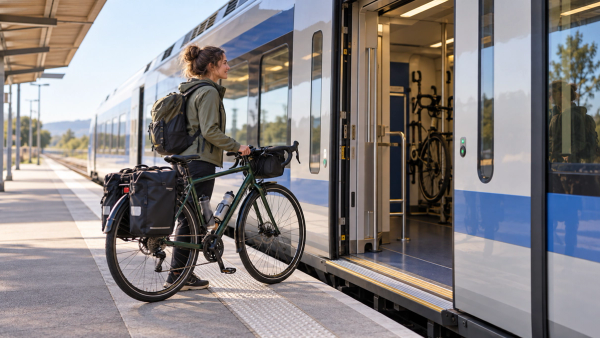
#Spain has a fantastic train network, especially between major cities. High-speed trains connect places like Madrid, Barcelona, Seville, Valencia and Malaga, and if you book early, fares can be surprisingly decent. Buses are also good for smaller routes. Metro systems in Madrid and Barcelona are efficient, though Barcelona’s tourist crowds can test your patience.
Portugal’s transport is simpler. Lisbon and Porto have metro systems, trams, buses and trains. Lisbon to Porto by train is easy, and day trips to Sintra, Cascais, Braga, Guimarães and Aveiro are very doable. But if you want Algarve villages or deep countryside, a car helps. I didn’t rent a car because driving on the opposite side, parking stress, toll roads and Indian licence paperwork made me go “bas rehne do”. But many travellers do road trips and love it.
Within cities, walking is the real transport. Lisbon has hills that look cute on Instagram but punish calves. Porto also has slopes. Spanish cities like Madrid are walkable but spread out, Barcelona is easier if you plan by neighbourhood, and Seville is lovely for strolling. Good shoes matter more than that extra fancy outfit. I packed one stylish pair and regretted it by day two.
Culture and vibe: what feels more special?
#Portugal feels melancholic in a beautiful way. There’s fado music, tiled walls, ocean light, old trams, viewpoints, elderly people sitting near windows, laundry hanging between buildings. It has sukoon. Lisbon is busy but still somehow soft around the edges. Porto feels romantic without trying too hard. Even when Portugal is crowded, it doesn’t usually feel as aggressive as big Spanish tourist zones.
Spain feels more confident. Madrid has that capital-city swagger. Barcelona has architecture that doesn’t behave normally, thanks to Gaudí and Catalan modernism. Andalusia has Moorish palaces, orange trees, flamenco, white towns, and evenings that make you slow down without permission. Spain is culturally richer if you measure by variety. Portugal is emotionally richer if you like atmosphere and slower travel. See, this is where I contradict myself, because Spain also has emotional places like Granada and Seville, but Portugal touched me faster.
For Indian travellers, Spain may feel more familiar in its energy. People talk loudly, eat late, streets stay alive, families are out, children are everywhere, plazas feel like community spaces. Portugal feels like a quieter cousin who writes poetry and serves excellent coffee.
First-time itinerary ideas: how I’d plan it now
#If you have 7 days and this is your first Iberia trip, don’t try to do both countries unless you are okay with rushing. Yes, Lisbon to Madrid or Porto to Barcelona flights exist, and trains plus flights can connect everything, but first trips are nicer when you actually absorb the place. I know it’s tempting because Schengen visa feels like “paisa vasool karo”, but too many cities can turn into airport-transfer tourism.
Portugal 7-day route
#- Days 1-3: Lisbon, including Alfama, Baixa, Chiado, Belém, viewpoints and maybe a fado evening.
- Day 4: Sintra day trip, with Pena Palace or Quinta da Regaleira. Start early because crowds can get heavy.
- Days 5-7: Porto, with Ribeira, Dom Luís I Bridge, Vila Nova de Gaia, bookshops, river views and maybe a day trip to Braga, Guimarães or Douro Valley.
This route is not too hectic and gives a lovely mix of city, coast, castles and river views. Lisbon airport in, Porto airport out works nicely if flights match. Otherwise, train back to Lisbon.
Spain 7-day route
#- Option 1: Madrid 3 days, Seville 2 days, Granada or Cordoba 2 days. Best for history, food and Andalusian charm.
- Option 2: Barcelona 4 days, Madrid 3 days. Best for first-timers who want famous sights and easy connectivity.
- Option 3: Madrid, Seville, Granada in a slower loop. Honestly, this is my favourite if you care about culture more than beaches.
Spain needs more planning because attraction tickets can sell out, especially famous places like the Alhambra in Granada and Sagrada Família in Barcelona. Book key tickets early. Also check museum closing days and train timings before locking hotels.
Lesser-known spots that made the trip better
#In Portugal, don’t only chase Lisbon tram photos. I loved simply walking in Graça and watching the city from miradouros. The tile museum in Lisbon is underrated if you like design and history. In Porto, cross the bridge to Gaia in the evening and just sit with the river view. Aveiro is touristy but cute, especially if you want a relaxed half-day. Coimbra is great if you like university towns and old libraries, though it needs time.
In Spain, Seville’s Triana neighbourhood felt more local than the main tourist core. Cordoba’s patios and small lanes are gorgeous beyond the famous mosque-cathedral. In Madrid, I liked just hanging around Lavapiés and Malasaña more than ticking every museum, though Prado is world-class. Barcelona has quieter corners too, but you need to escape Las Ramblas quickly. That street is famous, yes, but also full of tourist traps and pickpocket tension. Go, see, leave.
Btw, if you enjoy comparison-style planning, the same confusion happens with other first trips too. I had similar “which one first?” debates while reading about Sri Lanka vs Vietnam: Which First Trip Is Better?, because budget, food, beaches and transport can totally change your decision. Iberia is no different.
Portugal vs Spain for different Indian traveller types
#For honeymoon couples, Portugal is a lovely choice if you want scenic walks, boutique stays, wine, sunsets and less chaos. Lisbon plus Porto plus Sintra can feel romantic without trying too hard. Spain is better if you want a more energetic honeymoon with nightlife, beaches, flamenco, luxury hotels and big experiences. Barcelona plus Seville or Mallorca can work beautifully, but it will cost more.
For families with parents, I’d choose Spain only if you keep the itinerary slow and stay central. Spain has more grand sights and better train links, but it also involves lots of walking and late meal timing. Portugal is gentler, though Lisbon’s hills can be tough for elders. Choose hotels near metro or flat areas. Don’t book a charming old apartment on the fourth floor without lift. Very charming until your suitcase and your mother both start complaining.
For solo travellers, Spain has more hostels, events, walking tours and nightlife. Portugal also has a strong solo travel scene, especially Lisbon and Porto, but it feels more chilled. For budget backpackers, Portugal slightly wins. For art and history lovers, Spain wins. For beach-first travellers, both are good, but Spain has more variety while Portugal’s Atlantic beaches can be windier and cooler than Indians expect.
If your next big dream is East Asia instead of Europe, you might also like this comparison on Japan vs South Korea Travel: Which First Trip Is Better?, because that same budget-versus-comfort debate comes up there also.
So, which first Iberia trip is better?
#If I had to recommend only one for a first-time Indian traveller, I’d say Portugal for a relaxed 7-day first Iberia trip. It is easier, slightly cheaper, beautiful without being overwhelming, and the Lisbon-Porto-Sintra combination gives you a lot without making you run like you’re catching Mumbai local in peak hour. Portugal is also great if you’re nervous about your first Schengen trip and want something manageable.
But if you’re the kind of traveller who wants maximum variety, iconic attractions, strong nightlife, big museums, football culture, flamenco, tapas, and different regions in one country, Spain is the better first trip. It feels more complete in a grand European sense. You can spend two weeks in Spain and still feel like you barely scratched the surface. That’s exciting, but also dangerous for overplanners.
My own heart leans Portugal for mood and Spain for memories. Portugal made me slow down. Spain made me look up. Portugal was coffee and river light. Spain was plazas, palaces and late-night plates of food I didn’t fully understand but happily ate. See the problem? Both are worth it.
Final verdict from one Indian traveller to another
#Pick Portugal if your budget is tighter, your trip is shorter, you want calmer cities, and you like scenic walks, cafés, coastlines and old-world charm. Pick Spain if you want a more powerful first European holiday with famous cities, dramatic history, better regional variety and stronger food culture. If you have 12 to 14 days, combine both, but keep it simple: Lisbon, Porto, Madrid and Seville, or Lisbon, Madrid and Barcelona. Don’t add seven cities just because Google Maps says it is possible.
Also, whatever you choose, book central stays, wear proper shoes, keep your passport safe, check attraction tickets early, and don’t underestimate meal timings. Carry a little Indian snack backup because one rainy evening in Porto or late-night Madrid hunger can make even the most adventurous traveller whisper, “yaar, Maggi hoti toh...”
For me, Iberia was not about choosing the “better” country. It was about choosing the right first mood. Portugal is a warm introduction. Spain is a full performance. Start with the one that matches your travel personality, and leave the other for next time. Because trust me, once you go that side of Europe, you’ll start planning the return before your flight even lands back in India. For more such real-world travel comparisons and practical planning ideas, I usually keep browsing AllBlogs.in when I’m plotting my next escape.