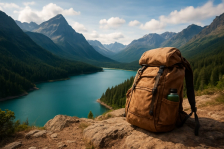
Ahmedabad has many good things going for it: food, business energy, old-city charm, garba nights, and weekend drives that somehow always begin with “bas nikal jaate hain.” What it doesn’t have is forgiving summer weather. By April and May, even a short walk at 3 pm can feel like a test of character. That’s when the idea of a small hill station near Ahmedabad starts looking less like a luxury and more like common sense.
The honest bit? Gujarat doesn’t have a long list of classic Himalayan-style hill stations. But within a practical driving radius, you do get forested hills, tribal villages, old forts, plateau roads, waterfalls in monsoon, and a few proper cool-weather getaways. Some are ideal for one night, some need a long weekend, and some are better treated as “hill-side nature breaks” rather than full-fledged hill stations. If you plan with that expectation, these places are genuinely refreshing.
This guide is written for Ahmedabad travellers who want realistic options: where to go, how far it is, what the roads are like, what stays cost, when to avoid crowds, and what kind of trip each place suits. I’ve included popular names like Mount Abu and Saputara, but also smaller, less noisy escapes like Polo Forest, Idar, Wilson Hills and Don Hill Station.
Quick Comparison: Which Hill Station Near Ahmedabad Should You Pick?
#| Place | Approx. distance from Ahmedabad | Best for | Ideal duration | Typical stay budget |
|---|---|---|---|---|
| Mount Abu, Rajasthan | 225–240 km | Cool weather, lake, viewpoints, easy family trip | 1–2 nights | ₹1,500–₹8,000+ per night |
| Polo Forest, Gujarat | 150–160 km | Forests, ruins, river, quiet nature break | Day trip or 1 night | ₹1,200–₹5,000 per night |
| Idar, Gujarat | 110–120 km | Granite hills, short hikes, heritage feel | Day trip | Limited stays; better from Ahmedabad/Himmatnagar |
| Saputara, Gujarat | 400–420 km | Proper hill-station vibe, lake, monsoon views | 2–3 nights | ₹1,800–₹9,000+ per night |
| Wilson Hills, Gujarat | 360–380 km | Cloudy monsoon drives, quiet viewpoints | 2 nights | ₹1,500–₹6,000 per night nearby |
| Don Hill Station, Gujarat | 430–450 km | Offbeat tribal belt, slow travel, nature | 2–3 nights | Basic stays/homestays from ₹1,000–₹3,500 |
| Pavagadh-Champaner, Gujarat | 150–160 km | Hill temple, UNESCO heritage, ropeway | Day trip or 1 night | ₹1,500–₹5,000 nearby |
| Toranmal, Maharashtra | 450–480 km | Remote plateau, lake, low crowd | 3 nights | ₹1,000–₹4,000 per night |
Distances can vary depending on your exact starting point in Ahmedabad and the route you take. For weekend planning, the bigger factor is not just kilometres but road quality, traffic around city exits, ghat sections, and whether you’re travelling during monsoon or a holiday rush.
1. Mount Abu: The Easiest “Proper Hill Station” from Ahmedabad
#If someone in Ahmedabad says “hill station,” the first name that usually comes up is Mount Abu. It’s the most straightforward cool-weather escape from the city: close enough for a Friday-night plan, developed enough for families, and scenic enough to feel like you’ve actually changed altitude. The drive via Palanpur and Abu Road is familiar to many Gujaratis, and the last climb after Abu Road gives that satisfying hill-station feeling with bends, trees, monkeys on the roadside, and sudden drops in temperature.
Mount Abu works best when you don’t overload the itinerary. Nakki Lake is touristy, yes, but an evening walk there still has charm, especially on a weekday. Guru Shikhar is worth it for the height and breeze, though the approach road can get busy. Dilwara Temples remain one of the finest reasons to visit, not just for religion but for the marble craftsmanship. Sunset Point and Honeymoon Point are enjoyable if you go early and avoid peak crowd hours.
Accommodation is available across budgets. Basic hotels and guesthouses often start around ₹1,500–₹2,500 on normal weekdays, while decent family hotels sit around ₹3,000–₹6,000. Boutique resorts and better-view properties can go much higher on weekends, long holidays, Christmas-New Year, and summer school vacation dates. Book early if you’re travelling in May, Diwali, or around New Year. Last-minute rooms exist, but value drops sharply when the town is packed.
Food is easy for Ahmedabad travellers because vegetarian options are everywhere. You’ll find Gujarati thalis, Rajasthani meals, Punjabi restaurants, street snacks, tea stalls, and basic café-style food. Don’t expect every café to match big-city standards, but a hot plate of poha, pakora, Maggi or dal-baati after a chilly evening walk does the job. For families with senior citizens or kids, Mount Abu is the safest bet on this list because transport, food, medical help, ATMs and hotels are relatively easy to access.
Local tip: If you want Mount Abu without the full crowd experience, travel Sunday to Tuesday or pick a non-holiday winter weekend. The same lake, same hills, and same sunset feel much better when you’re not negotiating parking every ten minutes.
2. Polo Forest: The Best Short Nature Escape from Ahmedabad
#Polo Forest is not a hill station in the classic sense, but for Ahmedabad people wanting greenery, rocks, riverbeds and a forested drive without taking leave from work, it’s one of the best short escapes. Located near Vijaynagar in Sabarkantha district, it sits among the Aravalli landscape with old temples, ruins, check dams, forest patches, and quiet village roads. In monsoon and post-monsoon, the whole area turns surprisingly green.
This is the kind of place where you leave Ahmedabad early, stop for breakfast near Himmatnagar, reach by mid-morning, walk around the heritage ruins, sit by the Harnav river area if water levels and local access allow, and spend the afternoon doing very little. That “doing very little” is exactly the point. Polo Forest is good for people who are tired of malls, cafés and highway restaurants, and just want trees, stones, silence and clean air.
Roads are usually manageable for cars and bikes, though the last stretches may have broken patches after rains. During heavy monsoon spells, avoid wandering close to flowing water, slippery rocks or isolated forest tracks. Mobile network can be patchy in pockets, so download maps offline. Forest rules and access restrictions can change based on season, local administration and conservation requirements, so it’s wise to check locally before planning camping, night stays or group activities.
Stays around Polo Forest include forest-style resorts, eco camps, farm stays and basic guesthouses near Vijaynagar/Himmatnagar side. Expect roughly ₹1,200–₹3,000 for simple rooms and ₹3,500–₹5,000 or more for nicer resort-style stays with meals, especially on weekends. If you’re particular about cleanliness, call ahead, ask for recent photos, and confirm food arrangements. Many properties are not walkable from attractions, so having your own vehicle is a big advantage.
3. Idar: Granite Hills, Old Steps and a Surprisingly Good Day Trip
#Idar is one of those places Ahmedabad travellers often cross on the way to somewhere else, without realising it can be a rewarding day trip by itself. The town is known for its dramatic granite boulders and hill formations, giving it a different look from the greener forests of Polo or the lake-side vibe of Mount Abu. It’s dry, rugged, photogenic, and especially beautiful during winter mornings or after a spell of rain.
The main attraction is the Idar fort area and the climb through old steps, rocks and heritage remains. It’s not a polished tourist circuit, which is part of the appeal, but it also means you should go prepared. Wear proper shoes, carry water, and don’t attempt random rock climbing unless you know what you’re doing. The stone heats up quickly in summer, so avoid late morning and afternoon climbs from March onwards.
For Ahmedabad-based travellers, Idar is best done as an early-start day trip. Leave around 6 am, breakfast on the highway, explore before the sun becomes harsh, have lunch in town or near Himmatnagar, and return by evening. Accommodation options in Idar are limited compared to Mount Abu or Saputara, so unless you have a specific reason to stay, it’s simpler to sleep back in Ahmedabad. Photographers, heritage lovers and people who enjoy short hikes will enjoy it most.
4. Saputara: Gujarat’s Classic Hill Station, Best for a Long Weekend
#Saputara is Gujarat’s most recognised hill station and feels more like a complete holiday destination than a quick picnic spot. From Ahmedabad, it’s a longer drive, usually taking most of the day depending on route, breaks and traffic. That distance is exactly why it deserves at least two nights. If you go all the way and return the next day, you’ll spend more time on the road than in the hills.
The town sits in the Dang district near the Maharashtra border, with a lake, viewpoints, gardens, ropeway, boating, tribal museum, local markets and access to nearby nature spots. In monsoon, Saputara becomes lush and misty, and the drive through the Dangs can be beautiful. This is also the season when the popular Saputara Monsoon Festival is usually organised, with cultural programmes, local food, art, adventure activities and tourism events. Dates and schedules can change each year, so check Gujarat Tourism updates before booking around festival time.
Saputara is good for families, couples, friend groups and first-time hill-station travellers. Sunrise Point, Sunset Point, Governor’s Hill, Saputara Lake and the ropeway are the common stops. If you have your own vehicle, add Gira Falls or nearby Dang villages depending on season and local road conditions. Gira Falls is most impressive during monsoon and just after, but heavy rain can also mean slippery paths and restricted access. Don’t ignore local warnings near waterfalls; every year, avoidable accidents happen because people get too close for photos.
Hotels in Saputara range from budget lodges to Gujarat Tourism properties and private resorts. Basic rooms may start around ₹1,800–₹3,000 on regular days, while better hotels and lake-facing or resort-style properties can range from ₹4,000–₹9,000 or more during peak weekends. Food is mostly simple and vegetarian-friendly, with Gujarati, Punjabi, South Indian snacks, bhutta, tea, Maggi and local seasonal items. If you like local culture, look for Dang handicrafts, bamboo items and tribal art rather than only buying standard tourist souvenirs.
5. Wilson Hills: Mist, Viewpoints and a Quieter South Gujarat Break
#Wilson Hills, near Dharampur in Valsad district, is a quieter hill escape compared to Saputara. It doesn’t have the same level of tourist infrastructure, which can be a plus if you’re looking for a slower trip. The region is known for viewpoints, forested roads, monsoon clouds and a pleasantly old-school feel. For Ahmedabad travellers, it’s not exactly nearby, but it works well if you combine it with Valsad, Dharampur or a South Gujarat circuit.
The best time for Wilson Hills is monsoon to early winter. During rains, the entire belt becomes green and atmospheric, with clouds moving across the road and viewpoints opening suddenly. The trade-off is visibility: some days you’ll get wide views, some days you’ll get only mist. That’s not a bad thing if you enjoy the mood of the hills, but don’t plan every minute around perfect photos.
Stay options are better around Dharampur and Valsad than right on the hill, though small resorts and homestays are available in the wider area. Expect simple stays from around ₹1,500–₹3,000 and better nature resorts from ₹3,500–₹6,000 or more depending on facilities and season. Food is local and basic outside resort kitchens, so carry snacks, water and any specific medicines. This is not the place to demand late-night café culture; it’s a place to slow down, wake up early and enjoy the air.
6. Don Hill Station: Offbeat, Tribal and Still Under the Radar
#Don Hill Station, also in the Dang region, has become more visible in Gujarat travel conversations over the last few years, but it’s still far less commercial than Saputara. It sits near the Gujarat-Maharashtra border and appeals to travellers who like quiet roads, tribal villages, small viewpoints and a sense of being away from the standard tourist route. From Ahmedabad, it is a long drive, so plan it only if you’re comfortable with slow travel.
Don is not about ticking ten attractions. It’s about the landscape, the drive, local interactions, and the feeling of being in a lesser-known part of Gujarat. The area has a strong tribal culture, and travellers should be respectful with photography, dress modestly in villages, and avoid treating local homes or people as tourist props. Buying local produce or crafts, eating at small places where available, and hiring local guidance when needed are better ways to support the area.
Accommodation is limited compared to Saputara. You may find basic homestays, village stays, government or tourism-linked options depending on availability, and simple private rooms in the wider Dang belt. Prices can vary widely, but don’t expect luxury. Confirm bedding, attached bathroom, meals, parking and network availability before paying. Monsoon makes the region beautiful, but roads can be tricky in heavy rain, especially for low-ground-clearance cars. Winter is easier for relaxed driving.
7. Pavagadh-Champaner: Hill, Temple and Heritage in One Day
#Pavagadh is more of a pilgrimage and heritage hill than a cool hill station, but it deserves a place here because it gives Ahmedabad travellers a satisfying hill climb without going too far. The hill is home to the Kalika Mata Temple, and the surrounding Champaner-Pavagadh Archaeological Park is a UNESCO World Heritage Site with mosques, stepwells, fortifications and old urban remains. If you like mixing devotion, history and light adventure, this is one of Gujarat’s strongest day trips.
The ropeway has made the temple visit easier for many travellers, though you may still need to walk and climb depending on crowd and access. On weekends, Navratri, full-moon days and major religious dates, crowds can be heavy. Start early if you want a smoother experience. The hilltop can get hot outside winter and monsoon, so carry water and avoid pushing elderly family members into a rushed climb.
The heritage side is often ignored by people who visit only the temple. If you have time, keep a few hours for Champaner’s monuments. The stone architecture, old gateways and quiet corners are genuinely impressive. Local food is simple: tea, snacks, Gujarati meals and highway restaurants on the Vadodara-Halol side. For overnight stays, Vadodara, Halol and nearby resorts offer more reliable options than trying to stay too close without checking standards.
8. Toranmal: Remote Plateau for Travellers Who Don’t Mind the Distance
#Toranmal in Maharashtra is one of the more remote options from Ahmedabad, and it’s not for everyone. The distance is long, the route needs patience, and infrastructure is limited. But if you like lesser-crowded plateau landscapes, lakes, viewpoints and a break from overbuilt hill stations, Toranmal can be rewarding. It’s better for experienced road-trippers than first-time family travellers looking for comfort and convenience.
The main spots include Yashwant Lake, viewpoints, forested patches and quiet roads. The mood is rustic rather than polished. You won’t find the hotel variety of Mount Abu or Saputara, so expectations matter. Basic lodges and simple hotels may start around ₹1,000–₹2,500, with better options limited and seasonal. Call before going, confirm food availability, and avoid arriving late at night without a confirmed room.
Toranmal is best planned as a three-night trip or as part of a larger Maharashtra-Gujarat road circuit. Winter is the easiest season. Monsoon is scenic but can complicate driving, and summer may not give the cool relief you’re hoping for. For Ahmedabad travellers, this is the “I’ve already done Abu and Saputara” choice, not the first recommendation.
Best Time to Visit These Hill Stations Near Ahmedabad
#Season can completely change your experience. The same destination that feels magical in August may feel dry and ordinary in April. For most Ahmedabad travellers, the best months are July to February, but the right choice depends on what you want.
- Monsoon, July to September: Best for Polo Forest, Saputara, Wilson Hills, Don and the Dang region. Expect greenery, waterfalls and mist, but also slippery roads, leeches in some forested patches, sudden closures near water bodies, and lower visibility.
- Post-monsoon, October to November: A very good window. The landscape is still green, roads are usually more manageable, and the weather starts becoming comfortable. This is ideal for families and photographers.
- Winter, December to February: Best for Mount Abu, Idar, Pavagadh and long drives. Mornings and nights can be cold in Mount Abu and Saputara, so carry layers. Winter weekends get busy, especially around Christmas and New Year.
- Summer, March to June: Mount Abu and Saputara are the most useful choices if you want temperature relief, but peak summer also means crowds and higher hotel rates. Idar, Pavagadh and Polo can be harsh in the afternoon.
Transport: Self-Drive, Bus, Train or Bike?
#For most small hill stations near Ahmedabad, a self-drive car is the most convenient option. It gives you control over breakfast stops, viewpoint breaks, village detours and return timing. Roads to Mount Abu, Polo Forest, Idar and Pavagadh are manageable for regular cars, though monsoon patches can be rough. For Saputara, Wilson Hills and Don, the drive is longer, so rotate drivers if possible and avoid starting after a full workday unless you’re used to night highway driving.
Buses are available for bigger destinations like Mount Abu, Saputara side routes, Vadodara/Halol for Pavagadh, and towns near the Dang belt, but last-mile transport can become inconvenient. Trains work well up to Abu Road for Mount Abu and Vadodara for Pavagadh. From Abu Road, taxis and shared vehicles are available for the climb to Mount Abu. For Saputara, rail connectivity is usually via nearby Maharashtra or South Gujarat stations, followed by road transport, but direct convenience depends on current schedules.
Bike trips are popular, especially to Polo, Idar, Mount Abu and Pavagadh. They’re fun in winter and post-monsoon, but be careful in peak monsoon. Wet ghats, low visibility, cattle on roads, loose gravel and weekend traffic can turn a casual ride risky. Wear proper riding gear, not just a helmet for police checking. Also, don’t underestimate fatigue on the return ride to Ahmedabad after a full day of walking or climbing.
Where to Stay: Practical Booking Advice for Indian Travellers
#Accommodation around these hill stations has become more varied, but quality is uneven. A ₹4,000 room in one place may feel excellent, while the same price elsewhere may only get you a basic room with a view. Always read recent reviews, not just overall ratings. Check photos posted by travellers, confirm parking, hot water, lift access for seniors, meal timings, and whether the property is actually near the main attraction or 15 km away on a village road.
For Mount Abu and Saputara, book in advance for long weekends, school holidays and festival periods. For Polo Forest, Don and Wilson Hills, call the property directly even if you book online, because smaller stays sometimes have inventory mismatches. If you’re travelling as a family, ask about extra mattress charges and food packages. If you’re travelling as a couple, especially to smaller towns, choose well-reviewed properties to avoid awkward check-in surprises.
A realistic budget for a two-night hill break from Ahmedabad can vary a lot. A budget couple trip to Mount Abu or Saputara by own car may fit around ₹8,000–₹15,000 excluding shopping, while a comfortable family trip with a better hotel can easily cross ₹25,000–₹40,000 depending on room category and season. Polo and Idar day trips can be much cheaper if you skip overnight stays.
Food to Expect: From Highway Breakfast to Local Plates
#One of the pleasures of travelling from Ahmedabad is that the journey itself comes with food stops. On routes towards Himmatnagar and Palanpur, you’ll find plenty of options for fafda-jalebi, thepla, poha, paratha, tea, khaman and full Gujarati meals. The Vadodara side is also easy for snacks and thalis. South Gujarat routes towards Saputara, Wilson Hills and Don bring in a slightly different food mood, with more tribal and Maharashtrian influence in pockets.
In the Dang region, try local seasonal food where available, but keep expectations simple. Nagli or ragi-based items, local vegetables, bamboo-related preparations in some tribal belts, and homestyle meals are more meaningful than hunting for fancy restaurants. In Mount Abu, you’ll get the broadest range: Gujarati, Rajasthani, Punjabi, Jain food, street snacks and café food. At Pavagadh and Polo, food is more basic, so carrying fruits, dry snacks and water helps.
A small but useful rule: don’t delay lunch too much in offbeat areas. Many local kitchens close between meal times or cook only on order. If your hotel includes dinner, confirm the time. Hill and forest destinations are not ideal for late-night food hunting, especially with family.
Safety Updates and Common-Sense Cautions
#Most of these destinations are safe for regular travellers, but the risks are usually practical rather than dramatic: bad weather, careless driving, slippery rocks, poor lighting, weak mobile network, and crowd mismanagement on peak days. Before travelling in monsoon, check weather alerts for the district you’re visiting. If there is heavy rainfall, avoid waterfalls, river crossings, low bridges and isolated forest tracks. A scenic reel is not worth taking chances near fast water.
- Keep offline maps downloaded, especially for Polo Forest, Don, Wilson Hills and Toranmal.
- Carry cash for smaller villages, parking, snacks and local guides. UPI works widely but not everywhere, especially when networks drop.
- Do not feed monkeys at Mount Abu, Pavagadh or roadside ghat sections. It creates aggressive behaviour and can damage your vehicle.
- Start early for day trips. Returning tired after sunset is when many small highway mistakes happen.
- For temple visits, check ropeway timings, crowd conditions and footwear arrangements in advance where relevant.
- Avoid loud music, littering and alcohol nuisance in forest or tribal areas. Local communities are welcoming, but disrespectful tourism is noticed quickly.
Suggested Itineraries from Ahmedabad
#If you only have one day, choose Idar, Polo Forest or Pavagadh. Idar is best for a short hike and rugged views. Polo is better for greenery and a slower nature outing. Pavagadh is ideal if your family wants a temple visit plus heritage. Leave before sunrise, keep the plan light, and avoid trying to combine too many places in one day.
For a one-night trip, Mount Abu is the easiest choice. Start early on Saturday, reach by lunch, visit Dilwara Temples and Nakki Lake, enjoy sunset, stay overnight, do Guru Shikhar or a viewpoint the next morning, and return after lunch. Polo Forest also works well for one night if you want a quieter stay, especially in post-monsoon or winter.
For two to three nights, Saputara is the strongest option from Gujarat. Give yourself enough time to enjoy the lake, viewpoints, ropeway, nearby waterfalls in season, and Dang culture without rushing. Wilson Hills and Don are better for travellers who are comfortable with fewer facilities and more road time. Toranmal should be reserved for those who actively enjoy remote trips.
My Pick: Where I’d Go Depending on My Mood
#For a no-risk family break, I’d pick Mount Abu. It’s familiar, convenient and still enjoyable if you choose the right dates. For a quick recharge without spending too much, Polo Forest is hard to beat. It has that rare quality of feeling far from Ahmedabad even though it isn’t actually far. For monsoon drama, Saputara and the Dang belt win, especially if you can travel on weekdays and avoid the biggest crowds.
Idar is the underrated one. It won’t give you a resort holiday, but it gives you texture: old stones, quiet climbs, dry hills and a sense of local history. Wilson Hills and Don are for slower travellers who don’t need everything packaged. And Pavagadh is the place to take parents or relatives when you want a trip that feels meaningful, not just scenic.
The main thing is to match the destination with your travel style. Don’t go to Don expecting Mount Abu’s hotel scene. Don’t go to Polo expecting a cold hill-station climate. Don’t go to Saputara for one rushed night and complain that it’s too far. These places work beautifully when you respect their pace.
Final Thoughts: Small Hills, Big Weekend Value
#Ahmedabad travellers don’t always need to fly to Himachal or plan a full Kerala vacation to breathe better for a few days. The hills and forest belts around Gujarat, Rajasthan and nearby Maharashtra can offer exactly what a tired city mind needs: cooler air, slower mornings, chai with a view, a short climb, a quiet road, and maybe a plate of hot bhajiya when the rain starts.
If this is your first hill break from Ahmedabad, start with Mount Abu, Polo Forest or Saputara. Once you’ve done the usual circuit, add Idar, Wilson Hills, Don or Toranmal for something quieter. Travel early, book smart, check the weather, respect local places, and keep your plan flexible. That’s usually the difference between a tiring road trip and a genuinely refreshing one.
For more practical Indian travel guides, weekend ideas and destination planning help, you can keep exploring AllBlogs.in before you finalise your next escape.
Related reading
#For more context, read Hill-Station Breakfast in Indian Monsoon, Travel & Adventure, Almaty With Kids for Indian Families: Safety Guide, Arunachal Pradesh Monsoon Travel: ILP & Road Safety, and Filter vs Insulated vs Collapsible Travel Bottles.