Trying to work out the best time to visit Sicily and Malta? The honest answer is: it depends on the kind of trip you’re dreaming about.
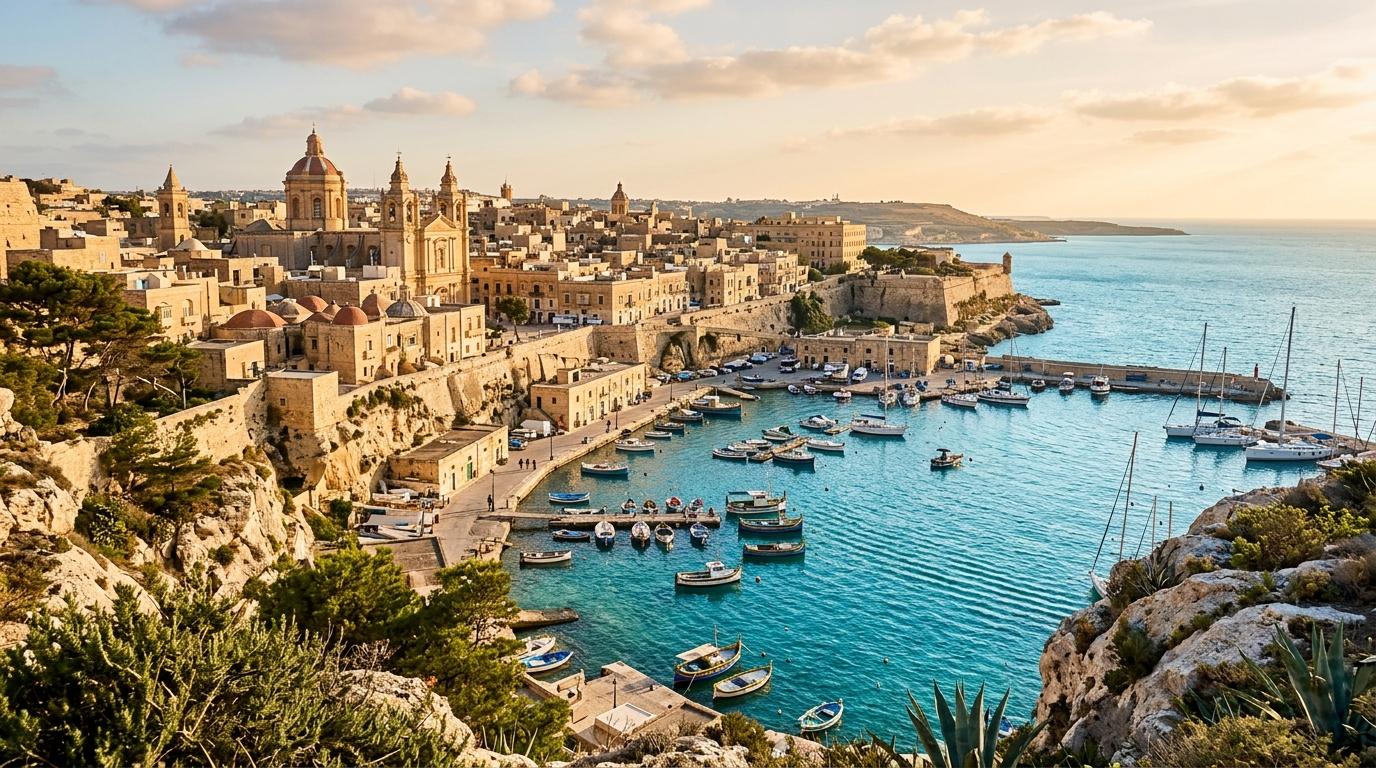
Sicily and Malta sit surprisingly close to each other in the Mediterranean, only about 80 kilometers apart at their nearest points, so combining them in one itinerary makes a lot of sense. Together, they give you old cities, sea views, ancient ruins, fishing villages, boat trips, markets, golden-stone streets, and long meals that somehow turn into the main event of the day.
But they don’t feel the same in every season.
If you want warm water, beach clubs, boat days, and long summer evenings, summer is the obvious choice. If you want to wander through Valletta, Palermo, Mdina, Syracuse, Taormina, and archaeological sites without feeling completely drained by the heat, spring and autumn are much easier. And if you’re looking for lower prices, quieter streets, and a more local feel, winter can be surprisingly lovely, as long as you’re not expecting a beach holiday.
Of course, weather is never guaranteed. Heatwaves, wind, rain, and cooler spells can happen. But the seasonal patterns are reliable enough to help you choose the right time for the trip you actually want.
Quick Answer: Best Months to Visit Sicily and Malta
#If you just want the short version, here it is.
- Best overall months: May, September, and OctoberThese months usually offer the best balance of pleasant weather, open restaurants and tours, possible beach time, and crowds that don’t feel overwhelming.
- Best beach months: Mid-June through SeptemberThe sea is warmer, boat trips are running more regularly, and beach days are much more reliable. For many travelers, September is the nicest beach month.
- Best sightseeing months: April, May, October, and early NovemberThese are much better for walking around cities, ruins, old towns, markets, and coastal paths.
- Best value and lower-crowd months: November to FebruaryExpect cooler weather and a higher chance of rain, but also quieter streets, better prices, and a more local atmosphere. Some seasonal beach businesses may close or reduce hours.
- Months to avoid if you hate heat and crowds: July and AugustThese months can be hot, busy, and expensive, especially around beaches, resorts, and famous sights.
- Best time for a combined Sicily and Malta trip: May, September, and OctoberThese months work well for both islands and are ideal for a mix of beaches, food, culture, and exploring.
Sicily vs Malta: Timing Differences
#Sicily and Malta are close, but they don’t always feel the same when you’re actually there.
Malta is smaller, denser, and easier to cover. You can stay in one base and visit Valletta, Mdina, the Three Cities, Sliema, St Julian’s, Gozo, and several beaches without constantly changing hotels. That’s one of Malta’s biggest advantages.
But because Malta is compact and built with a lot of pale stone, summer heat can feel intense. Valletta and Mdina are beautiful, but on a hot July afternoon those streets can feel like they’re holding onto every bit of sun. Shade can be limited, and sightseeing gets tiring fast.
Malta also feels more year-round than many small Mediterranean islands. Valletta, Sliema, St Julian’s, Mdina, and Gozo don’t shut down in winter. You’ll still find restaurants, museums, shops, and local life. That said, some beach clubs, boat trips, and resort-style services slow down outside the main season.
Sicily is much bigger and more varied. Palermo, Catania, Syracuse, Agrigento, Cefalù, Taormina, the Aeolian Islands, and Mount Etna can all feel different in the same week. Coastal areas are usually milder, inland towns can be colder or hotter depending on the season, and mountain areas have their own climate entirely. In winter, Mount Etna may have snow while the coast feels mild.
So Malta is simpler to plan as one general climate zone. Sicily needs a little more thought, especially if you want to combine beaches, cities, ruins, mountains, and smaller towns.
Beach Season vs Sightseeing Season
#The Malta Sicily beach season is not the same as the best sightseeing season.
The Mediterranean takes a while to warm up. In April and May, the weather can be gorgeous, but the sea often still feels cold. By mid-June, swimming becomes much more appealing. July and August are the classic beach months, with hot days and warm water, but they’re also the busiest and most expensive. September is often the sweet spot because the sea is still warm from summer, while the August crowds have started to fade.
Sightseeing is different. You probably don’t want to spend a full afternoon walking around exposed ruins or stone cities in peak summer heat. Valletta, Mdina, Sicily’s Valley of the Temples, Syracuse, Selinunte, Palermo, Noto, and hill towns are all much more enjoyable in spring and autumn.
So if you’re wondering when to visit Sicily and Malta, start with your priority:
- Mostly beaches: mid-June to September
- Beaches plus sightseeing: June or September
- Mostly sightseeing and food: April, May, October, early November
- Lower crowds and slower travel: November to February
- Summer nightlife and festivals: July and August, as long as you plan around the heat
Sicily and Malta Weather by Month
#Here’s what to expect month by month. Always check the forecast closer to your trip, because rain, wind, and heatwaves can shift things from year to year.
January
#Best for: quiet cities, lower prices, local lifeLess ideal for: beaches, swimming, weather-dependent boat trips
January is one of the cooler, wetter months in both Sicily and Malta. It usually isn’t freezing in coastal areas, but you’ll want layers, a rain jacket, and a flexible attitude.
Malta is still easy to enjoy in January if you’re focused on Valletta, museums, cafes, harbors, churches, and coastal walks when the weather is clear. Sicily is good for Palermo, Catania, Syracuse, markets, and food-focused travel, though inland towns and higher areas will feel colder.
This is not a beach month. It’s more of a slow, local, city-based trip.
February
#Best for: Carnival, quiet sightseeing, early signs of springLess ideal for: warm-weather holidays
February is still cool, but it can be a lovely time if culture matters more to you than beach time. Sicily has Carnival traditions in different towns, and the almond blossom around Agrigento is a beautiful reminder that spring is on its way.
Malta stays calm and practical for a winter city break. You can wander historic streets, eat well, visit museums, and enjoy the harbors without summer crowds.
Rain is possible, so don’t build the whole trip around outdoor plans or swimming.
March
#Best for: walking, early spring, fewer crowdsLess ideal for: reliable beach days
March starts to feel more open. Days are longer, countryside areas brighten up, and walking becomes more pleasant. You may still need a jacket, especially in the evening.
This is a good month if you want to see Sicily and Malta before the main visitor season really begins. Old towns, ruins, coastal paths, and city streets are much easier to enjoy than they are in peak summer.
The sea is still cold for most people, so treat any swim as a bonus rather than part of the plan.
April
#Best for: sightseeing, spring landscapes, Easter traditionsLess ideal for: guaranteed swimming
April is one of the best months for travelers who care about culture, food, walking, and scenery. Temperatures are usually comfortable, the landscape is greener than it will be in summer, and crowds are still below peak levels.
In Sicily, Easter can be a major cultural moment, with processions and town events in many places. Malta also has strong Easter traditions, especially in older towns and villages. If your visit overlaps with Easter, book earlier and check opening hours, as transport and schedules can change.
April is excellent for Valletta, Mdina, Palermo, Syracuse, Noto, Agrigento, and Taormina. You might get beach weather on warm days, but the water will probably still feel fresh.
May
#Best for: the best all-round balanceLess ideal for: travelers who need very warm sea water
May is one of the easiest answers to the question, best time to visit Sicily and Malta.
The weather is usually warm without being too hot. Restaurants, tours, ferries, boat trips, and seasonal businesses are more active than in winter. The islands feel lively, but not packed in the way they can feel in July and August.
This is classic Sicily and Malta shoulder season. You get good sightseeing weather, spring scenery, and plenty of sunny days. Swimming is possible, especially later in the month, though the sea may still feel cool.
If you want one month that works for almost every kind of trip, May is hard to beat.
June
#Best for: early beach season, warm evenings, lively atmosphereLess ideal for: low prices and empty sights
June is the bridge between shoulder season and full summer. The sea is warming up, beach days become more dependable, and evenings are perfect for outdoor dinners, harbor walks, and late gelato.
Crowds do increase, especially in beach areas and historic centers. Prices often start rising too, though June is usually much less intense than July and August.
For a combined Sicily and Malta trip, June works well if you want beaches but don’t want the full peak-season crush. Plan sightseeing for the morning and keep afternoons lighter.
July
#Best for: beaches, festivals, nightlife, full summer energyLess ideal for: heat-sensitive travelers and packed sightseeing days
July is hot, busy, and very summery. If you want bright beach days, village festas in Malta, open-air events, boat trips, nightlife, and that loud, lively Mediterranean summer feeling, July delivers.
But there’s a tradeoff. Famous sights, small beaches, boat tours, and popular restaurant areas can be crowded. Afternoon sightseeing can be uncomfortable, especially on stone streets or archaeological sites with little shade.
In Sicily, summer brings concerts, food events, and local celebrations, although exact dates change by town and year. Malta’s village festas are a huge part of summer too, with music, decorations, and fireworks.
If you visit in July, start early, take a real afternoon break, and go back out in the evening. You’ll enjoy the trip much more that way.
August
#Best for: peak beach holidays, nightlife, high-summer atmosphereLess ideal for: value, calm travel, low crowds
August is peak season across much of the Mediterranean. It’s one of the hottest and busiest times to visit both Sicily and Malta.
This month works if your main goal is swimming, sun, beach clubs, boat days, and summer buzz. It’s not ideal if you want quiet old towns, easy restaurant reservations, or long sightseeing days.
Some beaches and famous swimming spots can feel very crowded. Roads and public transport may also be busier, especially around resort areas and popular day-trip routes.
If August is your only option, you can still have a great trip. Just plan carefully. Book key hotels and activities ahead, visit major sights early, avoid exposed ruins at midday, and leave more time than you think you need.
September
#Best for: warm sea, beach plus sightseeing, fewer crowds than AugustLess ideal for: travelers who want very quiet places
September might be the smartest summer-style month for many travelers. The sea is still warm, the weather is usually sunny, and the biggest August crowds begin to thin out.
This is one of the best months for swimming in both Malta and Sicily. It’s also easier to mix beach time with sightseeing, especially later in the month when temperatures are often more comfortable.
In Sicily, September and early autumn also bring harvest energy. Food, wine, grapes, olives, pistachios, and local produce become a bigger part of the travel experience, depending on where you go.
For many first-time visitors, September offers the best version of a Mediterranean island trip.
October
#Best for: sightseeing, food, better value, warm sea early in the monthLess ideal for: guaranteed hot beach weather every day
October is another excellent answer to when to visit Sicily and Malta.
Malta can be especially good in October because the sea often stays comfortable, particularly in the first half of the month. Crowds are also much lighter than in peak summer. Sicily is wonderful for food, road trips, cities, ruins, coastal towns, and markets without the harsh heat.
Rain becomes more likely as the month goes on, but many travelers find the tradeoff worth it. You may still get beach days, but you also get better walking weather and a more relaxed pace.
October is ideal if beaches are a lovely bonus, not the only reason you’re going.
November
#Best for: slow travel, food, cities, lower crowdsLess ideal for: beach holidays and resort-style trips
November brings both islands into a quieter rhythm. The weather is cooler, rain is more likely, and beach businesses may reduce hours. But the cities are still very much alive.
This is a good month for Palermo markets, Valletta streets, museums, churches, cafes, and long meals without rushing around. Sicily’s food scene can feel especially rewarding in cooler weather, with autumn produce and heartier dishes.
Don’t visit in November expecting a classic beach trip. Come for history, atmosphere, food, and space.
December
#Best for: festive city breaks, quiet travel, local atmosphereLess ideal for: swimming and warm-weather plans
December is cool and can be wet, but it has charm. Valletta, Palermo, Catania, and smaller towns feel more local and less tourist-heavy than in summer. Christmas lights, church traditions, markets, and winter food can make the trip feel special in a quieter way.
This is not the best month for island-hopping dreams or long beach days. It’s better for travelers who enjoy cities, culture, and slower itineraries.
If you’re visiting over Christmas or New Year, check opening hours and book important meals or hotels in advance.
Crowds and Value: What to Expect
#The best month isn’t only about weather. Crowds and prices matter too.
July and August bring the most reliable summer beach feeling, but also the highest demand. Expect busy beaches, fuller restaurants, queues at popular sights, and more competition for good accommodation. Prices often rise, though it depends on where you go, when you book, and what events are happening.
May, September, and October are the sweet spot for many people. You usually get good weather, open services, and fewer crowds than in peak summer. This is the heart of the Sicily and Malta shoulder season, and it’s often the best choice for first-timers.
November to February is better for quiet travel and possible savings, but you give up beach weather. You also need to be more flexible, because rain, wind, and reduced seasonal services can affect plans.
A simple rule: if you care most about beaches, accept more crowds. If you care most about comfort and culture, choose shoulder season.
Food and Festival Timing
#Food is one of the best reasons to visit Sicily and Malta, and the season can shape the whole trip.
Spring brings Easter traditions, fresh produce, and the return of outdoor dining. Sicily’s towns are especially beautiful in April and May, and Malta’s old streets are comfortable for long walks between meals.
Summer is lively and social. Malta’s village festas are a big part of the season, with fireworks, bands, decorations, and local celebration. Sicily also has summer events, town festivals, open-air performances, and food celebrations, though dates change every year.
September and October are excellent for food-focused travel, especially in Sicily. It’s harvest season for grapes, olives, pistachios, mushrooms, and other regional produce depending on the area. Malta also becomes easier for relaxed dining once the peak summer rush eases.
Winter is quieter but still rewarding. You’ll miss the beach scene, but you may find local restaurants, markets, and traditional dishes easier to enjoy without the tourist crowds.
If you’re planning around a specific festival, always check current dates. Programs can change, sometimes at the last minute.
When to Avoid Peak Heat
#If you’re sensitive to heat, try to avoid July and August.
This matters even more if your trip includes:
- Valletta and Mdina walking days
- Sicily’s archaeological sites, like Agrigento, Selinunte, or Syracuse
- Hill towns and old centers with lots of stone
- Long public transport days
- Travel with children or older travelers
- Hiking or outdoor activities
Peak summer can still be fun, but you need a slower rhythm. Sightsee early, rest during the hottest part of the day, drink plenty of water, and go out again in the evening.
For comfort, April, May, October, and early November are much better.
Best Months by Travel Style
#Best for beaches
#Choose mid-June, July, August, or September.
September is often the best beach month overall because the sea is warm and the crowds are usually easier than in August. Early October can also work, especially in Malta, but the weather becomes less predictable.
Best for sightseeing
#Choose April, May, October, or early November.
These months are better for museums, ruins, walking tours, food tours, old towns, and day trips. You’ll enjoy the islands more when you’re not constantly trying to escape the heat.
Best for lower crowds
#Choose November, January, February, or early March.
December can also be quieter outside Christmas and New Year. Just remember that lower crowds often come with cooler weather and fewer beach-focused services.
Best for food
#Choose April, May, September, October, or November.
Spring is fresh and lively. Autumn is especially good for harvest flavors, markets, wine, and food festivals, particularly in Sicily.
So, What Is the Best Time to Visit Sicily and Malta?
#For most first-time travelers, the best time to visit Sicily and Malta is May, September, or October.
Pick May if you want spring weather, green landscapes, comfortable sightseeing, and a lively but not overwhelming atmosphere.
Pick September if you want warm sea, beach days, summer energy, and slightly easier crowds than August.
Pick October if you want sightseeing, food, better value, and a decent chance of swimming, especially earlier in the month.
If you only care about beaches, go in summer. If you care about comfort, food, and exploring, go in shoulder season. If you want quiet streets and don’t mind cooler weather, winter has its own appeal.
There’s no single perfect date. It’s really about choosing the season that fits the trip you actually want.