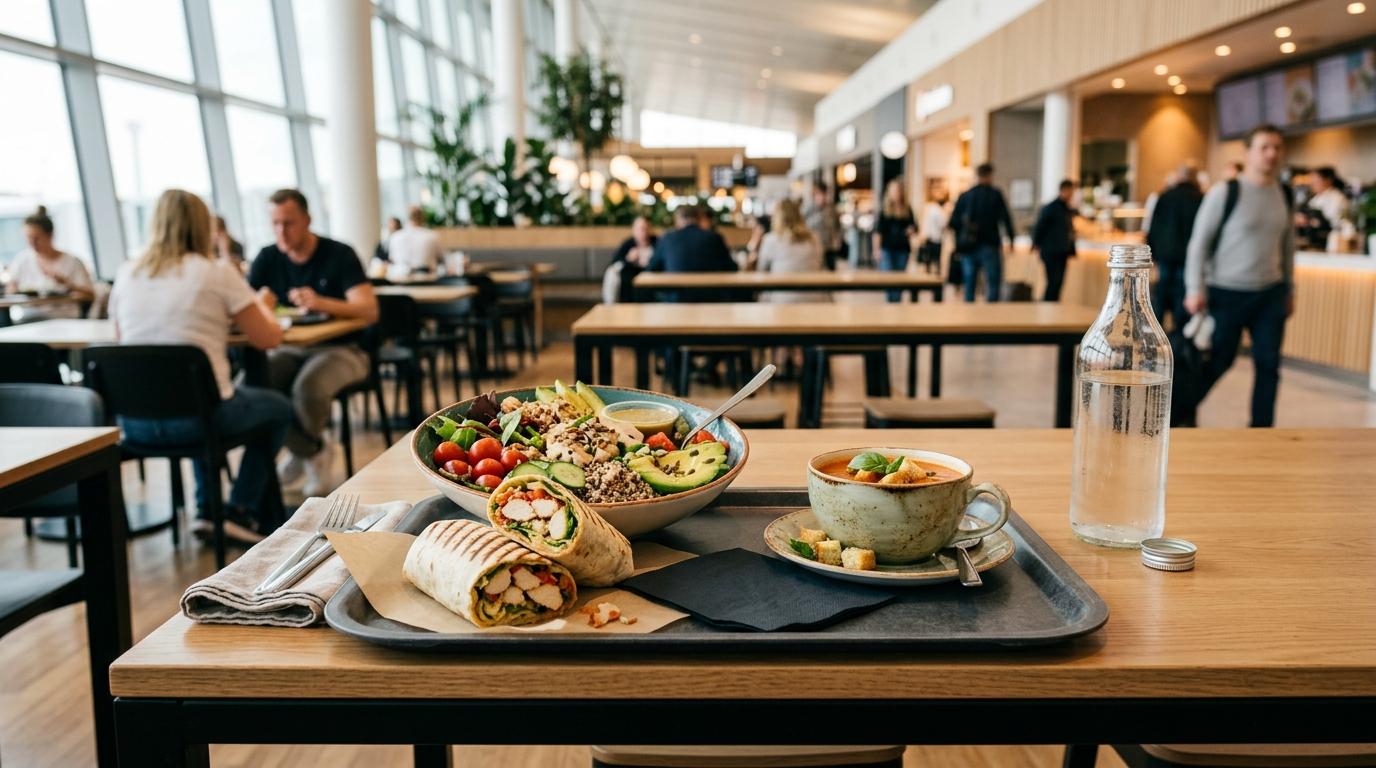
A food court lunch when you’re traveling can be exactly what you need: fast, easy, filling, and close by. It can also be the meal that sits in your stomach for the next four hours while you’re trying to board a flight, walk through a museum, or find your hotel.
The goal is not to find the “perfect” lunch. Food courts are noisy, crowded, and full of tempting smells for a reason. The goal is much simpler: choose something fresh, hot or properly chilled, and satisfying without leaving you sluggish.
In other words, you want lunch to help the rest of your day, not take it over.
Quick Answer Summary
#If you’re standing in a food court right now and just need to choose, here’s the short version.
Order:
- Freshly made bowls with vegetables, grains, beans, tofu, eggs, or grilled protein
- Grilled plates instead of fried combo meals
- Hot soups, dal, congee, or broth-based noodle bowls served steaming hot
- Wraps with simple fillings and sauces on the side
Split or save for later:
- Huge noodle bowls, rice plates, sandwiches, or pasta portions
- Big combo meals with fries, dessert, and sugary drinks
- Pastries, cinnamon rolls, doughnuts, and other rich baked goods
- Plain bread, packaged snacks, whole fruit, or dry sides if you can store them safely
Skip:
- Lukewarm buffet trays
- Mayo-based salads sitting in display cases
- Seafood that looks like it has been waiting around too long
- Fountain drinks or drinks with ice if you’re unsure about local water safety
A good travel food court lunch should leave you steady, not stuffed.
Start With a Quick Food Court Hygiene Check
#Before you get too attached to what looks good, take a quick look at the counter. You don’t need to inspect every corner. Just pause for a few seconds and notice what’s going on.
Look for:
- A busy stall with steady turnover
- Food being cooked or assembled fresh
- Hot food that actually looks hot
- Cold food that looks properly chilled
- Clean counters, utensils, and serving areas
- Staff handling money and food carefully
- Sauces and toppings that look fresh, covered, or refrigerated
This is the kind of food court hygiene check that matters when you’re traveling. If something looks tired, crusty, lukewarm, or like it has been sitting there since breakfast, trust your instincts and move along.
The nice thing about airports, train stations, malls, and museum food courts is that there’s usually another option a few steps away.
What to Order at a Food Court While Traveling
#The best travel food court meals usually have three things in common: they’re fresh, they have enough protein to keep you going, and they aren’t so greasy or oversized that you immediately want a nap.
Here’s what to look for.
1. Bowls
#Bowls are one of the easiest food court wins because you can usually customize them. Rice bowls, grain bowls, salad bowls, burrito bowls, noodle bowls, and poke-style bowls can all work if you build them with a little balance.
A good travel bowl might include:
- A moderate base of rice, noodles, greens, or grains
- A protein like grilled chicken, tofu, beans, lentils, egg, paneer, or fish cooked to order
- Cooked or fresh vegetables
- A lighter sauce, ideally on the side
- Something fresh or crunchy that isn’t just a pile of fried toppings
The trap is the “healthy-looking” bowl that turns out to be mostly white rice, creamy dressing, crispy bits, and a tiny amount of protein. It may taste great, but it might not be your best friend before a long walk, flight, or afternoon of sightseeing.
If you can, ask for extra vegetables and a smaller scoop of the heavier base. Most food court counters are used to small requests like that.
2. Grilled Plates
#When you’re choosing what to eat while traveling, grilled plates are often a safer, steadier bet than fried combo meals.
Look for plates built around:
- Grilled chicken
- Grilled paneer or tofu
- Kebabs or skewers
- Grilled vegetables
- Roasted potatoes or rice
- Simple flatbread
- A side salad or cooked vegetables
This kind of meal gives you something warm and satisfying without making fries and fried sides the whole point. If the plate comes with fries, creamy sauce, and a giant bread portion, you can still make it work. Ask for sauce on the side, swap fries for vegetables if that’s an option, or share the heavier parts.
Grilled plates are also handy when you’re traveling with someone who wants a full meal and someone else who just needs something lighter. One plate plus an extra side can often feed two people well.
3. Soups and Broths
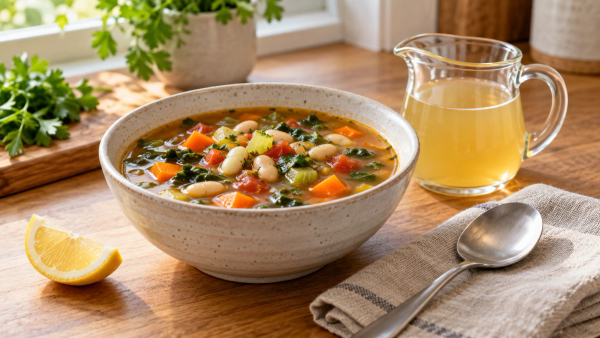
#Hot soups are underrated travel food. They’re comforting, usually easier to digest than a heavy fried meal, and a good choice when you want something warm but not overwhelming.
Good options include:
- Clear vegetable soup
- Lentil soup
- Broth-based noodle soup
- Pho-style or ramen-style bowls
- Dal with rice
- Hot rice porridge or congee-style meals
From a food safety point of view, food served steaming hot is usually a better choice than food sitting lukewarm. Still, use your judgment. The soup should look fresh, hot, and actively served, not like the final sad scoop from a forgotten pot.
If you have a lot of travel ahead, go easy on very creamy soups. They can be tasty, but they may feel heavier than expected once you’re back in motion.
4. Wraps
#Wraps are practical because they’re portable, quick, and usually less messy than a loaded sandwich. They work well for sightseeing days, work trips, road trips, and family lunches where everyone is trying to eat quickly.
Better wrap choices include:
- Grilled chicken with vegetables
- Hummus and vegetables
- Paneer or tofu with salad
- Egg and vegetable wraps
- Bean or falafel wraps, if freshly prepared
Ask for sauces on the side if the wrap already looks heavy. A wrap can go from easy lunch to soggy brick pretty quickly when it’s packed with mayo, creamy dressing, and fried fillings.
Also pay attention to how it’s stored. A wrap made fresh in front of you is usually a better choice than one sitting unchilled in a display case.
What to Split or Save for Later
#Food court portions can be huge, especially combo meals. When you’re tired, hungry, or rushing, the biggest meal can look like the best value. Sometimes it is. Other times, it just leaves you too full to enjoy the rest of the day.
Splitting is one of the easiest ways to get the food you want without overdoing it.
Split Large Combo Meals
#If you’re traveling with a partner, friend, colleague, or older child, consider splitting:
- A large noodle bowl
- A big rice plate
- A loaded sandwich
- A pizza slice combo
- A large biryani, fried rice, or pasta portion
- A dessert or sweet drink
If you’re still hungry afterward, add something lighter like fruit, soup, plain yogurt, or a simple vegetable side.
This works especially well in mall and museum food courts, where one person may want a proper meal and someone else just needs a few bites before moving on.
Save the Heavy Extras
#If your meal comes with a big bread roll, extra rice, fries, chips, or a pastry, you don’t have to finish all of it right there. If it’s safe to store and you’ll eat it soon, pack the dry items for later.
Better items to save include:
- Plain bread
- Packaged snacks
- Whole fruit
- Dry baked goods
- Extra rice or noodles, only if you can store and reheat them safely
Be careful with leftovers when you’re traveling. Creamy salads, seafood, dairy-heavy foods, and anything that needs refrigeration should not sit in a warm backpack for hours.
Share Desserts and Sugary Drinks
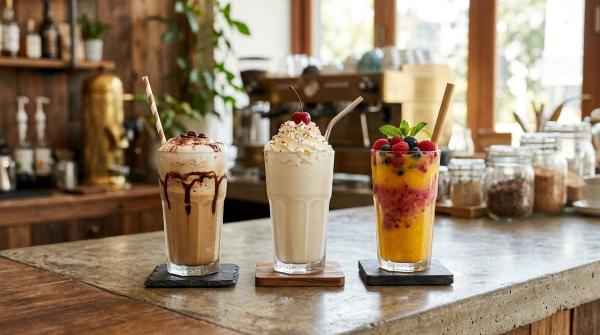
#Food courts know exactly how to tempt tired travelers. Cinnamon rolls, doughnuts, bubble tea, milkshakes, sweet iced coffees, and giant cookies all smell amazing when you’re hungry.
If you want one, get one and share it. You still get the fun part without turning lunch into a sugar-heavy stop that leaves everyone crashing later.
What to Skip at a Travel Food Court Lunch
#You don’t need to be scared of food courts. Just be selective. The riskiest choices are usually foods with poor temperature control, low turnover, or too much time sitting around.
1. Lukewarm Buffet Trays
#Buffet-style counters can be fine when they’re busy, fresh, and well maintained. The problem is food that looks dried out, barely warm, or like it hasn’t moved in a while.
Skip trays where:
- Food is not visibly hot
- Sauces look separated or crusted
- The same tray seems untouched for a long time
- Serving spoons are messy or mixed between dishes
- Hot food is sitting without proper heat
If you want a buffet-style meal, choose a stall with fast turnover. A line can be annoying, but it often means the food is moving.
2. Mayo-Based Salads
#Mayo-based salads are not ideal travel food when you can’t tell how long they’ve been sitting out.
Be careful with:
- Potato salad
- Pasta salad
- Coleslaw
- Creamy chicken salad
- Creamy egg salad
- Creamy seafood salad
These foods depend heavily on proper chilling and handling. If they are not clearly cold, fresh, and stored well, skip them. Choose a hot side, fruit, soup, or cooked vegetables instead.
3. Risky Seafood
#Seafood can be great, but in a travel food court, it deserves extra caution. The issue isn’t seafood itself. It’s unclear storage, low turnover, and pre-cooked items sitting around too long.
Be careful with:
- Cold seafood salads
- Sushi from a quiet counter
- Pre-cooked fish under weak heat lamps
- Creamy seafood pasta
- Seafood displayed without clear chilling
- Anything that smells too fishy
If you want seafood, choose a busy stall where it’s cooked to order and served hot. If that’s not available, pick another protein. One questionable lunch is not worth losing a travel day over.
Family Backup Tips
#Food courts can be a lifesaver for families because everyone doesn’t have to agree on the same cuisine. The tricky part is keeping the meal simple enough that younger travelers will actually eat it.
Try building a family meal from different counters:
- Plain rice or noodles
- Grilled chicken, paneer, tofu, or egg
- Steamed or cooked vegetables
- Fresh fruit
- Soup
- Plain bread, pita, naan, or roti where available
For younger children, skip very spicy sauces unless they already like them. Ask for sauces separately. A plain base plus a familiar protein is often much easier than a fully loaded dish with too many flavors at once.
If the food court is crowded, choose a meeting table before everyone starts ordering. One adult can hold the table while another orders, or older kids can split up with clear instructions. Keep choices simple when you have a train, flight, tour, or museum entry time coming up.
Vegetarian Backup Tips
#A vegetarian food court lunch can be easy if you know what to look for. The best options are filling and protein-friendly, not just bread plus fries.
Good vegetarian choices include:
- Lentil soup or dal with rice
- Bean burrito bowls
- Tofu bowls
- Paneer wraps or grilled paneer plates
- Hummus and vegetable wraps
- Chickpea salads, if freshly assembled
- Vegetable noodle soup
- Rice bowls with beans, tofu, egg, lentils, or other legumes
If cross-contact matters to you, watch how the stall cooks and serves food. Are the same tongs used for meat and vegetables? Is the grill shared? Are vegetarian toppings kept separate? If you’re unsure, ask before ordering.
At busy travel food courts, vegetarian meals can sometimes lean too heavily on cheese, bread, or fried items. Add beans, lentils, tofu, egg, paneer, or yogurt when you can so the meal keeps you full longer.
Hydration and Caffeine Choices
#Lunch is only part of the equation. What you drink can make a big difference in how you feel afterward.
Choose Simple Hydration
#Good travel drinks include:
- Sealed bottled water
- Sparkling water
- Unsweetened iced tea
- Hot tea
- Plain coffee
- Coconut water, if sealed and from a reliable counter
If you’re not sure about local tap water quality, be cautious with fountain drinks and ice. A sealed drink is usually the simpler choice.
Try not to make a large sugary soda your default lunch drink. It may feel refreshing at first, but it can make a heavy meal feel even heavier.
Be Smart With Caffeine
#A midday coffee can help during a long travel day, but food court coffee drinks can quickly become dessert in a cup. If you want caffeine without a big sugar hit, choose:
- Black coffee
- Espresso
- Americano
- Plain tea
- Green tea
- Coffee with a small amount of milk
If you choose a sweet iced coffee, frappe, or flavored latte, treat it like dessert. You probably don’t need that and a pastry too.
A Simple Food Court Ordering Formula
#When everything looks loud, bright, and overwhelming, use this formula:
Hot or freshly assembled + protein + vegetable + simple drink = better travel lunch.
Examples:
- Grilled chicken bowl with vegetables and water
- Dal, rice, and a sealed drink
- Tofu vegetable wrap with unsweetened tea
- Broth-based noodle soup with extra greens
- Paneer plate with salad and sparkling water
- Bean bowl with salsa and a small side of fruit
This keeps your food court lunch practical, not perfect. You’re still eating in a food court, not planning a wellness retreat. The point is to choose well enough that lunch supports the rest of your day instead of making it harder.