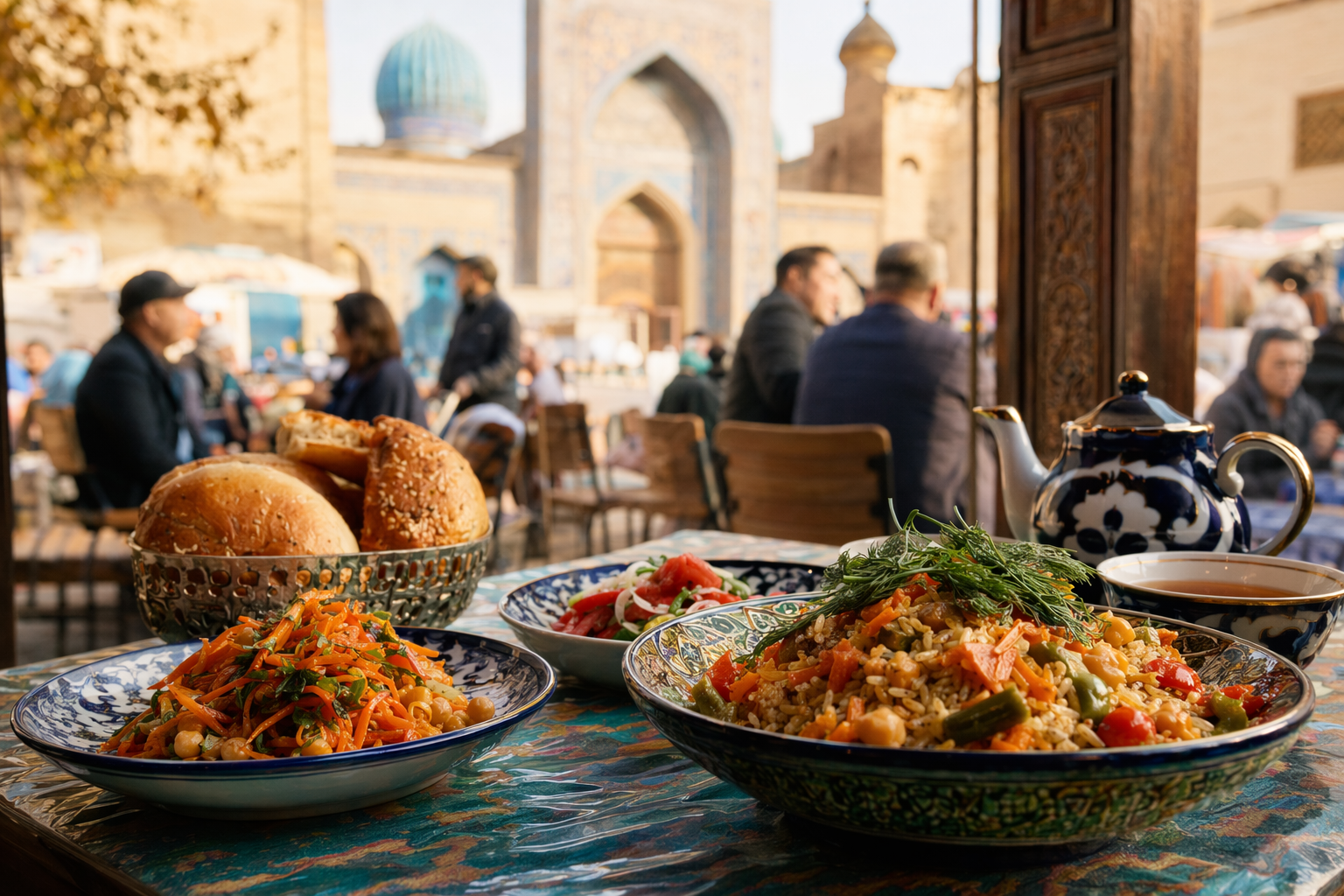
I’ll be honest, before I landed in Tashkent I had this tiny panic sitting in my stomach. Not hunger panic, the other kind. The “what if everything has meat stock in it?” panic. I’m Indian, I travel mostly vegetarian, and Central Asia has this reputation, you know, of being all lamb, beef, kebabs, plov, and more lamb. And yes, meat is a big deal in Uzbekistan. No point pretending otherwise. But Tashkent surprised me in the nicest way. I ate warm bread straight from a market stall, found pumpkin samsa that made me emotional for no good reason, drank tea like it was my job, and had one of the best tomato salads of my life in a city where everyone told me I’d struggle. Struggle? A little. Starve? Not even close.
This is not one of those guides where I’ll say “vegetarians will find everything easy!” because, um, no. You do need to ask questions. You do need to be careful about broth, meat fat, and sauces. But Tashkent is also a city of markets, bakeries, fresh fruit, dairy, rice, herbs, noodles, Korean-style salads, and surprisingly good Indian restaurants when you need dal-chawal comfort. For Indian travelers, especially those who are vegetarian but not necessarily vegan, it’s actually a very workable food city. The trick is knowing what to order, what to avoid, and how to explain yourself without sounding like you’re giving a TED Talk at the table.
First Impressions: Tashkent Doesn’t Shout, It Slowly Feeds You
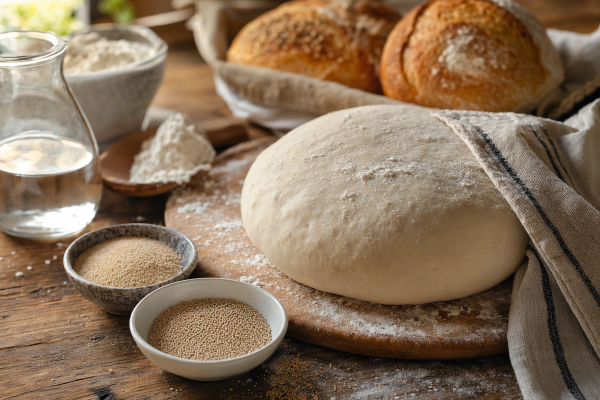
#My first evening in Tashkent was all wide roads, Soviet-style buildings, clean metro stations, and that golden light that makes even tired travellers look poetic. I was staying not too far from Amir Timur Square, and after dropping my bag I did what I always do in a new city: I walked with no plan and followed the smell of bread. This is usually a good life strategy, by the way. Uzbek non, that round bread with a stamped center, is everywhere. Some pieces are soft and pillowy, some are chewy and smoky from the tandyr oven, and some taste like they have been blessed by somebody’s grandmother. I bought one while it was still warm, tore it with my hands, and ate it standing on the pavement like a person with no manners. No regrets.
That bread moment set the tone for Tashkent. Food here is not always plated fancy, and vegetarian dishes are not always labelled clearly, but simple things can be deeply satisfying. Tomatoes actually taste like tomatoes. Cucumbers are crisp. Dill and coriander show up everywhere. Dried apricots, raisins, walnuts, pistachios, and melons feel like proper food, not supermarket decoration. If you grew up in India, there’s something familiar in the market chaos and hospitality, but the flavors are different enough to keep you curious. Less chilli, more herbs. Less masala, more freshness. At first I missed green chutney badly. Then, somewhere around my third pot of tea, I stopped complaining.
Chorsu Bazaar: Where I Learned Vegetarian Survival Is Also Joy
#Chorsu Bazaar should be your first serious food stop in Tashkent. It’s old, busy, colourful, and a little overwhelming in the best way. The blue-domed market hall is the famous bit, but honestly the magic is in the surrounding lanes too, where people sell bread, pickles, spices, nuts, sweets, fruit, and snacks from tiny counters. I went in the morning and again later because apparently I am the kind of person who visits a bazaar twice in one day. If you’ve travelled through Central Asian markets before, you’ll recognise the rhythm. If not, think of it as somewhere between an Indian mandi, a dry fruit shop, a bakery street, and a family picnic that got out of hand.
For vegetarian travelers, Chorsu is both amazing and tricky. Amazing because you can eat bread, fruits, nuts, dried fruits, fresh salads, sometimes pumpkin samsa, and dairy products. Tricky because cooked dishes may contain meat stock even when they look innocent. That rice dish? Maybe cooked with lamb. That soup? Probably broth. That innocent-looking pastry? Could be meat, onion, and fat. I used the same caution I use in other food markets abroad, like when I wrote notes after reading guides such as Vietnam Food Markets for Indian Travelers: Veg & Hygiene Tips, because hidden non-veg ingredients are honestly the global boss level for vegetarians.
- What worked well for me at Chorsu: hot non bread, seasonal fruit, walnuts, raisins, apricots, halva-style sweets, Korean carrot salad when I could confirm no meat, and pumpkin samsa from a stall where the vendor clearly showed me the filling.
- What I avoided unless someone could explain it properly: plov, soups, dumplings, noodle dishes, rice pilaf, fried snacks with unknown filling, and anything cooked in a shared meat-heavy pot.
The Vegetarian Uzbek Foods You Should Actually Look For
#Let’s talk dishes, because this is where most Indian travelers get confused. Uzbek food is famous for plov, shashlik, lagman, manti, and samsa, and many standard versions are non-vegetarian. But there are vegetarian-friendly corners if you pay attention. Non bread is the obvious hero. Achichuk, a tomato and onion salad, became my default side dish. It’s simple, almost stupidly simple, but when the tomatoes are good it tastes fresh and bright, especially next to bread. Suzma or qatiq, depending on what you find, are dairy items that can work for lacto-vegetarians, kind of like thick curd vibes but not exactly Indian dahi. Ask before ordering if you avoid animal rennet or are strict about preparation.
Pumpkin samsa was my big discovery. Not every stall has it, and sometimes it sells out, but when you find a fresh one, eat it hot. The pastry is flaky, the pumpkin is sweet-savoury, and if there is onion and black pepper inside, it has that nice winter-snack feeling. I also had potato-filled pastries at a casual bakery, though the staff and I communicated mostly through pointing, smiling, and me saying “vegetarian” in three languages badly. Some places make salads with beetroot, cabbage, carrot, eggplant, or potato. Korean-Uzbek salads are common in markets and supermarkets, thanks to the long Korean community history in Uzbekistan, but again check for fish or meat ingredients if you’re strict.
Plov, the Elephant in the Room, and Why I Mostly Skipped It
#You can’t go to Tashkent and not hear about plov. It is practically a national emotion. Big cauldrons, rice, carrots, chickpeas sometimes, raisins sometimes, oil, spices, and usually meat. The problem is that even if someone removes the meat pieces, the rice has often been cooked with meat fat or broth. For many Indian vegetarians, that is not okay. I did ask around for vegetarian plov, and a couple of people said some restaurants may make it on request, especially with advance notice, but I personally didn’t gamble unless the kitchen clearly understood. I know, I know, food purists will say I missed the soul of Uzbekistan. Maybe. But my stomach and beliefs also get a vote.
If you are flexible and only avoid visible meat, you may have more options. If you are strict vegetarian, Jain, or vegan, be very clear. “No meat” can sometimes be understood as no chunks of meat, not necessarily no broth or fat. This is not because people are careless, it’s because the local food logic is different. In India we have entire restaurant categories built around vegetarian cooking. In Tashkent, vegetarianism exists, but it is not always the default lens. So don’t get annoyed. Ask gently. Smile. Use translation apps. Show pictures if needed. And if you still aren’t sure, order bread, salad, fruit, and tea. Honestly, that meal can still be lovely.
Useful Food Phrases That Saved Me From Awkward Meals
#I am not a language expert, please don’t come for me, but these phrases helped. Uzbek and Russian are both useful in Tashkent, though younger people may know some English in hotels, cafes, and touristy restaurants. In bazaars, not so much. I kept a note on my phone and showed it to servers. It felt awkward the first two times, then it became normal. Also, people were kinder than I expected. One lady at a bakery literally called another customer over to help translate my “no meat, no chicken, no fish” drama. I wanted to hug both of them.
- In Uzbek, “Men go'sht yemayman” means I don’t eat meat. I used this a lot, sometimes with terrible pronunciation.
- “Tovuq yo'q” means no chicken, and “baliq yo'q” means no fish. Say these too, because some people don’t include chicken or fish when they think of meat.
- In Russian, “bez myasa” means without meat. Add “bez kuritsy” for without chicken and “bez ryby” for without fish.
- Ask about broth or stock: “bulon?” is a helpful word. If they say yes and point to soup or rice, I usually skipped it.
Indian Restaurants in Tashkent: The Comfort Food Safety Net
#Now listen, I love local food, but after two days of bread, salad, and translation-app conversations, I wanted dal. Not wanted. Needed. Tashkent has Indian restaurants, and they are a real blessing for Indian vegetarians. The Host is one name that many Indian travelers mention, and Raaj Kapur is another Indian-style restaurant that often comes up in local recommendations. I’m deliberately not giving fixed opening hours or exact menu promises because restaurants change, chefs change, and Google Maps can be moody. Check recent reviews before you go. But the broader point stands: if you’re in central Tashkent, you can usually find Indian food with vegetarian options.
My Indian meal in Tashkent was not the best Indian food of my life, okay, but it tasted like home in that emotional airport-lounge way. Dal, naan, paneer, rice, some pickle on the side. I had been trying so hard to eat local that I forgot travel is not a purity contest. Sometimes you need familiar food so you can enjoy the unfamiliar again tomorrow. I met two Indian students there who told me they rotate between Uzbek bakeries, supermarket snacks, and Indian restaurants during exam weeks. Very practical. Very relatable. One of them said, “Bhai, pumpkin samsa is good but dal is dal,” and honestly that should be printed on a t-shirt.
Cafes, Supermarkets, and the Modern Tashkent Food Scene
#Tashkent is not only bazaars and old-school eateries. There are modern cafes, coffee shops, bakeries, and supermarkets where vegetarians can breathe a little easier. Around central areas, you’ll find places serving pasta, pizza, salads, omelettes, pancakes, coffee, pastries, and sometimes vegan-ish bowls if the cafe is more international. I say vegan-ish because dairy and eggs sneak into everything, so ask. Supermarkets were my backup heaven. I bought yogurt, fruit, nuts, dark chocolate, bread, cheese, cucumbers, instant noodles that I checked very suspiciously, and bottled water. If you are travelling with kids or older parents, please don’t underestimate supermarkets. They reduce stress so much.
One evening after visiting the Tashkent Metro stations, which are genuinely beautiful and not just transport, I ducked into a cafe because my feet were done. I ordered mint tea, a cheese pastry, and a salad. Nothing dramatic. But sitting there, watching local families, students, office workers, and tourists all doing their own thing, I felt that nice travel calm. Tashkent can feel spread out, so food breaks matter. Don’t pack your itinerary so tightly that you forget to sit down and eat slowly. That’s where the city starts making sense.
My Favourite Vegetarian Day Plan in Tashkent
#If I had to design one food-travel day for an Indian vegetarian in Tashkent, I’d start early at Chorsu Bazaar. Go before the crowds get too heavy. Eat fresh non, buy dried apricots and nuts, try fruit in season, and hunt for pumpkin samsa. Then walk around the old city area and visit Hazrati Imam complex if that’s on your list. Keep breakfast simple because bazaar snacking is half the fun. For lunch, choose either an Indian restaurant if you want a safe full meal, or a modern cafe where you can order something clearly vegetarian. In the afternoon, take the metro just for the stations. Alisher Navoi, Kosmonavtlar, and some other stations are worth seeing, though photography rules and access norms have changed over time, so just follow current local signs.
By evening, go towards Amir Timur Square or Broadway area for a relaxed walk. Dinner can be Uzbek-style if you find a restaurant willing to do salads, bread, dairy, and vegetable sides, or you can do Indian again. I know some people feel guilty repeating Indian food abroad. Don’t. A happy stomach makes a better traveller. I carried the same attitude in Kazakhstan too, especially around markets, and if you’re planning a regional trip you might like this Green Bazaar Almaty Food Guide for Indian Travelers because the dried fruit, bread, hygiene, and vegetarian-snack strategy is quite similar across parts of Central Asia.
Hygiene, Water, and the Indian Stomach Question
#Let’s be real, Indian travelers can eat pani puri from a roadside cart and still get nervous about salad abroad. I get it. In Tashkent, I found food generally fine, but I still followed my boring rules. Bottled water for drinking. Hot food when possible. Fruit I could peel. Salads only at places that looked clean or busy enough. At bazaars, I watched how food was handled before buying. If something had been sitting out too long, I skipped it. Not because I’m fancy, because losing a travel day to stomach trouble is just tragic.
Vegetarians also need to watch for cross-contamination if they are strict. Shared tandoor-style ovens for bread are usually not a big issue for many people, but shared frying oil or shared utensils might be. Jain travelers will have a tougher time because onion, garlic, root vegetables, and hidden stocks are common. Vegans will need even more planning because dairy is everywhere and many breads may use milk, butter, or brushing fats depending on place. If you’ve done Nepal or Southeast Asia as a vegetarian, the same basic survival thinking applies: safe water, simple meals, backup snacks, and clear communication. I found similar practical lessons useful in guides like Nepal Food Guide for Indian Travelers, even though the food culture is obviously different.
Snacks I’d Pack From India, Because I’m Not Overconfident
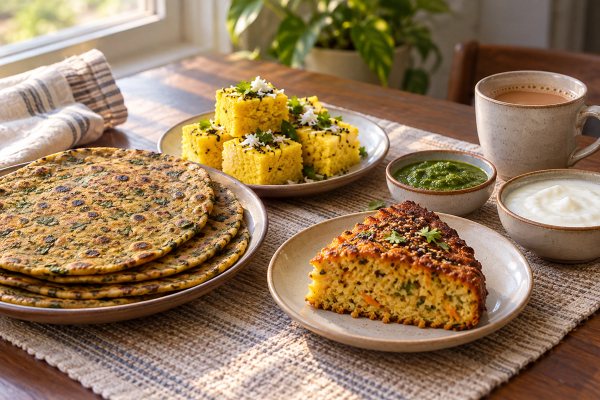
#I always pack emergency food. Always. People who say “just eat whatever you find” have probably never been a hungry vegetarian at 11:30 pm in a random neighbourhood. For Tashkent, I’d pack thepla if you can, khakhra, roasted makhana, peanuts, masala sachets, ready poha cups, instant upma, and maybe a small pickle bottle if your luggage allows it. Not a huge amount, just enough for airport delays, late-night hunger, or days when you don’t want to negotiate ingredients. I carried masala chai sachets too, which felt slightly unnecessary until one cold evening when it became the greatest decision of my life.
But don’t overpack so much that you stop trying local food. That’s the balance. The joy of Tashkent is in walking through markets, tearing bread, drinking tea, discovering a salad you didn’t expect to love, and laughing when your translation app turns “no meat” into something dramatic. Keep backup food, yes, but stay curious. I’ve seen travelers survive entirely on Indian restaurants abroad and then complain the destination had no food culture. Arre, go outside also.
A Few Vegetarian-Friendly Things I’d Eat Again Tomorrow
#If you ask me what I’m still craving, it’s not one big restaurant dish. It’s a collection of small things. Warm non bread with a slightly smoky edge. Tomato-onion achichuk with black pepper. Pumpkin samsa that flakes all over your jacket. Fresh grapes from the bazaar. Thick yogurt with bread. Tea after every meal, even when you didn’t ask for a whole pot. Walnuts and raisins stuffed into my day bag like I was preparing for a mountain expedition, not a city walk. Tashkent made me appreciate simple food again, and that sounds cheesy but it’s true.
I also liked how meals slowed me down. In India, we often want big flavor impact. Tashkent food, especially the vegetarian-friendly parts, can be quieter. You may miss chilli at first. I did. Then you start tasting the bread, the dairy, the herbs, the fruit. Of course I still wanted achar by day three. I’m not a saint. But there’s something nice about letting another food culture speak in its own volume instead of demanding it become Indian food with different scenery.
My main advice: don’t go to Tashkent expecting a vegetarian paradise, go expecting a meat-loving city where patient vegetarians can still eat very well if they ask, explore, and keep snacks in the bag.
Final Thoughts: Should Indian Vegetarians Visit Tashkent for Food?
#Yes, absolutely, but with realistic expectations. Tashkent is not Bangkok for vegetarians, and it’s not Rishikesh where every second cafe understands vegan banana pancakes and no onion-garlic thalis. It is a Central Asian capital with deep bread culture, generous markets, strong tea habits, meat-heavy traditional meals, and enough modern restaurants to make vegetarian travel comfortable. You’ll need to communicate. You’ll sometimes eat a very simple meal. You’ll probably visit an Indian restaurant once or twice. And then, if you’re like me, you’ll come home weirdly obsessed with Uzbek bread and wondering why your local bakery can’t make pumpkin samsa.
For Indian travelers, Tashkent works best when you mix food and sightseeing naturally. Bazaar in the morning, mosque or museum after, metro ride, cafe break, Indian dinner when needed, local snacks whenever you find safe ones. Don’t treat food as a problem to solve. Treat it as part of the trip, with all its confusion and small victories. That first warm bread outside Chorsu, the vendor laughing at my pronunciation, the students talking about dal, the tea that kept appearing like magic… these are the bits I remember more than any monument. And if you enjoy these messy, hungry, very real travel-food stories, you’ll probably like browsing more such guides on AllBlogs.in.