I’m just gonna say it straight away... paneer and hot weather are not friends. Like, at all. And I know this because I have absolutely pushed my luck with it before. More than once, if I’m being honest. If you cook Indian food a lot, or even just love ordering paneer tikka, matar paneer, chilli paneer, all that good stuff, you’ve probably had this moment where the paneer is sitting on the counter and you’re like, ehhh it’s probably fine for a bit longer. Sometimes it is. Sometimes it really, really isn’t.
My whole obsession with this started after a summer lunch at my aunt’s place years ago. She made this gorgeous shahi paneer, rich and silky and honestly one of the best things I’ve ever eaten with hot phulkas. But the leftovers sat out way too long because everybody was chatting, kids running around, someone was making chai, someone else was packing mithai, total chaos. Later that night, me and my cousin both looked at the leftover bowl and had the same thought: should we keep it or toss it? That tiny kitchen debate basically became my food safety roman empire. Since then I’ve been annoyingly careful, especially in summer.
So... can paneer stay outside in summer?
#Short answer: not for long. Fresh paneer is a high-moisture dairy product, which means bacteria can grow on it pretty fast when it’s warm. The general food safety rule used by cooks, caterers, and health agencies is the 2-hour rule. If paneer has been sitting at room temperature for more than 2 hours, it should usually be discarded. And if the room is really hot, like summer heat above about 32°C or 90°F, that safe window drops to around 1 hour. Yep. One hour. That’s the bit people hate hearing, but it matters.
If your kitchen feels sweaty, your paneer probably feels unsafe. That’s not official science language, obviously, but honestly... it works.
The reason is the so-called temperature danger zone, roughly 4°C to 60°C, or 40°F to 140°F. In that range, bacteria can multiply quickly. Paneer, because it’s soft and protein-rich and wet, gives microbes a pretty comfy place to hang out. Summer power cuts, long grocery rides home, buffet tables, lunch boxes left in a car, all of that makes it worse. I know some families say they’ve left paneer curry out half a day and survived. Sure. People also text while crossing roads. Doesn’t make it smart.
What counts as “outside,” though? Because this is where people get confused
#There’s a difference between cool room temp in an air-conditioned apartment and a sticky June kitchen with the windows open and the fan just pushing hot air around. If your house is cool, paneer may last close to that 2-hour mark. If you’re in proper summer heat, especially in places where the kitchen gets warm from cooking, assume 1 hour max. Honestly I often go even stricter if I’ve cooked paneer in a creamy gravy. Dairy plus heat plus time... not worth gambling on.
- Fresh raw paneer on the counter in summer: try not to leave it out beyond 1 hour if it’s hot
- Cooked paneer curry, paneer butter masala, kadai paneer, palak paneer: same basic rule, 2 hours max, 1 hour in high heat
- Paneer in lunch buffets or party trays: risky if not kept hot above 60°C or chilled below 4°C
- Marinated paneer for tikka: weirdly even more stressful, because yogurt marinades can spoil too
The signs paneer has gone bad... and yeah, your nose helps but it’s not enough
#People always ask if spoiled paneer will smell bad. Sometimes yes, sometimes not really. That’s the annoying part. A sour smell, slimy coating, weird discoloration, little yellowing, dryness at the edges, or an oddly crumbly texture can all be warning signs. Fresh paneer should smell milky and clean, not funky. But here’s the thing I wish more home cooks believed: dangerous bacteria don’t always announce themselves with a dramatic smell. So if it sat out too long, even if it looks okay-ish, tossing it is the safer move.
I had this happen once with homemade paneer I’d made for chilli paneer. It looked fine. Maybe a tiny bit dry at the edge, but I convinced myself it was okay because I was being cheap and didn’t wanna waste it. The final dish tasted... flat. Not horrible, just slightly off. I didn’t eat much and spent the evening feeling deeply suspicious of my own cooking. Maybe it was fine, maybe it wasn’t, but that low-level panic alone cured me. Now if I’m hesitating, I bin it.
Best way to store paneer in summer, the actually useful version
#If you bring paneer home from the store, refrigerate it asap. Not after tea, not after scrolling your phone, not after chopping onions. Right away. Store-bought vacuum-packed paneer should go into the fridge unopened until you need it, and once opened, transfer leftovers to an airtight container. A lot of home cooks keep paneer submerged in fresh water in the fridge to help it stay soft, which does work, but change the water daily and use it quickly. Otherwise you’re just making a tiny paneer pond of doom.
- Keep paneer in the fridge at 4°C or below
- Use an airtight box, or wrap tightly if you’re using it within a day
- If storing in water, use chilled clean water and change it every day
- For best texture, use opened paneer within 2 to 3 days
- If you won’t use it soon, freeze it, though texture gets a bit more crumbly after thawing
Homemade paneer is amazing, but honestly it’s a little high-maintenance
#I love making paneer at home. There’s something very satisfying about watching milk split and then pressing those soft white curds into a neat block. Feels like kitchen magic every single time. But homemade paneer has no preservatives and usually more moisture, so it can spoil faster than the packaged kind. In summer I treat homemade paneer like it’s in a hurry. Once cooled, it goes into the fridge quickly, and I try to use it within 1 to 2 days. Some folks stretch it to 3 days, but personally I don’t love doing that when the weather is brutal.
And please don’t leave fresh homemade paneer on the counter “to firm up” for ages in warm weather. I used to do that, especially when I wanted cleaner cubes for frying. Big mistake. Press it, cool it, refrigerate it. Then cut later. It’s less romantic, maybe, but way safer.
What about paneer dishes from restaurants or takeout?
#This one matters because, let’s be real, lots of us are ordering more than ever. Fast-casual Indian spots, cloud kitchens, fancy modern places doing truffle paneer tikka, all of it. The rule is basically the same: once you get the food, eat it hot or refrigerate leftovers within 2 hours, and in hot weather aim for 1 hour. If delivery took a long time and the container feels lukewarm instead of properly hot, don’t let it sit around more. Get it chilled fast if you’re saving it.
And a tiny rant here. Some trendy places do stunning paneer dishes but package them terribly. I had a saffron paneer lababdar from a newly opened modern Indian restaurant this year, beautiful flavor, but the paneer had clearly kept cooking in the sealed tub and turned rubbery by the time I got home. Storage affects texture too, not just safety. That’s why I still think classic neighborhood spots often do takeout better. They know the food has to survive a car ride, not just look cute on social media.
A few 2026 food trends that actually affect paneer storage, weirdly enough
#Food trends sound fluffy, but some of them genuinely change how we store and eat dairy. In 2026, there’s even more demand for high-protein foods, cleaner labels, smaller-batch artisanal dairy, and delivery-first restaurant formats. That means more people are buying fresh paneer, protein bowls with paneer, paneer wraps, paneer snack packs, and heat-and-eat meal kits. I’m seeing paneer in gym meal prep now, which would’ve made younger me laugh. Also, more restaurants are using induction hot-holding, better insulated delivery bags, and temperature-monitoring labels on premium meal kits. Fancy, but useful.
There’s also this growing thing with hybrid dairy products and plant-forward menus where paneer is paired with fermented sauces, smoked gravies, or probiotic marinades. Cool flavors, absolutely. But the more moisture-rich add-ons there are, the less casual you can be about leaving it out. Same goes for the new artisanal fresh cheeses popping up in urban grocery stores and specialty Indian delis. They’re delicious, often less processed, and therefore not something I’d leave sitting around while I answer emails for three hours. No chance.
My no-drama summer paneer routine
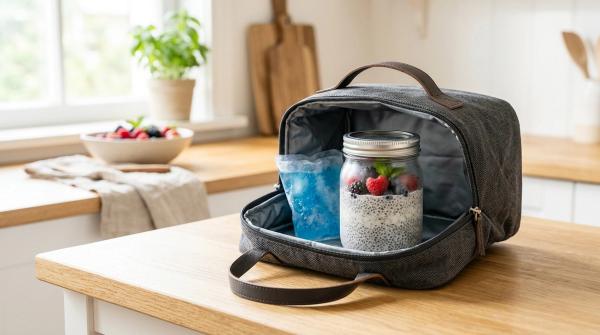
#This is what I actually do at home now, and it has saved me from both food waste and stress. If I buy paneer, I carry an insulated bag if I know I’ll be out long. Bit extra? maybe. But useful. I refrigerate it immediately, prep everything else before taking the paneer out, and only cube it when the pan is hot and ready. If I’m making paneer tikka, I marinate it in the fridge, never on the counter. After dinner, leftovers are packed into shallow containers so they cool quickly. Not left in the kadai with a lid on, which I used to do because I was lazy. Terrible habit.
- Don’t cut paneer and then forget about it on the chopping board while you make calls
- Don’t put warm paneer curry in a deep giant container, it cools too slowly
- Do split leftovers into smaller boxes
- Do label homemade paneer if your fridge is full of mystery containers like mine always is
- And if there was a power cut for hours... uh, be ruthless and toss questionable dairy
Can you reheat paneer to make it safe again?
#Not really in the way people hope. Reheating can kill some bacteria, sure, if the food is heated thoroughly. But it doesn’t reliably undo toxins that some bacteria may have already produced while the paneer sat in the danger zone. So “I’ll just boil it again” is not a magic fix. It can help with quality for refrigerated leftovers, but it’s not a rescue plan for abused food. Sorry. I know. I hate wasting food too.
For refrigerated leftovers, I usually reheat only the portion I need and get it steaming hot. Paneer can toughen if overcooked, so I warm gravies gently and add paneer near the end when possible. Dry dishes like chilli paneer or paneer bhurji reheat okay in a pan with a tiny splash of water. But after about 3 days in the fridge, I’m usually done. Some people push to 4 days, and official guidance for cooked leftovers often goes up to 3 to 4 days when properly chilled, but with paneer I tend to stay on the cautious side.
If you’re serving paneer at a party, please read this bit
#Paneer at summer parties is where everybody gets too relaxed. I’ve seen gorgeous trays of paneer tikka, malai paneer skewers, achari paneer sliders, even paneer canapés just hanging out in the heat while people take selfies and hunt for the right playlist. If the food is out more than 2 hours, or 1 hour in strong heat, it should be replaced, chilled, or kept properly hot. Chafing dishes help, insulated serving gear helps, smaller batches help a lot. Put out less food at a time and refill from the fridge. It’s not less hospitable, it’s smarter.
Caterers know this, good ones anyway. And honestly some of the coolest newer restaurant and event setups in 2026 are using compact warming stations, QR-based prep timing logs, and insulated grazing tables for exactly this reason. Not because anyone wants to be a buzzkill, but because dairy in summer can turn from dreamy to dodgy real fast.
My simple rule if you can’t remember how long it sat out
#Throw it out. I knowww, that’s not the answer anyone wants. But if you genuinely don’t know whether the paneer curry was out one hour or four, just let it go. Memory gets fuzzy after a long lunch, guests, kids, phone calls, all that. I use a super advanced system now called putting leftovers away immediately before I sit down with dessert. Revolutionary stuff lol.
When in doubt, don’t try to be a hero with dairy.
Final foodie thoughts, from one paneer lover to another
#Paneer deserves better than being forgotten on a hot counter, honestly. It’s one of the most comforting, flexible, lovable ingredients ever, from smoky restaurant tikkas to soft homemade cubes in tomato gravy to late-night paneer rolls wrapped in foil. But because it’s so gentle and fresh, it needs a little care. In summer, the safest rule is easy: refrigerate fast, keep it cold, don’t stretch the time limits, and trust caution over wishful thinking. Your stomach will thank you, and your next paneer meal will taste better too because you won’t be eating it with low-grade anxiety.
Anyway, that’s my very opinionated paneer speech for today. If you’re as obsessed with food stories, kitchen wins, and the occasional cooking mistake as I am, go have a wander through AllBlogs.in. There’s always something tasty to fall into over there.