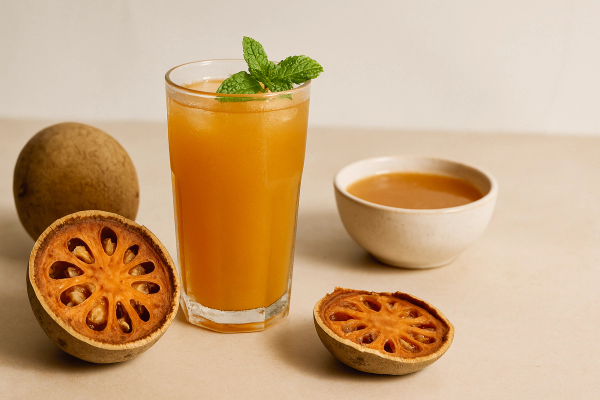
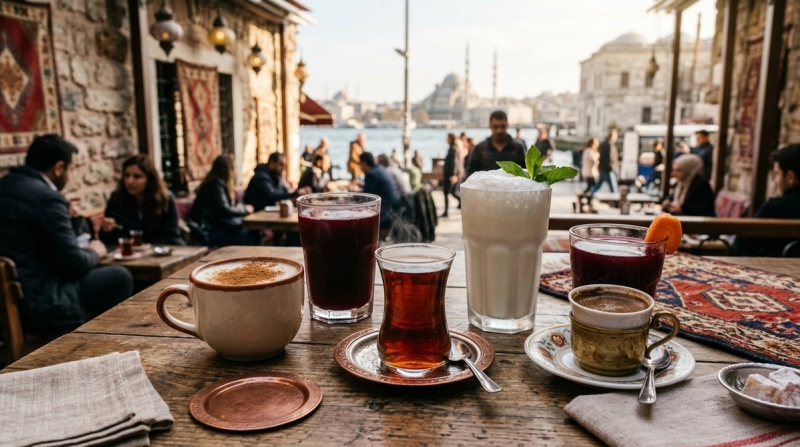
If you’re looking for Turkish drinks for non-drinkers, you’re in good hands. Turkey has a long, very social drinking culture that doesn’t have to involve alcohol at all. In fact, some of the most everyday, most “local” drinks are completely alcohol-free.
The big ones to know are ayran, Turkish tea, Turkish coffee, salep, boza, and şalgam suyu. You’ll see them in kebab shops, breakfast cafés, family restaurants, ferry tea counters, dessert shops, and little neighborhood places that don’t care much about tourists but care a lot about doing things properly.
Ayran is the cold, salty yogurt drink that belongs next to kebabs, döner, lahmacun, pide, and grilled meats. Turkish tea, or çay, is everywhere, all day long. Turkish coffee is strong, thick, and meant to be sipped slowly. Salep and boza are cozy winter drinks, each with its own old-fashioned charm. Şalgam suyu is sour, salty, fermented, and much better than “turnip juice” sounds in English.
For travelers who don’t drink alcohol, Turkey is honestly a very easy place to enjoy food without feeling left out. Many classic Turkish food pairings are already alcohol-free. Tea shows up at breakfast, during shopping, after meals, and in the middle of conversations. Ayran cools down rich, spicy, grilled food. Coffee closes a meal beautifully. And in winter, salep or boza can feel like a small ritual of their own.
This guide is for anyone wondering what to drink in Turkey without alcohol, whether you’re sober, sober-curious, avoiding alcohol for religious or health reasons, or simply more interested in local food culture than bar culture.
The Essential Non-Alcoholic Turkish Drinks
#1. Ayran
#Ayran is one of the first non-alcoholic Turkish drinks you should try, especially if you plan to eat kebabs, döner, köfte, pide, lahmacun, or anything grilled and smoky.
It’s made with yogurt, water, and salt. That’s basically it. But the combination works so well because ayran does exactly what you want it to do with Turkish food: it cools your mouth, softens spice, cuts through richness, and balances salty or fatty dishes.
It’s not fancy, but it’s perfect.
What it tastes like:Ayran tastes like cold, savory drinking yogurt. It’s tangy, salty, refreshing, and not sweet at all. If you’re expecting a fruit yogurt smoothie, this is not that.
How to order it:You’ll find packaged ayran almost everywhere: kebab shops, casual restaurants, supermarkets, bus stations, and corner stores.
In some restaurants, you may also see açık ayran. This means it’s served fresh or from an open batch rather than a sealed bottle or carton. It’s often colder, frothier, and sometimes served in a metal cup. When it’s good, it’s very good.
Good to know:Ayran is dairy-based, so if milk or yogurt bothers your stomach, go slowly. Packaged ayran is usually the most predictable option. If you want to try açık ayran, choose a busy restaurant where lots of people are ordering it.
2. Turkish Tea, Çay
#Turkish tea, or çay, is less of a drink and more of a national rhythm. It’s there at breakfast, in offices, in shops, in cafés, after meals, on ferries, and during conversations that somehow stretch much longer than planned.
It’s usually served in small tulip-shaped glasses, without milk. Turkish tea is brewed in a two-part kettle called a çaydanlık. The top pot holds strong tea concentrate, and the bottom holds hot water. Your tea can be poured strong and dark or lighter, depending on preference.
What it tastes like:Turkish tea is strong black tea. It can be smooth and comforting, or quite dark and a little bitter if brewed strongly. Sugar cubes are often served on the side, but milk is not standard.
How to order it:Just ask for çay.
If you prefer lighter tea, you can ask for it lighter, though many travelers simply drink it the way it arrives. Don’t expect British-style tea with milk unless you’re somewhere specifically catering to that.
When to drink it:Any time, really. Breakfast is classic, but tea is an all-day drink in Turkey.
Good to know:The glasses are small, which makes it easy to drink several without noticing. If you’re sensitive to caffeine, keep an eye on how many refills you accept.
3. Turkish Coffee, Türk Kahvesi
#Turkish coffee is small, strong, and full of ceremony. It’s made with very finely ground coffee, brewed in a small pot called a cezve, and served unfiltered. The grounds settle at the bottom of the cup, so you sip slowly and stop before you reach the thick muddy layer.
It’s not a takeaway coffee. It’s not something you rush down on the way to the metro. Turkish coffee is more of a pause: after a meal, during a long conversation, or when you want a proper little café moment.
Turkish coffee culture is even recognized by UNESCO as intangible cultural heritage, which makes sense once you experience how much tradition fits into such a small cup.
What it tastes like:Bold, intense, thick, and earthy. Compared with filtered coffee, it has a heavier texture and a more concentrated flavor.
How to order it:With Turkish coffee, you choose the sugar level before it’s brewed because the sugar is cooked together with the coffee.
Common options are:
- Sade: no sugar
- Az şekerli: a little sugar
- Orta: medium sweet
- Şekerli: sweet
It’s often served with a small glass of water. Some people drink the water first to clear the palate; others sip it alongside the coffee.
When to drink it:After a meal, after breakfast, or during a slow café break. At a traditional Turkish breakfast, tea is usually the main drink, not coffee, though you can absolutely order coffee if you want it.
4. Salep
#Salep is one of Turkey’s loveliest winter drinks. It’s warm, milky, sweet, and thick, usually served with cinnamon sprinkled on top. On a cold day, especially in Istanbul, a cup of salep can feel like a small act of kindness.
It’s usually enjoyed on its own rather than with a full meal. Think of it as a dessert-like hot drink, something to sip slowly when you want to warm up.
What it tastes like:Creamy, sweet, lightly floral, and comforting. The texture is thicker than milk, almost like a thin custard or drinkable pudding.
How to order it:Ask for salep in cafés, dessert shops, and places serving winter hot drinks. It’s usually served hot with cinnamon on top.
Good to know:Salep normally contains milk and sugar. If you avoid dairy or don’t like sweet drinks, ask before ordering.
5. Boza
#Boza is one of those traditional drinks that people tend to have strong feelings about. It’s a thick fermented grain drink, especially popular in colder months, and it has a very old history in Turkey and the wider region.
It’s usually served cool or chilled, not hot, with cinnamon on top. Sometimes it comes with roasted chickpeas called leblebi, which you can sprinkle over it or eat on the side.
Boza is filling, tangy, and a little unusual if you’ve never had anything like it before. Some people love it immediately. Others need a second or third try before they understand the appeal.
What it tastes like:Sweet, tangy, slightly sour, grainy, and thick. It can feel closer to something you spoon than something you sip.
How to order it:Look for boza in traditional shops, dessert shops, or places known for old-style winter treats. In some neighborhoods, you may still hear boza sellers calling out in the evening, especially in colder weather.
Good to know:Boza is fermented. It’s generally treated as a non-alcoholic traditional drink, but fermentation can create trace amounts of alcohol. If you strictly avoid even tiny traces, ask first or choose something else.
6. Şalgam Suyu
#Şalgam suyu is probably the boldest drink on this list. It’s a dark red fermented drink, especially associated with southern Turkey, made with ingredients such as purple carrots, turnips, bulgur, salt, and spices.
In English, it’s often described as turnip juice, which does it absolutely no favors. It is not sweet. It is not fruity. It’s salty, sour, earthy, sharp, and a little funky. But with the right food, especially grilled meat or spicy kebabs, it makes complete sense.
What it tastes like:Tangy, salty, sour, earthy, and fermented. If you like pickles, brine, sour flavors, or savory drinks, you may really enjoy it.
How to order it:You can usually choose between:
- Acılı: spicy
- Acısız: not spicy or mild
If it’s your first time, start with acısız.
Best food pairings:Şalgam is great with kebabs, grilled meats, spicy dishes, and long meze-style meals where you want something sharp and salty between bites.
Good to know:Like boza, şalgam is fermented. If you’re sensitive to fermented foods, or if you avoid trace alcohol from fermentation, ask before ordering.
What to Order by Season and Meal
#Part of enjoying ayran, salep, boza, Turkish tea, and other local drinks is knowing when they fit naturally. Here’s a simple guide.
Food-Safety and Digestion Cautions
#Most travelers can enjoy Turkish non-alcoholic drinks without any problem. Still, a few small precautions can help, especially if you have a sensitive stomach when you travel.
Be careful with dairy
#Ayran and salep are dairy-based. If you’re lactose-intolerant or sensitive to milk, order carefully. Packaged ayran is usually more predictable. Fresh açık ayran can be excellent, but it’s best to try it in busy places where it’s served often.
Start small with fermented drinks
#Boza and şalgam suyu are fermented, and both can be surprising if you’re not used to sour, salty, or thick drinks. Try a small serving first, especially during your first few days in Turkey.
Ask about spice
#Şalgam can be spicy. If you don’t want heat, ask for acısız. If you like spice, go for acılı.
Watch your caffeine
#Turkish tea glasses are small, but refills add up quickly. Turkish coffee is also strong and concentrated. If caffeine affects your sleep, slow down on tea later in the day.
Be cautious with water and ice
#Many locals don’t use tap water as their main drinking water. If your stomach is sensitive, choose bottled water and be careful with ice, unsealed drinks, or cold drinks from places where hygiene is unclear. Hot tea and coffee are often easier choices for travelers because the water is boiled.
Think about sugar
#Salep and boza can be quite sweet. Turkish coffee can also be sweet, but you choose the sugar level before it’s made. If you prefer less sugar, order coffee as sade or az şekerli, and ask about sweetness before ordering winter drinks.
Quick Ordering Phrases
#A few simple Turkish words will make ordering much easier.
- Çay: Turkish tea
- Ayran: salty yogurt drink
- Türk kahvesi: Turkish coffee
- Sade: no sugar
- Az şekerli: a little sugar
- Orta: medium sweet
- Şekerli: sweet
- Salep: warm milky winter drink
- Boza: thick fermented grain drink
- Şalgam suyu: fermented turnip drink
- Acılı: spicy
- Acısız: mild or not spicy