The red-eye meal I learned the hard way
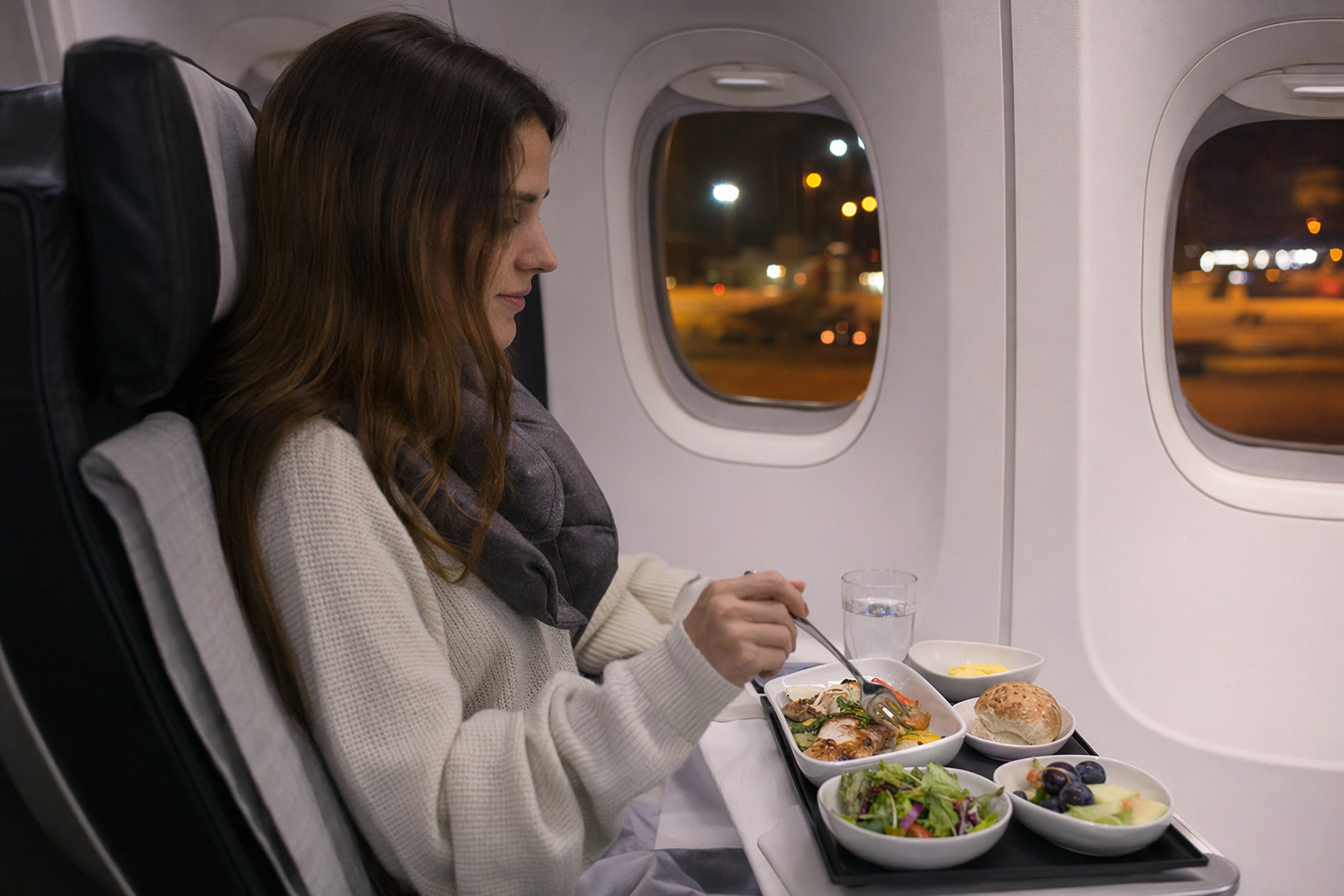
#I used to treat red-eye flights like a tiny midnight picnic with wings. Terrible idea, honestly. My first big lesson happened on a late flight from Los Angeles to New York after I’d spent the afternoon doing what any food-obsessed person does in LA: eating too many tacos, saying yes to one more salsa, then wandering into a bakery “just to look” and coming out with a guava pastry the size of my hand. By boarding time I felt smug and very full. By 2:13 a.m., somewhere over the middle of the country, I was wide awake, thirsty, bloated, and staring at the seatback map like it had personally betrayed me. The flight attendant came by with water and those little pretzel bags and I remember thinking, this is not travel glamour, this is a digestive hostage situation.
Since then I’ve gotten weirdly serious about red-eye food. Not in a joyless, meal-prep-in-a-beige-container way. I still love airport food, local snacks, and the little ritual of buying something at the terminal that feels like the trip has already started. But overnight flights are different. Your body is already confused, the cabin is dry, you’re sitting still for hours, and if you eat like you’re at a street food festival at midnight, well... good luck sleeping. So this is my red-eye flight food plan: what to eat before you board, what to pack, and what to skip unless you enjoy regret at cruising altitude.
Eat before the airport, if you can swing it
#My best red-eye meals happen before I even get to security. I know that sounds boring, and sometimes it’s impossible because life is life, traffic is rude, and you’re still doing laundry 40 minutes before your rideshare arrives. But when I have control, I eat a proper early dinner about 3 to 4 hours before takeoff. Something warm, balanced, not greasy, not enormous. The kind of meal that says “I care about future me” without being sad.
In Tokyo once, before a late flight home, I had a simple set meal near the station: grilled salmon, rice, miso soup, pickles, a little spinach with sesame. Nothing dramatic. No giant ramen bowl, no fried chicken mountain, no convenience-store dessert parade, although I was tempted because Japan’s 7-Eleven is basically a Michelin guide for tired people. I slept five straight hours on that flight, which for me is almost suspiciously successful. Compare that with the time in Mexico City when I ate late-night chilaquiles with extra crema before a red-eye and then spent the flight negotiating with my stomach like it was a difficult customs officer.
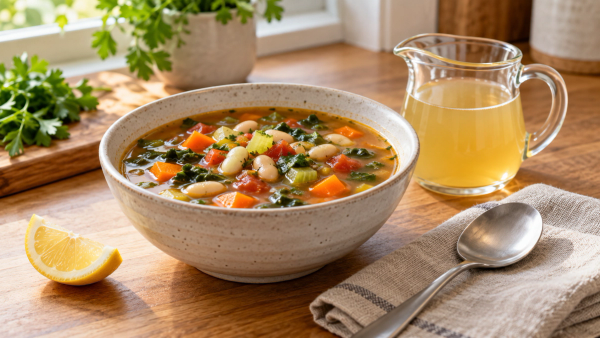
My go-to pre-red-eye plate is pretty simple: some protein, some carbs, a little fat, and vegetables that don’t try to start a fight. Think rice bowl with chicken and roasted veggies, a small bowl of pho, lentil soup with bread, sushi rolls that aren’t loaded with spicy mayo, or eggs and toast if it’s one of those weird evening departures where dinner feels too much but breakfast feels right. I’ll take comfort over excitement here. I know, painful for food people. But the big culinary adventure can wait until landing.
The airport meal rule: local flavor, smaller portion
#I’m not anti-airport food. Actually, I kind of love it when airports bother to show off the city. Portland has leaned into local food and drink for years, Singapore Changi is basically a food crawl wearing an airport costume, and even some big U.S. terminals have gotten better about bringing in local names instead of only the same sad wrap in plastic. But a red-eye is not the time I order the biggest thing on the menu just because I’m bored and my gate is delayed.
If I’m eating at the airport, I do the small local thing. In San Francisco, maybe a sourdough toast situation or a small sushi box. In Dallas, I want barbecue, obviously, but on a red-eye I’ll do a small brisket taco instead of the full tray with beans, mac, pickles, and the sauce that haunts your dreams. In Istanbul, where airport food can smell unfairly good, I once got a bowl of lentil soup and a simit instead of the heavier kebab plate I wanted. Was I proud? Weirdly yes. Did I still stare at the kebab guy with longing? Also yes.
- Good airport choices: soup, rice bowls, sushi, simple sandwiches, oatmeal, yogurt with granola, bananas, eggs, small noodle bowls, or a not-too-cheesy flatbread.
- Risky airport choices: deep-fried stuff, giant burgers, creamy pasta, super spicy curry, big salads with raw onion, and anything that comes with the phrase “loaded” in the name.
- My personal danger zone: airport wine plus salty snacks. It feels classy for about 18 minutes and then I wake up with a mouth like old cardboard.
Pack like a snack person, not a survivalist
#There is a difference between packing smart snacks and packing as if the plane is going to land in a remote mountain pass and you’ll need to trade almonds for shelter. I have been both people. For a normal red-eye, I pack enough to handle delays, weird airline meal timing, and that 4 a.m. hunger that makes you consider buying a breakfast sandwich you don’t even want.
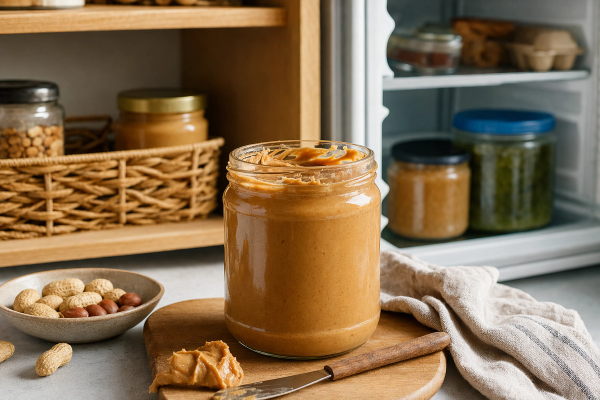
TSA rules still matter here. In the U.S., the 3-1-1 liquids rule means liquids, gels, and spreadables in carry-ons need to be in containers of 3.4 ounces or less and fit in that quart-size bag, unless there’s an exception like medically necessary items. Solid foods are generally fine through security, though officers can ask you to separate them for screening. So yes to a peanut butter sandwich, no to a huge jar of peanut butter unless you enjoy donating it to the trash bin of sadness. Ice packs are usually okay if frozen solid when screened, but if they’re slushy or melted, that can get messy.
My little red-eye snack kit changes depending on where I’m flying from. If I’m leaving New York, I might pack a sesame bagel with a thin layer of cream cheese and cucumber, wrapped tight. From Bangkok, I’ll grab sticky rice with mango earlier in the day, but I won’t carry it onboard overnight because coconut cream plus cabin warmth plus time is not my favorite gamble. From Lisbon, I’ll absolutely buy a pastel de nata for the morning after landing, but I do not eat two before takeoff anymore. Growth, people.
| Pack | Why it works | Tiny warning from me |
|---|---|---|
| Banana or clementines | Easy, gentle, no utensils needed | Bananas bruise if you shove them next to a charger brick |
| Plain crackers or rice cakes | Good when your stomach feels iffy | Dry as a desert, so drink water |
| Turkey, egg, or hummus sandwich | Feels like real food without being too heavy | Keep it simple and don’t overdo mayo |
| Roasted almonds or cashews | Portable protein and fat, filling fast | Salty nuts can make you thirsty |
| Dark chocolate square | A little treat, because we are not robots | Too much can keep some people awake |
| Electrolyte packet | Helpful on long travel days when you’re sweating, walking, flying | Pick one that isn’t a sugar bomb if that bugs you |
My “eat, pack, skip” red-eye formula
#This is the part I wish someone had explained to me when I was younger and thought a midnight airport burrito was a personality trait. The formula is not strict. I break it. Everyone breaks it. But it gives me a way to make food choices when I’m tired, emotional, and standing in Terminal B smelling cinnamon pretzels.
- Eat a real meal earlier. Not huge, not greasy, not wildly spicy. Something with protein and carbs so you’re not hungry the second the wheels go up.
- Pack two small snacks. One “I’m actually hungry” snack like a sandwich or nuts, and one “my stomach is weird” snack like crackers or a banana.
- Skip the chaos foods. The foods that are delicious on the ground but become questionable when you’re folded into 32 inches of seat pitch.
If reflux is your enemy, be extra gentle with yourself. I’m not a doctor and I’m not pretending to be one, but heavy, greasy, acidic, chocolatey, pepperminty, and spicy stuff can be rough for plenty of travelers when they’re trying to sleep sitting up. I’ve had nights where even tomato sauce felt like a bad life choice. For more specific snack planning around that, I like the angle in Travel Snack Kit for Acid Reflux: Pack, Buy, Skip, because it gets into the practical “what do I actually put in my bag” stuff without making travel feel miserable.
What to skip unless you know your body loves drama
#There are foods I adore that I simply do not eat before a red-eye anymore. This is where culinary romance meets the unromantic reality of airplane cabins. I love Sichuan hot pot. I love late-night fried chicken. I love cheese plates with olives and salty cured meats and a glass of red wine. I love creamy airport mac and cheese in the way a person loves a bad decision. But before sleeping on a plane? No. Not for me.
The big skips: deep-fried meals, giant portions, super salty foods, anything too garlicky if you’re sitting next to strangers, huge salads with cruciferous vegetables, lots of beans if your stomach is sensitive, and carbonated drinks if bloating is already knocking on the door. Also, and this one hurts, I skip the “vacation has started” cocktail most of the time. Alcohol can make you sleepy at first, sure, but it also messes with sleep quality and dehydration for many people. I still have a drink sometimes because I’m not made of stone, but I don’t pretend it’s helping.
One time out of Lima, I ate ceviche too close to a red-eye because it was my last chance and I got sentimental. The ceviche itself was gorgeous, bright with lime and chile, fresh fish, sweet potato on the side. The problem wasn’t the food quality. It was the timing, the acidity, and my complete lack of common sense. I spent the first two hours of the flight sitting perfectly still, like if I moved even a centimeter my stomach would file a complaint.
Hydration is food’s boring best friend
#I hate that hydration advice is always right. It’s so annoying. But on red-eyes, water and timing matter almost as much as what you eat. Airplane cabins are dry, salty airport food is everywhere, coffee is calling your name, and then suddenly you’re halfway across the ocean with a headache and lips that feel like parchment. My trick is to drink steadily before boarding and early in the flight, then slow down a bit when I’m actually trying to sleep so I’m not climbing over strangers every 40 minutes.
I bring an empty bottle through security and fill it before boarding. Basic, yes. Life-changing, also yes. If the travel day has been long, sweaty, or full of salty snacks, I’ll use one electrolyte packet. Not five. Just one. Coffee is where I get dramatic because I love coffee like a close relative, but after about mid-afternoon before a red-eye, I’m careful. If I need a little airport espresso, I make it small and early. There’s a good breakdown of the water-coffee-electrolyte balancing act in Travel Day Hydration Mistakes: Water, Coffee, Electrolytes, and honestly I wish I’d read something like that before the “two cappuccinos at 8 p.m.” incident in Madrid.
The in-flight drink cart: be boring, mostly
#When the drink cart comes around after takeoff, my order is usually water. Sometimes herbal tea if they have it, though airline tea can be a little tragic. I avoid tomato juice at night even though I weirdly love it in the sky, because it’s salty and acidic and my body does not need a Bloody Mary cosplay at 1 a.m. I also skip too much sparkling water. A few sips are fine, but carbonation plus cabin pressure plus sitting still can make me feel like a balloon animal.
Ginger ale is the tricky one. People swear by it for nausea, and I get why, especially if it tastes like childhood flights and plastic cups full of ice. But many airline ginger ales are basically sweet carbonated soda, not a strong ginger remedy, and the bubbles can make bloating worse for some of us. If your stomach is already rolling, small sips might feel soothing, or it might backfire. I liked this practical take on it: Ginger Ale on Flights: Helps Nausea or Makes Bloating Worse?. My own move is ginger tea bags in my backpack, because they weigh nothing and make me feel like I have my life together.
Food safety, aka don’t poison yourself for a sandwich
#This is the least sexy part of the post, but it matters. Perishable foods should not sit around forever at room temperature. U.S. food safety guidance generally uses the two-hour rule for perishable foods, shorter if it’s very hot. Airports and planes are not exactly ideal picnic environments. So if I’m packing something with meat, eggs, dairy, or hummus, I either eat it early in the trip or keep it chilled properly with a frozen pack until security and boarding timing make sense.
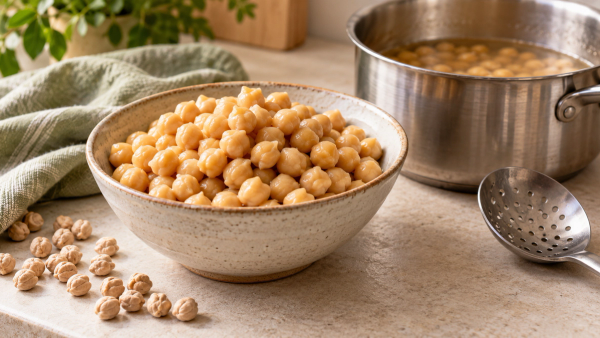
For overnight flights, I lean shelf-stable whenever possible: crackers, fruit with a peel, nuts, sealed granola bars, roasted chickpeas, jerky if I’m not traveling somewhere with strict meat import rules, and plain cookies. If you’re crossing borders, be careful with fresh fruit, meat, dairy, and seeds. Customs rules vary by country and they are not kidding around. I once had an apple confiscated on arrival and the officer looked at me like I had attempted agricultural treason. Fair enough, honestly.
A few destination-specific habits I’ve picked up
#Food travel has taught me that the best red-eye plan changes by city. In Seoul, I’ll eat a gentle bowl of juk, that silky rice porridge, before a late flight if I can find it. In Paris, I do the very unglamorous thing and buy a simple jambon-beurre earlier, then eat half before boarding and save half only if it’s safe and still appealing. In Bangkok, I avoid the fiery som tam right before flying even though it’s one of my favorite foods on earth, because green papaya salad at midnight and airplane sleep are not always friends. In New Orleans, I have learned not to treat the airport as my last-chance gumbo emergency. There will be more food in life. Probably.
And then there are cities where I break my own rules because the food moment is worth it. I had a late flight from Barcelona once and ended up eating pan con tomate, anchovies, and a small tortilla at a bar near the airport hotel. Salty? Yes. A little oily? Sure. But the portion was sane, the flavors were clean, and I walked around for 30 minutes after. That walk helped. I’m convinced movement after dinner is the secret ingredient nobody puts on the menu.
The landing breakfast is part of the plan too
#A red-eye food plan doesn’t end when the plane lands. This is where I used to mess up badly. I’d arrive exhausted, eat the first giant breakfast I saw, then feel like I’d swallowed a duvet. Now I try to land soft. Water first. Coffee second, if I’m not shaky. Then something local but not huge. In London, porridge or eggs and toast before I go hunt down a proper bakery later. In New York, a bagel is tempting immediately, but sometimes I split one because those things are built like delicious bricks. In Singapore, kaya toast and soft eggs feels like the perfect “I survived the night” meal.
If hotel check-in isn’t ready, I build a mini food crawl around gentle stops: coffee, fruit, soup, bakery, walk, nap if the travel gods allow it. Eating is how I meet a city, but on arrival morning I don’t need to meet the whole city in one plate. Jet lag makes you vulnerable to dramatic decisions. Suddenly you’re ordering fried noodles, two pastries, and a second coffee because “it’s basically lunch at home.” It is not lunch at home. It is 8:20 a.m. and you are wearing the same shirt from yesterday.
My real red-eye packing list, not the pretty version
#Here’s what’s usually in my bag: empty water bottle, one electrolyte packet, crackers, a banana or orange, a small sandwich if timing allows, ginger tea, gum, and one treat. The treat matters. A chocolate square, a small cookie, something from the place I’m leaving. Food should still feel like travel, not punishment. I just don’t pack ten treats and call it dinner anymore.
I also bring napkins, because I have spilled yogurt on myself in an airport lounge and had to dab at my jeans with boarding passes. I bring a zip bag for wrappers because seatback pockets are gross little museums. And I bring mints, not because I’m fancy, but because red-eye breath is a public health issue in spirit if not in law.
My red-eye rule is simple: eat like someone who wants to sleep, pack like someone who expects a delay, and skip like someone who has learned the hard way.
So, eat, pack, and skip... but don’t get weird about it
#The best travel food advice has a little flexibility in it. If you’re in Rome and your only chance for one last carbonara is before a late flight, I’m not going to tell you to eat plain rice cakes and feel morally superior. Eat the carbonara. Maybe share it. Maybe walk after. Maybe skip the second glass of wine. Travel is supposed to have joy in it, and food is one of the best parts, maybe the best part if you ask me on the right day.
But if you’ve got a brutal overnight flight, a tight connection, or a full day of exploring right after landing, your future self will thank you for being just a tiny bit strategic. Eat a calm meal early. Pack snacks that won’t betray you. Skip the greasy, spicy, fizzy, salty chaos if sleep matters. And when you land, go find the good stuff properly, with both feet on the ground and your stomach not plotting revenge. That’s the whole trick, really.
Anyway, that’s my very lived-in red-eye food plan. Not perfect, not fancy, but it’s saved me from some truly grim 3 a.m. airplane moments. If you’re as obsessed with eating your way through the world as I am, poke around AllBlogs.in sometime. There’s always another food trip to daydream about, preferably one with better sleep and fewer crushed bananas in the backpack.