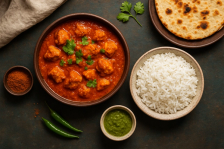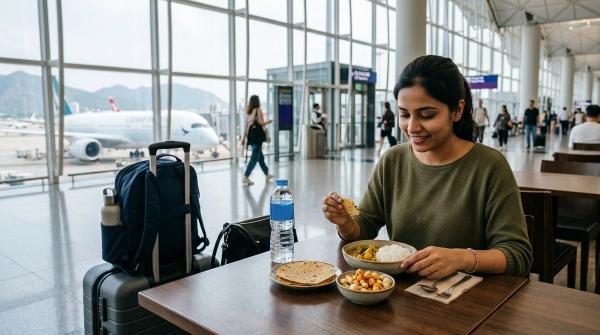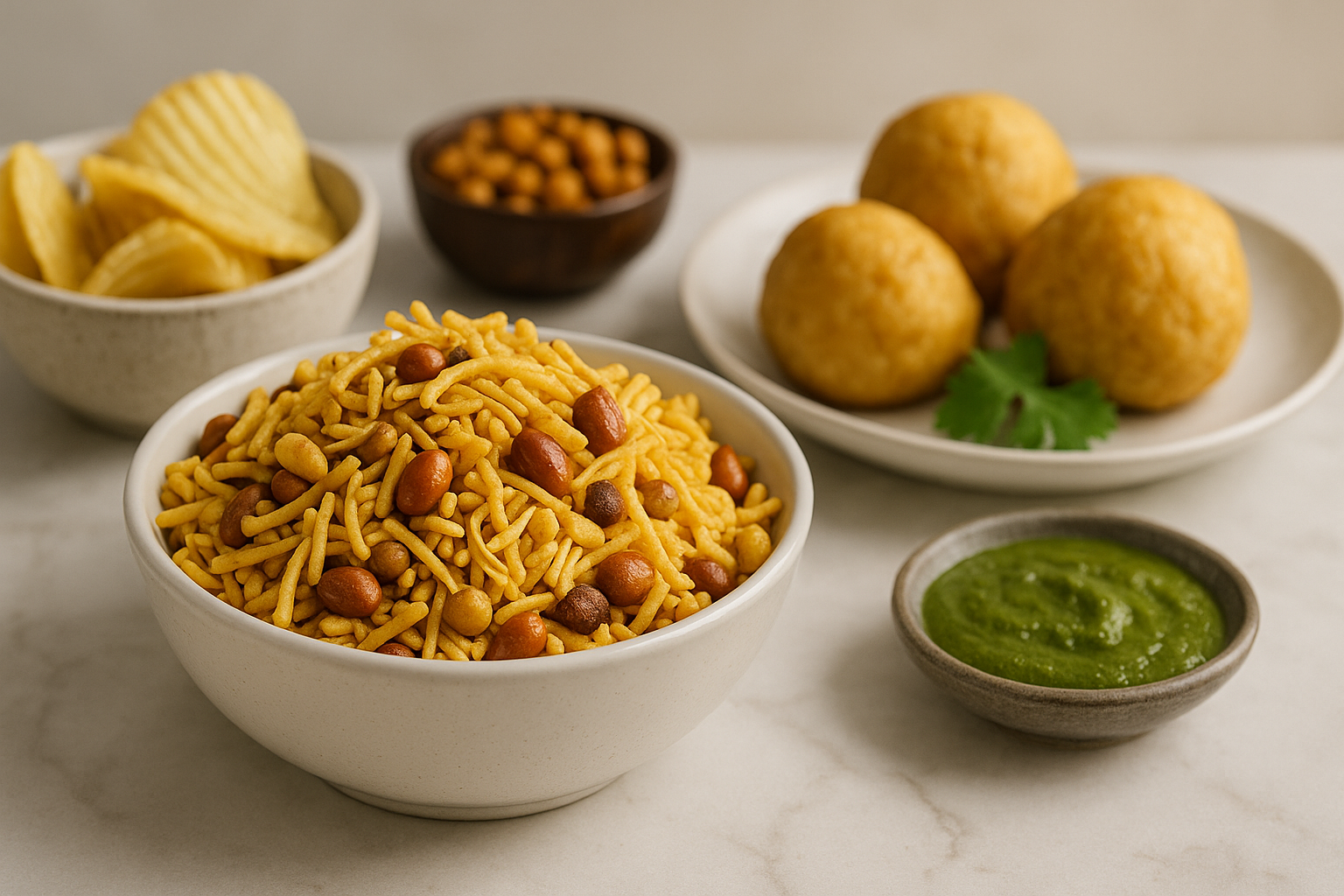
I’m gonna be honest, the first time I walked into an Indian grocery store abroad I almost got emotional over a shelf of Haldiram’s. Bit dramatic? Maybe. But if you’ve lived outside India, or outside your parents kitchen at least, you probably get it. There’s this weird little jolt when you see khakhra, masala peanuts, Parle-G, frozen idli, packets of chaat masala, all sitting there under bright supermarket lights in some cold foreign suburb. Suddenly the day gets better. Suddenly you can survive winter in Toronto or student life in Berlin or that random office lunch in Dublin.
This post is basically my love letter to the stuff I always keep in my pantry now. Not the fancy dinner ingredients necessarily. The snacks. The little crunchy, spicy, salty, tangy things that fill the gap between proper meals and nostalgia. The things NRIs, students, expats, whoever you wanna call us, hoard like squirrels. Some of them are obvious, some are underrated, and some I didn’t appreciate till I moved abroad and realised a decent sev mamra mix can genuinely fix a bad week.
Why these snacks matter way more than people think
#People who don’t grow up around Indian snack culture think snacks are, like, crisps and maybe cookies. Which... sure. Fine. But Indian pantry snacks are a whole ecosystem. There’s texture, spice, sweetness, fried things, roasted things, things for chai, things for road trips, things for guests, things your mom says are for guests but everybody eats anyway. Abroad, these become emotional support foods. I said what I said.
Also, 2026 grocery culture is kinda wild in a good way. Indian grocery chains and South Asian aisles have expanded in a lot of cities, and not just in places with huge desi populations. You’re seeing more regional brands, more millet-based snacks, more air-fried or baked namkeen options, more vegan labelling, more ‘no palm oil’ claims, and way better frozen-snack sections than even a few years ago. Quick-commerce and diaspora grocery apps have changed the game too. In cities like London, Dubai, Singapore, Toronto, Sydney and parts of the US, you can get samosa sheets, peri peri makhana, fresh curry leaves, and three brands of bhujia delivered faster than your pizza. Absolutely ridiculous. I love it.
My actual always-buy list, the stuff I panic over when it runs low
#- Bhujia. Not optional. This is not a suggestion, this is infrastructure.
- Sev, usually fine nylon sev and a thicker one too, because texture matters and me and my snacks take that seriously.
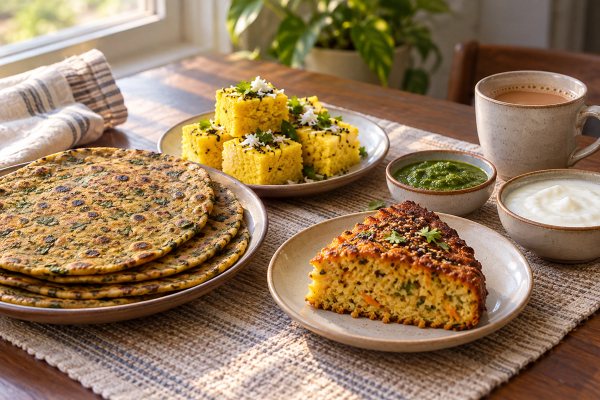
- Khakhra, especially methi or jeera. Sometimes pizza flavour if I’m feeling shameless.
- Makhana, plain roasted and masala-coated both. The 2026 wellness crowd loves it and annoyingly, they’re right.
- Masala peanuts or moong dal. One for crunch, one for chaos.
- Murukku or chakli. I can finish a bag while pretending I’m only having a few.
- Aloo bhujia for sandwich emergencies. If you know, you know.
- Rusk and Parle-G because chai without dunking is just sad.
- Instant bhel components. Puffed rice, sev, chutneys, peanuts, chaat masala. Basically a survival kit.
- Frozen samosas or kachoris for guests, or for pretending I have my life together.
I know, I know, some of these aren’t technically pantry if they’re frozen. But emotionally they belong in the same category. Pantry of the soul maybe... wow that sounded cheesey, but you get me.
Bhujia is the MVP and I won’t hear otherwise
#If I had to choose one NRI pantry essential, one, just one, it would probably be bhujia. It goes on poha, upma, sandwiches, buttered toast, chaats, rice and dal when dinner is depressing, even on avocado toast if you’ve gone fully diaspora-brain. I remember one exam season years ago, I was living on plain toast, chai, and bhujia sandwiches because I was broke and too tired to cook. Was it nutritionally balanced? Absolutely not. Did it get me through? Yes, boss.
These days there are more variations too. You still get the classic besan-and-moth-bean style mixes, but there are baked spiced strands, multigrain versions, lower-oil attempts, and assorted flavour mashups made for younger shoppers. Personally I still trust the old-school stuff more. Some innovations are cool, some taste like they were designed in a boardroom. Harsh but true.
The healthy snack shelf got weirdly good in 2026
#One of the biggest shifts lately is how Indian snacks abroad are no longer stuck in the ‘indulgent treat only’ lane. There’s a whole better-for-you category now, and some of it is actually good, not fake-good. Roasted makhana has gone fully mainstream, not just among Indians but gym people, office people, and those folks who say things like mindful snacking. Then there’s baked millet chips, jowar puffs, ragi crisps, roasted chana in about fourteen flavors, protein chevda, foxnut trail mixes, seed crackers with achari seasoning... some of these sound a bit too startup-y, but several are delicious.
Millets keep popping up because of the whole post-International Year of Millets momentum that didn’t really die down. Brands are still leaning into ragi, bajra, jowar and amaranth, especially for diaspora shoppers who want something nostalgic but maybe easier to justify to themselves at 11 pm. I’ve tried a bunch. My verdict? Roasted chana is still the king of practical snacking, and masala makhana is the one most likely to disappear from my kitchen in two days.
Regional snacks are finally getting the love they deserve
#This part makes me genuinly happy. Earlier, in a lot of overseas stores, the selection could feel weirdly north-Indian-heavy plus a generic ‘South Indian snacks’ shelf. Now the range is way broader. I’m seeing banana chips from Kerala in multiple styles, not just salted but jaggery-coated and peppery. There’s proper murukku and thattai. More Gujarati farali snacks. Bakarwadi from Pune. Bengali chanachur. Goan bebinca in some specialty places around festive seasons. Even smaller-batch brands are sneaking into mainstream diaspora stores, which honestly feels overdue.
I visited a newer South Asian market in West London last year and stood there for a full ten minutes comparing three kinds of spicy mixture like it was a sommelier tasting. That shop also had a hot snack counter, fresh fafda on weekends, and a freezer full of regional breakfast things. Similar thing in parts of the Greater Toronto Area and New Jersey too, where some newer-format Indian supermarkets are part grocery store, part sweet shop, part cafe, part chaos. The line between pantry shopping and food outing has kinda blurred now.
What I actually build from these snacks when I’m too lazy to cook
#This is where the pantry magic happens. Because snacks are snacks, yes, but they’re also ingredients. On rough weekdays I do tiny assembled meals that would make a nutritionist sigh, though sometimes they’re honestly not bad.
- Khakhra topped with hung curd, chopped onion, tomatoes, sev, coriander and chaat masala. Instant fake-sev-puri energy.
- Bhujia toast with butter and sliced cucumber. Sounds stupid. Tastes amazing.
- Makhana quickly tossed in ghee, curry leaves, chilli powder and black pepper when the packet seasoning feels boring.
- Chevda with chopped onion, lemon, fresh coriander and maybe pomegranate if I’m feeling fancy and financially irresponsible.
- Murukku on the side of rasam or soup. Not traditional maybe, but crunchy is crunchy.
- Masala peanut yogurt bowl. Thick yogurt, peanuts, chilli oil, coriander. Sort of snack raita. Sort of an accident.
I think a lot of us abroad eat like this more often than we admit. Not every meal is a beautiful thali. Sometimes dinner is chai and two khakhras and whatever namkeen is open already. That’s life, yaar.
A quick word on brands, trends, and what people are buying now
#The big familiar brands still dominate shelves, obviously, especially for namkeen, biscuits, ready-to-eat bits, spice blends, and frozen snacks. But there’s more competition now from newer regional labels and health-positioned brands, plus store-brand products from big ethnic grocery chains. Packaging has also changed a lot. Better resealable pouches, clearer allergen info, vegan or gluten-free labels where relevant, and more QR-driven traceability stuff on premium products. It sounds boring but actually matters when you’re shopping for a mixed household or taking snacks to school or work.
One trend I’ve noticed in 2026 is collab flavors and crossover snacks. Peri peri khakhra, Korean-chilli peanuts, schezwan sev, achaari tortilla-style chips from South Asian brands trying to hook younger diaspora customers. Some are good, some are trying too hard. I’m split on this because part of me rolls my eyes, but another part of me absolutely demolished a bag of chilli-lime makhana last week. Contradictory? Maybe. Human? Also yes.
How I shop now versus how I used to
#In the beginning I used to overbuy. Like full panic-shopping mode. Twelve snack packets, six pickle jars, random papads I didn’t even know how to roast properly, frozen medu vada, 4 kilos of atta, then get home and realise I still had no onions. Classic beginner mistake. Now I shop in layers. One comfort snack, one practical tea-time thing, one healthier roasted thing, one emergency frozen item, one sweet. Otherwise the pantry becomes a sodium museum.
The smartest NRI pantry isn’t the biggest one. It’s the one that can turn homesickness into a 7-minute snack plate and a decent cup of chai.
A few things I wish more people knew about storing this stuff abroad
#Humidity is the enemy. So is radiators-in-winter heat, weirdly. If you live in a damp place, move namkeen into airtight jars fast. Khakhra goes stale quicker than your optimism if you leave it half open. Makhana gets chewy. Rusks absorb every smell in the cupboard and then somehow taste like cumin and coffee at the same time. Been there. Also don’t keep all your chili-heavy snacks in direct light unless you enjoy faded flavor and mild regret.
And if your local store gets fresh snack deliveries on specific days, learn that schedule. This is such auntie advice but it’s useful. Fresh fafda, dhokla mix, bakery khari, even some namkeen batches are noticeably better right after restock. The old packet at the back? no thanks.
Restaurants, cafes, and why grocery snacks still win sometimes
#Look, I love the current boom in Indian and South Asian food abroad. New cafes, modern mithai shops, regional tasting menus, chai bars, all of that. A lot of cities have had exciting openings recently and the scene keeps evolving, especially for regional Indian food and street-food-inspired menus. You can find beautiful plated chaats now, artisanal mithai gift boxes, even makhana on bar snack menus in some places. Great. Love the ambition.
But weirdly, after all that restaurant excitement, I still come home and want the grocery-store snack version. Not because it’s better in some objective food-writer way. Just because it’s mine. Because opening a packet of spicy peanuts while the kettle boils feels familiar. Because khari biscuits from the local Indian bakery abroad, eaten standing in the kitchen, hit harder than a carefully deconstructed mille-feuille thing ever will. Maybe that’s nostalgia talking. Definitely that’s nostalgia talking.
If you’re building your first NRI snack pantry, start here
#- One crunchy all-rounder: bhujia or sev
- One tea buddy: rusk, khari, or Parle-G
- One ‘healthy-ish’ option: roasted chana or makhana
- One regional favorite that feels like home to you specifically
- One emergency frozen snack for rainy evenings
- Chaat masala and a good lemon. Honestly these are half the personality
Don’t try to recreate an entire Indian supermarket in week one. Start with what you’ll actually eat. Sounds obvious, but when you’re homesick you buy with your heart and then six months later you’re staring at unopened sabudana sticks wondering what happened.
Final snacky thoughts from someone who takes this way too seriously
#The older I get, the more I realise pantry essentials aren’t just about convenience. They’re identity, routine, small comforts, and tiny edible links to people and places. Every NRI pantry looks a bit different. Yours might be all banana chips, mixture, and instant filter coffee. Someone else’s is mathri, pickle, and tea rusks. Mine is a slightly chaotic shelf of bhujia, makhana, khakhra, peanuts, frozen samosas, and at least two things I bought just because the packaging reminded me of home.
So yeah, Indian grocery snacks abroad are not side characters. They are the plot sometimes. They rescue bad workdays, feed unexpected guests, fix boring lunches, and make a faraway place feel less far away. And if you’re still figuring out your own essentials, trust your cravings a little. They usually know what they’re doing, even when you don’t. Anyway, now I’m craving chai and murukku, which is honestly your fault for reading this far. If you like these kind of rambling food thoughts, go poke around AllBlogs.in too, there’s always something tasty to fall into.