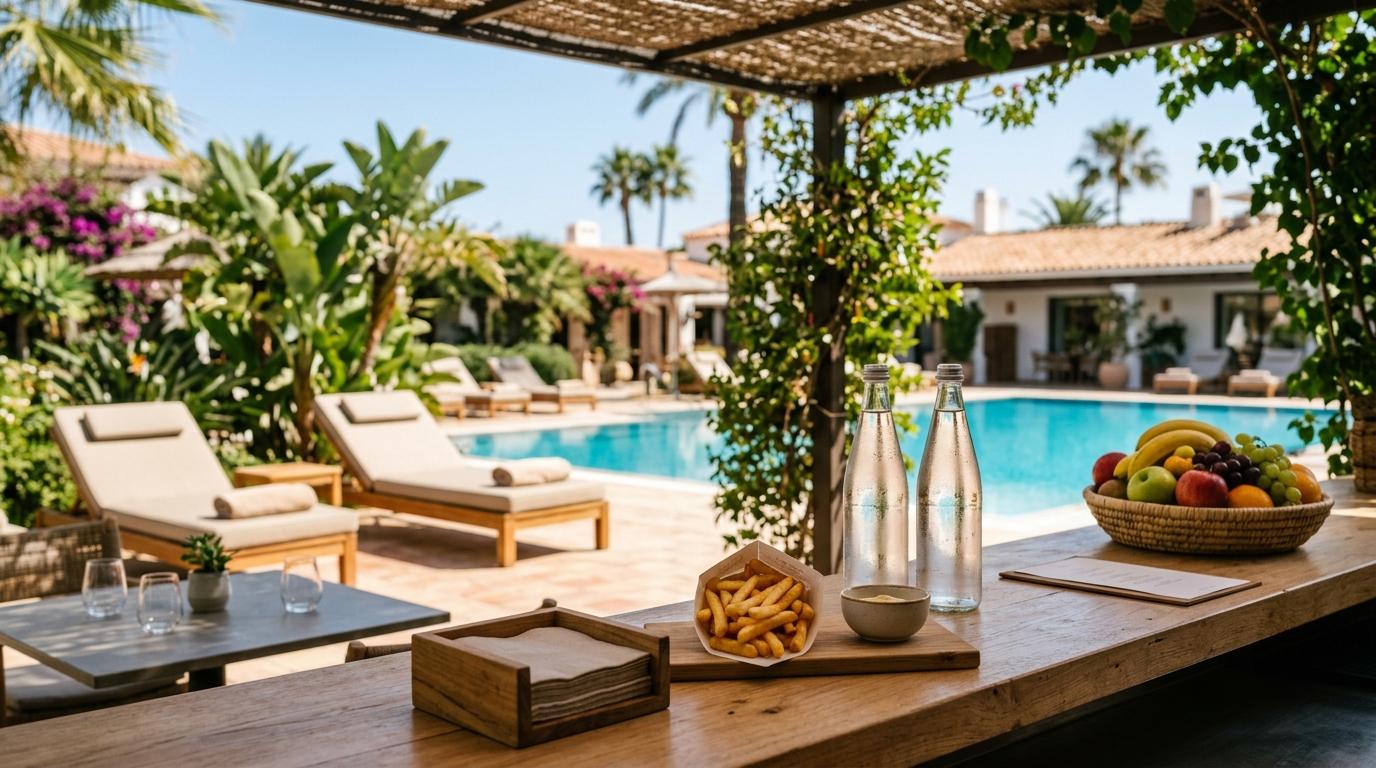
You finally found the good lounge chair. The kids are happy. The towels are spread out. Someone has claimed the tiny patch of shade like it’s beachfront real estate.
And then, five minutes later, somebody is starving.
Pool fries? Obviously. A smoothie? Sounds perfect. Maybe a club sandwich, a fruit cup, or chicken tenders for the kids. Hotel and resort snack bars are a vacation lifesaver because nobody really wants to pack everything up and leave the pool just to eat.
But pool food has one extra challenge: heat.
Good pool snack bar food safety is not about being nervous every time you order lunch. It is about knowing which foods handle a hot, wet, snack-all-afternoon pool deck pretty well, and which ones need to stay cold, stay hot, or be skipped if they look questionable.
Here’s a practical, no-panic guide to choosing safer hotel pool snacks, ordering smarter resort snack bar food, and dealing with leftovers before they become a problem.
Quick Answer
#For better poolside food safety, your safest bets are usually:
- Freshly cooked food served hot
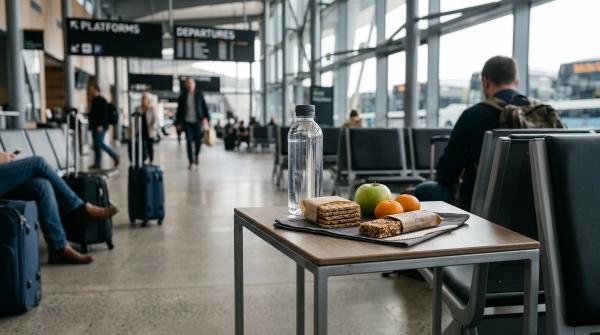
- Dry, factory-sealed snacks
- Whole fruit you can peel yourself
- Sealed bottled or canned drinks
Be more careful with foods that spoil easily, including cut fruit, deli meats, dairy, creamy salads, cooked meats, seafood, sandwiches, and wraps. These need to stay cold or be eaten soon after you get them.
A simple rule helps:
- If it’s a normal warm day, don’t leave perishable food out for more than 2 hours.
- If it’s above 90°F, don’t leave perishable food out for more than 1 hour.
If something is lukewarm when it should be hot, warm when it should be cold, or has been sitting in the sun for who knows how long, skip it.
And before eating finger foods, wash your hands or use hand sanitizer with at least 60% alcohol.
Why Pool Food Is a Little Different
#Food by the pool has a harder life than food served inside a restaurant.
Pool decks are hot, wet, crowded, and full of distractions. People are touching lounge chairs, towels, sunscreen bottles, pool gates, menus, phones, and shared tables. Kids jump in and out of the water between bites. Ice melts fast. Food sits in the sun while everyone says, “I’ll eat more in a minute.”
That’s where travel food safety starts to matter.
The USDA often talks about the food safety “Danger Zone,” which is between 40°F and 140°F. In that range, bacteria can grow quickly on perishable foods. A hot pool deck makes it much easier for food to drift into that risky middle zone, especially if it is not kept cold, held hot, or eaten fairly soon.
There’s also moisture everywhere: wet hands, dripping swimsuits, melting ice, condensation on cups, and damp tables. Germs tend to do better with moisture, so pool areas can make food a little trickier to manage.
That does not mean pool food is automatically unsafe. It just means the best choices are usually the simplest ones: food that is still hot, food that is clearly cold, or dry packaged snacks that don’t need much babysitting.
Safest Things to Buy at the Pool Snack Bar
#When you’re scanning the menu, look for foods that are sealed, dry, freshly cooked, or easy to peel. These are usually the lowest-effort choices for a long pool day.
Dry, Factory-Sealed Snacks
#For slow poolside grazing, sealed dry snacks are hard to beat.
Good choices include:
- Chips
- Pretzels
- Crackers
- Popcorn
- Granola bars
- Trail mix
- Packaged cookies
- Sealed snack packs
These foods do not need refrigeration, which makes them much easier to handle in hot weather. They are also easier to keep clean if you open one package at a time and avoid reaching in with wet or sunscreen-covered hands.
If you’re traveling with kids, individual snack packs are especially useful. A small bag of pretzels is a lot safer and cleaner than one giant family-size bag being passed around between pool jumps.
Freshly Cooked Hot Food
#Hot food can be a good pool snack bar choice when it is cooked fresh and served hot.
Look for things like:
- Freshly grilled burgers
- Hot fries
- Pizza straight from the oven
- Chicken tenders served hot
- Toasted sandwiches made to order
The key word is hot. Not kind of warm. Not “probably hot 20 minutes ago.” Hot.
Eat these foods while they are fresh, especially if they include meat, poultry, seafood, cheese, or creamy sauces. If something looks like it has been sitting under a weak heat lamp for a long time, choose something else.
Whole, Unpeeled Fruit
#Whole fruit is one of the easiest safer pool snacks.
Good options include:
- Bananas
- Oranges
- Apples
- Pears
- Whole peaches or nectarines, if you can wash them
The peel or skin helps protect the part you eat. If you are eating the skin, like with apples or pears, wash the fruit with safe water first if possible. If washing is not practical, choose fruit you can peel yourself, like a banana or orange.
Bottled or Canned Drinks
#Factory-sealed drinks are usually the easiest and safest option, especially if you are traveling somewhere with uncertain tap water quality.
Good choices include:
- Bottled water
- Canned sparkling water
- Sealed juice
- Canned soda
- Sealed sports drinks
Check that the cap or seal is intact before drinking.
Foods to Be More Careful With
#Some pool foods are perfectly fine when they are handled well. The problem is that they do not hold up as well in heat.
These are not always “never eat” foods. They are more like “check the temperature and use common sense” foods.
Cut Fruit and Vegetables
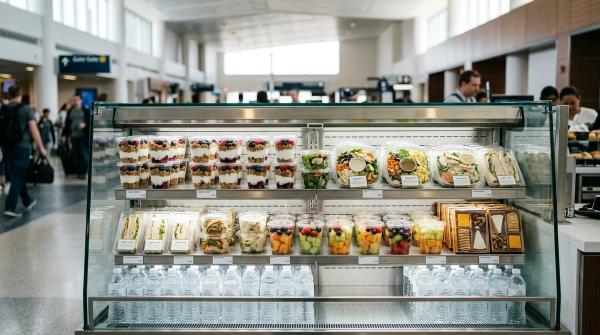
#A cold fruit plate sounds amazing on a hot day, and it can be a great choice if it has actually been kept cold.
Be more cautious with:
- Cut melon
- Berries
- Sliced pineapple
- Fruit cups
- Cut cucumber
- Carrot sticks
- Vegetable trays
Once fruit or vegetables are cut, they become more perishable. They should be kept cold, ideally straight from a refrigerator or displayed over ice.
If cut fruit arrives warm, looks dried out around the edges, or has been sitting next to your chair in the sun for a while, don’t save it for later.
Deli Meats, Sandwiches, and Wraps
#Club sandwiches, turkey wraps, ham and cheese rolls, and similar hotel pool snacks can be convenient, but they need good temperature control.
Be careful with:
- Deli meat sandwiches
- Chicken wraps
- Tuna sandwiches
- Egg salad sandwiches
- Cheese-heavy sandwiches
- Pre-made grab-and-go rolls
If a sandwich is meant to be cold, it should be cold when you get it. Once it sits out in hot weather, the clock starts ticking.
If you know the kids are going to take two bites and run back to the pool, consider ordering smaller portions or choosing something less perishable.
Creamy Salads and Dairy-Based Foods
#Creamy foods are not great at handling heat.
Be cautious with:
- Potato salad
- Pasta salad
- Coleslaw
- Creamy dips
- Yogurt parfaits
- Soft cheeses
- Cream- or custard-filled desserts
Only choose these if they are clearly chilled. If they are sitting out on a counter without ice or refrigeration, skip them.
Lukewarm Buffet or Display Food
#This is one of the biggest red flags.
Hot food should be hot. Cold food should be cold. Food hanging out somewhere in the middle is not worth the gamble, especially at a buffet, pool club spread, or snack display.
Be cautious with:
- Fried food that is warm but not hot
- Pizza slices that look tired
- Rice dishes sitting at room temperature
- Meat that is no longer steaming
- Cold salads without visible chilling
If you can’t tell how long something has been sitting there, go with packaged snacks or food cooked to order.
Drinks and Ice
#Staying hydrated matters, especially in hot weather. But drinks deserve a quick safety check too.
Choose Sealed Drinks When You’re Unsure
#If you are somewhere the tap water may not be safe to drink, sealed bottled or canned drinks are the better choice.
This is especially helpful for:
- Kids
- Pregnant travelers
- Older adults
- Anyone with a sensitive stomach
- Travelers adjusting to a new destination
Make sure the bottle or can is sealed before you drink it.
Be Smart About Ice
#Ice is only as safe as the water used to make it and the way it is handled.
If local tap water is not safe to drink, skip ice unless you are confident it was made with safe water. Even at a nice resort, it is fine to ask. Or make life easy and choose a sealed chilled drink instead.
Also watch how ice is handled. Ice should be scooped with a clean scoop, not bare hands or a cup dipped into the ice bin.
Take a Closer Look at Smoothies and Frozen Drinks
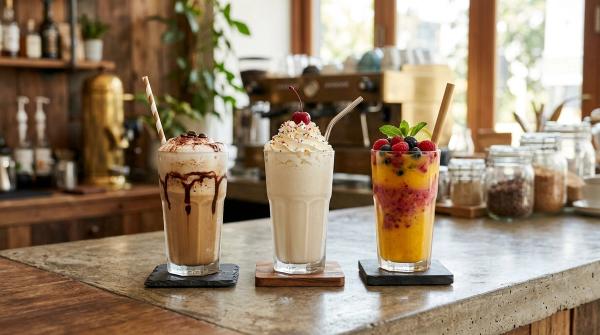
#Smoothies, frozen drinks, and blended fruit drinks can be fine when they are made with safe water, clean equipment, and cold ingredients.
But they do involve a lot of moving parts:
- Ice
- Fruit
- Juice or dairy
- Blender jars
- Garnishes
- Repeated handling
If the stand looks clean, the ingredients are cold, and drinks are made fresh, that is a good sign. If fruit is sitting out warm or the blender area looks messy, choose a sealed drink.
Clean Your Hands Before Finger Foods
#This sounds obvious, but at the pool it matters more than usual.
Before eating fries, chips, fruit, sandwiches, or anything else you touch with your hands, wash with soap and water if available. If not, use hand sanitizer with at least 60% alcohol.
Pool water, sunscreen, handrails, lounge chairs, shared menus, and snack bar counters all add up. Clean hands are one of the easiest travel food safety habits to keep.
Tips for Families and Kids
#Families have a special pool food problem: kids do not eat like adults on vacation.
They take two bites, jump back in, come back dripping wet, grab a few chips, abandon a sandwich, then suddenly want that same sandwich 45 minutes later.
Totally normal. Not ideal for hot weather food.
A few small habits can help.
Order Smaller Amounts More Often
#Instead of ordering one big spread that sits out for an hour, order in rounds.
For example:
- Fries now
- Fruit later
- Sealed snacks in between
- Freshly cooked lunch when everyone is actually ready to eat
This keeps perishable food from sitting too long in the heat.
Give Kids Small Portions
#Put a little food on each child’s plate and keep the rest protected.
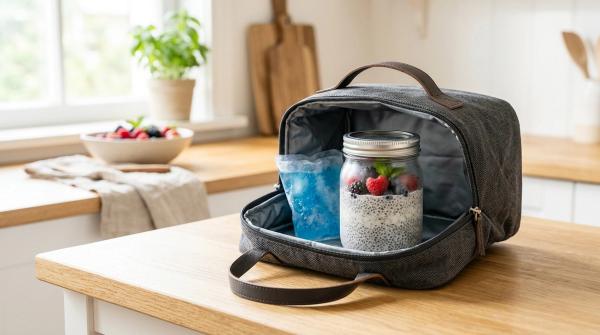
If you need to save cold food, it should go into a cooler with ice packs or back into a refrigerator quickly. Shade is better than full sun, but shade is not refrigeration.
Make Hand Cleaning Part of Snack Time
#Before snacks, hands get cleaned. Every time if you can manage it.
This is especially important with finger foods. If soap and water are not nearby, sanitizer with at least 60% alcohol is the practical backup.
Avoid the Giant Shared Snack Bag
#A big open chip bag passed around between wet hands can get gross quickly.
Instead, pour snacks into small portions or use individual packs. This helps keep pool water, sunscreen, and germs out of the food.
What to Do With Leftovers
#Leftovers are where a lot of travelers get tripped up.
It feels wasteful to throw away half a sandwich or leftover chicken tenders, especially if you have a mini-fridge back in the room. But refrigeration later does not undo the time food already spent sitting on a hot pool deck.
Use the 2-hour/1-hour rule:
- Perishable food should not sit out for more than 2 hours.
- If the temperature is above 90°F, perishable food should not sit out for more than 1 hour.
Perishable pool foods include:
- Meat
- Poultry
- Seafood
- Cooked rice
- Cooked pasta
- Cut fruit
- Dairy foods
- Deli sandwiches
- Wraps
- Creamy salads
- Cooked leftovers
If food has been sitting out too long, do not take it back to the room “just in case.” Toss it.
What can you save? Dry, non-perishable snacks are usually fine if they stayed clean and dry. Whole, unpeeled fruit is usually fine too, especially bananas and oranges.
Red Flags to Watch For
#Before ordering resort snack bar food, take a quick look around. You do not need to inspect the place like a health officer. Just notice the obvious stuff.
Food Temperatures Look Wrong
#Skip food if:
- Cold salads look warm
- Cheese looks oily or sweaty
- Cut fruit is sitting out without ice
- Hot food is not steaming or clearly hot
- Buffet trays look neglected
- Food warmers seem barely warm
The basic rule is simple: hot should be hot, and cold should be cold.
The Ice Area Looks Messy
#Be cautious if:
- People are scooping ice with cups
- The scoop is sitting in dirty water
- Staff touch ice with bare hands
- Meltwater is pooling around garnishes
- The ice bin looks uncovered or messy
If you are unsure, choose a sealed drink.
Staff Are Handling Money and Food Without Cleaning Hands
#Snack bars get busy. People rush. It happens.
Still, ready-to-eat food needs clean handling. If you see the same person handling cash, touching phones or counters, and then grabbing food without washing hands or changing gloves, stick with packaged items or cooked-to-order foods that are handled properly.
Food Has Been Sitting in the Sun
#This one is easy.
If perishable food has been sitting uncovered in direct sun, skip it.
That includes:
- Sandwiches
- Cut fruit
- Dairy desserts
- Cooked meats
- Dips
- Creamy salads
- Seafood
- Wraps
Quick Pool Snack Bar Food Safety Checklist
#Use this quick pool snack bar food safety checklist before you order or eat:
- Wash hands or use sanitizer with at least 60% alcohol.
- Choose sealed drinks when water safety is uncertain.
- Order hot food that is freshly cooked and served hot.
- Choose cold food only if it is clearly chilled.
- Pick dry, packaged snacks for slow grazing.
- Be cautious with cut fruit, deli meats, dairy, and creamy salads.
- Skip lukewarm buffet or display food.
- Keep perishables out no longer than 2 hours, or 1 hour above 90°F.
- Do not save perishable leftovers that sat out too long.
- When in doubt, throw it out.