Okay so, return gifts. I know people act like it’s a small wedding detail, but honestly? It can become one of those tiny things that eats your brain at 1:17 am while you’re comparing potli bags online and wondering why one spoon set is ₹89 and another is ₹349. I’ve been there, with chai gone cold next to me, making Excel sheets like some finance aunty. Indian weddings in 2026 are bigger, prettier, more Instagram-friendly, and also somehow more expensive than ever, so useful budget return gifts are not just cute anymore. They’re survival.
And let’s be real, guests do remember return gifts. Maybe not every single detail, but they remember if you gave something thoughtful. They also remember if you gave one of those shiny plastic boxes that breaks before they reach home. Sorry, but true. The sweet spot is simple: something useful, decent-looking, easy to carry, and not brutally expensive when multiplied by 200, 500, or god forbid 1,200 guests.
First, Decide the Budget Before You Fall in Love With Fancy Stuff
#This is where most of us mess up. We start browsing first. Bad idea. Because suddenly you’re looking at custom brass diyas, embroidered pouches, mini perfume hampers, artisanal honey, and next thing you know the return gift budget has become more than the mehendi decor. In 2026, even basic packaging has become costlier in many cities, especially if you want custom names, foil printing, ribbon tags, all that jazz. So decide a per-piece budget first, then shop. Boring advice, but it saves your life.
- Under ₹50 per guest: edible gifts, small utility items, seed pencils, mini soaps, simple potlis
- ₹50 to ₹100: steel bowls, spice jars, dry fruit cones, tea packs, cotton towels, small diyas
- ₹100 to ₹200: ceramic mugs, lunch boxes, premium candles, jute bags, brass or copper small items
- ₹200 and above: personalized hampers, home decor, luxury sweets, wellness boxes, good quality travel accessories
Also, don’t forget packaging cost. I swear this is the hidden villain. A ₹70 gift becomes ₹105 once you add a box, sticker, thank-you tag, and delivery. And if you’re ordering from another city, courier charges can quietly slap you.
Edible Return Gifts Are Still the Safest Bet, But Make Them Interesting
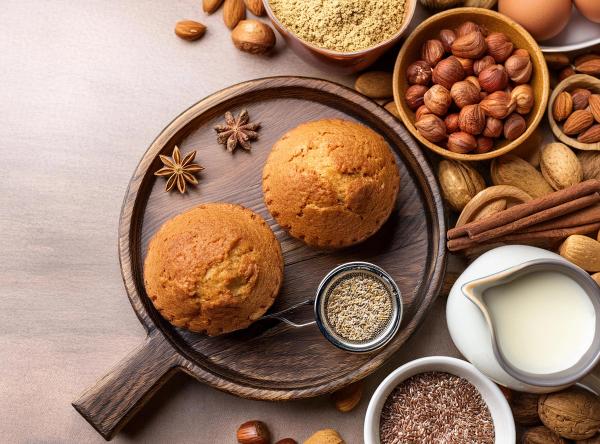
#If you ask me, edible gifts are underrated. People may not use a coaster set, but they will definitely eat good laddoos, masala nuts, tea, chocolate, pickle, or that fancy chikki that comes in nice paper wrapping. In 2026, the trend has moved a little away from huge sweet boxes and more toward compact, premium-looking edible gifts. Less waste, less sugar overload, easier to carry. Also elders don’t complain, which is honestly half the battle.
Some nice budget ideas: mini jars of gulkand, flavoured makhana, millet cookies, masala chai blends, jaggery-coated nuts, regional snacks, or homemade-style pickles. Millet snacks are still having their moment, especially after all the health chatter in the last couple of years. And if your families are from different states, this can become really sweet. Like Bengali nolen gur sweets for one side, Mysore pak bites for another, or small packets of filter coffee for a South Indian wedding. Personal, but not too complicated.
My little warning about sweets
#Please check shelf life. Please. I once saw a cousin’s wedding where the return gift sweets were packed too early and by reception day they were… not cute. If you’re doing fresh sweets, coordinate delivery close to the event. For destination weddings or summer weddings, avoid anything that melts into sadness. Dry snacks, tea, coffee, roasted nuts, and sealed jars are safer.
Useful Kitchen Gifts That People Actually Keep
#Kitchen gifts sound old-fashioned, but hear me out. A good steel dabba, spice jar, spoon rest, masala box, bottle opener, tea strainer, or small serving bowl is used in real homes. Especially in India. We all have that one random steel bowl from someone’s wedding in 2008 that is still being used for chutney. It outlived trends, relationships, maybe even the mixer grinder.
For budget weddings, stainless steel is your friend. It’s durable, easy to source in bulk, and doesn’t look cheap if you choose clean designs. Copper bottles were huge a while back, but in 2026 I’m seeing people choose smaller copper tumblers or copper-coated items because full bottles can be pricey and quality varies a lot. If you’re buying copper, check if it’s actually safe and usable, not just decorative coating that peels.
- Mini steel containers with a thank-you sticker on top
- Two-piece glass jar sets for spices or dry fruits
- Small ceramic bowls, especially for intimate weddings
- Good quality fridge magnets with bottle openers, if you want something fun and useful
- Cotton kitchen towels tied with a small packet of tea or cookies
Eco-Friendly Gifts Are Not Just a Trend Now
#A few years ago, eco-friendly return gifts felt like a niche thing. Now it’s pretty mainstream, especially for younger couples. And thank god, because nobody needs more plastic trays with fake gold borders. In 2026, seed paper tags, jute bags, bamboo items, terracotta diyas, cloth potlis, and plantable pencils are everywhere. The good part is, many of these are budget-friendly if you buy locally.
Small plants are adorable, but I have mixed feelings. Succulents and money plants look great in photos, but carrying them home can be annoying, especially if guests are traveling. If you do plants, keep them tiny and pack them properly. Or do seed balls, seed paper bookmarks, or herb seed kits. They give that green vibe without making guests babysit a plant during the buffet.
My rule is simple: eco-friendly should not mean inconvenient. If your guest has to hold mud, water, and a leaking pot while wearing silk, maybe rethink it.
Personalized Gifts Without Spending Like Crazy
#Personalization is lovely, but it can also get tacky fast. I personally don’t think every guest wants a mug with the couple’s full wedding hashtag printed in giant letters. Maybe that’s just me being mean, but still. A small monogram, a thank-you note, or a custom label is enough. In fact, minimal personalization looks more expensive.
One very current thing I like is adding a QR code thank-you card. Not a huge video production, just a small card that links to a message from the couple, wedding playlist, photo upload folder, or digital thank-you note. Since UPI and QR codes are now basically second nature in India, guests don’t find it weird. It feels modern and saves you from printing long emotional messages on every box.
- Pick a normal useful gift first, like tea, a jar, towel, candle, or snack box
- Add a simple custom label with names and date
- Use one decent packaging style for everything, not five different things that fight each other
- Order 10 to 15 percent extra because someone will remember one more bua ji at the last minute
Budget Ideas for Different Wedding Functions
#Not every function needs the same type of return gift. Actually, I think it’s smarter when gifts match the mood. For mehendi, you can do bangles, bindis, potli bags, mini ittar, or colorful dupatta-style scarves if budget allows. For haldi, turmeric soap, ubtan packs, sandalwood cones, or tiny wellness kits are cute. For reception, keep it more universal: sweets, dry fruits, mugs, jars, or home items.
For a smaller roka or engagement, I love edible hampers. A small box with cookies, tea, and one diya looks thoughtful without being over the top. For a big wedding with hundreds of guests, go practical and lightweight. Don’t choose glass if your venue has chaotic parking and people are carrying kids, purses, shawls, and leftover mithai already.
Return Gifts for Outstation Guests
#Outstation guests deserve a slightly different thought process. They’ve spent on travel, taken leave, packed clothes, maybe dragged children across states. So a useful welcome-plus-return gift combo works beautifully. Not expensive, just helpful. Think snacks, water bottle, pain balm, small sewing kit, wet wipes, tea sachets, a local souvenir, and maybe a sweet note with the wedding schedule.
If you’re in Jaipur, add miniature blue pottery coasters. In Kerala, banana chips or spice mixes. In Goa, cashew packs. In Lucknow, chikankari handkerchiefs if budget permits. Local gifts feel much more meaningful than generic items, and usually local vendors give better rates for bulk orders if you’re polite and pay on time. Bargain, but don’t be horrible. Small businesses are also dealing with rising material costs.
What I Would Avoid, Even If It Looks Cheap
#Okay, controversial section maybe. I would avoid super flimsy showpieces, very strong room fresheners, cheap perfume, plastic containers that smell weird, and anything too religious unless you know your guest list well. India is diverse, and weddings often have guests from many communities, so neutral gifts are safer. Diyas are usually fine, but large religious idols as return gifts can become tricky depending on the crowd.
Also avoid anything with the couple’s photo printed huge on it. Fridge magnet maybe, fine, if it’s funny or tasteful. But a dinner plate with your pre-wedding shoot? Arre no. Your guests love you, but they don’t need you staring at them while eating poha.
How to Save Money Without Making It Look Cheap
#The secret is packaging and consistency. A simple ₹60 gift can look lovely if packed neatly in kraft paper, a cloth potli, or a clean box with one nice sticker. And a ₹250 gift can look cheap if the ribbon is falling off and the spelling says “Thankyou for comming”. Though, actually, I’ve seen that happen and it was kind of endearing. But still, proofread.
- Buy directly from wholesalers, local markets, women-led self-help groups, or artisan collectives when possible
- Use one color theme across tags, bags, and boxes
- Choose lightweight gifts to reduce transport cost
- Skip heavy customization if your budget is tight
- Ask for samples before bulk ordering, even if the vendor sounds very confident on WhatsApp
Big markets like Sadar Bazaar in Delhi, Crawford Market in Mumbai, Chickpet in Bengaluru, Johari Bazaar in Jaipur, and local wholesale lanes in almost every city are still goldmines. Online bulk sellers are convenient too, but check reviews with photos. In 2026, lots of wedding vendors are selling through Instagram and WhatsApp catalogs, which is great, but please don’t pay full advance to a page with no real address or customer proof. Half advance, invoice, delivery timeline. Be boring here.
A Few Gift Combos I’d Actually Choose
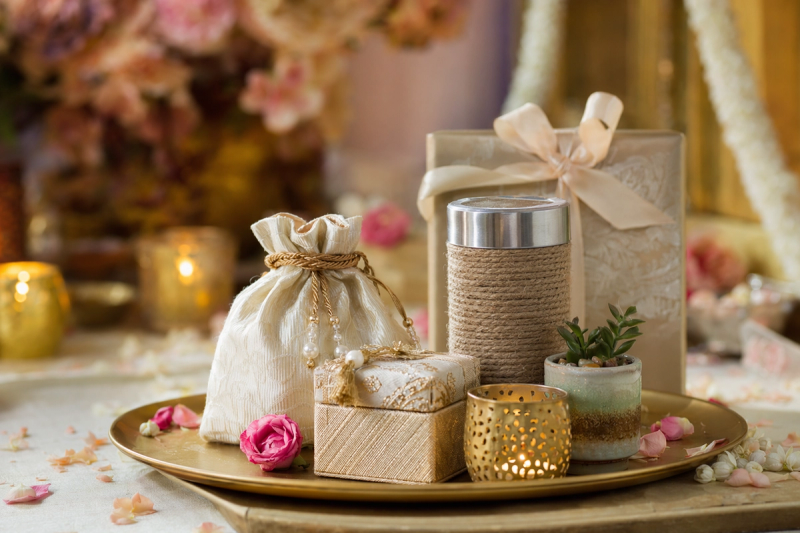
#If I had to plan a wedding return gift list tomorrow, I’d probably do one of these. For under ₹75: masala chai pouch plus two cookies in a kraft box. For around ₹100: small steel jar filled with mishri, saunf, or nuts. For ₹150-ish: cotton tote bag with a snack pack and thank-you card. For ₹200: ceramic mug with filter coffee or tea sachets. For a more traditional crowd: brass diya with a small sweet box, but only if the diya quality is decent.
For a winter wedding, I love mini hot chocolate jars, herbal tea, jaggery peanut chikki, or tiny shawl-style stoles for close guests. For summer, avoid chocolate unless you enjoy stress. Go for nimbu masala sachets, aam panna concentrate, dry snacks, or cotton towels. Practical can be beautiful, I will die on this hill.
Final Thoughts, From One Overthinking Wedding Person to Another
#Return gifts don’t need to be grand. They need to feel considered. That’s it. When guests carry something home and think, “Oh this is useful,” you’ve already won. Not everyone will keep every gift forever, and that’s okay too. Weddings are emotional, messy, expensive, happy, chaotic things. The return gift is just one small thank-you wrapped in paper, ribbon, or sometimes a slightly crooked sticker.
So set your budget, choose something people can eat or use, keep packaging neat, and don’t let Pinterest bully you into bankruptcy. And if you’re still hunting for more wedding ideas, budget hacks, and those random planning tips nobody tells you until it’s too late, have a look at AllBlogs.in sometime. I’ve found it pretty handy for this kind of browsing-with-coffee research.