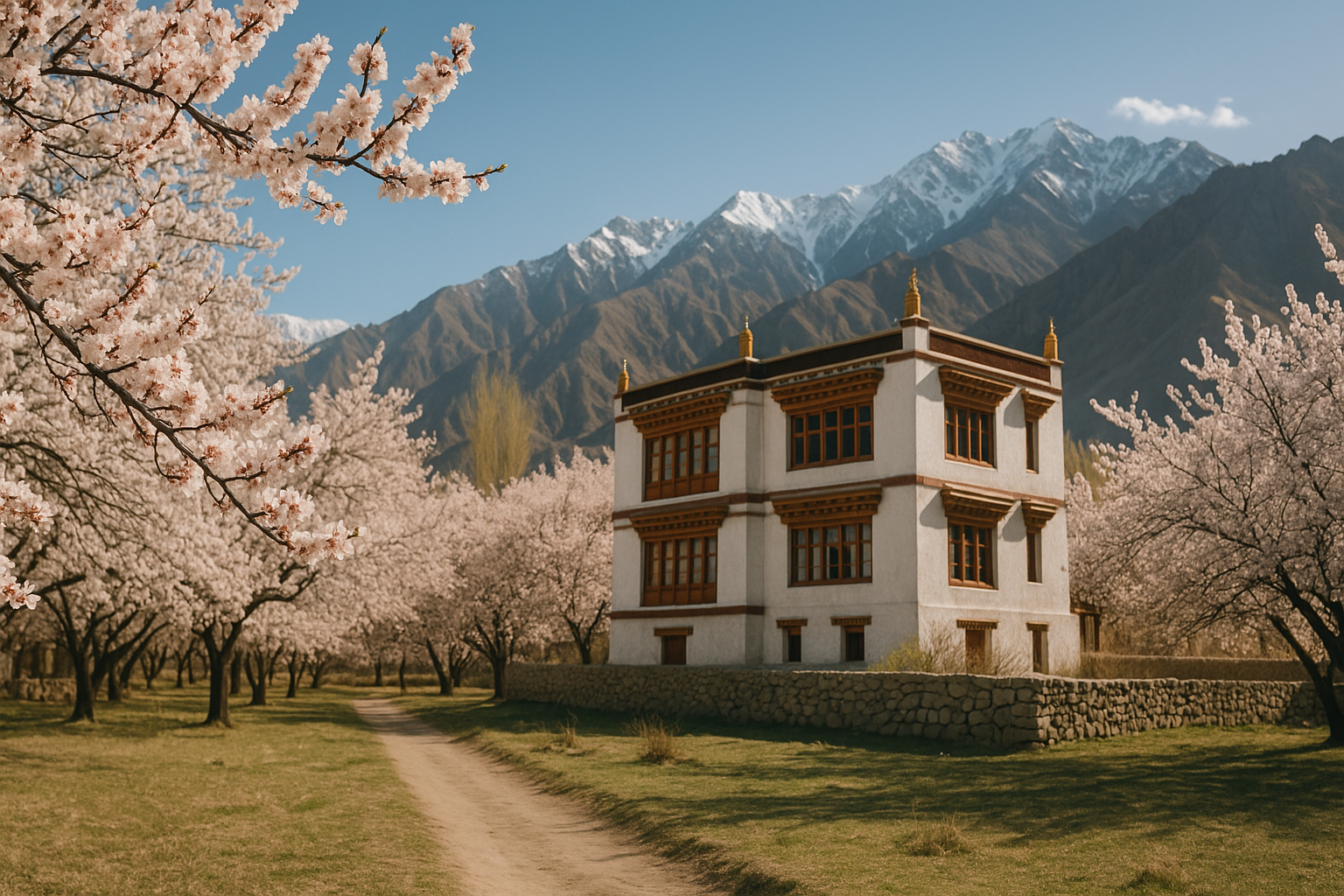
If you’ve only seen Ladakh in those dramatic bike-trip reels with brown mountains, blue lakes, and people shouting about Khardung La, then apricot blossom season will honestly mess with your head a little. In a good way. Because suddenly Ladakh looks... soft. Pinkish-white flowers, tiny village lanes, poplar trees waking up after winter, women in traditional dress serving local snacks, kids running around, and this whole calm spring energy that doesn’t get enough attention compared to summer Ladakh. I went during blossom time thinking it’ll be a nice, quieter alternative to peak season. Ended up loving it way more than expected. It felt intimate, local, and less show-off travel, if that makes sense.
And if you're planning your Ladakh Apricot Blossom Festival 2026 itinerary and budget, this is the kind of trip where timing matters a lot. Not in a stressful way, but blossoms don’t wait for us, yaar. You need a flexible plan, some buffer days, and realistic expectations about weather, road conditions, and altitude. Also, important, this isn’t that classic Pangong-Nubra-everything-in-5-days trip. Spring in Ladakh is more village-focused, culture-heavy, slower. Which, btw, is exactly why it works.
What the Apricot Blossom Festival is actually like
#The festival usually happens around early to mid-April, depending on how the bloom is progressing in different villages. The main blossom belt is in lower-altitude Sham region villages and Aryan valley side pockets where apricot orchards turn absolutely beautiful for a short window. Villages around Leh district and western Ladakh like Skurbuchan, Alchi, Saspol, Domkhar, Achinathang, Sanjak, Garkone, Darchik and Turtuk side can be part of blossom travel plans, though bloom timing shifts a bit from place to place. So don’t make the mistake I almost made, which was locking every hotel and cab around one exact flower date. Better to keep the village days adjustable.
The festival vibe itself is not some mega commercial mela. That’s actually the nice part. You’ll usually see cultural performances, local handicrafts, traditional archery in some places, food stalls, village-led celebrations, and lots of photography opportunities. But it still feels rooted in local life. It’s not polished like a big city event. One afternoon in a village near Alchi, I was standing with chai in hand while an elderly local uncle casually explained which trees had already bloomed and which ones were late because winter had stretched on. No ticketed drama, no loud chaos, just real people talking about their season. I kinda loved that.
Best time to go, and why most people get the timing slightly wrong
#Apricot blossom season usually starts appearing from late March in some lower pockets and becomes best in the first half of April. Sometimes it stretches depending on snowfall and spring temperatures. By late April, some orchards are still pretty but the peak dreamy look may already be gone in many villages. So if your whole purpose is the blossom festival and village landscapes, aim for roughly the first two weeks of April and keep 2 extra flexible days. Trust me on this. Ladakh weather does what it wants.
Also, this is shoulder season. Which means fewer crowds than summer, cheaper stays than peak months in many cases, easier photos, and more peaceful roads. But it also means some camps, cafes, and remote tourist infrastructure may not be fully open yet. Pangong camps, some Nubra properties, and certain seasonal restaurants may open gradually rather than all at once. Leh town remains functional of course, and homestays/guesthouses in village circuits are often the best option anyway. Personally I think blossom season is for people who like atmosphere more than checklist tourism.
Latest travel updates, safety, and what to know before booking anything
#Leh airport stays the easiest way in during blossom season. Flights from Delhi are the most common, and Srinagar/Chandigarh/Jammu routes may appear depending on airline schedules. Road access from Manali is usually not reliable that early because the Manali-Leh highway generally opens later, closer to late spring or early summer, depending on snow clearance. Srinagar-Leh road can also be uncertain in early spring. So for most people, fly in and fly out. Simpler. Safer. Less chance of your itinerary collapsing for no reason.
As for safety, Ladakh is generally quite safe for Indian travellers, solo travellers too, but spring means cold nights, occasional icy patches on internal roads, and sudden weather mood swings. AMS is still the bigger issue than crime or chaos. Don’t land in Leh and rush out to high passes the same day just because your cab guy says ho jayega. Maybe ho jayega, maybe you’ll spend the night with a headache and nausea wondering why you were overconfident. Acclimatisation is not optional here. Permit rules also keep changing from time to time for inner line areas, so check the latest requirement before heading to places like Nubra, Turtuk, Pangong, Hanle etc. Carry ID photocopies even if everything is digital now.
Spring Ladakh looks gentle, but altitude still doesn’t care how excited you are.
My suggested 7-day itinerary for the apricot blossom trip
#This is basically the version I wish someone had given me before I went. Not too rushed, not too lazy either. It gives you blossoms, local culture, some monastery time, and enough room to breathe. You can shorten it to 5 days, sure, but then the trip starts feeling like airport-transfer-hotel-photo-transfer and that’s just sad.
- Day 1: Arrive in Leh, rest fully, drink water, do almost nothing. Short evening walk only if you feel okay. Stay in Leh market, Changspa, or upper Leh side.
- Day 2: Easy acclimatisation day in and around Leh. Visit Shanti Stupa, Leh Palace, Hall of Fame, and maybe local cafes. Eat light. Sleep early.
- Day 3: Sham valley blossom circuit - Leh to Alchi, Saspol, Likir side, Basgo if you want, and village stops where orchards are flowering. Overnight in Alchi/Uley/Saspol area if you want a slower feel.
- Day 4: Continue blossom villages like Skurbuchan, Domkhar, Achinathang depending on bloom reports. Interact with locals, try homestay food, don’t just take photos and run.
- Day 5: Aryan Valley excursion toward Dah, Hanu, Garkone, Darchik if road and permits are sorted. Cultural landscape here feels very different from central Leh.
- Day 6: Return toward Leh or continue to Turtuk side only if you have more days and are fully acclimatised. Turtuk with blossoms is gorgeous, but don’t cram it into a rushed schedule.
- Day 7: Buffer day in Leh for weather issues, shopping, monastery visit, cafe hopping, or just doing nothing before flying back.
If you have 9 or 10 days, then only add Nubra or Turtuk properly. I know some blogs tell you to do Leh-Sham-Nubra-Pangong-Tso Moriri-all in one shot, but in blossom season that’s not really the point. Better to go deeper, not wider. Funny thing is, I usually travel fast and still felt this trip deserved slowness.
Where to stay, and what budget actually looks like right now
#Leh has every kind of stay now, from backpacker hostels to polished boutique hotels. In blossom season, budget guesthouses can start around ₹1,200 to ₹2,000 for a decent double room if booked smart. Mid-range hotels are often ₹2,500 to ₹5,500. Nicer boutique properties can go ₹6,000 upward. In villages like Alchi, Saspol, Skurbuchan or Aryan valley areas, homestays and simple guesthouses are often the most rewarding option, both financially and experientially. Expect roughly ₹1,500 to ₹3,500 per night including meals in some homestays, depending on comfort level and location.
I stayed one night in Leh and then switched to a village-side guesthouse with apricot trees literally outside the room. Basic bathroom, slightly moody geyser, patchy network, amazing sky, hot tea whenever asked. Zero regrets. That’s another thing, don’t chase luxury too much on this trip unless you really need it. Village stays are the soul of blossom season. Though yes, if you need reliable heating or are travelling with older parents, choose better-rated places and call directly before paying advance. Listings are not always updated properly, and some properties oversell what’s available in early season.
Approx budget for 6 to 7 days from India
#| Expense | Budget trip | Mid-range trip |
|---|---|---|
| Return flights to Leh | ₹8,000 - ₹16,000 | ₹14,000 - ₹24,000 |
| Stay for 6 nights | ₹7,000 - ₹12,000 | ₹18,000 - ₹32,000 |
| Food | ₹2,500 - ₹4,500 | ₹5,000 - ₹9,000 |
| Local taxi/shared transport | ₹6,000 - ₹12,000 | ₹15,000 - ₹28,000 |
| Permits/misc shopping/cafe spends | ₹2,000 - ₹5,000 | ₹4,000 - ₹8,000 |
| Total approx | ₹25,500 - ₹49,500 | ₹56,000 - ₹1,01,000 |
A lot depends on flights, honestly. If you book Delhi-Leh tickets late, budget can jump badly. For backpackers or friend groups sharing cabs and rooms, the trip can be done under 35k without suffering too much. Couples doing private taxis and nicer boutique stays will obviously spend more. Ladakh transport is where the money goes. Distances aren’t crazy but terrain, permit zones, and union taxi rules make things expensive. Shared taxi options exist on some routes, and local operators in Leh can combine travellers, but blossom-specific village hopping is often easier by private cab.
Food I loved, food you should try, and one small warning
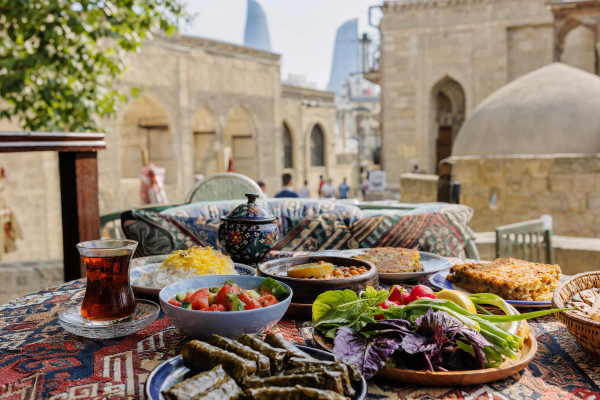
#You’ll get the usual tourist menu in Leh, but on a spring trip I’d say eat as local as possible whenever hygiene looks fine. I had skyu, thukpa, mokmok, butter tea, khambir with apricot jam, and this ridiculously comforting home-cooked meal at a village stay with dal, vegetables, rice, curd and homemade apricot preserve. Maybe because it was cold outside and I was tired, but that simple meal slapped. In Leh, cafes have become way more varied now, with decent coffee, bakery stuff, vegan bowls, even fancy brunch places. Nice for a day or two, sure. But village kitchens are where this trip becomes memorable.
Small warning though, don’t overeat oily food on day one and day two. Your body is already adjusting to altitude. Keep it light, low drama. Also carry dry fruits, chocolates, ORS, and maybe some thepla or khakhra if you’re the kind of Indian traveller who starts missing familiar snacks too quickly... me, basically.
Transport options - what works, what doesn’t, and the reality of getting around
#Within Leh, you can walk short distances or use local taxis. For village circuits, your options are mainly private cab, rented bike after acclimatising, or shared transport if available and if your route is common enough. I would not recommend landing in Leh and immediately taking a self-ride bike into colder blossom villages unless you’re experienced and your body is handling altitude well. In early spring, mornings can be sharply cold and road edges may still have frozen sections in some stretches. Pretty? yes. Forgiving? not always.
Private cab day rates vary by route, season, and vehicle type, but expect Ladakh taxi rates to feel high compared to mainland hill stations. That’s normal here. If your budget is tight, team up with other travellers in Leh. Hostels, local travel desks, and WhatsApp groups often help people split rides. And one practical thing many forget, BSNL and Jio postpaid usually work more reliably in Ladakh than prepaid connections from other circles. Network in villages can still vanish randomly, so download maps offline. Not glamourous advice, but useful when you’re standing in a blossom orchard wondering why Google Maps has given up on life.
A few lesser-known places and simple moments that made the trip special
#Everyone wants the postcard shots, and yes, you’ll get them. But some of my favorite bits weren’t even famous. An old lady sorting dried apricots in a courtyard. Kids asking for photos and then laughing at themselves on the phone screen. A monastery hill with almost no one around. Basgo at golden hour. Alchi lanes in the late afternoon when the light goes all soft and dusty. Even the drive itself was beautiful in this strange spring way, snow still visible on peaks but valleys beginning to bloom. Ladakh in transition. That’s what it felt like.
- Alchi village for a slow walk, monastery art, and nearby orchard views
- Skurbuchan and Domkhar belt if you want less touristy blossom scenes
- Achinathang side for orchard landscapes that feel quiet and local
- Aryan Valley villages for a different cultural texture, not just flowers
- Turtuk if you have extra days and want Baltistani food, heritage feel, and spring beauty together
Things I messed up a little, so you maybe don’t
#I underestimated the cold. Daytime sun can fool you badly, but mornings and nights are still winter-adjacent. Layering is everything. Thermal, fleece, light down jacket, cap, sunglasses, lip balm, sunscreen - all useful. Also carry cash. UPI works in many places in Leh now, and even some villages, but network issues can make digital payments annoying. Another silly mistake, I thought one acclimatisation day might be enough for every plan. It was enough for me for Sham side, yes, but not for trying to aggressively add higher circuits too fast. Ladakh always wins if you try to act smart.
And one more thing, please be respectful in village orchards. Not every blooming tree is a free photo prop to climb into. Ask before entering private land. Buy local products if you can, dried apricots, jam, oil, handicrafts. Blossom tourism should help communities, not just our Instagram grids. Sounds obvious, but you’d be surprised how people behave when flowers are involved.
So, is the Ladakh Apricot Blossom Festival worth planning your trip around?
#For me, 100 percent yes. Especially if you’ve already seen summer Ladakh, or if you want your first Ladakh trip to feel a bit more rooted and less rushed. It’s scenic, yes, but also cultural in a softer way. You notice homes, food, farming, village rhythms, and the fact that Ladakh is not just high-altitude spectacle. It’s lived-in. During blossom season, that becomes very obvious. And kinda beautiful, honestly.
If you want a practical answer, here it is: fly in, acclimatise properly, focus on Sham valley and nearby blossom villages first, keep 6 to 7 days minimum, stay in at least one homestay, and don’t build the whole plan around impossible road-trip fantasies. Your budget can be controlled if flights are booked early and transport is shared. Your experience gets better if you stop trying to do everything. That’s the truth of it.
Anyway, hope this helped you build a realistic Ladakh Apricot Blossom Festival 2026 itinerary and budget without the usual fluff. If you like travel stories and grounded guides like this, go wander around AllBlogs.in too, there’s some pretty useful stuff there.