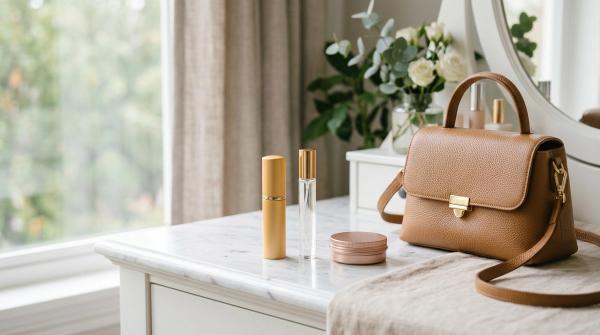
Leather bag care in monsoon is simple: wipe rain quickly, dry the bag slowly in shade, avoid plastic storage, add silica gel or charcoal for moisture control, and air it weekly. Don’t use heat, perfume or harsh DIY cleaners. If mold spreads, leather cracks or colour transfers, get professional repair help.
Why Leather Bags Need Extra Care During Monsoon
#Leather is porous, so it can absorb moisture from rain, sweat and humid air. If it stays damp too long, it may smell musty, develop white mold patches, lose shape or become stiff.
During monsoon, leather bags usually get damaged because of:
- Rainwater, especially if the bag stays wet for hours
- Humid storage, like closed wardrobes, suitcases, plastic covers or damp rooms
- Poor airflow, which encourages musty smells
- Not wiping the bag after daily commutes or travel
The basic rule is: wipe it, dry it, air it, then store it properly.
What to Do If Your Leather Bag Gets Wet in Rain
#1. Empty the bag completely
#Remove your wallet, papers, laptop sleeve, makeup pouch, scarf, receipts, chargers and food packets. Wet paper or cloth can trap moisture inside the lining and create a damp smell.
2. Gently blot the surface
#Use a clean, dry cotton cloth and press lightly. Don’t scrub. Check corners, handles, zippers, seams, the base panel, strap joints and inner pockets because these spots dry slowly.
3. Support the shape
#If the bag looks limp, place clean dry paper or a soft cotton cloth inside. Do not overstuff it. Avoid newspaper for light-coloured bags because ink can transfer.
4. Let it dry slowly in shade
#Keep the bag open in a shaded, airy place. Do not dry leather in direct sunlight, inside a closed cupboard, in a parked car, near a heater or under a hot-air blower.
5. Avoid hair dryers and heat
#Heat can dry leather unevenly and make it stiff, patchy or cracked. Let the bag breathe and dry naturally.
6. Condition only after it is fully dry
#If suitable for your bag’s leather type, apply a small amount of leather conditioner only after the bag is completely dry. Do not apply conditioner to damp leather.
Monsoon Storage Checklist for Leather Bags
#- Wipe the bag before storing it.
- Never store leather in plastic or PVC covers.
- Use a breathable cotton, muslin or soft fabric dust bag.
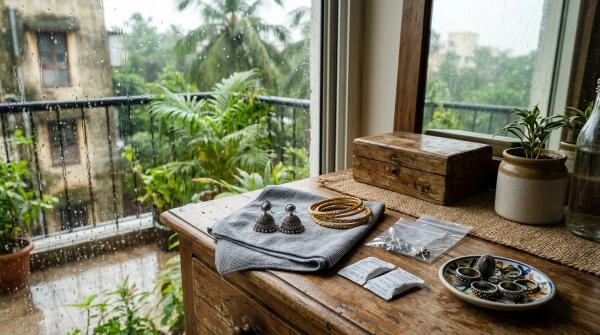
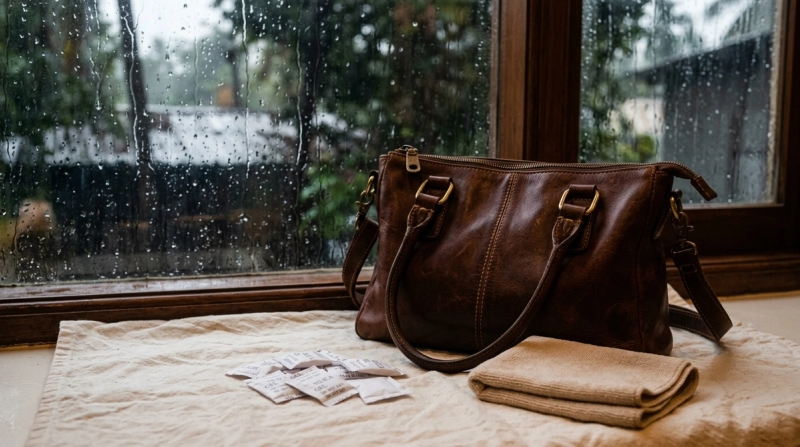
- Add silica gel or an activated charcoal pouch.
- Keep pockets slightly open where possible.
- Avoid damp walls, under-bed storage and old suitcases.
- Air the bag once a week in a shaded, ventilated room.
- Store it upright or lightly supported, not crushed.
- Rotate bags instead of leaving one unused for weeks.
How to Prevent Mold and Musty Smell
#Leather bag mold often looks like white, grey or fuzzy patches. A musty smell usually means moisture has been trapped inside the bag or storage space.
To prevent it:
- Wipe the bag after every rainy or humid outing.
- Let it air before putting it back in storage.
- Keep silica gel or activated charcoal inside.
- Avoid plastic covers completely.
- Never store the bag even slightly damp.
- Keep wardrobes clean and ventilated.
- Use the bag occasionally instead of leaving it untouched.
If you see early mold
#Move the bag to a ventilated area. Wipe surface patches gently with a clean, dry cotton cloth. Do not wet the leather or use random cleaners. If mold returns, spreads or smells strong, consult a leather repair professional.
If the bag smells musty
#Empty it, wipe inside and outside with a dry cloth, keep it open in shade, and place silica gel or activated charcoal inside. Avoid perfume or room spray because they only mask smell and may stain the lining.
What to Buy and What to Skip
#Do You Need Waterproof Spray for Leather in Monsoon?
#Waterproof spray may help some leather bags, but it is not essential for everyone and it will not make leather fully waterproof. Check if it suits your leather type, follow label instructions, test on a hidden area if advised, and let it dry fully before use.
For daily Indian monsoon commutes, a foldable tote or temporary rain cover is often more useful. Put the leather bag inside it during rain, then remove, wipe and air the bag once you reach indoors.
Quick Monsoon Routine for Everyday Use
#After coming home
#- Remove wet items from the bag.
- Wipe the outside with a dry cotton cloth.
- Open all compartments.
- Let the bag air-dry in shade.
- Put silica gel or charcoal back inside.
- Store it only when it feels dry.
Once a week
#- Take the bag out of storage.
- Check corners, handles, seams and base.
- Look for white patches or musty smell.
- Air it in a shaded, ventilated room.
- Replace moisture absorbers if needed.
When to Call a Leather Repair Professional
#Get professional help if the bag is expensive or sentimental, mold is deep or keeps coming back, the leather has cracked, there is colour transfer, the smell stays strong, the leather has warped, or you are unsure what type of leather it is.