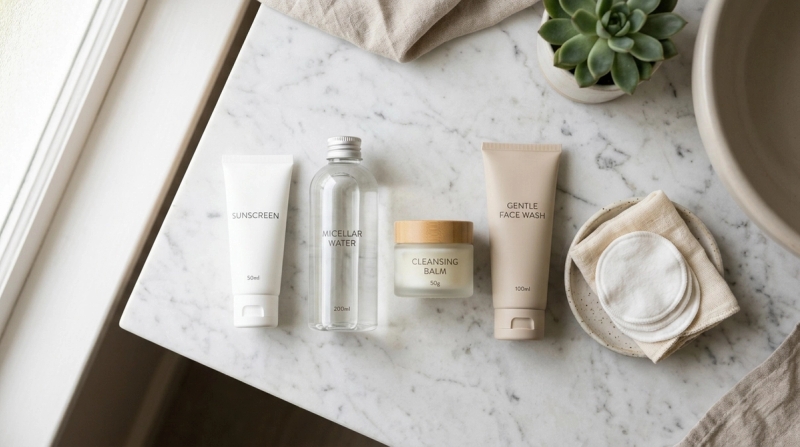
To remove sunscreen from your face properly, choose your cleanser based on the sunscreen you wore that day. A gentle face wash can be enough for light daily SPF. Micellar water works for quick, light removal. Cleansing balm or oil cleanser is better for water-resistant sunscreen, sweat, makeup, or layered SPF.
Removing sunscreen should not feel like a battle between you and your face. You do not need to scrub until your skin feels squeaky. You do not need to wash three times. And you do not need to punish your skin just because your SPF did its job well.
The issue is not always that your cleanser is bad. Sometimes it is just not the right cleanser for the type of sunscreen you used.
First, What Does Double Cleansing Mean?
#Double cleansing means cleansing your face in two steps: first with an oil-based cleanser, cleansing balm, or micellar water, then with a gentle water-based face wash.
The first step helps break down sunscreen, makeup, sebum, and that coated feeling on the skin. The second step washes away sweat, dust, and leftover residue.
But you do not have to double cleanse every single night. If you wore a light sunscreen, stayed indoors, did not sweat much, and your skin feels clean after one wash, that may be enough.
If you wore water-resistant SPF, reapplied sunscreen, went outside in humid weather, exercised, or wore makeup, double cleansing makes more sense.
Cleansing Balm vs Micellar Water vs Face Wash: What Is the Difference?
#When people talk about removing sunscreen, they are usually choosing between three options:
- Micellar water
- Cleansing balm or oil cleanser
- Regular face wash
They all clean your skin, but they do not work in the same way.
1. Cleansing Balm or Oil Cleanser
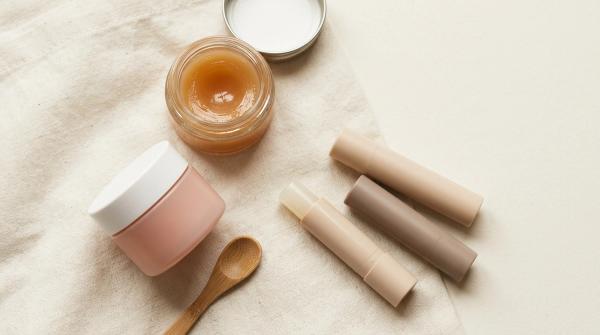
#A cleansing balm and an oil cleanser are both oil-based cleansers.
A cleansing balm usually comes in a tub. It starts off solid or buttery, then melts into an oil as you massage it onto dry skin. An oil cleanser is already liquid and usually comes in a pump bottle.
Both are useful for sunscreen because many sunscreens, especially water-resistant ones, are designed to cling to your skin. Oil-based cleansers help loosen that layer more easily than a regular face wash alone.
Best for:
- Water-resistant sunscreen
- Thick or heavy SPF
- Makeup over sunscreen
- Sweaty days
- Humid weather
- Reapplied sunscreen
- Skin that still feels coated after regular face wash
2. Micellar Water
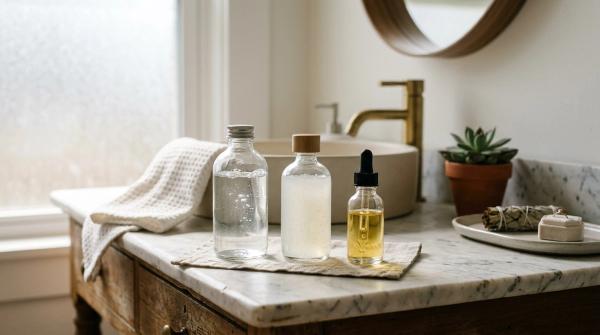
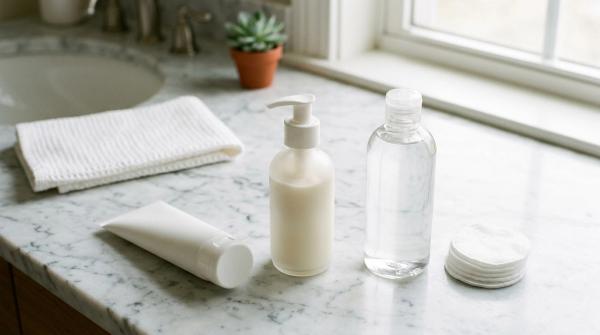
#Micellar water looks like plain water, but it contains tiny cleansing molecules called micelles. These help lift away light oil, dirt, and some sunscreen when used with a cotton pad or reusable pad.
It feels lighter than cleansing balm or oil cleanser. It is also convenient for travel, tired nights, or low-makeup days.
When comparing oil cleanser vs micellar water, the biggest difference is removal strength. Micellar water is useful for lighter days. Oil cleanser is usually better for stubborn sunscreen, heavy SPF, and makeup.
Best for:
- Light daily SPF
- Quick cleansing
- Travel
- People who dislike oily textures
- Simple routines
- Low-sweat, low-makeup days
3. Regular Face Wash
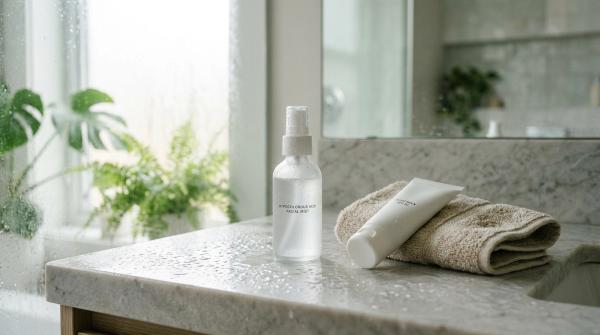
#A regular face wash is usually water-based. It may be a gel, foam, cream, or milky cleanser.
It removes sweat, dust, and water-soluble grime. It can also remove light sunscreen, especially if you massage properly and rinse well.
But if your sunscreen is heavy, sticky, waxy, or water-resistant, face wash alone may not be enough. You might feel clean for a minute, then notice leftover film around your nose, chin, or jaw.
Best for:
- Morning cleansing
- Light SPF days
- The second step after balm, oil cleanser, or micellar water
- Simple daily routines
- Skin that does not tolerate too many steps
Comparison Table
#So, Which One Should You Choose?
#Choose Micellar Water If...
#You wore light sunscreen, stayed mostly indoors, and want something quick.
Micellar water is good for office days, college days, travel days, and tired nights. It does not feel greasy and it is easy to use.
Use it gently. Soak the pad properly, press it onto the skin for a second, then wipe softly. If your skin gets red or irritated from cotton pads, micellar water may not be the best everyday choice for you. Sometimes the formula is fine, but the rubbing is the problem.
Choose Cleansing Balm or Oil Cleanser If...
#You wore water-resistant sunscreen, sweated a lot, live in humid weather, or applied makeup over SPF.
This is where cleansing balm vs micellar water becomes easier to understand. If your sunscreen feels thick, waxy, sticky, or makeup-like, a balm or oil cleanser will usually remove it better.
Use it on dry skin. Massage gently. Add a little water so it turns milky. Rinse well. Then follow with a mild face wash.
Cleansing balm does not automatically clog pores. It depends on the formula, your skin, and whether you rinse it properly. If your skin likes it, fine. If it breaks you out, stop using it.
Choose Face Wash If...
#You wore light sunscreen, did not sweat much, and your skin feels clean after one wash.
A regular face wash for sunscreen can be enough on easy days. Do not rush it. A five-second splash-and-go wash probably will not remove much.
Use lukewarm water. Massage gently. Rinse properly around the hairline, jaw, sides of the nose, and chin.
If your skin still feels coated after washing, do not keep washing again and again. Next time, start with micellar water, cleansing balm, or oil cleanser first.
Evening Routine for Light SPF
#Use this if you wore basic daily sunscreen, stayed mostly indoors, and did not wear heavy makeup.
- Start with micellar water or go straight to face wash. If your SPF was very light, a gentle face wash may be enough.
- If using micellar water, soak a cotton pad or reusable pad and wipe softly.
- Wash with a gentle face wash using lukewarm water.
- Rinse around the hairline, jaw, chin, and nose.
- Pat dry. Do not rub your towel hard.
- Stop if your skin feels clean and comfortable.
Evening Routine for Water-Resistant SPF
#Use this if you wore sweat-resistant sunscreen, went outdoors, exercised, travelled in humid weather, or reapplied SPF.
- Apply cleansing balm or oil cleanser to dry skin.
- Massage gently for 30 to 60 seconds.
- Focus on the nose, hairline, jaw, chin, and neck.
- Add a little water so the cleanser turns milky.
- Rinse well.
- Follow with a mild water-based face wash.
- Pat dry and check that your skin feels clean, not raw or tight.
Evening Routine for Makeup Plus SPF
#Use this if you wore foundation, concealer, skin tint, compact, waterproof mascara, lipstick, or anything layered over sunscreen.
- Use cleansing balm or oil cleanser first.
- Massage over dry skin and let it melt makeup and SPF.
- Be careful around the eyes. If something stings badly, rinse it off.
- Add water and emulsify until the texture turns milky.
- Rinse well around the hairline, jaw, and nose.
- Use a gentle face wash as your second cleanse.
Evening Routine for Sensitive Skin
#Use this if your skin gets irritated easily, turns red fast, feels tight after cleansing, or reacts to products often.
- Keep the routine short.
- Choose a gentle micellar water or a simple oil cleanser.
- Use very light pressure. Press and glide; do not scrub.
- Use a mild face wash only if needed.
- Use lukewarm water, not hot water.
- Stop if your skin reacts badly.
Burning, rash, swelling, or strong itching is not a normal skincare adjustment. Stop using the product and consult a qualified dermatologist or healthcare professional if irritation persists.
How to Avoid Over-Cleansing
#A clean face should feel comfortable. It does not need to feel dry, squeaky, shiny-clean, or stretched.
Use these simple rules:
- Use the gentlest method that actually removes your sunscreen.
- Do not wash your face again and again because your SPF feels stubborn.
- Do not use scrubs to remove sunscreen.
- Do not rub hard with towels or cotton pads.
- Use lukewarm water, not hot water.
- Choose your cleanser based on your sunscreen, not on what is trending.
- If your skin feels tight every night after cleansing, something is probably too harsh.
Quick Decision Guide
#Light SPF, no makeup, indoor day: Use a gentle face wash. Add micellar water if needed.
Light SPF, oily skin, humid commute: Use micellar water first, then a mild face wash if your skin feels sticky.
Water-resistant SPF: Use cleansing balm or oil cleanser, then face wash.
Makeup plus SPF: Use cleansing balm or oil cleanser, then face wash.
Sensitive skin: Use the least irritating option. Avoid rubbing. Stop if the cleanser burns, stings badly, or causes a rash.
Travel routine: Micellar water is convenient for light SPF. Cleansing balm is better if you wear heavier sunscreen or makeup while travelling.
Final Takeaway
#The best way to remove sunscreen from your face depends on what you wore that day.
Use face wash for light SPF days. Use micellar water when you want something quick and lightweight. Use cleansing balm or oil cleanser when your sunscreen is water-resistant, heavy, sticky, or layered with makeup.
Cleanse enough to remove the day, but not so much that your skin feels punished. That balance is the real goal.