Looking for sweat-proof office shirts for humid weather? No shirt can completely stop sweat, but the right fabric, colour, fit, undershirt and antiperspirant routine can make sweat marks much less visible. Choose breathable shirts, avoid colours that show wet patches, and use a base layer or underarm shield when your commute is hot, crowded or rainy.
First, no office shirt is truly sweat-proof
#A shirt cannot stop your body from sweating. Sweat is normal. It helps your body cool down.
What you can manage is:
- How much sweat reaches your visible shirt
- How quickly the fabric dries
- How noticeable the wet patch looks
- How comfortable you feel during the day
- How fresh your shirt looks after commuting
So when people say “sweat-proof office shirts,” they usually mean shirts that hide sweat better, breathe better, dry faster, or work well with an undershirt.
The goal is not to look perfect in 40°C heat or monsoon humidity. The goal is simple: reach work, college, or a meeting looking neat enough.
Why sweat patches show on shirts
#Sweat itself is mostly colourless. The patch appears because the fabric gets wet. Once part of the shirt is wet and the rest is dry, both areas reflect light differently. That contrast is what makes the patch visible.
That’s why some shirts look fine even after a sweaty commute, while others show clear underarm marks within minutes.
Usually, three things make the biggest difference:
- Fabric: Some fabrics trap moisture and stick to the skin. Others allow more airflow and dry faster.
- Colour and pattern: Medium-light solid colours often show sweat clearly. Dark colours, opaque white and small patterns hide it better.
- Fit and layering: Tight armholes push the fabric directly into your armpit. Sweat transfers quickly. A good undershirt or sweat pad creates a barrier.
Quick comparison: fabric, colour and layering options
#Pick the fabric before you pick the colour
#Colour helps hide sweat, but fabric decides how comfortable you feel.
In humid weather, you want a shirt that lets air move. If the fabric is dense, stiff or clingy, it can trap heat and moisture. Once the shirt sticks to your skin, sweat patches show faster.
Oxford shirts
#Oxford cloth has a slightly textured weave. It usually feels more breathable than very smooth, dense formal fabrics.
It also looks office-appropriate, which makes it a safe everyday option. A navy, white or striped Oxford shirt can work well for many workplaces.
Just avoid very thick Oxford shirts in peak summer. They may look good, but they can feel heavy once you start sweating.
Linen and linen blends
#Linen is one of the most comfortable fabrics for hot weather. It allows airflow and does not cling as much.
The main issue is wrinkling. Pure linen creases quickly, which may or may not be acceptable in your office. If your workplace is formal, try a linen-cotton blend or linen-viscose blend. It gives you some breathability without looking too crushed by lunchtime.
Seersucker
#Seersucker is excellent for humidity because of its puckered texture. The fabric does not sit completely flat on the skin, so there is a little more air between your body and the shirt.
It is great for very sticky days, casual Fridays, college and relaxed workplaces. But if your office has a strict formal dress code, seersucker may look too casual.
Performance blends
#Some modern office shirts use moisture-wicking or quick-dry fabrics. These can be useful if you sweat a lot or travel long distances.
The key is to choose performance shirts that still look like office shirts. Go for matte fabrics, simple colours and clean collars. Avoid anything too shiny, stretchy or gym-like.
Fabrics to be careful with
#Some shirts look great on a hanger but perform badly in humidity.
Dense poplin-style shirts
#Poplin can look crisp and formal, but dense poplin often has very little airflow. In humid weather, it may stick to your skin and show sweat quickly.
It is fine for short commutes or days when you will mostly be in air conditioning. But for long travel, it may not be your best option.
Thick cotton shirts
#Cotton absorbs sweat, which sounds good at first. But in humid air, thick cotton may not dry quickly. Once it gets wet, it can stay damp for hours.
If you like cotton, choose lighter weaves and avoid heavy shirts during peak summer or monsoon.
Shiny synthetic shirts
#Some synthetic fabrics dry quickly, but not all are comfortable. Shiny synthetic shirts can look too sporty for office wear. They may also hold odour if the fabric quality is poor.
If you choose synthetics, look for breathable, matte, office-friendly blends.
Fit matters more than most people realise
#Even a good fabric can fail if the fit is wrong.
The biggest problem area is the underarm. If the armhole is too tight, the shirt touches your armpit directly. Sweat transfers immediately, and the patch appears faster.
For humid weather, look for:
- Slightly relaxed fit around the chest and back
- Armholes that do not dig into your underarms
- Sleeves that let you move comfortably
- Enough space for a thin undershirt
- Fabric that does not cling when you raise your arms
This does not mean wearing oversized shirts. Oversized shirts can look sloppy. You just want a little breathing room.
A good test: raise your arms, sit down and move around before buying. If the shirt pulls tightly under your arms or across your back, it may not work well for sweaty commutes.
Best shirt colours to hide sweat
#If you sweat easily, colour choice can save your day.
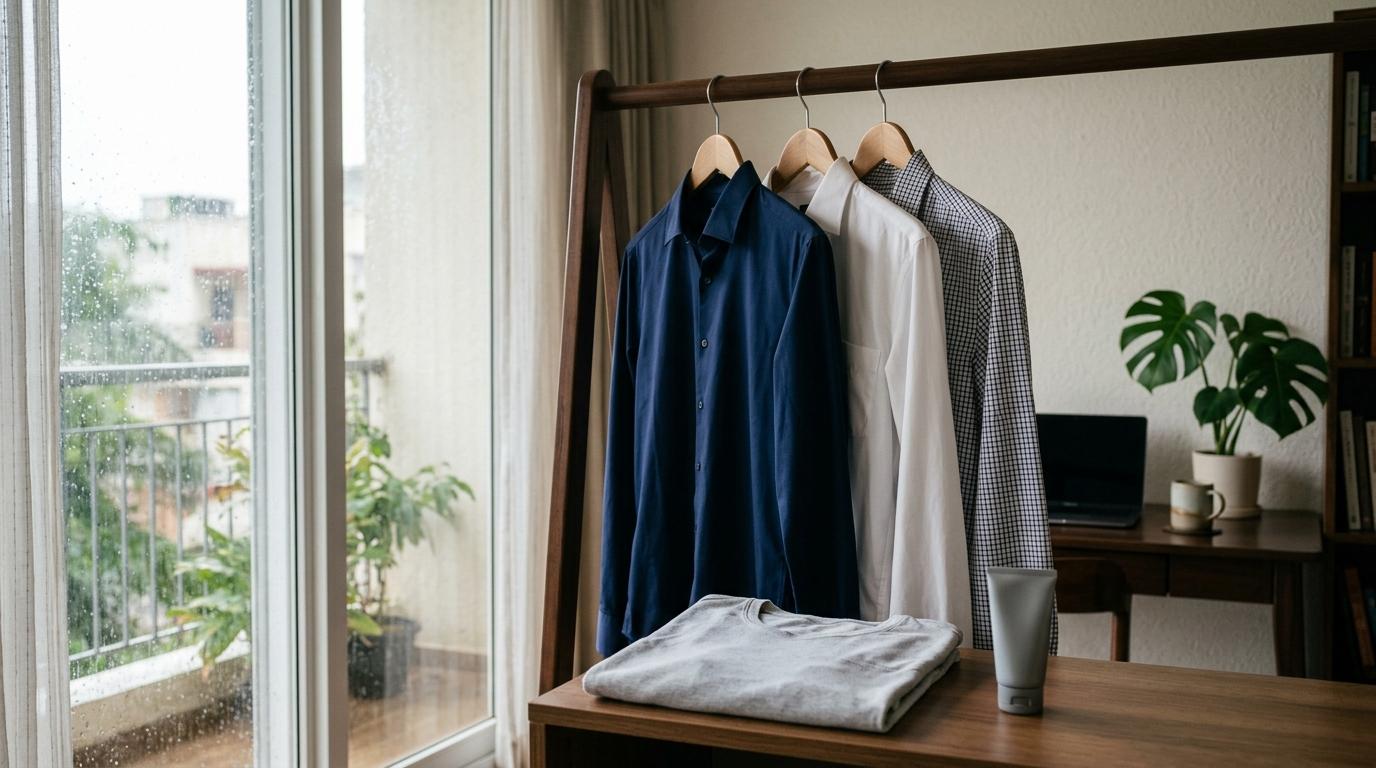
The safest colours and patterns are:
- Navy
- Black
- Charcoal
- Deep green
- Deep maroon
- Opaque white
- Fine stripes
- Micro-checks
- Small busy patterns
These options reduce the visible contrast between wet and dry areas.
The colours that usually show sweat more clearly are:
- Medium grey
- Light blue
- Slate
- Ash
- Pale pink
- Thin pastels
- Light solid colours
Medium grey and light blue are common office colours, but they are also some of the worst for visible sweat patches. They often show the exact outline of underarm sweat.
If you love these colours, save them for low-sweat days or wear them with a sweat-proof undershirt.
Is white good for hiding sweat?
#White can work well, but only if the fabric is not too thin.
A good opaque white shirt often hides wet patches better than grey or light blue. It also looks formal and works in most offices.
But thin white shirts can become transparent when damp. That can be uncomfortable, especially during monsoon or humid commutes.
If you wear white:
- Choose thicker, opaque fabric
- Wear a suitable undershirt
- Avoid very flimsy shirts
- Check the shirt in bright light before buying
Sweat-proof undershirt vs cotton vest vs sweat pads
#You may not need to replace your entire shirt collection. Sometimes the better fix is what you wear under the shirt.
A good base layer can protect your visible shirt and help you feel more confident.
Sweat-proof undershirt
#A sweat-proof undershirt is designed to sit under your office shirt and reduce visible sweat marks. Many have moisture-managing fabric and extra protection around the underarms.
It is useful for:
- Long commutes
- Heavy underarm sweat
- Chest sweat
- Back sweat
- Formal shirts you want to protect
- Presentations, interviews and meeting days
Look for:
- Lightweight fabric
- Close but comfortable fit
- Underarm protection
- Neckline that stays hidden
- Sleeves that do not bunch up
Avoid thick undershirts that make you feel hotter. The undershirt should feel like a comfortable layer, not like extra punishment in summer.
Cotton vest or baniyan
#A cotton vest is familiar, affordable and easy to find. Many people wear one daily.
It works fine for:
- Light sweat days
- Short commutes
- Indoor office work
- People who prefer natural cotton
But in humid weather, a cotton vest can absorb sweat and stay wet. Once it is soaked, it may pass moisture to your shirt. It can also feel heavy and uncomfortable.
A cotton vest is not useless. It is just not the best option for heavy sweating or long humid commutes.
Underarm sweat pads or shields
#Underarm sweat pads are small pads placed inside the shirt near the armpits. They can be disposable or reusable.
The American Academy of Dermatology notes that underarm shields can help protect clothing from sweat.
They are useful for:
- Underarm-only sweat
- Expensive shirts
- Important office days
- People who do not want a full undershirt
- Quick backup protection
But they have limits.
They may shift during travel, feel bulky under fitted shirts, or protect only the underarm area. If you also sweat on your chest or back, a sweat-proof undershirt is usually better.
Antiperspirant vs deodorant: they are not the same
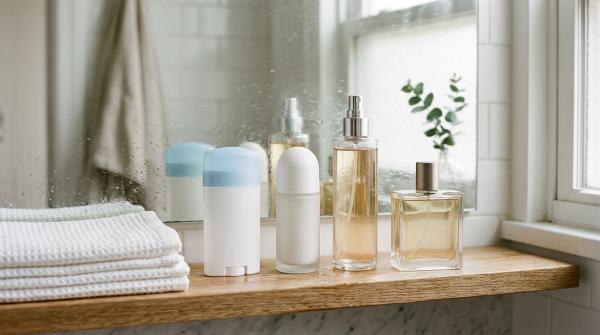
#Deodorant and antiperspirant are not the same thing.
According to the American Academy of Dermatology:
- Antiperspirant reduces sweat
- Deodorant controls or masks odour
So if your main problem is wet patches, deodorant alone will not help much. It may make you smell better, but it will not stop the shirt from getting wet.
Look for a product that says:
- Antiperspirant
- Antiperspirant-deodorant
If it only says deodorant or body spray, it is mainly for fragrance and odour control.
How to use antiperspirant better
#A simple routine can make antiperspirant work better.
- Apply it on clean, dry skin
- Do not apply it when your underarms are still wet after a shower
- Many people apply it at night, then follow label instructions for morning use
- Let it dry before wearing clothes
- Do not overuse it beyond the product directions
If regular antiperspirants do not help and sweating is affecting your daily life, speak to a dermatologist.
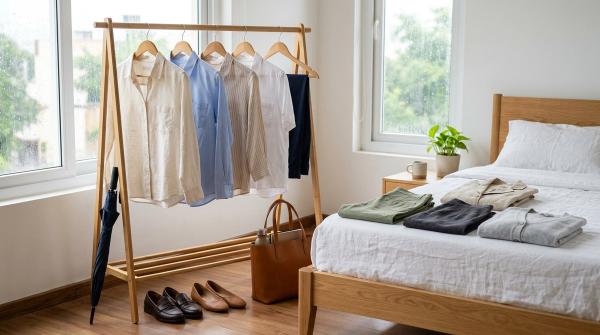
The humid commute office checklist
#Use this checklist before a hot summer, humid, or monsoon commute.
The night before
#- Check the next day’s weather.
- Think about your commute: walking, train, bus, metro, bike, auto or car.
- Pick a sweat-hiding shirt: navy, black, charcoal, opaque white or a small pattern.
- Avoid medium grey and light blue if you expect a sweaty commute.
- Apply antiperspirant to clean, dry underarms as per product instructions.
- Keep your undershirt or sweat pads ready.
- If needed, keep a fresh shirt in your bag.
In the morning
#- Shower early enough so your body cools down before dressing.
- Dry your body properly before wearing clothes.
- Wear a lightweight sweat-proof undershirt if you expect heavy sweating.
- Attach sweat pads carefully if you are using them.
- Choose a shirt with comfortable armholes.
- Avoid a tight backpack pressing directly against your back if possible.
- Delay wearing a blazer until you reach office, unless required.
During the commute
#- Keep your collar or top button relaxed if your dress code allows it.
- Avoid unnecessary layers while travelling.
- Carry a handkerchief or small towel for face and neck sweat.
- If the commute is very crowded, consider carrying your office shirt separately and changing after reaching.
- Try not to rush immediately after dressing; rushing increases sweating.
After reaching office or college
#- Give yourself a few minutes to cool down.
- Visit the washroom and check underarms, collar, back and chest.
- Tuck in your shirt after your body temperature settles.
- Change into a fresh shirt if you carried one.
- Let damp clothes dry properly when you get home.
A simple buying plan so you do not waste money
#You do not need to buy ten new shirts at once.
Start small. Try this setup first:
- 1 navy or black office shirt
- 1 opaque white or fine-patterned shirt
- 1 breathable Oxford, linen blend, seersucker, or performance blend shirt
- 1 sweat-proof undershirt
- 1 pack of underarm sweat pads
- 1 proper antiperspirant
Test this on your real commute, not just at home in front of the mirror.
If the setup works, buy more shirts in the same fabric and fit. If it does not work, adjust one thing at a time: colour, fit, undershirt or antiperspirant.
The biggest mistake is buying more versions of the same shirt that already shows sweat badly.
When should you see a dermatologist for sweating?
#Sweating in hot and humid weather is normal. But sometimes sweating can feel excessive.
Medical sources such as Cleveland Clinic and Mayo Clinic note that excessive sweating may sometimes need medical care.
Consider speaking to a dermatologist if:
- You soak through clothes often, even in normal conditions
- You sweat heavily even when you are not hot or active
- Sweating affects your work, college, sleep or confidence
- You avoid certain clothes because of sweat
- Sweating suddenly becomes much worse
- You get repeated skin irritation, rashes, or infections linked to sweating
This article is only a clothing and grooming guide. It is not a diagnosis or treatment plan. If sweating feels beyond normal, get proper medical advice.
Quick decision guide
#If you sweat mainly under the arms
#Use antiperspirant with underarm sweat pads or a sweat-proof undershirt.
If your chest and back also sweat
#Choose a sweat-proof undershirt instead of only sweat pads.
If your office is very formal
#Go for Oxford shirts, opaque white, navy, charcoal, fine stripes or micro-checks. Avoid casual seersucker unless your workplace allows it.
If you commute during monsoon
#Choose darker colours, quick-drying fabrics, and avoid thin white shirts that may become transparent when damp.
If you want the cheapest fix first
#Start with antiperspirant, better shirt colours and underarm sweat pads before replacing all your shirts.
If you love light blue or grey shirts
#Wear them on easy commute days, or pair them with a good sweat-proof undershirt.