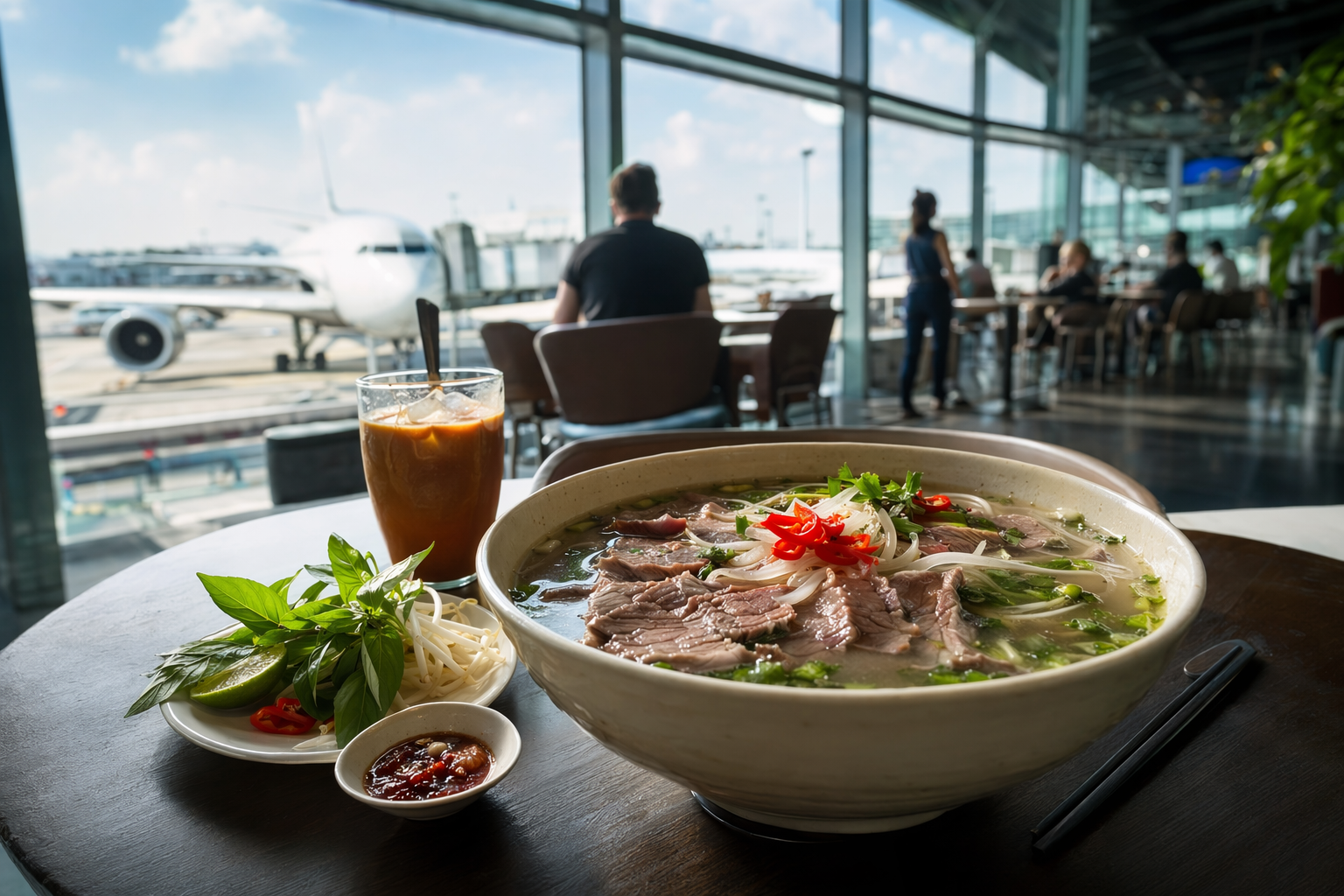
I used to treat long layovers like punishment. Four hours in Doha? Ugh. Six hours in Singapore? Just enough time to get bored and spend too much money on coffee. But somewhere between a delayed flight in Istanbul and a bowl of noodles at Tokyo Haneda that honestly fixed my whole personality for the day, I changed my mind. A long layover can be a proper little culinary trip, if you stop thinking of the airport as a waiting room and start treating it like a strange, shiny food neighborhood with boarding announcements.
And in 2026, this is becoming more of a thing. Airports aren’t just tossing out sad triangle sandwiches anymore, at least not the good ones. The big international hubs are leaning hard into local food, chef partnerships, food halls, mobile ordering, low/no-alcohol cocktail bars, plant-forward menus, and regional snacks you can actually bring home without destroying your carry-on. I’ve noticed it more and more: people planning layovers based on where they can eat. Not just “which airport has showers?” but “can I get laksa at Changi?” or “is there a decent Turkish breakfast at IST?” Which, frankly, is the correct way to live.
My Rule: If the Layover Is Over Three Hours, It Deserves a Meal Plan
#This is my totally unscientific rule, developed after too many bad decisions involving vending machine chips and one suspicious tuna wrap in an airport I won’t name because I’m trying to be a better person. If my layover is under two hours, I grab coffee, water, maybe a pastry, and keep moving. Three to five hours? That’s a meal. Five to eight hours? That’s a meal, dessert, and probably a little wander to look at duty-free snacks I don’t need. Anything over eight hours and I start acting like I’m on a city break, except I never leave security.
The trick is not to panic-eat at the first place you see after immigration or transfer security. I know it’s tempting. You’re tired, your backpack is digging into your shoulder, and the glowing burger sign looks like safety. But airports are sneaky. Sometimes the best food is in another terminal, tucked behind a luxury shop, upstairs near a quiet gate, or in the older-looking food court where the staff are moving fast and locals are actually eating. I always do one slow lap before committing, unless I’m about to chew my passport from hunger.
- I check which terminal I’m actually departing from before getting emotionally attached to a restaurant.
- I look for food that belongs to the place I’m in, not just global chains. Though yes, sometimes fries are medicine.
- I avoid giant heavy meals before a long flight unless I have an aisle seat and no shame.
- I save room for one airport-specific snack, because those are the things I remember later.
Singapore Changi: The Layover That Ruined Other Airports for Me
#Changi is unfair. It’s like someone built an airport and then accidentally made it a botanical garden, mall, nap zone, snack museum, and emotional support system. I had a long layover there on my way back from Bali, and I remember feeling almost annoyed because I wanted to be tired and dramatic, but the airport kept giving me reasons to be cheerful. Jewel Changi, with that enormous indoor waterfall, still feels ridiculous in the best way. You can be bleary-eyed at 6 a.m. and suddenly you’re watching water pour through the middle of a glass dome like you wandered into a travel commercial.
Food-wise, Singapore is one of the easiest airport layovers to do well because the local cuisine already suits quick eating: noodles, rice dishes, toast, kopi, kaya, curry puffs, satay-style snacks, dumplings. I’ve had kaya toast with soft-boiled eggs in Changi that tasted exactly like the kind of breakfast you want when your body has no idea what time zone it belongs to. Sweet coconut jam, salty butter, runny egg with soy sauce and white pepper. It’s simple, but after a red-eye it hits like poetry. I also once had laksa during a four-hour stop there and immediately regretted not wearing a looser waistband.
The bigger trend I keep seeing in airports like Changi is that they’re not hiding local food behind “international” menus anymore. They’re proud of it. You can still get your coffee chain drink, sure, but you can also get something that actually says: you are in Singapore, even if only for 4 hours and 20 minutes. That matters. It makes travel feel less like a blur of gates and more like a string of edible postcards.
Doha Hamad: Dates, Karak, and the Art of Eating Slowly in a Very Fancy Airport
#Hamad International Airport in Doha is one of those places where I always feel underdressed, even in normal clothes. The airport is polished, spacious, and slightly surreal, especially with the indoor tropical garden area called the Orchard, which opened in recent years and made the whole place feel less like a transfer hub and more like a very calm luxury greenhouse. I had a six-hour layover there once after a chaotic flight from Europe, and I swear the first sip of karak tea brought me back to earth.
Karak is one of my favorite layover drinks: strong black tea, milk, sugar, cardamom, sometimes saffron or spices depending on where you get it. It’s sweet, hot, comforting, and it gives you that tiny caffeine push without making you vibrate like airport espresso sometimes does. Pair it with dates or a small Middle Eastern pastry and suddenly you’re not “stuck in transit,” you’re having a little Gulf snack break. I’ve also had decent mezze-style plates there — hummus, labneh, olives, flatbread — and I like that kind of meal before flying because it’s satisfying but not a gut bomb.
Doha also reflects another 2026 travel-food trend I’m into: nicer non-alcoholic options. Not just soda or sad orange juice, but proper mocktails, spiced teas, fresh juices, Arabic coffee, date-based drinks, things with actual adult flavor. More travelers are skipping alcohol before flights now, whether for sleep, wellness, religion, or just because dehydration at 35,000 feet is a cruel little beast. Airports are catching up. Finally.
Istanbul Airport: The Breakfast Layover I Still Think About
#If you give me a morning layover in Istanbul, I become deeply annoying because I will talk about breakfast the entire time. Turkish breakfast is one of the great gifts of the world: cheeses, olives, tomatoes, cucumber, eggs, simit, honey, clotted cream, jams, börek, tea in those small tulip glasses. Even in an airport version, it can be wonderful. Not always cheap, no, but wonderful.
Istanbul Airport is huge, and I mean huge in the way that makes you question if your gate is in another municipality. But the food options have improved a lot compared to the old days of “grab whatever and run.” You’ll find Turkish coffee, baklava, pide, kebabs, börek, and simit stands, along with international stuff. On one layover I had menemen — eggs scrambled with tomatoes, peppers, and spices — with bread that I used to scrape the pan like a person who had not seen food in weeks. The flight after that was ten hours and I slept like a baby. A slightly overfed baby, but still.
What I love about eating in Istanbul during a layover is that Turkish food gives you texture. Crunchy simit with sesame. Soft cheese. Sticky baklava. Strong coffee with that sludgy final sip you should not, under any circumstances, gulp by accident. It’s not just calories. It’s a whole mood. If your layover is long enough, take your time and don’t just order the first kebab you see. Wander, compare, follow the smell of bread.
Tokyo Haneda and Narita: Airport Food That Makes Me Trust Humanity Again
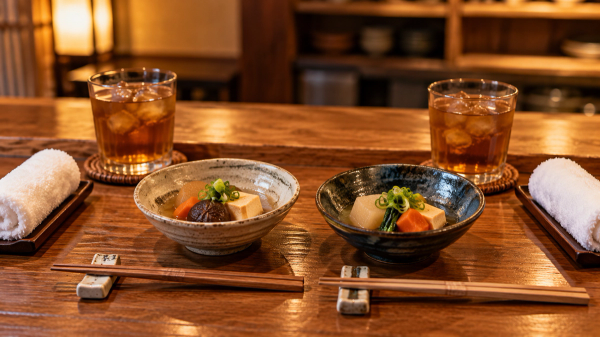
#Japan does airport food better than almost anywhere, and I will die on this hill, hopefully after eating one more onigiri. Haneda especially is a dream for a food traveler because you can get ramen, sushi, curry rice, tonkatsu, soba, udon, bento boxes, wagashi sweets, and convenience-store snacks that are better than many full meals in other countries. There are places in Haneda’s international terminal areas that are styled like old Tokyo streets, and yes, it’s touristy, but I’m a tourist, so fine. Give me the lanterns and the noodles.
I once had a bowl of udon at Haneda after a flight where I barely slept and had been served something on the plane that was allegedly pasta. The udon was hot, clean, chewy, with a broth that tasted like someone had quietly solved all my problems. This is the magic of Japanese airport dining: it respects the traveler’s fragile state. You can eat light without feeling cheated. A rice ball with salmon, a miso soup, a small bento, a matcha dessert. Everything is tidy and thoughtful.
Narita is also excellent for snack shopping. If your layover is long but not quite sit-down-meal long, build a picnic: onigiri, green tea, a seasonal KitKat flavor, senbei rice crackers, maybe a little sandwich from a convenience-style shop. In 2026, I’m seeing more travelers talk about “carry-on grazing” — basically buying a smart little collection of airport snacks instead of one big restaurant meal. It’s cheaper, it’s flexible, and it makes your next flight feel less bleak when the meal cart rolls by and your stomach says absolutely not.
Amsterdam Schiphol: Stroopwafels, Bitterballen, and My Weakness for Airport Cheese
#Schiphol is one of those airports I’ve passed through so many times that it feels weirdly familiar, like a friend’s apartment where you don’t know where the bathroom is but you know they always have snacks. For a long layover, Amsterdam’s airport is good because it has a nice mix of Dutch bites and easy international food, plus you can usually find a quiet-ish corner if you’re patient. I almost always end up with stroopwafels. Sometimes fresh, sometimes packaged for “gifts” that mysteriously get opened before boarding.
A proper warm stroopwafel over coffee is one of the smartest airport foods ever invented, even though it wasn’t invented for airports. The caramel softens, the waffle gets bendy, and suddenly your delayed connection feels less personal. I’ve also had bitterballen at Schiphol, those little crispy fried balls filled with ragout, and they are dangerous because they look harmless until you bite in too fast and burn your mouth like a fool. Which I have done. More than once.
Schiphol also reminds me that airport eating doesn’t always have to be a full cultural deep dive. Sometimes it’s just cheese, bread, beer, and people-watching. The Dutch do snacky comfort very well. If you’re connecting through, pick up aged Gouda or little cookies for later. That counts as travel research, I’ve decided.
Seoul Incheon: Kimchi Before a Long Flight Is Brave, But I Respect It
#Incheon is another airport where I actually enjoy being early. It’s clean, organized, and there are enough Korean food options to make a layover feel exciting rather than stale. Bibimbap is my go-to there because it’s filling without being too heavy, and it gives you that nice balance of rice, vegetables, gochujang, egg, maybe beef. Mix it all together, take a bite, and for one beautiful second you forget you’ve been wearing the same socks for 19 hours.
Korean airport food can be bold, which I love, but you do have to know yourself. Kimchi jjigae before a twelve-hour flight? Delicious, yes. Socially risky, maybe. I personally will do bibimbap, mandu, or kimbap if I’m flying long-haul. If I have a hotel at the other end and no one needs to sit too close to me, then maybe soup. Airport eating is about desire, but also strategy. This is maturity, unfortunately.
One thing I noticed in recent travels is the rise of better airport grab-and-go meals that are not just sad salads. Kimbap, bento, mezze boxes, protein bowls, plant-based wraps with actual seasoning — airports have realized people want speed and flavor. Especially with tight connections and app-based ordering. Some airports now push mobile pre-ordering so you can buy ahead and pick up near your gate, which sounds boring until you’re sprinting from one terminal to another and a hot meal is magically waiting. Then it feels like witchcraft.
London Heathrow: Curry, Champagne Problems, and Terminal Jealousy
#Heathrow is complicated. Some people hate it with the heat of a thousand suns, and I understand. It can be crowded, security can feel endless, and changing terminals is not exactly a spa treatment. But food-wise, it has some genuinely good moments, especially if you’re in the right terminal. London’s airport food scene reflects London itself: Indian flavors, pub classics, sushi, coffee, fancy breakfasts, sandwiches that are better than they look, and expensive things you buy because you’re tired and the price has lost meaning.
My favorite Heathrow layover meal was a curry bowl eaten too quickly near a window while rain slid down the glass in that very British way, like even the weather was apologizing. It wasn’t the best curry of my life, obviously — London outside the airport has legendary South Asian food — but it was fragrant, warm, and miles better than a cold sandwich. I followed it with tea because Heathrow makes me feel like tea is mandatory, and then I bought shortbread “for my family” that did not survive the second flight.
The 2026 thing here is premium casual. Airports like Heathrow, JFK, LAX, and Dubai are full of restaurants trying to sit between fast food and fine dining: better ingredients, recognizable chefs, decent wine lists, but still fast enough for travelers. I like this trend when it works. I hate it when it becomes a $28 plate of lettuce called a heritage grain experience. Balance, people.
Dubai International: When Your Layover Meal Becomes a Global Buffet
#Dubai International is basically the United Nations of airport eating, with more perfume. You can get Middle Eastern, Indian, Filipino, British, American, Japanese, and a bunch of other cuisines because Dubai itself is such a crossroads. I’ve had shawarma there late at night that tasted better than it had any right to, and I’ve also paid too much for coffee while half-asleep and convinced myself it was part of the adventure.
The best way to eat at Dubai during a long layover, in my opinion, is to lean into the crossroads thing. Get something regional if you can — shawarma, mezze, Arabic sweets, dates, coffee — but don’t feel guilty if you end up eating South Indian dosa or Filipino adobo-style rice because that’s part of the Dubai food story too. The city is built by people from everywhere, and the airport reflects that. Food travel isn’t always about one tidy national dish. Sometimes it’s messy, migratory, blended, and honestly more interesting.
Also, Dubai is a strong snack airport. Dates stuffed with nuts, camel milk chocolate, saffron sweets, Arabic coffee sets, spice blends. Some of it is touristy, sure, but touristy snacks still taste good at 2 a.m. in an economy seat over the Indian Ocean.
How I Build a Long Layover Meal Without Regret
#After years of doing this badly and occasionally well, I’ve developed a little method. Not a perfect system, because travel laughs at systems, but a method. First, hydrate before anything else. Airports dry me out like an old lemon. Then I find the local option, the comfort option, and the practical option. Local might be ramen at Haneda or kaya toast at Changi. Comfort might be fries or soup. Practical is something I can digest before boarding without becoming a tragic headline.
- Start with water, not coffee. I hate that this is true, but it is.
- Check your gate distance before sitting down. Some airports are basically cardio with duty-free lighting.
- Eat the local specialty first, dessert second, emergency snack third.
- If you’re flying overnight, choose warm, simple, salty food over sugar bombs. Mostly. I break this rule constantly.
- Buy one snack from the country you’re in, even if you never left the airport. It’s a souvenir you can chew.
I also try not to overdo alcohol on layovers anymore. Younger me loved the romance of an airport wine. Current me loves arriving without a headache and a mouth that feels like carpet. Low-alcohol spritzes, ginger drinks, sparkling water with citrus, mint lemonade, karak, matcha, fresh juice — these are my new airport luxuries. Very grown up. Slightly boring. Extremely effective.
Food Halls, Robots, and the New Airport Eating Trends I Actually Like
#Airport food in 2026 feels very different from even ten years ago. The biggest shift is that airports are becoming food halls, not just corridors with snacks. You’ll see local chef brands, regional street food concepts, better bakeries, specialty coffee, more vegetarian and vegan choices, halal and kosher options being taken more seriously, and menus that mention provenance like they’re trying to impress a farmer. Sometimes it’s marketing fluff, but sometimes it means you get a genuinely better meal.
Technology is changing the experience too. Mobile ordering, QR menus, delivery-to-gate in some places, self-checkout markets, automated coffee kiosks, even robot servers here and there. I’m mixed on this. I don’t need a robot to bring me a croissant, but I do appreciate not standing in a 30-person line while my boarding time creeps closer. The best innovation is still simple: accurate wait times. Tell me if the ramen takes 18 minutes, and I’ll make peace with my choices.
Another trend I love is airport food becoming more health-aware without becoming joyless. There are more grain bowls, fresh fruit cups that don’t look depressed, fermented foods, probiotic drinks, plant-based proteins, and lighter regional dishes. But please, airports, do not remove the pastries. Wellness is nice, but so is a cinnamon roll eaten in silence while watching planes taxi in the rain.
My Favorite Layover Meal Combos, Depending on the Mood
#If I’m exhausted, I want soup or noodles. Ramen, udon, pho if I can find it, lentil soup in Istanbul, anything broth-based that makes me feel human again. If I’m excited and still energetic, I’ll do a local sampler plate: mezze in Doha, Turkish breakfast in Istanbul, nasi lemak or laksa in Singapore, bibimbap in Seoul. If I’m anxious about a tight onward connection, I become a snack goblin: rice balls, pastries, nuts, chocolate, fruit, crackers, whatever can be eaten in gate-area panic.
For early mornings, nothing beats local breakfast. Kaya toast in Singapore, simit and tea in Istanbul, congee in Hong Kong when I can find it, Japanese convenience breakfast at Haneda, a proper coffee and pastry in Europe. For late nights, I like foods that don’t ask too much of me. Shawarma. Dumplings. Soup. A toasted sandwich. Airport sushi if I’m in Japan, absolutely not if I’m in a random terminal with flickering lights and no customers. We all have boundaries.
A good layover meal doesn’t just fill time. It gives the journey a flavor, something to remember besides seat numbers and security trays.
The Mistakes I Keep Making Anyway
#I still mess this up. I still get seduced by the first bakery after security and then discover a better one near my gate. I still order too much before long flights because airport time makes me think I’m a Victorian orphan who may never eat again. I still buy “plane snacks” and then finish them before boarding. And yes, I have carried a very fragrant cheese through an airport lounge and realized too late that I had become the problem.
One mistake I’m trying to stop making is assuming expensive means better. Some of my best airport meals have been cheap-ish local staples, and some of my worst have been glossy sit-down restaurants where the menu had too many fonts. Follow the turnover. If a place is busy with crew, airport staff, or travelers who look like they know the airport, that’s usually a good sign. Flight crews especially know where the decent coffee and edible hot food are. They are the true food critics of the sky.
Another mistake: not checking opening hours. Airports are 24-hour places in theory, but good food is not always 24-hour food. Late-night layovers can be brutal if you assumed everything would be open and then find yourself eating a protein bar under fluorescent lights at 3:10 a.m. Always check if your dream noodle place closes before you land. Future you will be grateful.
Final Boarding Thoughts: Don’t Waste the Layover
#Long layovers used to feel like dead time to me, but now I think of them as tiny edible chapters. You might not see the city, but you can still taste where you are. A cup of karak in Doha. Kaya toast in Singapore. Menemen in Istanbul. Udon in Tokyo. Stroopwafels in Amsterdam. Bibimbap in Seoul. These meals don’t replace real travel, obviously. I’d rather be wandering markets and sitting in tiny restaurants with plastic stools and handwritten menus. But airport meals can still carry a place’s personality, if you look past the loudest chain signs.
So next time you’ve got a four-hour connection, don’t just slump at the gate and doom-scroll until your battery dies. Go for a wander. Find the local dish. Order the tea. Buy the snack with packaging you can’t fully read. Eat something warm. Let the airport become, for one meal at least, part of the trip instead of the boring bit between trips. And if you’re hungry for more food-travel rambles and practical little travel ideas, have a browse through AllBlogs.in sometime — it’s exactly the kind of rabbit hole I fall into when I should be packing.