If you’ve ever attended an Indian wedding in the rainy season, you already know this is not just a cute fashion problem. It’s logistics, humidity, wet roads, surprise mud, dripping dupattas, and that one relative who still says, “arre it’s just a little rain” while your juttis are literally dying. I’ve been to monsoon weddings in Mumbai, Delhi, Goa, and one unbelievably chaotic but lovely one near Kochi, and honestly, packing for them is a whole seperate skill. Not the same as winter shaadi packing, not the same as summer function dressing either. You need to look good in pictures, stay comfy through long events, and also survive actual weather. That balance is tricky. So this post is basically everything I’ve learnt the hard way about what to pack for a monsoon wedding guest list in India, specially clothes, shoes, and gifts that make sense when the skies decide to be dramatic.
Also, quick thing. Monsoon wedding travel in India is still very much happening despite weather headaches because venues are cheaper in some places, greenery looks stunning in photos, and a lot of families love that romantic rain vibe. But travel delays, waterlogging in big cities, and last-minute venue adjustments are real. So packing smart matters more than packing extra. I used to just throw in more outfits and feel prepared. Nope. Half the battle is choosing the right fabrics and the right backup items.
First, understand what a monsoon wedding in India actually feels like
#People imagine soft drizzle and filmy background music. Sometimes yes. More often it’s sweaty air, sticky skin, crowded function halls, damp hotel rooms, and autos splashing muddy water exactly when you’ve worn pastel trousers. In most parts of India, peak monsoon wedding travel can mean June to September, though some regions stretch differently. West coast places like Goa, Mumbai, coastal Karnataka, Kerala — proper rain. Delhi NCR and North India can be patchy but humid, with sudden downpours and awful traffic. Rajasthan gets less continuous rain in many pockets, but enough humidity to mess with heavy fabrics. Basically, your packing should depend on city plus venue type plus how much local travel you’re doing.
For an Indian monsoon wedding, don’t pack your prettiest outfit first. Pack your smartest one first. Pretty comes after practical... trust me on this.
Clothes to pack so you look dressed up, not drenched
#This is where most of us get it wrong. We pack for the function theme, not the weather. I’ve done it too. Took a gorgeous heavy anarkali to a July wedding and spent the entire sangeet lifting the hem while praying it wouldn’t soak from the bottom. Since then, I lean toward lighter festive wear that still looks rich. Think chiffon, crepe, georgette, light silk blends, tissue in moderation, organza only if you know it won’t crease badly and you can manage it. Cotton sounds practical but plain cotton can look limp in humidity, and some cotton linings get weirdly heavy when damp.
- Best picks for women: lightweight sarees, pre-draped sarees, smart kurta sets, lehengas with lighter can-can, sharara sets that don’t drag on the floor
- Best picks for men: kurta-pajama in blended fabrics, short kurta with tapered trousers, bandhgalas for indoor events, light Nehru jackets you can remove if it gets stuffy
- Safest colours in rain: jewel tones, prints, deeper pastels, rust, emerald, navy, wine, plum, teal, fuchsia
- Colours I avoid if there’s outdoor walking: very pale beige, icy grey, and anything that shows splash marks in one second
One thing I’ve started doing, and it’s so boring but so useful, is planning outfits by movement not just function. For example, if mehendi is at a lawn venue with wet grass, I won’t wear anything with a long trailing dupatta or floor-touch pants. If the wedding is mostly indoors at a hotel ballroom, then okay, I’ll wear the slightly fancier thing. If there’s airport/train travel before the event, I keep one wrinkle-friendly outfit at the top of my bag. Because monsoon plus delayed check-in plus crushed brocade... not cute.
What I personally pack for a 2 or 3 day shaadi trip
#Usually my packing formula is kind of like this. One proper wedding outfit, one semi-fancy outfit for sangeet or cocktail, one easy festive kurta set, one backup outfit, and one absolute comfort outfit for travel or random family lunch. That backup outfit is the hero, by the way. The number of times someone has spilled chai, rain has messed a hem, or a blouse just didn’t dry in time... uff. Keep backup. Even the most well-planned wedding can go off-script.
- 1. Main ceremony look in a fabric that won’t become ten kilos if wet
- 2. One lighter event look for mehendi or haldi where stains are possible
- 3. One repeat-friendly kurta or saree you can restyle with different jewellery
- 4. Extra blouse or extra bottom, depending on your outfits
- 5. Nightwear and comfy clothes because hotel AC plus damp weather can make you feel weirdly tired
And please pack innerwear in zip pouches. Sounds obvious, but monsoon moisture can make a suitcase feel muggy. I also carry tiny silica gel sachets in jewellery and blouse bags. Very nani-type habit, I know, but helpful.
Fabrics and outfit details that work way better than people expect
#A lot of guests still think “wedding means heavy.” Not always. The nicest monsoon wedding outfits I’ve seen were actually simpler silhouettes with better styling. A plain georgette saree with statement earrings. A solid kurta set with one dramatic dupatta. A lightweight lehenga with a blouse that does the heavy lifting. Humidity can make over-layered outfits feel suffocating, and frankly, nobody enjoys adjusting clothes all evening.
Small practical details matter. Cropped hems help. Slightly narrower pants help. Blouses with sleeves that don’t trap sweat help. Men, if you’re wearing a kurta, maybe skip very thick inner vests unless you really need them. Also, dark linings under sheer fabrics are your friend in rain-prone weather. And if your outfit bleeds colour when wet, leave it at home. Test it before travel if it’s new. Learned this one in a deeply irritating way with a magenta dupatta and a cream handbag.
Shoes: the biggest monsoon wedding mistake, honestly
#Let me say this with full emotion. Do not wear precious suede footwear to a monsoon wedding in India unless your entire life that weekend is car to lobby to ballroom and back. Even then... risky. Footwear is where good sense should win over vanity. Wet stairs, slippery marble, muddy parking lots, grass patches, temporary carpets over damp ground, all of it can become a problem.
- For women, block heels are safer than stilettos
- Embellished flats, kolhapuri-style sandals with grip, and wedge heels often work better
- For men, loafers with textured soles, mojaris with backup sandals, or formal slip-ons that can handle a bit of moisture
- Avoid thin leather soles if the venue has outdoor sections
My own rule now is simple. Pack one stylish pair and one practical pair. The practical pair should not be ugly-ugly, but something you won’t cry over if it gets wet. If there’s a beachside or garden wedding, I almost always carry rubber-soled flats in a cloth bag. For older guests, this is even more important. I’ve seen too many people nearly slip during baraat entries because the floor was damp. Wedding fun instantly becomes stress then.
Also, those transparent shoe covers people joke about? Kinda ridiculous, yes. But for destination weddings where you know there’s outdoor movement between rooms and banquet areas, they’re not the worst thing in the world. Not glamorous, but useful in a pinch.
The boring extras that save your whole trip
#This section is not sexy, but it’s maybe the most important one. Monsoon wedding packing is won or lost on small extras. Power cuts are less common in big hotels now, but weather-related travel delays still happen. Cabs get slower. Clothes dry slower. Makeup can melt. Mehendi can smudge if humidity is bad. You need little support items.
- A foldable umbrella, obviously, but compact and sturdy not those roadside super flimsy ones
- A light waterproof jacket or shrug for travel between events
- Ziplock bags for phone, chargers, makeup, and wet clothes
- Anti-frizz serum, blotting paper, safety pins, fashion tape
- Mini steam iron if you’re driving, or wrinkle release spray if flying
- Mosquito repellent patches or roll-on for outdoor functions
- Basic meds for stomach issues, cold, headache, and motion sickness because monsoon travel can be rough
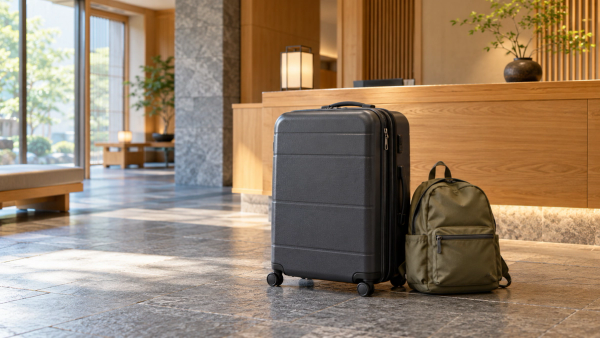
And one thing people don’t mention enough: carry one extra tote or laundry bag for damp clothes and used footwear. Your clean outfits should not have to share space with a half-wet sandal. Seems small, but really changes things.
What gifts actually make sense for an Indian wedding during monsoon season
#Okay gifts. This gets awkward fast because Indian weddings are emotional, practical, performative, generous, and sometimes totally confusing all at once. If you’re close family, you probably already know the expectation. If you’re a friend, cousin, colleague, or neighbour-level guest, just keep it useful and respectful. I still think cash in a nice envelope is the easiest and most accepted option in many parts of India, especially if you’re travelling and don’t want to carry bulky items. UPI gifting is also becoming common in close circles, but for a wedding, a physical envelope still feels more graceful somehow.
If you want a proper gift, monsoon season changes my recommendations a bit. I avoid large decor pieces unless the couple has registered somewhere or specifically mentioned home setup. Weather, travel, and destination wedding baggage limits make fragile gifts annoying. Better options are elegant but compact things.
- 1. Gift cards for home, travel, or premium dining
- 2. Cash envelope with a handwritten note if you know them well
- 3. Good-quality bedsheets, towels, or home linen only if you’re close enough to know their taste
- 4. Small silver item from a trusted jeweller or store if your family does that traditionally
- 5. Couple spa or stay voucher, specially nice for destination wedding couples who never get time to relax
One thing I’ve seen more recently, even in very traditional circles, is group gifting. Cousins or office friends pool money and give one better gift instead of five random boxes. Much smarter, less clutter, and the couple usually actually uses it. Honestly I love this trend.
If you’re travelling for the wedding, here’s the practical side nobody tells you
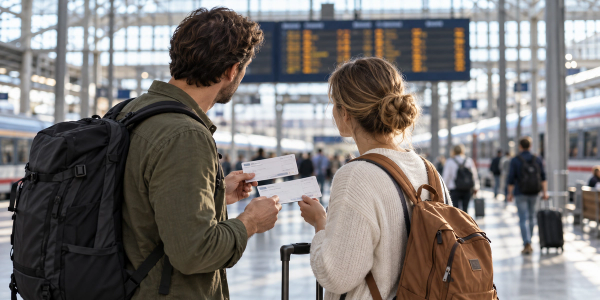
#Monsoon weddings are rarely just about the functions. You’re also navigating trains, flights, cabs, hotel corridors, and maybe a backup venue if rain gets wild. Domestic airfares during heavy rain periods can fluctuate a lot, especially to Goa, Mumbai, Kochi, and other coastal wedding spots. I usually book a flexi ticket if the event is super important. Train travel can be scenic in monsoon, yes, but delays happen. Road trips are beautiful and also annoying in equal measure. So if the wedding is in a hill or coastal area, reach earlier than you think you need to.
Accommodation-wise, city hotel prices vary massively by location and wedding calendar. In metros, decent business hotels often start around ₹3,000 to ₹7,000 a night, while wedding venue hotels can jump from ₹8,000 to ₹20,000-plus pretty easily. Boutique stays in places like Goa, Udaipur, Lonavala, Alibaug or Kerala can be lovely in rain, but check for damp-room reviews, backup power, and road access. I always read the newest reviews first, not just star ratings. If multiple people mention leakage, smell, or waterlogging near the property, I’m out.
Food, beauty, and comfort stuff that matters more in rainy weather
#Indian wedding food in monsoon season can be amazing. Hot pakoras, chaat, live counters, soups, jalebi in the rain... unbeatable vibes. But be a little careful with cut fruit, mayo-heavy salads, and things that have clearly been sitting out too long, specially at large outdoor functions. This isn’t me being dramatic. One stomach upset and your carefully planned wardrobe means nothing. I usually eat hot fresh items first and keep ORS in my bag. Glamorous? No. Smart? Very.
Beauty-wise, I’ve become less ambitious over time. Dewy makeup can turn into sweaty confusion in humid weather. Long-lasting base, waterproof kajal, setting spray, cream products used lightly, done. Hair is another battle. If your hair frizzes, just work with it instead of fighting for a salon-perfect finish that vanishes in ten minutes. Soft bun, braid, low pony, pinned waves. Men also, just saying, monsoon humidity does weird things to hair and collars, so carrying a handkerchief and a small grooming kit is not uncool, it’s sensible.
A few things I would not pack again
#Some mistakes are so specific you only learn them after suffering through them. I would not pack velvet potlis if I know there’s a chance of heavy rain. I would not pack extra-long flared palazzos for a venue with outdoor pathways. I would not carry giant gift boxes while hopping between airport and hotel. And I would absolutely not rely on one pair of footwear only. That one still hurts. There was a wedding where my sandals got soaked before the evening event and I had to borrow a cousin’s slightly-too-small pair. Looked okay in photos, but me and my toes were fighting all night.
I’d also say don’t overpack jewellery. In damp weather, simple pieces are easier to manage and less stressful if you’re moving around a lot. Statement earrings, one bracelet, maybe one necklace depending on neckline. Enough. You don’t need your whole bank locker in one pouch.
Best months and current vibe for attending monsoon weddings in India
#If you’re purposely planning travel around a monsoon wedding, late June to early September is the main rainy window in many regions, but the experience differs a lot by state. July and August are lush and dramatic, though travel disruptions can be more common. Early September can be a sweet spot in some places because the landscape is still green but the rain may ease a bit. For those planning ahead into 2026 or beyond, the trend of intimate destination weddings mixed with one larger hometown reception is still going strong, and monsoon-friendly indoor venues with covered lawns are especially in demand.
Safety-wise, nothing alarming in a broad sense, but common-sense monsoon precautions matter. Track weather updates the week of travel, leave buffer time, avoid flooded roads, and keep digital copies of tickets and hotel bookings. Women travelling solo or in small groups for weddings should pre-book airport transfers if landing late, especially during heavy rain. Families usually organise pickups, but not always efficiently... as we all know.
My final packing mindset, after all the trial and error
#The best monsoon wedding packing list in India is not the most fashionable one. It’s the one that lets you enjoy the wedding without fussing every twenty minutes. You want clothes that photograph well but breathe. Shoes that survive wet ground. Gifts that don’t become one more burden to carry. And enough backup planning that a delayed flight or sudden shower doesn’t ruin your mood. That, to me, is the sweet spot.
So yeah, be a little practical, a little filmy, and don’t trust the weather app too much. Pack lighter than your shaadi-heart wants to, but smarter than your old self probably would have. You’ll thank yourself when everyone else is hopping around puddles and you’re just... fine. Looking nice, eating pakoras, making it to the mandap without disaster. Which is honestly the dream. If you like this sort of real-travel, Indian-style wedding and trip advice, go wander through AllBlogs.in too, there’s some properly useful stuff there.