An office capsule wardrobe for humid weather is a small set of work clothes that you can repeat without feeling bored, sweaty, or underdressed. For Indian weather, that means clothes that can handle heat, sticky commutes, surprise rain, and office AC that is somehow always set to “Shimla.”
You do not need a cupboard full of options. You need the right 12 pieces: 4 tops, 3 bottoms, 2 light layers, 2 pairs of shoes, and 1 reliable work bag. Choose breathable fabrics like cotton, linen-cotton, bamboo blends, hemp blends, and lightweight weaves. Avoid anything that looks polished on the hanger but makes you feel trapped the moment you step outside.
Most people do not need more office clothes.
They need fewer clothes that annoy them.
You know the scene. The cupboard is full, but somehow there are only three things you actually want to wear. One shirt looks smart but feels sticky by 10 am. One pair of trousers goes with exactly one top. One blazer is perfect once you are inside the office, but wearing it during the commute feels like a personal punishment. Then monsoon arrives, and suddenly half your wardrobe becomes risky.
That is exactly where an office capsule wardrobe helps.
Not the unrealistic internet version where every outfit is beige, every shirt is perfectly steamed, and nobody ever spills chai on themselves. A real Indian office capsule has to survive humidity, metro rides, autos, wet roads, college presentations, hybrid meetings, changing dress codes, and freezing AC.
This guide keeps things practical: 12 pieces, simple fabric rules, easy outfit formulas, monsoon checks, AC layering, care tips, and buying advice that actually works for everyday life.
Why humid weather needs a different office wardrobe
#A lot of capsule wardrobe advice is made for cooler countries. It recommends thick blazers, fitted shirts, heavy denim, polyester “easy-care” trousers, and neat layers that look great in photos.
Indian humidity is a different game.
You may leave home feeling fresh, sweat through the commute, sit in a cold office, step out for lunch in harsh heat, and then return home through rain or sticky evening traffic. Your clothes need to breathe, dry reasonably fast, move with you, and still look office-appropriate.
A good work capsule wardrobe for humid weather should do four things:
- Make mornings easier
- Keep you comfortable during the commute
- Look polished enough for your workplace
- Avoid clothes that sit unused because they are too hot, clingy, or hard to maintain
This is not about dressing for one body type, one gender, or one expensive lifestyle. It is about choosing clothes that fit your real day: your commute, your office, your budget, and your comfort.
The fabric rule for breathable office wear
#Before colour, trend, or even fit, check the fabric label.
In humid weather, fabric decides whether a piece becomes a weekly favourite or one of those “why did I buy this?” items.
Fabrics that usually work better in humidity
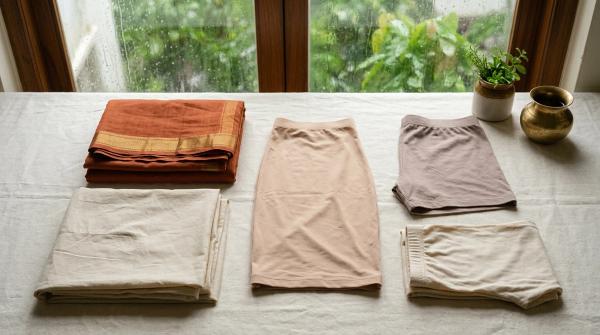
#Cotton:A reliable choice for Indian office outfits. It is breathable, familiar, and available across budgets. For a more polished office look, choose smoother cotton weaves instead of very flimsy or overly crumpled ones.
Linen-cotton blends:Pure linen can wrinkle a lot. That may be fine in creative workplaces, but not always in formal offices. Linen-cotton blends usually feel airy while looking a little more controlled. They work well for shirts, kurtas, relaxed trousers, and light layers.
Bamboo and hemp blends:These can feel light and breathable, depending on the weave. Do not buy only because the label says bamboo or hemp. Touch the fabric, hold it up to light, and check whether it feels too thick or stiff.
Summer-weight wool blends:These can work for formal trousers, but only if the fabric is genuinely lightweight and smooth. Avoid anything that feels heavy, lined, or wintery.
Fine cotton knits:Good for structured polos, smart high-neck tops, and light cardigans. The important word is fine. Not sweater material. Not thick winter knit.
Fabrics to be careful with
#Polyester-heavy clothes:Many office shirts, trousers, and “wrinkle-free” pieces use synthetic blends. They may look neat on the hanger, but they can trap heat badly in humid weather.
Very thick denim:It can feel heavy, hot, and slow to dry during monsoon.
Heavy lined blazers:They look formal, yes. But outside an AC room, they can become unbearable.
For a deeper fabric guide, read: Best Fabrics for Monsoon Office Wear in India.
The 12-piece office capsule wardrobe checklist
#This checklist is gender-neutral. A “top” can mean a shirt, blouse, kurta, tunic, polo, or smart T-shirt, depending on your workplace. A “bottom” can mean trousers, chinos, culottes, skirts, or any office-appropriate piece you actually enjoy wearing.
The goal is not to copy every item exactly. The goal is to build a small system that makes getting dressed easier.
If your job involves frequent short trips, you can also adapt this list using ideas from Travel Capsule Wardrobe for 7 Days.
Outfit formula table for Indian office outfits
#Once the 12 pieces are in place, the biggest benefit is mental peace. You stop asking, “What matches this?” because most things already do.
How to choose colours without making the capsule boring
#A capsule wardrobe does not have to be dull. It just needs enough coordination so you are not fighting with your clothes every morning.
For humid weather office wear, build around:
- 2 dark neutrals: navy, charcoal, black, deep brown
- 2 light neutrals: beige, taupe, soft grey, ivory
- 1 muted colour: olive, dusty blue, rust, maroon, sage, muted teal
This gives you variety without making outfits hard to combine.
If you commute during monsoon, keep at least one dark top and one dark bottom in regular rotation. They are much more forgiving on days with rain splashes, muddy platforms, crowded buses, and the general chaos of wet weather.
Fit matters more than size labels
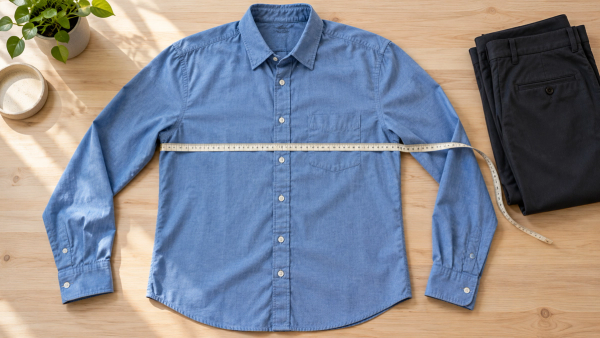
#Humidity makes tight, clingy clothes feel worse. That does not mean everything has to be oversized. It simply means your office clothes should allow air and movement.
Look for:
- Shoulder seams that do not pull
- Armholes that let you move comfortably
- Waistbands that do not dig in when you sit
- Trousers with room at the thigh and knee
- Tops that do not cling tightly to the back or underarms
- Layers that fit over your base outfit without bunching
Ignore the size on the tag if the fit is wrong. Different brands cut clothes differently anyway. Your goal is comfort, polish, and repeat wear, not a particular number.
Monsoon commute planning
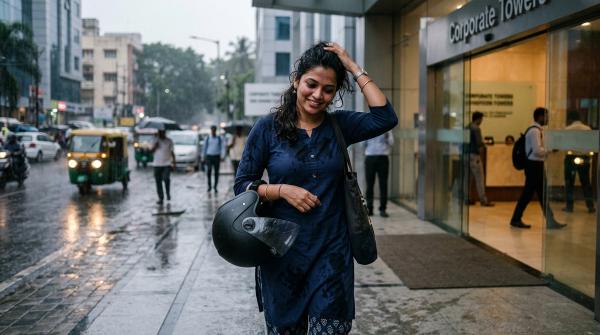
#Monsoon office dressing is not only about looking presentable. It is about what happens between your front door and your desk.
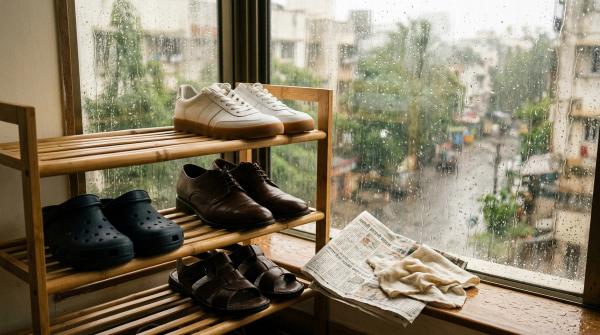
On rainy days, avoid building your outfit around delicate fabrics, pale hems, or shoes that turn slippery. Choose dark trousers, wipeable shoes, and a bag that can hold a small umbrella without soaking everything inside.
Ask yourself:
- Can the shoes handle wet pavements?
- Will the trouser hem drag through puddles?
- Can the top survive light rain or sweat without becoming transparent?
- Will the fabric dry reasonably if it gets damp?
- Can mud splashes be cleaned easily?
Socks matter too, especially if your commute is long. For more detail, read: Quick-Dry Socks vs Cotton Socks for Indian Monsoon Commutes.
How to handle cold AC without dressing for winter
#One common mistake is dressing for office AC from home. Then the commute becomes hot, sticky, and uncomfortable before the day has even started.
A better approach is a two-part system:
- Commute layer: breathable shirt, kurta, polo, blouse, or top
- Office layer: cardigan, overshirt, shacket, or unstructured blazer
If possible, keep one neutral layer at your desk. This saves you from carrying it every day. Choose a colour that works with most of your capsule, such as navy, grey, beige, or black.
Budget-friendly buying checks
#A capsule wardrobe can save money, but only if you buy slowly.
Buying 12 new pieces in one weekend sounds efficient, but it usually leads to mistakes. You may buy things that match the idea of a capsule but not your actual life.
Start with what you already own.
Take out your current office clothes and sort them into four piles:
- Wear often and like
- Wear only when nothing else is clean
- Looks good but feels uncomfortable
- Does not fit my current work life
Your capsule starts with pile one. You may already have 4 to 6 useful pieces sitting in your cupboard. Then fill the gaps one at a time.
Before buying anything new, ask:
- Does it match at least three things I already own?
- Can I wear it for a full office day, not just for two hours?
- Is the fabric breathable enough for my commute?
- Can I wash and dry it easily in humid weather?
- Does it suit my actual dress code?
- Am I buying it because it solves a gap, or because it is on sale?
Sales are useful only when the item was already needed. Otherwise, it is just a discounted regret.
What not to buy for a humid office capsule
#Avoid these common traps:
One-outfit pieces:If a shirt works with only one trouser, it is not doing enough.
High-maintenance fabrics for daily wear:If it needs special care every single time, you may stop reaching for it.
Very trend-led cuts:Trend pieces can be fun, but they should not form the base of your work capsule.
Too many light bottoms:Light trousers are useful, but monsoon and public transport can make them harder to repeat.
Heavy formal layers:A blazer that works only inside an AC boardroom may not deserve capsule space unless your job really requires it.
Cheap but uncomfortable synthetics:A low price is not helpful if the piece traps heat and stays unworn.
Care tips for humid weather office wear
#Good care helps a small wardrobe last longer. It also makes mornings less irritating because your clothes are actually ready when you need them.
- Wash sweat-heavy clothes soon, especially in humid weather
- Use cold water for cotton and many natural fabrics
- Dry clothes fully before storing to avoid musty smells
- Line dry in shade when possible, especially for darker colours
- Use hangers for shirts and layers that wrinkle easily
- Rotate shoes so they can air out between wears
- Keep a small lint roller or cloth brush for dark office pieces
- During monsoon, do not store damp socks, shoes, or hems inside closed cupboards
A capsule wardrobe works only if the clothes are usable. Care is part of the system, not an extra task.
Sample 5-day office capsule plan
#Here is a simple weekly plan using the same 12 pieces.
You can repeat the same formula next week with small changes, like switching shoes, adding the cardigan, or changing the top. Repeating outfits is not a failure. It is the whole point of building a wardrobe that works.
Final thought
#A good office capsule wardrobe is not about strict minimalism. It is about making your mornings easier and your clothes more useful.
For humid Indian weather, the best capsule is breathable, repeatable, monsoon-aware, AC-ready, and realistic for your budget. Start with what you own, remove what never works, and add only the pieces that make daily dressing simpler.
Twelve good pieces can do more than a crowded cupboard, if they are chosen well.