The under-seat bag is not “extra space”, it is your survival kit
#For the longest time, I packed like a proper Indian family going to a wedding. One cabin suitcase, one backpack, one tote that mysteriously became “just a small bag”, and then a plastic packet with snacks because obviously airport food is daylight robbery. At Delhi airport once, the airline staff weighed my cabin trolley and it was over by maybe 1.5 kg, not even much, but enough to make me open the bag on the floor and start shifting things around while people stared. My mother had packed thepla, charger, a shawl, two books, and a steel dabba of namkeen in the carry-on. Very useful, yes. Very chaotic also.
That day I finally understood the difference between a personal item and a carry-on. Not the official boring definition only, but the practical one. Your carry-on is the bag that may go into the overhead bin, sometimes far away from your seat if the flight is full. Your personal item is the bag that stays under the seat in front of you, close enough that you can reach it without doing yoga in the aisle. And trust me, what you pack where can make or break your whole flight, especially if you are travelling from India where cabin baggage weighing, security checks, long layovers, sudden gate changes, and “sir laptop alag nikaliye” are all part of the full airport experience.
Personal item vs carry-on: the simple difference, without making it complicated
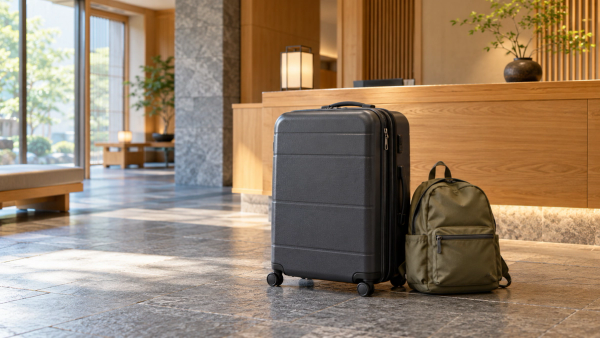
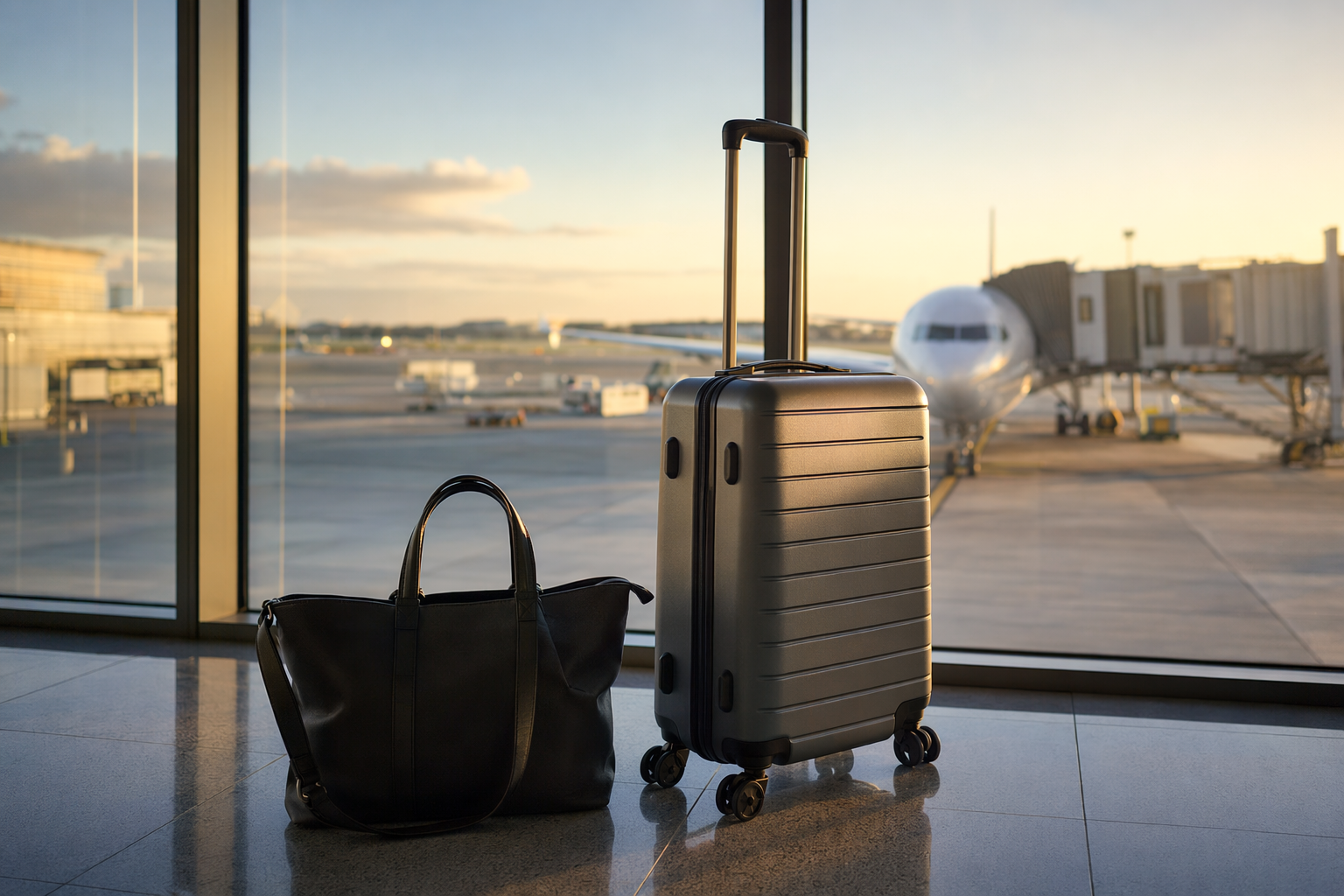
#A personal item is usually a smaller bag like a backpack, laptop bag, purse, sling, small duffel, or tote. It should fit under the seat in front of you. A carry-on is usually your cabin trolley or larger soft bag that goes in the overhead bin. Airlines use different words for these things: cabin baggage, hand baggage, hand luggage, small bag, accessory, laptop bag. Same family, different drama.
In India, domestic economy tickets commonly allow one cabin bag around 7 kg, but the exact size and allowance depends on the airline and fare type. Some airlines are strict, some are chill until they are not. International flights can be more generous or more confusing, especially if you have two airlines on one ticket. I’ve had flights where nobody looked at my backpack, and I’ve also had a staff member at Bengaluru airport ask me to put my cabin bag on the weighing scale when I was already mentally eating idli at the lounge. So my rule is: check the airline page before packing, not after reaching the airport with confidence and extra shoes.
Also, “personal item” does not mean you can carry half your bedroom in a backpack. It should go under the seat. If it’s bulging like a Mumbai local at 7 pm, you’ll suffer first because your leg space is gone. On a short Delhi–Mumbai flight, okay manageable. On a 9-hour international flight, your knees will file a complaint.
My basic packing logic now: overhead is storage, under-seat is access
#This is the main idea. The carry-on is for things you need during the trip but not every ten minutes during the flight. The personal item is for things you might need urgently, emotionally, medically, financially, or because the airline decides to delay your checked bag and you are standing in a hotel bathroom with no toothbrush. It happens.
I pack my personal item like I’m preparing for small airport disasters. Passport, wallet, phone, charging cable, power bank, medicines, one fresh T-shirt if it’s a long flight, basic toiletries under liquid rules, snack, earphones, and all documents. My carry-on gets the heavier or less urgent stuff: clothes, sandals, extra layers, bigger toiletry pouch if allowed, camera accessories that I don’t need mid-flight, and gifts if they are not fragile. If I am carrying pickles or homemade masala, I think twice because leakage in cabin baggage is a spiritual lesson nobody asked for.
The best packing lesson I learnt is very simple: if losing access to it for 8 hours will ruin your day, don’t put it in the overhead bin.
What I always keep in my personal item
#First, documents. Passport for international, government ID for domestic, visa papers if needed, boarding pass, hotel address, travel insurance, and copies. I know most of us keep everything on the phone now, but phones die, apps log out, airport Wi-Fi acts moody, and immigration counters are not the place to discover your PDF is stuck in Gmail loading forever. I keep one printed copy of important stuff in a slim folder inside my backpack. Not fancy, just practical. If you want a proper system, I liked this checklist on Travel Document Backup Checklist: Offline, Printed & Secure, because it explains the whole offline plus printed backup idea without making you feel paranoid.
Second, money and cards. I keep my main wallet, one backup card in a separate pocket, some cash, and for India trips, a small amount of change because UPI is amazing but not always useful when the network disappears at a hill station taxi stand. For international travel, I keep forex card or cash in the personal item, never in the carry-on trolley. Overhead bins are safe generally, but why take tension.
Third, medicines. Not the whole family medical store, but what I may need immediately: acidity tablet, motion sickness medicine, painkiller, allergy tablet, prescription medicines, inhaler if you use one, and basic band-aids. Keep prescriptions for important medicines, especially on international flights. Liquid medicines should follow cabin liquid rules unless medically exempted, and even then, keep it easy to explain at security. I learnt this after standing in line with a cough syrup bottle and feeling like I was smuggling something, which I wasn’t, but airport security has that effect.
- Passport, ID, visa printouts, hotel address, travel insurance copy, emergency contact details
- Phone, charger, cable, power bank, earphones, small adapter if travelling abroad
- Medicines you cannot afford to lose, plus prescription if required
- One snack, empty water bottle, tissues, lip balm, sanitizer, and a pen because immigration forms still appear randomly
- A light layer: shawl, hoodie, or stole. Indian aunties are right about AC, honestly
Power banks, chargers, and gadgets: don’t bury them in the trolley
#Power banks should travel in cabin baggage, not checked-in luggage, and I keep mine in the personal item because I use it constantly. Same for charging cable and earphones. Many airports have charging points now, but they are either occupied or placed in some corner where you have to stand like a statue. On long layovers, your phone becomes ticket, map, wallet, camera, entertainment, and emotional support animal. Keep it alive.
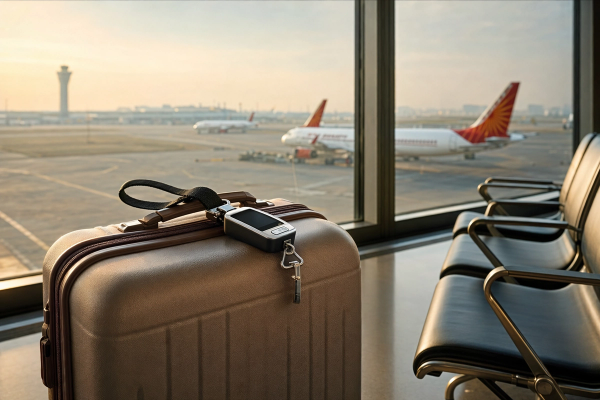
Laptop and tablet also usually stay in my personal item. At Indian airports, security often asks you to remove laptops separately from the bag. If your laptop is inside the cabin trolley under three layers of clothes, you will hold up the line and everyone behind you will quietly judge. Keep it easy to pull out. Same with camera batteries and spare lithium batteries, these are better kept in cabin bags and protected from short circuit. I use a small pouch so wires don’t become noodles.
What goes in my carry-on suitcase
#The carry-on suitcase is where I pack clothes and things I don’t need while sitting in the aircraft. For a weekend trip, it can hold everything if I’m disciplined. For longer trips, it becomes my backup if checked luggage is delayed. I usually pack one full change of clothes in the carry-on even if I’m checking in a big bag. Underwear, socks, basic T-shirt, maybe light pants. Sounds boring, but when your checked bag takes a different holiday, this one habit saves you.
Shoes go in carry-on only if I have space. Indian travellers, we love carrying “just in case” footwear: one sneaker, one slipper, one nice sandal, one extra because outfit. But shoes eat space like anything. I wear the bulkiest pair and pack one smaller pair. If I’m going to a beach place like Goa or Gokarna, chappals are easy. If I’m going to Himachal or Kashmir side in cold months, proper shoes matter more than extra outfits. Seasonal packing changes everything.
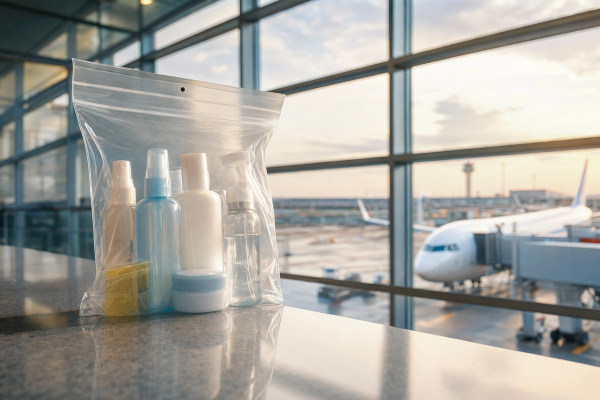
Toiletries are tricky. Cabin liquid rules for many international flights mean liquids, aerosols, and gels should be in small containers, commonly 100 ml each and packed in a clear resealable bag, with total limits depending on airport rules. Domestic security in India can vary, but don’t assume giant shampoo bottles will pass cabin screening. I carry travel-size toothpaste, face wash, moisturizer, and sunscreen if needed. Bigger bottles go in checked baggage. And please tighten caps. Once my face wash leaked inside a pouch and my socks smelled like neem for two days.
A rough carry-on packing list that actually works
#- One change of clothes if you have checked luggage, two if it’s a long international connection
- Extra underwear and socks, rolled into corners because every inch counts
- Travel-size toiletries in a leak-proof pouch, not loose and not overstuffed
- Lightweight footwear if really needed, packed in a shoe bag or old cloth bag
- A small laundry bag, because mixing used clothes with fresh ones is just sad
- Non-urgent tech like camera tripod, spare pouch, hard drive, but check airline rules for batteries
Snacks: the Indian traveller’s emotional insurance
#Let’s be honest. We pack snacks not only because we are hungry, but because paying ₹350 for a sad sandwich hurts the soul. I always keep something simple in my personal item: protein bar, nuts, khakhra, thepla, or biscuits. Dry snacks are usually easier. Anything oily, smelly, or liquid-ish can create problems at security or in your bag. Homemade achaar in cabin baggage? Brave choice. I won’t say never, because I have seen people do it successfully, but I personally don’t risk it unless it is sealed like a science experiment.
For international travel, be careful with fresh fruits, seeds, meat products, dairy, and plant items. Many countries have strict rules. Even if you carry something from home, you may need to declare it or throw it before arrival. Dry packaged snacks are safer, but still check rules for your destination. Tea bags and coffee sachets are usually easy to pack, and honestly I like carrying a few because hotel room tea outside India can be... emotional damage. There’s a nice practical read on Tea Bags, Coffee Sachets and Drink Mixes in Cabin Baggage: Pack, Sip or Skip? if you’re the type who carries masala chai sachets everywhere, no judgement because same.
Long flight comfort: what should be within reach
#On long flights, your personal item becomes your mini room. I keep a neck pillow only if I’m actually going to use it, otherwise it hangs from the bag like a useless medal. A small shawl or hoodie is non-negotiable. Aircraft cabins can be cold, and airline blankets are not always available, especially on budget flights or shorter sectors. I also pack an eye mask sometimes, earplugs, lip balm, and a tiny moisturizer. Not full spa treatment, just survival.
Compression socks are worth considering on long flights, especially if your feet swell or you have long sitting hours, though anyone with medical issues should ask a doctor. Foot hammocks and inflatable footrests are more personal taste. I used a foot hammock once and felt fancy for 20 minutes, then got irritated because it kept shifting. Some people love them. If you’re confused, this comparison is useful: Compression Socks vs Foot Hammock vs Inflatable Footrest: What’s Actually Worth Buying for a Long Flight?. My own vote? Compression socks plus walking around when safe. Simple works.
Keep these comfort items in the personal item, not carry-on. If your neck pillow, medicines, and hoodie are in the overhead bin and the seatbelt sign stays on, you’ll sit there regretting life choices. Also, don’t pack too much under-seat. Legroom is already limited, especially on budget aircraft. A soft backpack is better than a hard boxy bag because you can squish it a bit.
The Indian airport security reality: pack for speed, not aesthetics
#Instagram packing videos are very satisfying, all beige pouches and perfect cubes. Real airport security is different. At Mumbai or Delhi during peak hours, you want to move fast. Laptop should come out easily. Liquids should be together. Power bank should not be hidden at the bottom. Coins, keys, watch, belt, phone, all that needs a small pocket or pouch. I use one zip pocket in my backpack as my “security pocket”, where I dump tiny metal things before the tray drama begins.
If you are travelling with family, especially parents, help them organise before reaching the scanner. My dad once kept coins in three different pockets and one tiny screwdriver from some old keychain, and security found it. Nothing serious, but it delayed us. Now I do a mini check before leaving home: no scissors, no blades, no big liquids, no random tools, no coconut because yes, some people still try. Cabin baggage rules are strict about sharp objects. Nail cutters can sometimes pass, sometimes create discussion, but scissors and blades are a no.
Carry-on only travel: nice idea, but not always practical from India
#Many travel influencers say “just travel carry-on only” like it’s a moral achievement. I like the idea, but from India it depends. If you are travelling in summer to Kerala, Goa, Pondicherry, or a city break in Jaipur, carry-on only is easy. Light cotton clothes, sandals, small toiletries, done. But for winter trips to Ladakh, Kashmir, Spiti, or even a family wedding in Lucknow, carry-on only becomes comedy. Sweaters, ethnic wear, shoes, gifts, makeup, thermals, maybe dry fruits for relatives. Good luck fitting all that under 7 kg.
For budget airlines, pre-booking checked baggage or choosing the right fare can be cheaper than paying excess at the airport, but prices and rules change by airline and route. Don’t rely on old screenshots from WhatsApp groups. Check the airline booking page. If you know you’ll shop, especially in Thailand, Dubai, Kashmir, Jaipur markets, or even airport duty free, leave space or buy baggage allowance before the return flight. Airport excess baggage counters have no mercy.
Seasonal packing: what moves between personal item and carry-on
#Season matters a lot. During monsoon, I keep a compact umbrella or rain poncho in the personal item if I’m landing in places like Mumbai, Kochi, Goa, or the Northeast. Wet airports, wet taxis, wet everything. A ziplock or waterproof pouch for documents and electronics is also smart. In winter, especially north India or international cold destinations, I keep one warm layer under-seat because flights can be cold and arrival airports can be colder. If you land in Delhi early morning in December wearing only a T-shirt because your jacket is in checked baggage, you’ll learn quickly.
Summer packing is about sweat management. One small deodorant within liquid rules, face wipes, extra T-shirt in carry-on, and a refillable bottle. Many Indian airports now have water refill points after security, so carrying an empty bottle helps. For beach trips, sunscreen and sunglasses are important, but pack sunscreen according to liquid limits if it’s cabin baggage. For hill trips, lip balm and moisturizer should be in personal item, because dry air hits fast.
Accommodation style changes what you should keep close
#This sounds slightly off-topic, but where you stay affects what you pack where. If I’m staying in a hostel dorm, I keep a small lock, earplugs, flip-flops, and a quick-access toiletry pouch. Indian hostels in places like Rishikesh, Goa, Manali, Jaipur, and Varkala can range from around budget dorm beds to boutique hostel rooms, with prices changing a lot by season and weekend demand. In popular tourist months, hostels and homestays can fill up fast, especially around long weekends.
If I’m staying in a business hotel, I worry less about towels and toiletries. If it’s a homestay or guesthouse in the hills, I carry my own basic toiletries and sometimes a small towel because not every place is consistent. Budget rooms in Indian tourist towns can be great or very average, and typical prices swing widely depending on location: simple guesthouses may be affordable, boutique stays cost much more, and festival or peak-season rates can jump suddenly. So keep your first-night essentials in your cabin bags, not checked baggage. Arrive late, bag delayed, shops closed: then you’ll thank yourself.
A few things people pack wrong all the time
#Jewellery should stay in the personal item, especially gold or expensive pieces. Many Indian families travel for weddings and carry jewellery in cabin bags, but don’t put it in the overhead trolley and then sleep peacefully. Keep it close, discreet, and avoid flashing it around. Same for cash envelopes, important gifts, and electronics. If it is expensive or emotionally valuable, under-seat bag.
Heavy books are another mistake. I love carrying a book, but two hardcovers in a personal item is punishment. Download some reading material or carry one slim book. Water bottles should be empty before security. Perfume should be small and properly packed. Matchboxes and lighters have strict rules and can be confiscated depending on airport and airline policy, so don’t casually throw them in. And please don’t pack power banks in checked luggage. I know I already said it, but repeating because people still do.
- Don’t put travel documents in the overhead bin. Ever. It’s not worth the stress.
- Don’t keep all money in one wallet. Split it quietly between pockets or pouches.
- Don’t overstuff the personal item until it steals your legroom.
- Don’t assume one airline’s cabin rule applies to your connecting airline.
- Don’t pack liquids like you are opening a salon at 35,000 feet.
My personal item layout, pocket by pocket
#My backpack has become very boring, but efficient. Front pocket: passport or ID on travel day, boarding pass, pen, tissues, lip balm. Middle pocket: charger, cable pouch, power bank, earphones, snack. Main compartment: laptop, document folder, hoodie, medicine pouch, small toiletry pouch. Side pocket: empty water bottle. Hidden pocket: backup card and emergency cash. That’s it. Nothing genius, but it works.
I try not to keep too many loose items. Loose items disappear. They fall under seats, slide inside tray tables, vanish into the black hole between passport and panic. Pouches help, but don’t overdo pouches also, otherwise you will open five pouches to find one Crocin. Label mentally if not physically. Tech pouch, medicine pouch, documents. Bas.
For short domestic flights, I keep it even lighter: phone, wallet, ID, charger, power bank, earphones, snack, and maybe a stole. For international flights, the personal item becomes more serious: passport, visa docs, insurance, medicines, extra clothes, adapters, and arrival address. Immigration officers sometimes ask where you’re staying. Don’t be that person searching through 4,000 WhatsApp messages while the queue breathes angrily behind you.
So what should you pack where? My final cheat sheet
#Pack in your personal item anything you need during the flight, at security, at immigration, during delays, or if your overhead bag becomes hard to access. Documents, valuables, medicines, electronics, chargers, snack, warm layer, basic hygiene items. Pack in your carry-on clothes, extra footwear, non-urgent toiletries, backup outfit, and things you need after landing but not necessarily while seated.
If you’re checking luggage, your carry-on should still have one day of survival items. If you’re not checking luggage, your carry-on becomes the main suitcase, but keep the personal item light enough to actually fit under the seat. And always check airline rules before leaving. Not in the cab. Not at the gate. Before packing. Because every route, fare, and airline can be a little different, and arguing with airport staff rarely ends with you winning.
Honestly, after years of messy packing, I don’t aim for perfect minimalist travel. I still carry extra snacks. I still overthink chargers. Sometimes I pack one shirt too many. But I no longer put important stuff in the wrong bag, and that alone has made airports feel less stressful. Travel is already full of surprises: delayed flights, expensive coffee, crying babies, gate changes, and that one uncle reclining his seat during meal service. Your bags shouldn’t add more drama.
So next time you’re packing, think of it like this: personal item is your in-flight and emergency kit, carry-on is your compact wardrobe and backup plan. Keep the precious stuff close, the bulky stuff overhead, and the unnecessary stuff at home if you can manage that level of maturity. I’m still trying. For more practical travel talk and slightly-too-honest packing lessons, I keep browsing AllBlogs.in whenever I’m planning my next trip.