If you’re travelling through Karnataka and want to go beyond dosa, idli, vada, and filter coffee, ragi mudde is a dish worth knowing about before it lands on your plate.
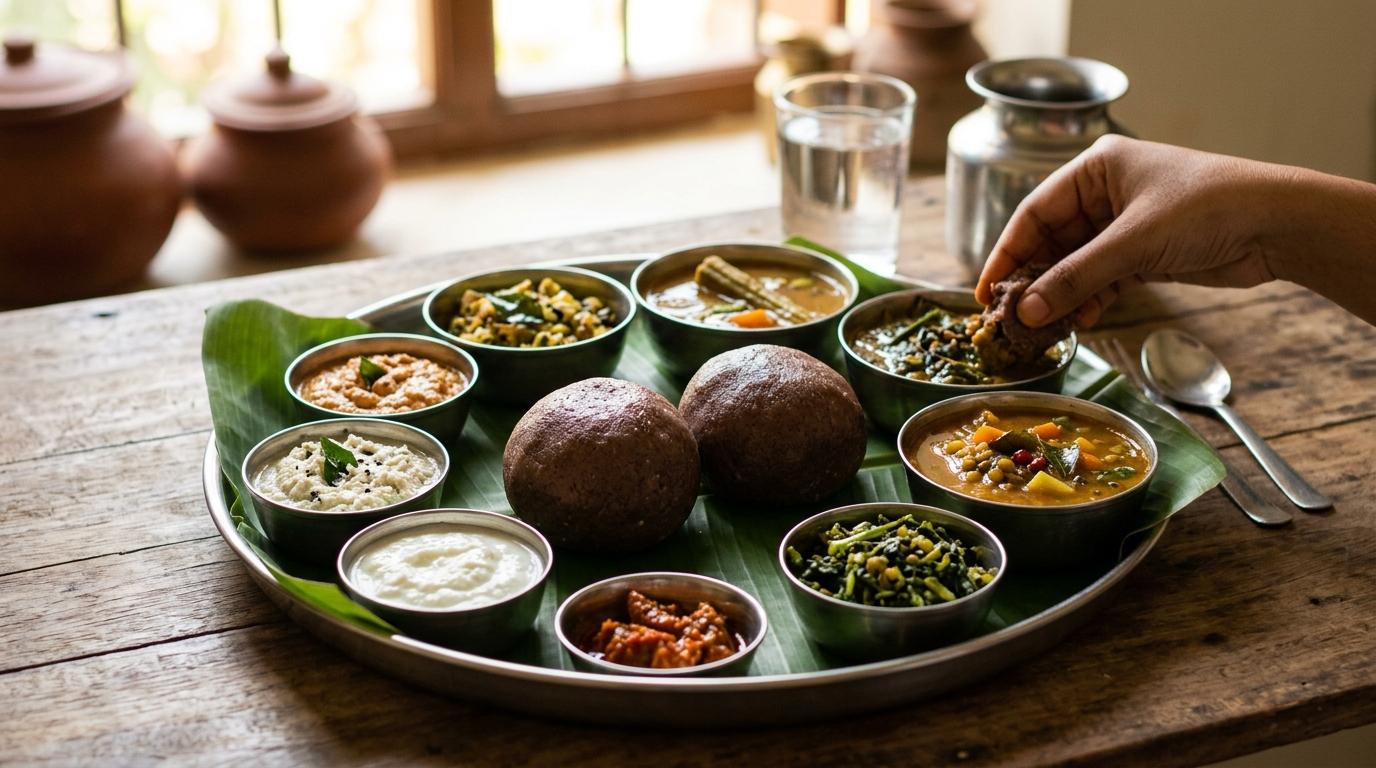
At first glance, it looks almost too simple: a dark, round ball made from finger millet flour, served hot with a spicy curry or saaru. But if you’ve never eaten it before, there’s a good chance you’ll pause for a second.
Do you bite it? Break it? Mash it into the curry like rice? Use a spoon? Are you supposed to chew it?
This guide is for that exact moment. Here’s what ragi mudde Karnataka style is, how to eat ragi mudde without feeling awkward, what to pair it with, and when it makes the most sense to order it on a trip.
Quick Answer
#Ragi mudde is a traditional Karnataka staple made with ragi, or finger millet flour, and water. It is especially common in parts of Central Karnataka and is known for being filling, earthy, simple, and deeply comforting.
You don’t eat it like rice or roti. The usual method is to pinch off a small piece, dip it well into a liquid curry like saaru, sambar, or bassaru, and swallow it gently. If you’re trying it for the first time, start with very small pieces. Smaller than you think you need.
For travellers, ragi mudde is best ordered as a slow lunch or dinner. You’ll find it in traditional Bengaluru messes, rural Karnataka homes and homestays, and highway eateries that serve local meals. It can feel heavy, so it’s probably not the best choice right before a long bus ride, a rushed train connection, or a winding ghat road.
What Is Ragi Mudde?
#Ragi mudde is one of Karnataka’s most recognisable everyday foods. It is made from ragi flour, also called finger millet flour, cooked with water and shaped into soft, dense balls. Karnataka Tourism describes it as a staple meal item in Central Karnataka districts, which tells you a lot about its place in the state’s food culture.
It is not a snack. It is not really a side dish either.
In most meals, ragi mudde is the centre of the plate.
The mudde itself is plain, mild, and earthy. It does not try to impress you with sharp flavours. Its real strength is texture, warmth, and the way it works with spicy, soupy accompaniments. A good saaru or bassaru brings the flavour; the ragi mudde brings the weight, comfort, and fullness.
That is why it matters in Karnataka. It is practical food, farmer’s food, home food, and local food. Long before millets became trendy in health cafés and urban menus, ragi was already part of daily eating in many Karnataka homes.
For anyone exploring Karnataka food for travelers, ragi mudde is a good reminder that local food is not always crisp, buttery, fried, or instantly familiar. Some dishes ask you to slow down, watch how others eat, and find the rhythm of the meal.
How to Eat Ragi Mudde
#This is the part that makes many first-timers nervous, but it’s not as difficult as it looks.
Ragi mudde is traditionally eaten by hand. You break off a small portion, dip it into curry, and swallow it. The two things to remember are simple: keep the piece small, and make sure it is coated well with curry.
Here’s an easy way to do it.
First, check how hot it is. Ragi mudde is often served hot, and the inside can stay warm longer than you expect. Touch it lightly before you take a piece.
Then pinch off a very small portion. If this is your first time, go smaller than feels normal. A marble-sized piece, or even smaller, is much easier to handle than a big mouthful.
Next, dip it properly into saaru, sambar, or bassaru. Don’t just touch it to the curry and pull it back. Coat it well. The liquid softens the outside and makes it easier to swallow.
Then place it in your mouth and swallow gently. Traditionally, ragi mudde is not chewed much. Chewing can make it feel sticky or gummy, especially if the piece is too big. If it feels strange, don’t force it. Just make the next piece smaller and use more curry.
There’s no need to look like an expert. Nobody gets extra respect for taking a huge piece on the first try. Ragi mudde is much nicer when you eat it slowly.
A useful beginner rule: small piece, lots of curry, no hurry.
Best Pairings
#Good ragi mudde pairings are usually liquid, spicy, and strong enough to balance the mild taste of the millet. Since the mudde itself is plain, the curry or side dish does most of the flavour work.
Saaru
#Saaru is one of the most common pairings for ragi mudde. It is usually thin, spicy, and easy to soak into each piece. For beginners, saaru is a good choice because it coats the mudde well and makes each bite easier to manage.
It also gives the meal that familiar Karnataka warmth: peppery, tangy, spicy, and comforting.
Sambar
#Sambar is another approachable option, especially if you are still easing into traditional Karnataka meals. Its lentil and vegetable base makes the plate feel familiar and hearty.
If you already enjoy South Indian sambar, this can be a comfortable way to try ragi mudde for the first time. It may not feel as unfamiliar as bassaru or other more rustic gravies.
Bassaru
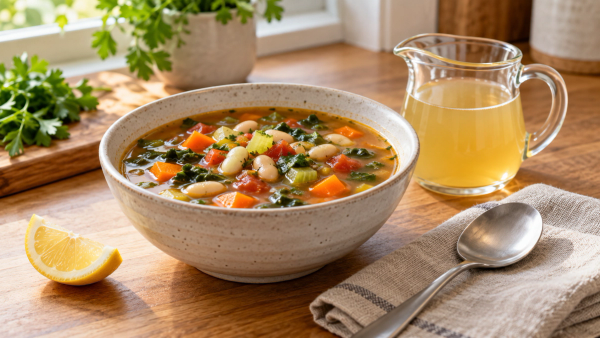
#Bassaru is one of the classic pairings and often one of the most satisfying. It is usually made with the stock from cooked lentils and greens, along with spices, giving it a deeper and more earthy flavour.
The greens and spices sit beautifully with the ragi. Together, they make the meal feel complete in a very old-school Karnataka way.
If you see ragi mudde served with bassaru, that’s usually a good sign that you’re getting a more traditional meal experience.
Greens
#Leafy greens often appear in ragi mudde meals, either through bassaru or as a separate side. Their slight bitterness and earthiness work well with the mild, dense mudde.
For travellers, greens also help balance the plate. They make the meal feel less heavy and more rounded.
Curd
#Curd is useful when the curry is spicy, or when you want to cool things down toward the end of the meal. You don’t have to mix everything together. A little curd on the side can soften the heat and make the final bites gentler.
If you are sensitive to spice, ask for curd early instead of waiting until your mouth is already on fire.
Chutney
#Chutney is usually not the main pairing for ragi mudde because mudde needs something wetter to go down comfortably. But a small amount of chutney on the side can add a nice punch.
Think of it as a flavour accent, not the main dipping curry.
If you’re comparing Karnataka staples, ragi mudde sits in a very different mood from dishes like bisi bele bath. Bisi bele bath is rice-based, soft, and spoon-friendly. Ragi mudde is denser, more hands-on, and built around dipping small portions into curry.
And if your Karnataka food plans include breakfast, you may also enjoy reading about akki rotti, another local favourite with a completely different texture and timing.
When to Order It
#Ragi mudde is best ordered when you have time to sit down, eat slowly, and rest a little after the meal. It is filling, and that’s part of its appeal. But for travellers, timing matters.
Bengaluru Meals
#You can find ragi mudde in Bengaluru at traditional mess-style eateries that serve Karnataka meals.
If you’re trying it in Bengaluru, choose a time when you are not rushing between buses, trains, sightseeing stops, or meetings. This is not the easiest dish to eat when your cab is already waiting outside.
Rural Karnataka
#Ragi mudde feels very natural in rural Karnataka meals, especially in regions where millet-based food is part of the local eating pattern. If you are travelling through Central Karnataka or staying in smaller towns, it may appear as part of a traditional lunch or dinner.
This is often where the dish makes the most sense: served as part of a full meal with saaru, bassaru, greens, curd, and other sides.
Highway Meals
#On Karnataka road trips, you may come across local eateries offering ragi mudde meals. These can be satisfying stops, especially when you want something more traditional than the usual tiffin items.
That said, think about the road ahead. If you have a long drive, a hot afternoon, or a winding ghat section coming up, start with one mudde and eat slowly. It is a filling meal, and you want to feel comfortable afterwards.
Homestays
#Homestays are one of the best settings for trying ragi mudde because the meal is usually slower and more relaxed. You can ask how to eat it, what curry is being served, and whether the spice level is high.
For first-timers, that kind of setting makes a big difference. Ragi mudde feels much less intimidating when someone at the table can show you the pace and explain the pairing.
Traveller Mistakes to Avoid
#Ragi mudde is simple, but the first experience can go wrong if you treat it like rice, roti, or a quick snack. Here are the common mistakes to avoid.
Taking Too Large a Piece
#This is the biggest mistake. A large piece can feel difficult to swallow, especially if you are new to the texture.
Start tiny. You can always take more later.
Not Using Enough Curry
#Dry ragi mudde is not very enjoyable. It needs saaru, sambar, bassaru, or another wet accompaniment.
Coat each piece properly before eating. The curry is not optional; it is part of how the dish works.
Trying to Chew It Like Roti
#Ragi mudde is traditionally swallowed in small, curry-coated portions. If you chew it too much, the texture can become sticky.
If swallowing feels unfamiliar, make the piece smaller. Don’t try to power through a large bite.
Underestimating the Spice
#The mudde itself is not spicy, but the curry can be. Saaru and bassaru, in particular, may carry more heat than you expect.
If you are sensitive to spice, keep curd on the side, eat slowly, and take breaks between bites.
Ordering It at the Wrong Time
#Ragi mudde can feel heavy if you are about to travel immediately, especially after a large portion. It is better as a proper lunch or dinner when you can sit for a while.
If your next plan involves running to a bus stand or sitting through a bumpy road journey, maybe save it for later.
Forgetting to Stay Hydrated
#Because ragi mudde is dense and filling, it helps to stay comfortably hydrated through the day. You don’t need to overthink it. Just drink water normally, especially in warm weather or after a spicy meal.
Feeling Awkward About Asking
#If you don’t know how to eat ragi mudde, ask.
Really, ask.
In traditional places, people are usually used to first-timers being unsure. A simple “How should I eat this?” is enough. Someone will either explain it or show you.
Food travel is not about pretending to know everything. Sometimes the best meals begin with the most basic question.