The honest answer: you probably need both, but for different problems
#Planning for India can feel a bit like packing for three trips at once. One day might be city traffic and museum-hopping, another might be a long train ride, and then suddenly you’re in the hills, by the coast, in monsoon rain, or eating something delicious from a place that looks… maybe fine? So when people ask whether they should focus on travel insurance or a medical kit, the gentler answer is: don’t make them compete. Travel insurance is there for the bigger, scarier, more expensive problems. A medical kit is for the small, annoying, common things that can derail a day before they become a whole drama.
A kit may help you manage minor cuts, mild stomach upset, a headache, blisters, motion sickness, or dehydration risk while you decide what to do next. Insurance may help if you need a doctor, hospital care, emergency evacuation, trip interruption support, or help coordinating care in a place where you don’t know the system. One is a pouch in your bag. The other is a financial and logistical safety net. Neither replaces common sense, and neither replaces qualified medical care when symptoms are severe, persistent, worsening, or unusual.
This is especially worth thinking about for India because the health risks are not one single thing. They vary by season, region, travel style, age, health history, and honestly, luck. A careful food traveler in Delhi has a different risk profile from someone riding a motorbike in Ladakh, trekking in the Western Ghats during the rains, visiting family across several states, or doing a quick business trip with hotel meals and private transport. The goal isn’t to scare anyone. It’s to prepare in a way that feels calm and realistic.
What travel insurance can do that a medical kit simply cannot
#Travel insurance is not glamorous. Nobody posts a flat-lay photo of their policy documents. But it can matter a lot if something goes wrong beyond basic self-care. Medical treatment for travelers can involve upfront payment, different hospital systems, language barriers, referrals, and decisions made under stress. A good policy may support emergency medical treatment, hospital admission, medical evacuation, repatriation, trip cancellation or interruption, lost baggage, and sometimes 24-hour assistance lines that help you find appropriate care. The details, though, are everything.
India does not generally require every foreign visitor to show travel insurance as a blanket entry rule, but requirements and visa conditions can change, and some organized tours, universities, employers, or adventure operators may require it. So it’s sensible to check official visa guidance and your tour provider before you go. Even if it’s not mandatory, it may still be one of the more sensible purchases you make, particularly if you are older, pregnant, traveling with children, managing a medical condition, carrying expensive gear, visiting remote areas, or planning activities like trekking, cycling, diving, rafting, motorbiking, or high-altitude travel.
The big thing to check is not just “medical coverage included?” but what that actually means. Does it cover emergency care only, or outpatient visits too? Is there a deductible? Are pre-existing conditions excluded unless declared? Does it cover medical evacuation from remote areas, and to where? Does it include adventure activities, or are those excluded unless you buy an add-on? Does it cover scooter or motorbike accidents if you don’t have the right license and helmet? Many travelers miss that last bit, and it can be costly. Road traffic injuries are a major global travel risk, and in India, traffic can be intense even for people who are used to busy cities.
Insurance details that are easy to skip, but really shouldn’t be
#- Pre-existing conditions: declare them honestly and read how the insurer defines “stable,” “known,” and “under treatment.” If you take regular medication or have had recent tests, this matters.
- Emergency evacuation: useful for remote trekking areas, islands, rural stays, or places where specialist care may not be nearby. A basic policy may not be enough.
- Adventure and altitude: trekking, motorbiking, rafting, diving, climbing, and high-altitude travel are often treated differently. Check the exact altitude limits and activity wording.
- Cashless or reimbursement: some insurers coordinate direct billing with certain hospitals, while others expect you to pay first and claim later. Keep receipts, reports, prescriptions, and discharge summaries.
- Medication loss: if checked luggage disappears and your regular medicines are inside, does the policy help? Ideally, essential medicines travel in hand luggage anyway.
- Emergency contact process: save the insurer’s assistance number offline, not just in your email. A dead phone battery at midnight is not the time to go searching.
What a medical kit is actually for, and what it is not for
#A travel medical kit is not a mini-hospital. It’s more like a small buffer between “ugh, this is inconvenient” and “I need proper help.” It can support basic comfort and hygiene for minor issues: a scraped knee, a blister, a mild headache, a touch of nausea, a small allergic itch, or the early signs of dehydration from heat or diarrhea. It can also help you avoid frantic late-night pharmacy runs in an unfamiliar area.
But a kit should not tempt anyone into ignoring red flags. Severe abdominal pain, blood in stool, persistent fever, confusion, fainting, chest pain, breathing difficulty, signs of dehydration, animal bites, deep wounds, head injury, severe allergic reactions, or symptoms that keep getting worse need professional medical advice urgently. Same goes for babies, older adults, pregnant travelers, immunocompromised travelers, and anyone with a chronic condition. General travel advice is useful, but it cannot look at you, examine you, or decide what is safe for your situation.
Also, try not to build a kit by randomly buying half a pharmacy. More is not always safer. Some medicines interact with prescriptions, some are unsafe in pregnancy or certain conditions, and some can cause side effects that feel worse than the original problem. If you’re packing medications, especially antibiotics, altitude medicines, strong painkillers, sedatives, or anything controlled, talk with a qualified healthcare professional before travel. Carry medicines in original packaging with the label visible, and bring a copy of the prescription when relevant. India has many pharmacies, yes, but brands, strengths, and quality checks can vary, and self-medicating in a rush is not ideal.
A practical India medical kit, without going overboard
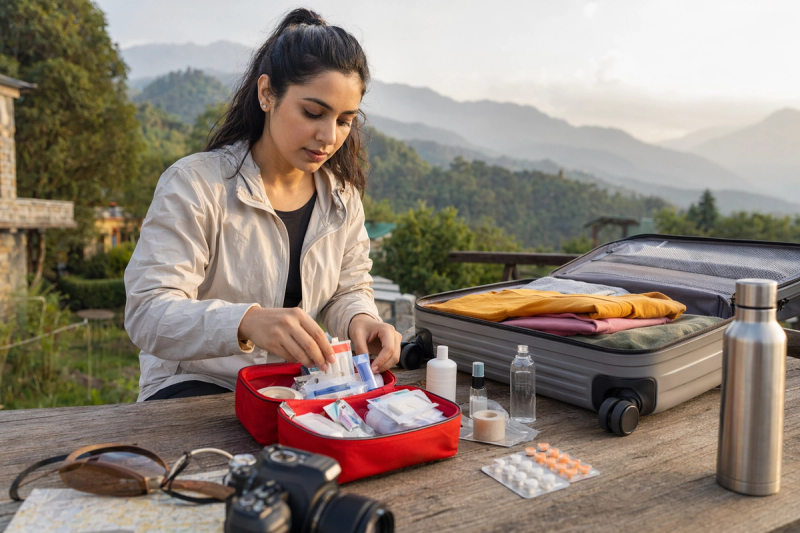
#For most travelers, the best kit is boring, organized, and easy to reach. You don’t need a giant box. A zip pouch with clear sections works fine. Keep liquids sealed in small bags, put tablets in original blister packs where possible, and check expiry dates before leaving. If you are traveling in intense heat, avoid leaving temperature-sensitive medicines inside parked cars or bags sitting in direct sun for hours.
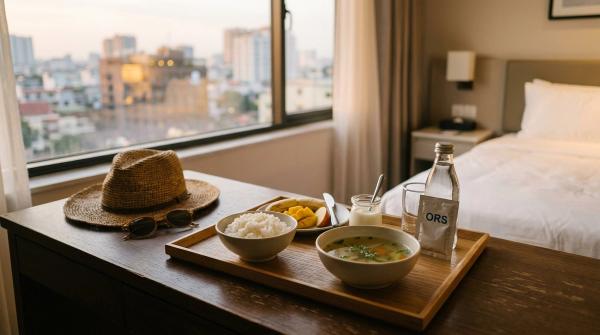
- Oral rehydration salts, often called ORS. These are one of the most useful items for heat, sweating, vomiting, or diarrhea-related fluid loss. Use according to packet directions, and seek care if dehydration signs appear.
- A digital thermometer. Fever patterns can help you decide when to seek care, and in India, fever after mosquito exposure should not be casually dismissed.
- Basic pain or fever medicine that is safe for you. Paracetamol or ibuprofen are common examples, but they are not suitable for everyone, so ask a clinician or pharmacist if unsure.
- Plasters, sterile gauze, medical tape, antiseptic wipes, and blister pads. Small cuts can happen anywhere, and keeping wounds clean matters in humid or dusty conditions.
- Hand sanitizer, soap sheets, or a small soap bar. Not fancy, just useful, especially on trains, buses, markets, and roadside stops.
- Insect repellent with an evidence-backed active ingredient such as DEET, picaridin, or IR3535, used according to the label. Long sleeves and screens help too.
- Any regular prescription medicines, plus extra supply in case of delays. Split between bags if possible, but keep essentials in carry-on.
- Motion sickness support if you are prone to it, especially for mountain roads. Some options cause drowsiness, so check before using them during travel days.
- A simple antihistamine or allergy plan if recommended for you. People with severe allergies should follow their clinician’s advice and carry prescribed emergency medication.
- Sunscreen, lip balm, and basic skin care. India’s sun can be rough, and sunburn plus dehydration is a miserable combo.
Stomach trouble: the thing everyone jokes about until it happens
#Traveler’s diarrhea is one of the most common travel health problems worldwide, and South Asia is generally considered a higher-risk region in travel medicine guidance such as the CDC Yellow Book. That does not mean you should be terrified of food in India. Indian food is one of the great joys of traveling there. It does mean you should be thoughtful about water, hand hygiene, and where food has been sitting. Freshly cooked hot food is usually a safer bet than lukewarm buffet items or cut fruit that may have been washed in unsafe water.
Your kit can include ORS, a thermometer, and medicines your clinician says are appropriate for your situation. Some travelers ask about anti-diarrheal medicines, bismuth subsalicylate, or standby antibiotics. These are not one-size-fits-all. For example, some anti-diarrheal medicines may not be appropriate with fever or bloody diarrhea, and antibiotics should be used only when medically appropriate because of side effects and antimicrobial resistance concerns. If diarrhea is severe, bloody, accompanied by high fever, dehydration, persistent vomiting, or lasts more than a couple of days, it’s time to seek medical advice rather than just pushing through.
Food choices during recovery matter too. Gentle fluids, ORS, and simple foods may help while the gut settles, but people vary. If you want a more food-focused follow-up, this guide on Bali Belly Recovery Food Plan for Indians is useful even outside Bali because the basic recovery questions are similar: what to eat, what to avoid for a bit, and what warning signs mean the kit is no longer enough.
Water, bottles, ice, and the tiny hygiene things that prevent big hassles
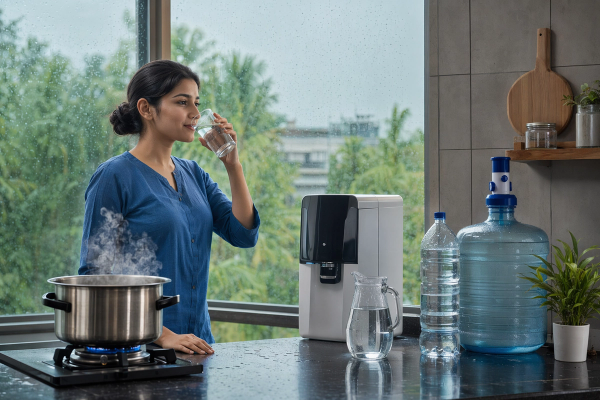
#A medical kit helps after something goes wrong. Prevention, though, is where you get the best value. In many parts of India, travelers are commonly advised to use sealed bottled water, properly filtered water, boiled water, or another reliable treatment method. Be careful with ice if you don’t know the water source. Brush teeth with safe water if you have a sensitive stomach or are in an area where tap water safety is uncertain. It sounds fussy until you’re trying to find a bathroom during a six-hour drive.
Reusable bottles are great for reducing plastic waste, but they need cleaning. A bottle that gets refilled again and again in heat, train stations, hotel rooms, and buses can develop unpleasant smells or mold if neglected. Pair the bottle with safe water habits and regular cleaning. This practical guide on Reusable Water Bottle Mold While Traveling: Cleaning Guide fits nicely here because the boring hygiene stuff is often what keeps a trip comfortable.
Hand hygiene is another unglamorous hero. Soap and water are best when hands are visibly dirty, and sanitizer is handy when soap isn’t available. Use it before eating, after bathrooms, after handling money, after touching animals, and after crowded transport if you can. Not obsessively, not in a panicky way, just consistently. Your stomach may thank you.
Mosquitoes, monsoon, and fever: don’t treat every fever like “just travel tiredness”
#India has mosquito-borne illnesses in some regions, including dengue, malaria, chikungunya, and Japanese encephalitis in certain settings. Risk depends heavily on location, season, elevation, rural versus urban travel, and length of stay. The World Health Organization and national travel medicine resources commonly emphasize bite prevention because it reduces risk across multiple diseases. For dengue especially, avoiding bites matters because treatment is supportive and prevention is mostly about mosquito control and personal protection.
This is where your kit and insurance overlap. Repellent, long sleeves, permethrin-treated clothing where appropriate, and sleeping in screened or air-conditioned rooms may reduce bites. But if you develop fever during or after travel, especially with severe headache, rash, joint pain, unusual bleeding, persistent vomiting, or feeling very unwell, get medical advice. Don’t assume it’s just heat, jet lag, or “something I ate.” Also be careful with painkillers if dengue is possible, because some medicines can increase bleeding risk. A qualified clinician can guide what is appropriate.
Monsoon travel adds another layer: wet shoes, slippery roads, contaminated floodwater, food spoilage, and more mosquitoes in some places. If you’re traveling during the rains, think about dry socks, waterproof storage for medicines, safe snacks, and being more selective about street food that has been exposed to humidity and flies. For a very practical India-specific food angle, Char Dham Yatra Food in Rain: Pack, Buy, Avoid has useful ideas that apply beyond pilgrimage routes too, especially around hydration, snacks, and rainy-season food caution.
Vaccines and pre-travel medical advice: not exciting, very worth it
#A travel clinic appointment ideally happens 4 to 6 weeks before departure, though even a last-minute visit can still be useful. Guidance from travel health authorities commonly recommends being up to date on routine vaccines first, such as measles-mumps-rubella, tetanus, diphtheria, pertussis, polio, influenza, and COVID-19 where appropriate. For India, clinicians may discuss hepatitis A, typhoid, hepatitis B, rabies, Japanese encephalitis, malaria prevention for certain areas, and other considerations depending on itinerary.
This is not a checklist everyone should copy blindly. A short city trip with hotel stays is different from months of rural fieldwork. A traveler visiting family may have different eating patterns and exposure than someone on a guided luxury tour. Children, pregnant travelers, older adults, and immunocompromised people need more individualized advice. If you take regular medication, ask about time zones, storage, interactions, and what to do if vomiting or diarrhea affects doses. Again, not glamorous. Very useful.
Rabies deserves a special mention because India has a significant dog population and rabies is almost always fatal once symptoms begin, but preventable with prompt post-exposure care. Avoid touching dogs, cats, monkeys, bats, and other animals, even if they seem friendly. If bitten, scratched, or licked on broken skin, wash the wound thoroughly with soap and running water for at least 15 minutes and seek urgent medical care for post-exposure advice. A medical kit can clean a wound. It cannot replace rabies assessment and vaccination when needed.
What insurance won’t fix, and what a kit won’t fix either
#Insurance does not prevent illness. A medical kit does not pay hospital bills. Neither will make risky choices harmless. It’s worth saying plainly because travel planning sometimes turns into a false sense of security: “I bought insurance, so I’m covered,” or “I packed antibiotics, so I’m fine.” Not quite. Insurance can have exclusions. Medicines can be inappropriate. Hospitals may require documentation. Remote areas may have delays. Weather can disrupt evacuation. A plan helps, but it is not magic.
Some of the most useful preparation is boring admin. Save your policy number, emergency hotline, passport copy, visa copy, medication list, allergies, blood type if known, emergency contacts, and doctor’s letters offline and on paper. Share the basics with a travel companion. If traveling solo, keep emergency information easy to find in your wallet or phone medical ID. If you have a condition like diabetes, epilepsy, severe allergies, asthma, heart disease, or a clotting disorder, ask your clinician what a travel-specific safety plan should include.
A good travel health plan is not about expecting the worst. It’s about making the first few decisions easier if something uncomfortable, confusing, or urgent happens far from home.
How to choose between policy upgrades and kit extras
#If your budget is limited, spend first on the things that protect you from the biggest downside. For many travelers, that means stronger medical and evacuation cover before fancy kit extras. A thermometer and ORS are cheap. Emergency evacuation is not. If you are heading to remote mountains, islands, wildlife areas, or long rural routes, evacuation and adventure coverage may matter more than packing ten different creams. If you are doing a calm city break, you may prioritize outpatient medical coverage, baggage protection for medicines, and a simple kit.
For families, it helps to pack by person rather than by item. Each traveler should have their regular medicines, allergy details, and age-appropriate basics. Children should not be given adult medicines unless a clinician has clearly advised it. For older adults, check mobility, heat tolerance, hydration, and medication schedules. For pregnant travelers, professional pre-travel advice is especially important because some destinations, vaccines, medicines, foods, and activities may need extra caution.
For long-stay travelers, digital nomads, students, and people visiting relatives, read the policy duration rules. Some policies end if you return home briefly. Some require purchase before departure. Some don’t cover routine checkups or ongoing care. If you’re staying months, a short holiday policy may not fit. The medical kit should also be refreshed: expired ORS, melted creams, crushed blister packs, and mystery pills in a plastic bag are not helpful.
A simple pre-departure checklist that doesn’t make your brain hurt
#- Book a travel health appointment if you can, ideally 4 to 6 weeks before travel, and bring your itinerary rather than asking for generic “India shots.”
- Buy travel insurance early enough to include cancellation benefits if you need them, and check medical, evacuation, pre-existing condition, activity, and motorbike exclusions.
- Pack regular medicines in original packaging with prescriptions or doctor letters where appropriate. Keep essentials in carry-on, not checked luggage.
- Build a modest kit: ORS, thermometer, wound care, blister care, safe pain or fever relief for you, hand hygiene items, repellent, sunscreen, and any clinician-recommended travel medicines.
- Save documents offline: insurance policy, emergency contacts, passport, visa, vaccination records, medication list, allergies, and local emergency numbers where relevant.
- Plan food and water habits before arrival, because decisions made while hungry and exhausted are usually not the most careful ones.
- Know your red flags: fever, severe pain, blood in stool, dehydration, breathing problems, chest symptoms, confusion, animal bites, deep wounds, or anything that feels seriously wrong.
When to stop self-managing and get medical help
#This part matters most. A travel medical kit is only for minor, short-lived issues. Seek professional medical help promptly for high or persistent fever, fever with rash or severe headache, bloody diarrhea, severe or worsening abdominal pain, repeated vomiting, signs of dehydration such as dizziness or very little urination, chest pain, shortness of breath, fainting, confusion, severe allergic symptoms, deep wounds, burns, head injury, snakebite, animal bites or scratches, or symptoms that feel unusual for your body. Emergency symptoms should be treated as urgent, not watched for another day because you don’t want to interrupt the itinerary.
If you do see a doctor or go to a hospital, contact your insurer as soon as reasonably possible, especially before admission or expensive tests if the situation allows. Keep all paperwork. Ask for itemized bills, medical reports, prescriptions, and discharge summaries in English if available. Take photos of documents as backups. If language is a barrier, hotel staff, tour operators, local contacts, or the insurer’s assistance line may help coordinate. And if you feel dismissed or unclear, it is okay to ask questions: What is the diagnosis being considered? What warning signs should prompt return? Is this medicine safe with my current medications? When should symptoms improve?
So, what should you prepare for India: insurance or kit?
#Prepare both, but don’t give them the same job. Travel insurance is your backup for bigger financial and medical logistics. A medical kit is your everyday comfort and first-response pouch. Vaccines, food and water care, mosquito prevention, road safety, and common-sense pacing are the bridge between them. Honestly, that bridge is where a lot of the real wellness work sits.
India can be intense, beautiful, chaotic, gentle, exhausting, and nourishing all in the same day. Health preparation doesn’t need to make the trip feel clinical or fearful. It just gives you more room to enjoy yourself without scrambling over small problems, and more protection if a bigger problem appears. Read the policy. Pack the ORS. Clean the bottle. Respect fever. Don’t pet the monkey. And if something feels wrong, get qualified help rather than trying to tough it out for the sake of the schedule.
That’s the balanced version: not paranoid, not careless, just prepared. For more practical travel-health guides that keep things realistic and reader-first, you can wander through AllBlogs.in.