The small bag fight nobody talks about until boarding gate drama starts
#If you travel from India often, even for small weekend scenes like Delhi to Jaipur, Mumbai to Goa, Bengaluru to Kochi, you already know this one tension. That moment at the airport when your bag looks “small enough” at home, but suddenly at the gate it looks like a full almirah. Happened to me at T2 Mumbai once, and honestly I was sweating more about my backpack than the actual flight delay. The whole underseat bag vs personal item backpack debate sounds boring from outside, but when you are trying to avoid check-in baggage, save money, run out of the airport fast, and still carry your charger, snacks, extra kurta, chappals, skincare, laptop, and that one steel dabba your mom forced into your hand… it becomes very personal.
So let’s talk properly. Not in that showroom style where everything is “premium, ergonomic, multi-utility” and all. I mean real travel talk. I’ve used both: a small underseat trolley bag and a personal item backpack on Indian domestic flights, international budget flights, buses to hill stations, trains, and even in those tiny homestay staircases where you regret every life choice. My short answer? For most Indian travellers, especially if you move around a lot, a good personal item backpack wins. But. And this is a big but. An underseat bag can be brilliant if your travel style is more airport-to-cab-to-hotel and you hate carrying weight on your shoulders.
First, what even counts as an underseat bag and personal item backpack?
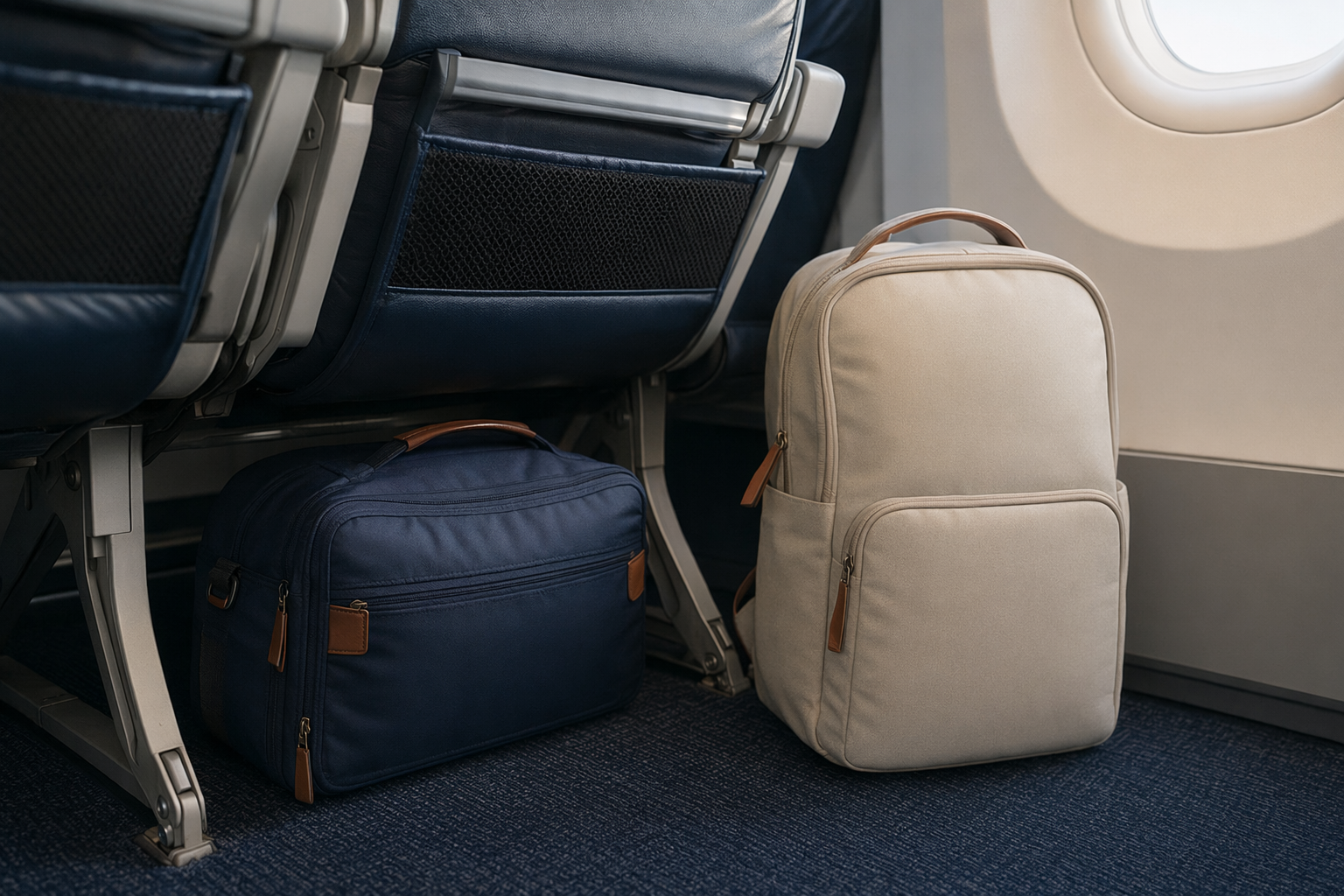
#People mix these two terms like chai and coffee, but they are not exactly the same. An underseat bag is usually a small soft-sided or hard-sided bag designed to slide under the seat in front of you. Many are mini trolley bags with two wheels or spinner wheels, a telescopic handle, and neat compartments. Think tiny cabin suitcase, but shorter. A personal item backpack is basically a backpack that fits the airline’s personal item allowance, or at least close to it. It usually goes under the seat too, unless the cabin crew asks you to put it overhead.
Now the tricky part: airline rules are not one universal Indian Railways timetable. They change by airline, route, fare class, aircraft type, and sometimes the mood of the ground staff, not kidding. On many Indian domestic airlines, the main cabin bag limit is commonly around 7 kg, and a small personal item like a laptop bag or ladies handbag may be allowed, but exact size and weight rules differ. International budget airlines can be stricter, especially in Southeast Asia and Europe. If you’re flying with only a personal item fare, don’t assume your chunky backpack will pass just because it passed on another airline last month. Check the airline page before leaving home. Boring advice, but saves actual money.
| Feature | Underseat trolley bag | Personal item backpack |
|---|---|---|
| Best for | City breaks, business trips, airport-hotel travel | Backpacking, public transport, mixed trips, budget travel |
| Comfort | Easy on shoulders, rolls nicely on airport floors | Hands-free, better on stairs and rough roads |
| Risk area | Wheels and handle eat packing space | Can get heavy and sweaty on your back |
| Indian travel reality | Good in airports, malls, metro stations | Better in autos, buses, railway platforms, old lanes |
| Laptop safety | Often decent if padded section exists | Usually better if you buy a travel laptop backpack |
| Underseat fit | Shape is fixed, wheels may make it bulky | Soft body can squeeze a bit, unless overpacked |
My first proper underseat bag trip: neat, cute, and slightly useless outside the airport
#I bought my first underseat trolley before a work-plus-family trip to Bengaluru and Mysuru. It looked so smart in the shop. Navy blue, cute front pocket, wheels smooth like butter on the mall floor. I packed two shirts, one jeans, laptop charger, toiletries, a small towel, and snacks because Indian parents believe flights are famine zones. At the airport, it was honestly a dream. No shoulder pain. I kept my coffee on top of it, rolled it through security, felt like one of those organised people who have their life together.
Then Mysuru happened. The guesthouse had no lift. The lane outside was broken because some cable work was going on. Auto dropped me 200 metres away because “sir, aage gaadi nahi jayega”. That tiny trolley suddenly became a noisy plastic animal. Tak-tak-tak on stones, handle wobbling, me dragging it with one hand and holding Google Maps in another. Not a disaster, but not graceful either. This is where underseat bags lose points in India. Our airports are smooth. Our actual journeys are not always smooth. There are stairs, footpaths that disappear, railway bridges, beach sand in Gokarna, muddy homestay paths in Coorg, and those old city lanes in Varanasi where even a cow will judge your luggage choice.
Where the personal item backpack quietly became my default
#The backpack won me over on a Kochi trip. I had a morning flight, took the metro from Aluva side, then an auto, then walked around Fort Kochi because check-in wasn’t ready. With a backpack, I could just move. No pulling, no balancing, no worrying about wheels getting stuck. I ate appam and stew at a small place, walked to see the Chinese fishing nets, and later sat in a cafe with the bag under my chair. Simple. That freedom is underrated.
But I’ll be honest, backpack life is not all Instagram freedom. If you pack like a panic-stricken aunty going for 12 days when it’s only 2 nights, your shoulders will hate you. In humid places like Chennai, Goa, Kochi, Kolkata, or anywhere in May basically, your back becomes a dosa tawa. Also, not all backpacks open nicely. The normal college-style ones are annoying because you have to dig from the top and everything becomes one big khichdi. If you’re buying one, try a clamshell opening backpack, the type that opens like a suitcase. Trust me, big difference.
Packing space: both are smaller than your confidence at home
#At home, while packing, every small bag looks capable. You think, “haan yaar, three days only, what do I need?” Then you add one extra outfit for safety, one nightwear, one backup footwear, power bank, medicines, sunscreen, book you won’t read, snacks, and suddenly the zipper is begging for mercy. Underseat trolley bags often look roomy, but wheels, rods, handle channels, and the hard base take space. A backpack looks less structured, but because it is soft, it can swallow odd-shaped things better. The danger is overstuffing it until it becomes a mountain and no longer fits under the seat.
For me, the sweet spot is packing for 2 to 4 days. One pair of jeans or trousers, two or three tops or shirts, innerwear, one light layer, basic toiletries, laptop if needed, and one compact footwear if the trip really needs it. If you’re doing weddings, winter travel, or carrying gifts, forget personal-item-only unless you are a minimalist saint. I am not. Also, packing cubes help more than people admit. I used to think they are just influencer drama, but they keep clothes compressed and easy to pull out in small bags. If you’re stuck between cubes and compression bags, this comparison on Packing Cubes vs Compression Bags: Which Saves Space? is actually useful before you buy random stuff on sale.
The Indian airport reality: weight matters more than shape sometimes
#In Indian airports, I’ve noticed staff usually notice two things first: does the bag look oversized, and does it look heavy. A backpack can escape attention if it sits neatly on your shoulders and doesn’t look like you are transporting bricks. A small trolley, even underseat size, sometimes gets treated like cabin baggage because, well, it looks like luggage. That doesn’t mean it’s not allowed. It just attracts more checking, in my experience. Especially at busy counters when everyone is trying to push one extra bag and pretending laptop bag is “just laptop only” while it contains half of Sarojini Nagar.
Safety-wise, both are okay if you are alert. At crowded airports, railway stations, and bus stands, keep zippers facing your body or use small zipper locks. Don’t keep passport, wallet, or phone in the outermost pocket. I learnt this after losing a power bank in a bus from Pune to Goa. Not the end of the world, but annoying. For women travellers, I’ve heard many friends prefer backpacks with anti-theft back pockets or underseat bags because they don’t have to carry shoulder load late at night. Fair point. If your flight lands at 1 am and you’re taking a cab alone, choose whatever makes you move confidently and quickly.
Toiletries, makeup, and the great leaking shampoo tragedy
#Small bags punish bad toiletry habits. Earlier I carried full-size facewash, shampoo, moisturiser, perfume, hair serum, and then wondered why my bag was full. Now I use tiny refill bottles, solid soap, toothpaste tabs sometimes, and detergent sheets for longer trips. Liquid wash is risky because one leak and your white kurta becomes a science experiment. If you do short trips with only a backpack, reducing liquids is the easiest space win. This piece on Travel Laundry Detergent Sheets vs Liquid Wash explains that whole leak-and-weight problem nicely.
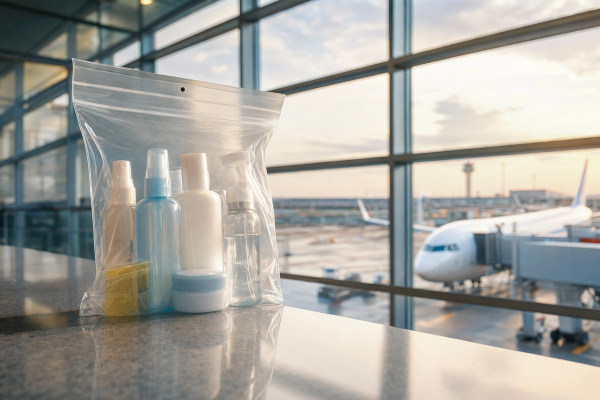
For flights, remember liquid rules depend on whether you are travelling domestic or international and what airport security allows. International cabin baggage screening commonly follows the 100 ml container style rule for liquids, aerosols, and gels, packed in a clear bag, but domestic India can feel more flexible on some routes and strict on others. Don’t argue at security. You’ll lose time only. Makeup and skincare can be confusing because mascara, foundation, sunscreen, lip gloss, creams, all count as liquid-ish in many airport contexts. If you carry beauty stuff, check Airport Beauty Liquids India: Makeup & Skincare Guide before packing your whole dressing table.
When an underseat bag is honestly the better pick
#I know I’m sounding like backpack bhakt, but underseat bags have their place. If you’re travelling for work, carrying formal clothes, and going straight from airport to hotel, an underseat trolley feels cleaner and more organised. Shirts wrinkle less if packed properly. Laptop, documents, chargers, and shoes can sit in separate compartments. If you have back pain, shoulder pain, or just don’t want to carry 6 to 7 kg on your body, wheels are not a luxury, they are common sense.
- Pick an underseat bag if your trip is mostly airports, cabs, hotels, conferences, family visits, or smooth city travel.
- It’s also good if you like opening your bag neatly in hotel rooms instead of pulling out everything like a magician doing a failed trick.
- For senior travellers, parents, and anyone with medical discomfort, a small trolley can be much kinder than a backpack.
Just buy soft-sided if possible. Hard-shell underseat bags look nice but can be unforgiving. If the underseat space is slightly awkward, soft bags adjust. Wheels should be sturdy, not those cheap plastic ones that sound like a broken mixer grinder. Also check the handle. If it wobbles in the shop, it will behave worse on Indian footpaths, pakka.
When a personal item backpack makes more sense
#If your travel includes metros, buses, shared jeeps, hostels, homestays, beaches, hill stations, old markets, or train changes, backpack wins. Simple. You can climb stairs, move through crowds, keep both hands free, and not worry about dragging wheels through pani puri water on the road. For places like McLeod Ganj, Rishikesh, Hampi, Pondicherry lanes, Fort Kochi, Udaipur old city, Pushkar, Shillong side trips, even Varanasi ghats, I would pick a backpack without thinking too much.
The ideal personal item backpack, according to my very unscientific but hard-earned testing, should be around 20 to 30 litres for short trips. It should have padded straps, laptop sleeve if you carry one, side water bottle pocket, quick-access pocket for boarding pass and earphones, and a luggage strap if you sometimes pair it with a suitcase. Don’t buy those massive trekking backpacks for flight personal item use unless you enjoy arguing with airline staff. Also, black bags look sleek but every second person has black. Add a ribbon, sticker, or bright luggage tag. Small thing, saves confusion.
Food, culture, and why bag choice changes how you travel
#This may sound dramatic, but your bag affects your day. In Lucknow, I could walk from one kebab place to another with a backpack and not feel trapped. In Ahmedabad, during a food walk near Manek Chowk, a trolley would’ve been irritating. In Goa, if you reach before check-in, backpack lets you dump yourself at a shack and eat fish thali peacefully. With an underseat trolley, you start looking for cloakrooms, hotel storage, smooth roads, and safe corners. Not always bad, but it changes your mood.
Same with local experiences. In Jaipur old city, small shops don’t have space for rolling bags. In Kolkata, if you are hopping between Park Street, College Street, and old sweet shops, backpack is easier. In Kerala, homestays may have narrow stairs. In Himachal, those “only 5 minute walk” homestays can mean 200 steps and one dog escorting you uphill. An underseat trolley is great till the road ends. After that, it becomes your emotional baggage also.
Accommodation and budget angle: hostels, homestays, hotels
#For budget travel in India, bag type matters more than we admit. Hostel dorm beds in popular places like Goa, Jaipur, Rishikesh, Manali, Kochi, and Udaipur can be anywhere around ₹500 to ₹1,500 per night depending on season, location, and how fancy the hostel is. Budget private rooms often start around ₹1,200 to ₹3,000 in many cities, though prices jump during long weekends, festivals, weddings, and peak beach or hill season. Boutique homestays and nice guesthouses can go ₹3,000 to ₹7,000 plus, easily.
Why does this matter? Because hostels and older guesthouses don’t always have lifts, big lockers, or wide storage. A backpack can go inside a locker more easily if it’s not overstuffed. Underseat trolley bags may not fit in some hostel lockers, so you end up locking zippers and hoping for the best. In proper hotels, underseat bags are lovely because you can just roll in and keep them open on the floor. If you’re doing one base city and not moving daily, either works. If you’re changing stays every night, backpack feels less fussy.
Seasonal tips: summer sweat, monsoon mud, winter bulk
#Best months for travelling light in most of India are usually the shoulder-ish periods when weather is not extreme: after monsoon in many regions, or before peak summer. But India is too big for one rule. Rajasthan is better in cooler months, Kerala is lush in monsoon but wet, Goa has peak crowds in winter, Himachal has different scenes depending on snow, rain, and landslides. Always check local weather and road conditions, especially for hill states during heavy rain. Landslides and road closures are not rare in mountain areas, and carrying a wheelie bag there can become pure comedy, dark comedy.
In summer, backpack means sweat, so pack breathable clothes and don’t carry unnecessary denim. In monsoon, underseat trolley wheels get dirty and water can splash onto the fabric. Use rain covers for backpacks and maybe a plastic pouch inside for electronics. In winter, clothes become bulky, and this is where both small bags struggle. Wear your heaviest jacket on the flight. Yes, you may look like you’re dressed for Gulmarg while boarding in Mumbai, but it works. Also keep one extra pair of socks accessible. Wet socks can ruin a trip faster than bad hotel Wi-Fi.
My buying checklist after wasting money twice
#Please don’t buy only because the bag looks cute in photos. I did that. Twice. One backpack had beautiful colour but straps were thin, and after two hours my shoulders felt like they filed a complaint. One underseat trolley had fancy spinner wheels but no real front pocket, so every security check became zip-open drama. Now I check boring things first: weight of empty bag, zip quality, warranty, handle strength, whether it stands upright, whether laptop sleeve is padded, and how it opens.
- For underseat bags, check external dimensions including wheels and handle, not just the boxy part.
- For backpacks, try it with weight inside. Empty backpack comfort means nothing.
- Avoid too many tiny pockets. You’ll forget where you kept the charger, then blame the bag.
- Choose water-resistant fabric, not necessarily fully waterproof, but something that survives drizzle and chai spills.
- If you carry a laptop, padding is non-negotiable. Indian airport security trays are not exactly gentle emotional spaces.
So, best pick? My honest verdict
#If I had to recommend one for most Indian travellers, I’d say buy a good personal item backpack first. Not the cheapest one, not the largest one, but a smart 20 to 30 litre travel backpack with clamshell opening and proper straps. It fits our style of travel better: autos, metros, stairs, uneven lanes, guesthouses, food walks, quick escapes from airports, and that last-minute sprint because the boarding gate changed from 22 to somewhere in another district.
But if your trips are mostly work trips, family functions, or relaxed hotel stays, an underseat bag is not a bad choice at all. It can be more polished, easier to organise, and much better for people who don’t want shoulder load. Actually, the best setup for many people is both, used differently. Backpack for messy, active, public-transport trips. Underseat trolley for neat, city, cab-based trips. There is no moral victory here. Only less back pain and fewer baggage fees.
My rule is simple: if I’ll be walking more than 20 minutes with my bag, backpack. If I’ll mostly roll from airport to cab to hotel, underseat trolley. This one rule has saved me from so much unnecessary luggage regret.
Final thoughts, from one overpacker trying to improve
#Travel light sounds glamorous until you realise you packed no extra underwear but carried three books. We all learn slowly. Between underseat bag vs personal item backpack, the best pick depends on your body, route, airline, season, and how much jugaad you’re willing to do. For Indian travel, I lean backpack because our journeys are rarely just airport to airport. There is always one auto, one staircase, one broken pavement, one cousin asking you to bring sweets, one sudden plan to eat somewhere before check-in. Backpack handles chaos better.
Still, don’t follow anyone blindly, including me. Borrow a friend’s bag for one short trip if you can. Pack what you normally pack, walk around your building for 10 minutes, climb stairs, try removing your laptop quickly, see how it feels. That test tells you more than 50 online reviews. And please check your airline’s baggage rules before every flight, because paying extra at the airport hurts in a very personal way. Anyway, hope this helped you choose without getting lost in shopping tabs. I keep sharing these trial-and-error travel notes, and you’ll find more such practical travel stuff on AllBlogs.in too.