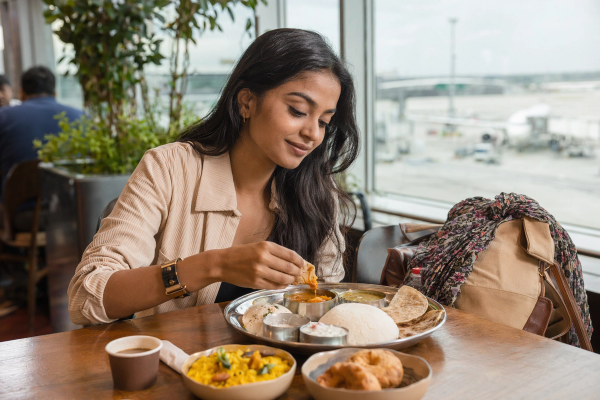
I’ll be honest, before my Vietnam trip I had this slightly dumb fear that I was gonna survive on plain rice, bananas, and maybe hotel breakfast bread. I’m Indian, mostly vegetarian, and when people talk about Vietnamese food the first things you hear are pho with beef, fish sauce in everything, pork rolls, seafood, all that. So yeah, I was excited but kinda nervous too. Turns out I worried for nothing. Vietnam can be surprisingly good for vegetarians, especially if you learn one magic word early: chay. It basically means vegetarian, often linked with Buddhist-style cooking, and that tiny word saved me from so many awkward menu situations. Also, lowkey, some of the best meals I had in Vietnam were meat-free and didn’t feel like compromise food at all.
I did the classic-ish route, Ho Chi Minh City, Da Nang, Hoi An, Hanoi, with a quick Ninh Binh detour, and almost every place had some version of vegetarian eating that felt local rather than touristy. The 2026 food-travel scene there also feels more aware now. More cafes label plant-based dishes, QR menus make translation easier, Grab delivery is honestly a lifesaver on lazy days, and younger Vietnamese restaurants in bigger cities are doing modern vegan bowls, oat-milk coffee, mushroom pho, jackfruit bánh mì, all the trendy stuff. Not every tiny street stall understands Indian vegetarian restrictions though, that part is real. You still need to ask carefully about fish sauce, oyster sauce, broth, and shrimp paste. But if you do that... wow, you can eat really, really well without blowing your budget.
First thing first: how to explain vegetarian in Vietnam without getting confused looks
#So, lesson learned almost imediately, saying “vegetarian” in English works sometimes in touristy areas, but not always in the way we mean it in India. A place may think chicken broth is fine. Or fish sauce is “not meat”. You know how that goes. What helped me most was showing a simple note on my phone: “Tôi ăn chay. Không thịt, không cá, không nước mắm, không tôm.” Basically: I eat vegetarian. No meat, no fish, no fish sauce, no shrimp. If you’re Jain or stricter, add egg, onion, garlic too. I met a couple from Ahmedabad in Hanoi who had made a laminated card for this and honestly, genius move. I just copied them by day three.
- Useful word: món chay = vegetarian dish
- Quán chay = vegetarian restaurant
- No fish sauce = không nước mắm
- No egg = không trứng
- If in doubt, ask again. Then ask one more time, seriously
One small thing, and I’m saying this with love, don’t assume “vegetable pho” is automatically fully vegetarian. Sometimes the broth is still meat-based. Same with fried rice and noodles. In Vietnam I became that person asking 4 questions before ordering. Mildly annoying maybe, but better than finding mystery broth later and feeling bad about it.
What vegetarians from India should actually eat in Vietnam
#This is the fun bit. There’s way more than just tofu stir-fry. Vietnamese vegetarian food can be fresh, herb-heavy, crunchy, brothy, spicy if you add chili, and weirdly comforting in a monsoon-evening kind of way. A lot of chay food comes from Buddhist traditions, so it’s not some imported health-food thing. It’s rooted there. Which I loved. Also, if you’re Indian, you may miss masala after a few days, but you’ll probably fall for the freshness. Different vibe. Less heavy. More herbs. More texture. At first I was like hmm where’s the punch... then by day five I was craving mint, basil and lime like an addict.
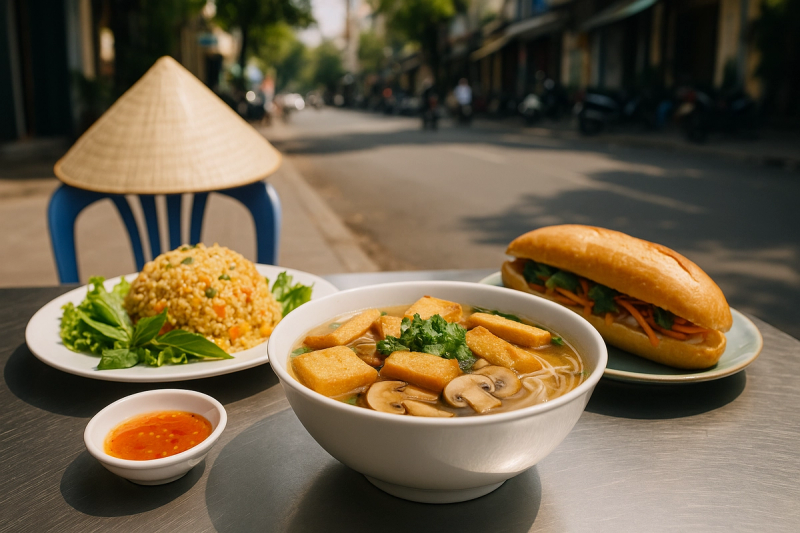
- Phở chay — vegetarian pho, usually with mushrooms, tofu, greens, herbs, rice noodles. Ask if broth is veg.
- Bánh mì chay — baguette sandwich with tofu, mock meat, mushrooms, cucumber, pickles, coriander, chili. Cheap and filling.
- Bún chay — rice vermicelli bowls with tofu, peanuts, herbs, pickled veg, sometimes spring rolls.
- Gỏi cuốn chay — fresh summer rolls stuffed with tofu, herbs, lettuce, noodles. Very light, very snackable.
- Cơm chay — veg rice plates with multiple small sides. Great budget option.
- Bánh xèo chay — crispy savory pancake, sometimes with mushrooms, bean sprouts, tofu. Not every place does a veg one, but when they do, get it.
- Hotpot lẩu chay — perfect for groups, loaded with mushrooms, tofu skin, greens, noodles. One of my favorite rainy-night meals in Hanoi.
- Chè — sweet dessert soups and puddings with beans, coconut milk, jelly, fruit. I got slightly obsessed.
I also ate a surprising amount of sticky rice, tropical fruit, yogurt, sweet breads, salt coffee variations without weird additives, and too many pastries from little bakeries. Vietnam’s cafe culture in 2026 is boominggg, especially in Hanoi and Saigon, with more specialty coffee shops offering vegan milk options than I expected. Coconut coffee, by the way, can absolutely hijack your day plans because you’ll keep stopping for another one.
My favorite city for vegetarian eating? Honestly... Hanoi, but Hoi An was easier
#This is where I contradict myself a bit. Hanoi gave me some of my most memorable vegetarian meals. Deep flavors, amazing small chay places, cozy old-quarter cafes, and one superb mushroom hotpot I’m still thinking about. But Hoi An was easier, cleaner in a travel sense, and maybe more beginner-friendly for Indian vegetarians. Loads of restaurants understand dietary requests because there are so many international travelers. Da Nang too felt easy, especially with modern cafes and beachfront restaurants doing vegan-friendly bowls.
In Ho Chi Minh City, the options were endless but more scattered. Big city energy, lots of plant-based places, trendy vegan cafes, but also lots of walking and decision fatigue. Hanoi felt a little more soulful to me. Maybe it was the weather. Maybe I was just hungry all the time. Hard to say.
A few places and food areas that worked well for me
#I’m not gonna pretend I discovered secret hidden gems nobody knows, some were recs, some I just wandered into. In Ho Chi Minh City, District 1 and District 3 had plenty of vegetarian-friendly restaurants and cafes, and I found good chay spots around local neighborhoods too if I used maps and read recent reviews. In Hanoi, the Old Quarter and areas near West Lake had solid vegetarian and vegan choices, from no-frills local places to polished cafes. Hoi An’s central area had loads of options, and Da Nang’s An Thuong area felt very easy for casual veg dining. What matters more than one exact restaurant, honestly, is checking recent reviews because places change menus fast. 2026 travel trend in Vietnam is very digital-menu heavy, so up-to-date map reviews are your best friend.
The best trick wasn’t finding the fanciest restaurant. It was finding the places where locals, monks, students, backpackers, and one confused Indian guy like me all seemed happy eating the same tofu dish.
Street food as a vegetarian: yes, but use common sense yaar
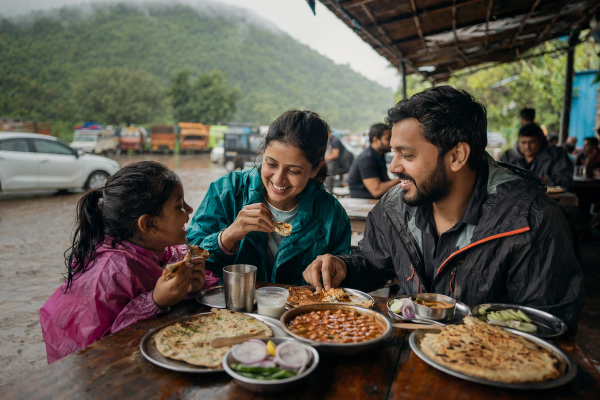
#A lot of Indian travelers ask me this now, like can vegetarians enjoy Vietnam street food or should we stick to proper restaurants? My answer is yes, but carefully. Street food is half the joy of Vietnam, maybe more. Tiny plastic stools, scooters zooming by, broth steam in the air, old aunties assembling food in 20 seconds flat, it’s amazing. But for vegetarians, random street stalls can be tricky because sauces and broths are often pre-made. I had better luck at stalls clearly selling chay food, at Buddhist vegetarian eateries, or at markets where I could literally see ingredients going in.
One afternoon in Da Nang I found this tiny place doing bánh mì chay with lemongrass tofu and chili jam. Cost me maybe 25,000 to 35,000 VND, so about one dollar-ish depending on rates, and I ate it standing near parked scooters feeling absurdly pleased with life. Then in Hanoi I messed up and ordered noodles that looked vegetarian but had a fishy smell the second they arrived. The owner was nice, replaced it, no drama. Still, that reminded me, ask first, smile, and don’t assume.
Budget tips that actually helped me not overspend on food
#Here’s the good news. Vietnam is still, overall, pretty kind to an Indian budget traveler compared to many international destinations, though prices in 2026 are definitely not as dirt-cheap as old blog posts from years ago claim. Coffee costs more in stylish cafes, central Hoi An can get expensive, and nicer vegan restaurants in Hanoi or Saigon can charge almost metro-city prices. But if you eat a mix of local veg places, market snacks, bakeries, and one nicer meal now and then, food costs stay very manageable.
| Type of meal | Typical budget in VND | Rough idea for Indian travelers |
|---|---|---|
| Local veg rice/pho/bun meal | 35,000 - 70,000 | Budget-friendly daily staple |
| Bánh mì chay / simple snack | 20,000 - 40,000 | Very cheap, great for breakfast or lunch |
| Cafe coffee or coconut coffee | 35,000 - 75,000 | Can add up if you go often, and you will |
| Mid-range veg/vegan restaurant meal | 90,000 - 180,000 | Comfortable sit-down meal |
| Hotpot or nicer dinner | 150,000 - 300,000+ per person | Good for sharing, occasional splurge |
| Fruit, dessert, bakery items | 15,000 - 60,000 | Easy to keep costs low |
On a pretty realistic day, I could eat decently for around 200,000 to 350,000 VND if I stayed casual. That’s breakfast, coffee, lunch, snack, dinner. If I got fancy with specialty cafes and aesthetic vegan places, obviously more. My biggest budget leak wasn’t meals, it was coffee and random desserts. No regrets, but still.
- Eat your main lunch at local chay places, they’re usually cheaper than dinner spots
- Use Grab or map apps to compare restaurant ratings and avoid overpriced tourist traps
- Carry cash for small places, though digital payments are more common now in cities
- If hotel breakfast is included, use it... then save money for better local lunch
- Share hotpot or multiple small plates if traveling with friends
- Central tourist areas charge more, walk 2-3 lanes away and prices often drop
For Indian tastes: what you’ll love, what you might miss, and one thing that surprised me
#If you like fresh coriander, mint, basil, lime, peanuts, chili, rice noodles, crispy things, pickles, tofu, mushrooms, and layered textures, Vietnam will treat you well. If you need every meal to be hot, spicy, masala-heavy, and deeply cooked, the first couple days may feel too light. I had one proper mini-crisis in Hoi An where I desperately wanted achar, dal, and a full thali. Then I ate a really good bowl of phở chay with mushrooms and fried tofu and calmed down lol.
The thing that suprised me most was how satisfying tofu was there. Back home, tofu can be boring if done lazily. In Vietnam, it’s often fried just enough, braised, stuffed, caramelized, tossed with lemongrass, or served with dipping sauces and herbs in ways that make it feel complete, not like an afterthought. Also mushrooms, wow. Oyster mushrooms, wood ear, enoki, whatever they were doing, they knew their business.
2026 food travel trends I noticed in Vietnam, not in a boring report way
#Okay so not to sound like I’m writing a market analysis, but some current stuff was really visible. Plant-based dining is more mainstream in the big cities now, not just niche vegan wellness places. Younger travelers are clearly searching for low-waste cafes, farm-to-table menus, and cooking classes that include vegetarian versions. I saw more menu transparency too, allergens and icons and ingredient notes, especially in Hanoi, Da Nang, and Ho Chi Minh City. QR ordering is everywhere. Specialty coffee culture is still huge. Wellness-ish travel is bleeding into food travel, so there are more smoothie bowls, sourdough brunches, kombucha places, but thankfully traditional chay food hasn’t gone anywhere.
Cooking classes also seem smarter in 2026. A lot now specifically mention vegetarian or vegan adaptation, which is great for Indians. If you have time, do one. I did a half-day class outside Hoi An where they adjusted dishes for me, and making fresh spring rolls, herb salads, and a vegetarian broth gave me a much better understanding of Vietnamese balance. Sweet, salty, sour, spicy, herbaceous. Not one-note. Never one-note.
A few mistakes I made, so maybe you don’t
#One, I trusted translation apps too much. Two, I assumed plain-looking noodles were safe. Three, I got overconfident and walked into a super local place where nobody spoke English and me pointing at tofu did not mean the soup itself was veg. Four, I skipped carrying small snacks on a long bus ride to Ninh Binh and then got stuck hungry with only mystery chips from a roadside stop. Rookie behaviour. Carry nuts, fruit, biscuits, or theplas if you’re that kind of desi traveler. Honestly theplas would thrive in Vietnam.
- Download an offline translation app and save your vegetarian phrase in Vietnamese
- Search “quán chay” nearby rather than just “vegetarian restaurant”
- Look at recent food photos in reviews, they tell you more than the menu sometimes
- Avoid peak tourist streets for every meal unless convenience matters more than money
- If you’re strict vegetarian, choose places that are fully vegetarian rather than custom orders
So... is Vietnam easy for Indian vegetarians?
#I’d say medium-easy. Easier than the stereotype suggests, harder than places where vegetarianism is loudly labeled everywhere. If you’re visiting major cities and tourist towns, absolutely yes, you can eat well. If you’re going deep rural with strict dietary rules, prep more. Learn the phrases. Save some restaurants on your map. Keep snacks. Stay flexible. The rewards are worth it. Because when Vietnam gets vegetarian food right, it really gets it right, bright herbs, warm broth, crunchy baguettes, silky tofu, sharp pickles, sweet little desserts after a long humid day of walking.
I remember this one evening in Hanoi, drizzly weather, my feet dead tired, traffic doing that endless buzzing thing, and I sat in a small vegetarian place with a clay pot tofu dish, steamed rice, morning glory, and hot tea. Nothing fancy at all. Cost very little. But it felt like travel had clicked into place. Not the checklist version of travel, the real one. The kind where you stop trying to compare everything to home and just enjoy what’s in front of you.
Final thoughts, from one vegetarian Indian traveler to another
#Go to Vietnam hungry, but not worried. You’ll need a little patience, a few useful phrases, and some common sense around sauces and broths. But you don’t need to survive on fries or search desperately for Indian food every night. Try the local chay culture. Eat bánh mì chay from a street corner. Have mushroom pho on a rainy day. Splurge once on a hotpot. Drink too much coconut coffee. Get dessert twice. Wander markets. Ask questions kindly. Mess up once, learn fast, move on.
And if you’re planning a trip soon, my rough formula would be this: Hanoi for depth, Hoi An for ease, Da Nang for chill modern cafes, Saigon for sheer variety. Vietnam gave me some of the most memorable vegetarian travel meals I’ve had in Asia, which I genuinely did not expect. Funny how that happens. Anyway, if you like this sort of food-and-travel rambling, have a look at AllBlogs.in too, there’s always something fun to read there.