Eight Hours Is Not Always the Same as Restful Sleep
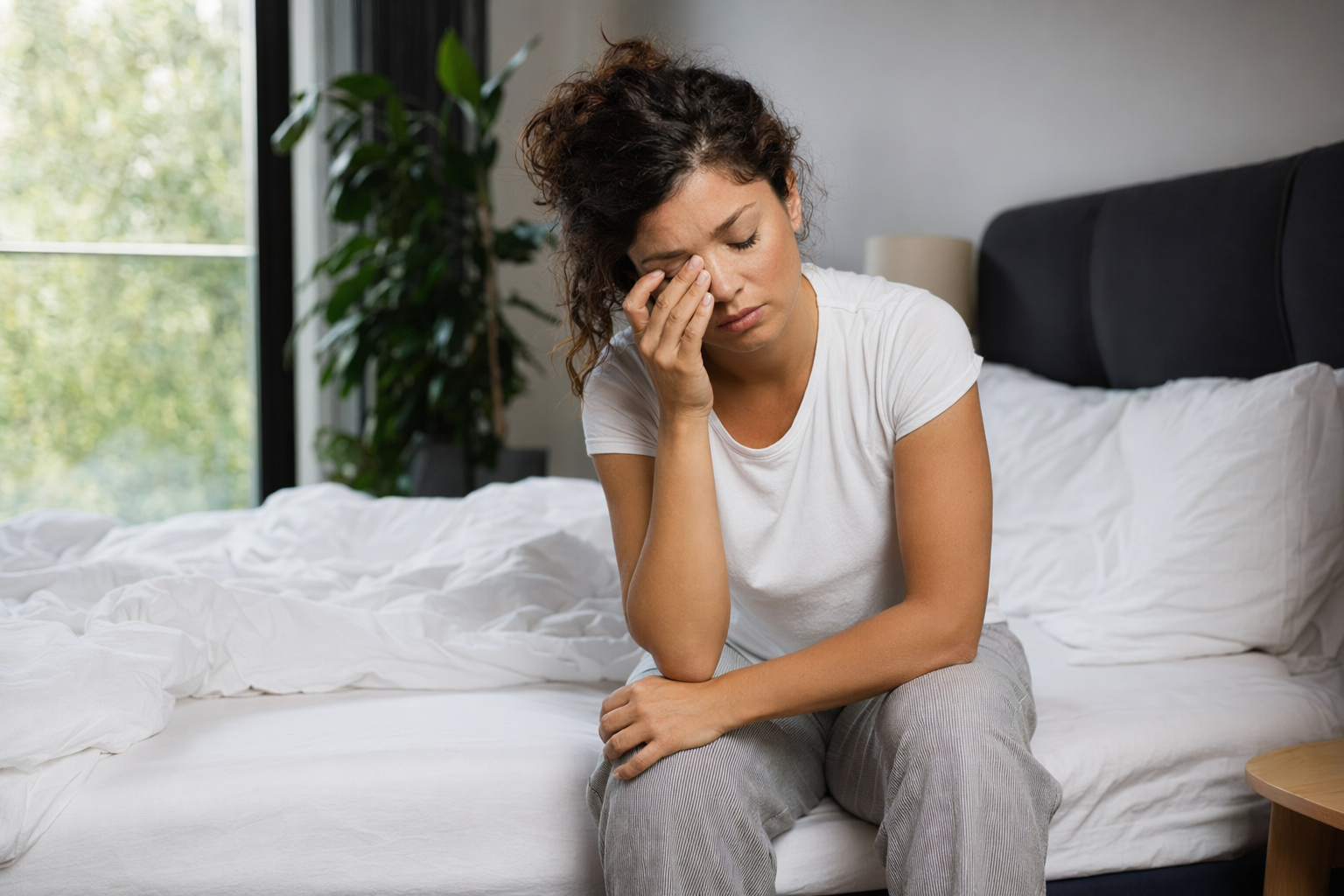
#Waking up tired after a full 8 hours can feel almost unfair. You did the thing everyone tells you to do. You went to bed, stayed there long enough, and still woke up foggy, heavy, cranky, or weirdly unrefreshed. That does not automatically mean something is seriously wrong, but it is also not something you have to just shrug off forever. Sleep is not only about time in bed. It is also about sleep quality, timing, breathing, stress load, light exposure, movement, medications, health conditions, and sometimes plain old life being messy.
Most adults are commonly advised to get at least 7 hours of sleep per night, according to public health guidance from groups such as the CDC and the American Academy of Sleep Medicine. But that number is a general target, not a guarantee. Some people need closer to 9 hours. Others get 8 hours but wake often, sleep at the “wrong” biological time, or spend the night in lighter sleep than they realize. So if you are thinking, “Why am I still tired when I slept enough?” the honest answer is: there are a few possible reasons, and the useful fix depends on the pattern.
First, Make Sure You’re Measuring the Right Thing
#A lot of people say they slept 8 hours when they actually mean they were in bed for 8 hours. Not the same thing. If you got into bed at 11, scrolled until 11:45, woke at 3:10, checked the time, tossed around, then got up at 7, your total sleep may be quite a bit less than you think. This is extremely common. It is also why sleep diaries can be surprisingly helpful, even though they sound kind of boring at first.
For one week, write down bedtime, estimated time to fall asleep, wake-ups, final wake time, caffeine, alcohol, exercise, naps, stressful events, and how you felt in the morning. No need to obsess over it. Just collect clues. Wearables can help some people notice patterns too, especially around sleep timing and consistency, but they are not medical diagnostic tools. If you are comparing devices for basic tracking, this guide on Smartwatch vs Fitness Band: Which Should You Buy? may be useful, especially if you want something simple and not wildly overcomplicated.
Sleep Quality Can Be Poor Even When Sleep Quantity Looks Fine
#Sleep moves through stages, including lighter sleep, deeper sleep, and REM sleep. You do not need to micromanage these stages every night, and honestly most consumer gadgets estimate them imperfectly. Still, the general idea matters: if sleep is fragmented, your brain and body may not get the same restorative benefit. You might be asleep for 8 hours on paper, but if you are waking repeatedly, breathing poorly, too warm, stressed, uncomfortable, or affected by substances like alcohol, that sleep can feel thin. Like it happened, but did not really land.
Common sleep disruptors include noise, light, pets moving around, a partner’s snoring, room temperature, pain, late meals, reflux, nighttime urination, and mental stress. Some of these are small and fixable. Some need medical care. The tricky part is that people do not always remember waking up. Short awakenings can happen without becoming clear memories, yet they still may leave you feeling unrested the next morning.
Your Body Clock Might Be Fighting Your Alarm
#The circadian rhythm is the body’s internal timing system. It responds strongly to light, darkness, meal timing, activity, and routine. When your schedule keeps changing, your body may not know when to feel alert and when to power down. This can happen with shift work, late-night screen use, weekend sleep-ins, early alarms, travel, parenting demands, or even just a habit of staying up later than your body likes.
One classic example is social jet lag. That is when your weekday and weekend sleep schedules are very different. You might sleep from 11 to 7 on workdays, then 2 to 10 on weekends. The total hours may look fine, but your internal clock gets tugged back and forth. By Monday morning, waking at 7 can feel like waking in the middle of the night. Not because you are lazy. Because your biology is a bit confused.
Morning Light Is a Small Habit With a Big Signal
#Getting bright light in the morning may help anchor your body clock. Outdoor light is usually stronger than indoor light, even on cloudy days. A short walk, coffee near a sunny window, or sitting outside for 10 to 20 minutes can support a more stable rhythm for some people. At night, dimming lights and reducing bright screen exposure may also help, especially in the last hour before bed. Blue-light glasses are popular, but the bigger issue is often stimulation, brightness, and “just one more video” turning into 47 minutes.
Sleep Inertia: When You Wake Up at the Wrong Moment
#Sometimes the problem is not the whole night. It is the wake-up moment. Sleep inertia is that groggy, thick-headed feeling after waking, especially if you wake from deeper sleep or wake earlier than your body expected. It can last minutes, but for some people it hangs around longer. This is one reason a person can technically sleep 8 hours and still feel awful at 6:00 a.m., then feel almost normal by 9:30.
A consistent wake time can help reduce this for some people, because the body starts to anticipate waking. Gentle alarms, light-based alarms, and avoiding repeated snooze cycles may also be worth trying. The snooze button is tempting, obviously. But broken 9-minute chunks of half-sleep often leave people feeling worse, not better. If you need multiple alarms every single day, that is a clue to look deeper at sleep timing, sleep quality, or overall health.
Breathing Problems During Sleep Are a Big One to Take Seriously
#Obstructive sleep apnea is one of the more important medical causes of waking tired after enough hours in bed. It happens when breathing repeatedly becomes blocked or reduced during sleep. Loud snoring, choking or gasping, morning headaches, dry mouth, high blood pressure, nighttime urination, and daytime sleepiness can be warning signs, though not everyone has every symptom. Sleep apnea can affect people of different body sizes, ages, and genders, so it should not be dismissed based on stereotypes.
If a bed partner notices pauses in breathing, or if you wake gasping, feel dangerously sleepy while driving, or have persistent unrefreshing sleep, it is worth asking a healthcare professional about evaluation. Sleep studies, including home sleep apnea tests in appropriate cases, are commonly used to assess this. Treatment depends on the person and the cause. It may involve CPAP, oral appliances, positional strategies, weight-related care when relevant, or other medical options. The key point: do not try to self-diagnose it from an app or a snoring recording alone.
Stress Can Keep the Body “On” All Night
#Stress is not just a thought problem. It shows up in the body. Muscle tension, higher alertness, digestive changes, a racing mind, and lighter sleep can all come along with a stressed nervous system. Someone can sleep 8 hours and still wake feeling like they were working overnight. This is especially common during grief, burnout, caregiving, exams, job pressure, money stress, relationship strain, or major life changes. And yes, sometimes the body keeps score even when the person says, “I’m fine.”
A calmer evening routine may help, but it does not need to be perfect or aesthetic. You do not need a 14-step ritual with expensive tea and a candle that costs too much. Try boring, repeatable cues: lower lights, do tomorrow’s quick task list, take a warm shower, stretch lightly, read something not too exciting, or practice slow breathing. If anxiety, panic, depression, trauma symptoms, or mood changes are persistent or worsening, professional support is important. Sleep tips are not a substitute for mental health care.
Caffeine, Alcohol, and Food Timing Can Sneak Up on You
#Caffeine can stay active in the body for hours. Its half-life is often described as around 5 hours, though it varies from person to person. That means an afternoon coffee may still be affecting sleep at bedtime, even if you fall asleep easily. Some people are more sensitive due to genetics, medications, pregnancy, anxiety, or age. A practical experiment is to move caffeine earlier for a week, maybe before noon or early afternoon, and see whether mornings feel different.
Alcohol is another sneaky one. It may make you sleepy at first, but it can fragment sleep later in the night and reduce sleep quality. Late heavy meals can also bother some people, especially if they trigger reflux or discomfort. On the other hand, going to bed very hungry can disturb sleep too. There is no perfect rule for everyone. A reasonable approach is to notice your own pattern: alcohol close to bedtime, spicy dinners, big late meals, or too much liquid late at night may be worth adjusting if you often wake tired.
Medications, Supplements, and Health Conditions Can Affect Morning Energy
#Several medications can influence sleepiness, sleep architecture, or morning alertness. These may include some allergy medicines, antidepressants, anxiety medications, blood pressure medications, pain medicines, sleep aids, and others. Supplements can matter too, including products marketed as “natural.” Natural does not automatically mean gentle or appropriate. If morning tiredness started after a new medication, dose change, supplement, or timing change, ask a pharmacist or prescribing clinician before changing anything. Do not stop prescribed medication suddenly unless a qualified professional tells you to.
Health conditions can also play a role. Examples include anemia, thyroid disorders, diabetes or blood sugar issues, chronic pain, asthma or breathing problems, heart conditions, kidney disease, infections, inflammatory conditions, pregnancy, perimenopause and menopause symptoms, and mood disorders. This does not mean you should panic or assume the worst. It means persistent fatigue deserves context. If tiredness is new, severe, worsening, or interfering with daily life, a healthcare professional may consider history, exam, and sometimes basic lab work.
The Bedroom Setup Is Boring, But It Actually Matters
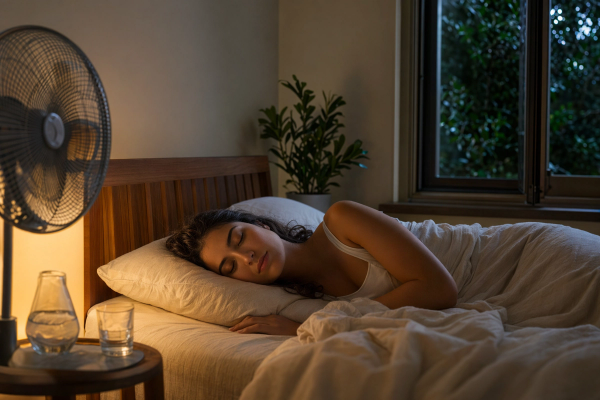
#Sleep hygiene gets mocked because it can sound too simple. And to be fair, a cool dark room will not fix every medical sleep disorder. But the basics still matter. A bedroom that is too hot, bright, noisy, or uncomfortable can chip away at sleep quality night after night. Many sleep experts suggest a cooler room for sleep, often around the mid-60s Fahrenheit range, though personal comfort varies. Breathable bedding, a supportive mattress and pillow, blackout curtains, earplugs, or white noise may help depending on the problem.
Phones are tricky here. The issue is not only blue light. It is also emotional content, work messages, news, games, and the tiny dopamine trap of scrolling. If your bed has become an office, cinema, shopping mall, and argument zone, your brain may stop associating it with sleep. A small boundary can be useful: charge the phone across the room, use an actual alarm clock, or set a “no stressful apps in bed” rule. Not glamorous. Often effective enough to be worth trying.
Movement Helps, But Timing and Intensity Matter
#Regular physical activity is linked with better sleep and overall health. It can support mood, metabolic health, and daytime energy. But if someone is under-recovered, suddenly adding intense late-night workouts may backfire. For many people, moderate activity earlier in the day is a good place to start: walking, cycling, swimming, strength training, yoga, or whatever is realistic. The best exercise for sleep is usually the one a person can repeat without dread.
If evenings are the only time available, that is not automatically bad. Some people sleep fine after evening workouts. Others feel wired. Again, patterns matter. Track it for a week or two. Notice whether hard workouts after 8 p.m. leave you more awake, whether gentle stretching helps, or whether rest days change morning energy. If fatigue is extreme after normal activity, or if exercise causes chest pain, fainting, unusual shortness of breath, or severe weakness, that needs medical attention.
Naps: Helpful Tool or Sleep Thief?
#Naps can be wonderful. They can also steal sleep pressure from the night, especially when they are long or late. A short nap, around 10 to 30 minutes, may help some people without causing much grogginess. Longer naps can lead to sleep inertia, and late-day naps may make it harder to fall asleep at bedtime. Shift workers, new parents, caregivers, and people with medical conditions may need different strategies, so this is not a moral issue. It is just a timing tool.
If you wake tired despite 8 hours, look at naps honestly. Are they happening because you are exhausted, or are they contributing to a delayed bedtime? Both can be true, annoying as that is. Try keeping naps earlier and shorter for a week, if it is safe and practical. If you cannot stay awake during normal daily activities, or you feel sleepy while driving, do not treat that as a lifestyle quirk. That is a safety issue and a reason to seek medical advice.
A Practical One-Week Reset to Try Before You Overhaul Everything
#If symptoms are mild and not alarming, a simple one-week experiment can be a good starting point. Keep it realistic. The goal is not to become a perfect sleep robot. It is to remove the obvious friction and gather useful clues. Pick a consistent wake time, get morning light, keep caffeine earlier, avoid alcohol close to bed, dim lights at night, make the room cooler and darker, and write down what happens. Same wake time is usually more powerful than people expect, even on weekends, though a little flexibility is human.
- Choose a wake time you can keep within about 30 to 60 minutes most days.
- Get outdoor light soon after waking, even briefly, if that is safe for you.
- Stop caffeine earlier than usual for one week and see if sleep feels deeper.
- Keep the last hour before bed calmer, dimmer, and less phone-heavy.
- Track sleep, wake-ups, energy, mood, naps, alcohol, and exercise without judging yourself.
When Waking Up Tired Needs Professional Help
#Please do not ignore severe, persistent, worsening, or unusual tiredness. Talk with a qualified healthcare professional if you regularly wake unrefreshed despite enough sleep, snore loudly, gasp or choke during sleep, have morning headaches, feel sleepy while driving, experience new mood changes, have unexplained weight changes, night sweats, persistent pain, heavy periods, shortness of breath, palpitations, or fatigue that makes normal life hard. Sudden weakness, chest pain, fainting, severe breathing trouble, confusion, or symptoms that feel like an emergency should be treated urgently.
It may help to bring a one or two-week sleep log to the appointment. Include medications, supplements, caffeine, alcohol, bedtime, wake time, naps, and symptoms. This gives the clinician something concrete to work with. Depending on your situation, they may ask about sleep apnea, restless legs symptoms, insomnia, mood, thyroid function, iron levels, blood sugar, or other factors. The right next step depends on your full health picture, not just the number of hours you slept.
The Bottom Line: Don’t Blame Yourself, Get Curious
#Waking up tired after 8 hours does not mean you failed at sleep. It means the “8 hours” headline is missing details. Maybe your sleep is fragmented. Maybe your body clock is off. Maybe caffeine, alcohol, stress, pain, breathing, medication, or a health condition is part of the story. Start with gentle pattern-spotting and low-risk routine changes, then get professional support if the tiredness is persistent, severe, unsafe, or just not normal for you.
Good sleep advice should help you ask better questions, not make you feel guilty for having a human body.
So, take the next week as an investigation, not a punishment. Make one or two changes, write down what you notice, and be honest about whether things improve. If they do, great. If they do not, that information is still useful. And for more practical wellness explainers that keep things sensible and reader-first, you can browse AllBlogs.in.