I have a very specific travel fear, and it’s not lost luggage or missing the last train. It’s being 90 minutes into a walking tour, somewhere gorgeous and old and full of cobblestones, and suddenly realizing my breakfast was basically a decorative pastry and a tiny coffee. Cute in the photo, useless in the body. I’ve done it in Rome, in Porto, in Old Delhi, in Istanbul, even in my own city once, which felt extra embarassing because I should’ve known better. Walking tour breakfasts are their own thing. Not hotel buffet chaos, not brunch, not that lazy vacation breakfast where you sit for two hours pretending you’re a person who journals. This is breakfast as fuel, but still delicious, because if I wanted sad protein bars only I’d stay at home and watch travel videos.
So, yeah, this is a love letter and also a warning. What you eat before a long walk changes the whole day. It decides whether you’re actually listening when the guide explains some 15th-century scandal, or whether you’re silently calculating how far it is to the nearest bakery. It affects your mood, your feet, your stomach, your photos, your patience with slow walkers. And honestly? It affects how you taste the city later. If you start the day too heavy, you spend the first food stop looking at the local specialty like it personally insulted you. If you start too light, you become feral by 11:20 am. There is a sweet spot, and I’ve chased it across a lot of breakfast tables.
The Breakfast Mistake I Keep Seeing on Travel Mornings
#The biggest mistake is eating for the Instagram version of the morning instead of the walking version. You know the scene. A croissant, one espresso, maybe a little jam, sunlight on the table, passport peeking out for no reason. Beautiful. But if you’re about to do a three-hour food walk through Lisbon’s hills or a heritage trail in Varanasi’s lanes, that breakfast might not be enough. I’m not saying don’t eat croissants. Please, never become that person. I’m saying add something with staying power. Some yogurt, eggs, cheese, lentils, oats, fruit, nuts, a proper sandwich, even leftover rice if that’s what the country does well in the morning.
I learned this in Florence, where I thought I was being very Italian and chic with a cappuccino and cornetto before a Renaissance walking tour. By the time we reached the third church, I was looking at marble angels and thinking they looked like bread. The guide was wonderful, very passionate, and all I remember from that section is my stomach making a noise loud enough to join the tour. Later I grabbed a panino with pecorino and truffle cream near Santo Spirito and became a functional human again, but the damage was done. Breakfast had betrayed me. Actually no, I had betrayed breakfast.
My Basic Rule: Eat Like You’re About to Walk, Not Nap
#Before a long walking tour, I want three things on the plate: slow energy, a bit of protein, and something that feels local enough to make me happy. Carbs are not the enemy. Carbs are the reason you can climb castle stairs without questioning your life choices. But carbs alone, especially sweet ones, can spike and crash. Protein alone can feel weirdly joyless in a new city, like you’re doing airport fitness content. Fat is useful, but too much butter or fried stuff can sit in the stomach like a suitcase full of bricks.
My sweet spot is usually: one solid carb, one protein-ish thing, water, coffee if my body is asking nicely, and a tiny treat because travel mornings deserve romance. In Spain that might be tostada with tomato and olive oil plus a boiled egg or some cheese. In Vietnam, if I’m starting early, I’ll happily do pho or banh mi because broth and bread both make sense when the day is long. For Indian travelers figuring out tour mornings there, I liked the practical angle in Vietnam Breakfast for Indian Travelers Before Tours and Buses, especially the bit about choosing breakfast that won’t fight with bus timings and heat.
- If the walk is flat and short, pastry plus coffee can work, but carry a snack because cities lie about distances.
- If the route has hills, stairs, markets, or heat, add protein and salt. Seriously, salt saves moods.
- If you have a sensitive stomach, avoid trying the wildest local fermented thing at 7 am before getting trapped in a group tour. Try it later, when toilets are not a mystery.
- If breakfast is included at the hotel, don’t treat the buffet like a royal wedding. Pick what you’d actually want inside you while walking.
Rome: The Cappuccino Trap and the Joy of a Second Breakfast
#Rome is where breakfast discipline goes to die, in the prettiest way possible. The classic Italian bar breakfast is simple: coffee and a sweet pastry, often standing at the counter. I love it. I really do. There’s something perfect about the speed of it, the clink of cups, the tiny chaos of locals ordering like they’re conducting music. But if I’m doing a long walk from the Colosseum to the Jewish Ghetto, across bridges, through piazzas, and maybe accidentally up another hill because Google Maps has a cruel personality, I need more.
My Rome walking breakfast now is a cornetto, yes, but also a small sandwich or something with ricotta, yogurt, or fruit from a corner shop. I’ll drink cappuccino early, then switch to water. And I plan for second breakfast, because Rome practically invites it. Around mid-morning, a slice of pizza bianca or a supplì shared with a friend is not failure, it’s strategy. Me and my friend Ananya once did a Trastevere food walk after under-eating, and we were so hungry we attacked the first tasting like wolves in linen shirts. The guide laughed, but not in a mean way. More like, ah, tourists discovering blood sugar.
Istanbul: Simit, Eggs, Tea, and the Breakfast That Walks With You
#Istanbul understands breakfast better than most cities, at least in my opinion and I will happily argue about this over tea. A simit from a street cart is one of the great walking foods of the world: sesame-crusted, chewy, not too sweet, easy to carry, and somehow appropriate at almost any hour. But before a long walk through Sultanahmet, the Grand Bazaar, down to Eminönü, and across toward Galata, I like adding eggs or cheese. Menemen, if I have time. White cheese, olives, cucumber, tomato, bread, tea. It sounds simple, but it’s balanced in that old-world way where nobody needed a nutrition app to figure it out.
One damp morning in Istanbul I ate simit, a small plate of cheese and olives, and drank enough tea to feel like my bones were warm. Then I walked for nearly five hours, stopping for roasted chestnuts, dodging gulls, watching ferries cut across the Bosphorus. I wasn’t stuffed, but I wasn’t hungry-angry either. That’s the magic zone. Also, don’t underestimate savory breakfast when you’re traveling. Sweet breakfasts are lovely, but savory ones tend to hold up better when the tour guide says, “just a few more steps,” and those steps become a full neighborhood.
Lisbon and Porto: Hills Don’t Care That You Had a Cute Pastry
#Portugal is dangerous because the pastries are so good you start making poor life decisions. Pastel de nata with coffee in Lisbon, a warm bakery stop in Porto, that first crackly bite where the custard is still barely warm... I mean, come on. But Lisbon’s hills are not gentle. Porto’s steps are not decorative. If your walking tour includes viewpoints, tiled churches, riverfront wandering, and a guide who says “we’ll just go up this way,” you need more than sugar.
My trick there is to have the pastry, obviously, but pair it with something plain and grounding. Yogurt and fruit, a ham and cheese toastie, eggs if available, or even soup later if the walk starts late enough. I know soup for breakfast sounds odd to some people, but travel rearranges your rules. In Porto, after a too-light breakfast, I once ended up buying a paper cone of roasted chestnuts and eating them while half-listening to a guide talk about port wine warehouses. Not my proudest cultural moment, but those chestnuts were incredible. Smoky, hot, slightly sweet, and they saved the morning.
India: Idli, Poha, Paratha, and the Stomach Comfort Question
#In India, the best walking-tour breakfast depends so much on region, weather, and your stomach. In the south, idli with sambar is almost perfect before a temple town walk or coastal sightseeing. It’s soft, warm, not too oily if you choose well, and the sambar gives salt and comfort. In Mumbai or Pune, poha can be brilliant: light but filling, with peanuts, curry leaves, maybe a squeeze of lime. In Delhi, paratha is tempting, and I love it, but before a long Old Delhi walk I choose carefully. One stuffed paratha can be power. Two with extra butter and pickle can become a personal weather system inside your stomach.
Monsoon mornings are another beast. Wet roads, humidity, that smell of damp earth and frying chillies, heaven and inconvenience mixed together. I once did a plantation walk after a coffee estate breakfast in Coorg and learned that hot coffee, neer dosa, and something coconut-y can be a beautiful combo if you don’t overdo it. If you’re into that kind of misty morning food mood, Coorg Coffee Estate Breakfast in Monsoon: Before Wet Roads gets the vibe right. My only extra advice: don’t test your chilli tolerance before a bus ride or a long guided walk. Be brave later.
What I Actually Eat Before Different Kinds of Walking Tours
#For a city history walk, I eat medium. Something like toast with eggs, yogurt, fruit, and coffee. I want to be alert, not sleepy. For a food tour, I eat light but not empty. This is important because people think you should arrive starving to a food tour. No. Arrive curious, not desperate. If you arrive starving, you’ll inhale the first stop and barely taste it, then by stop four you’re done and regretful. I usually have coffee, fruit, maybe a small savory bite. Enough to stop the shaky feeling, not enough to ruin the tastings.
For hikes disguised as walking tours, like those “easy cultural walks” that somehow include 18,000 steps and a hilltop viewpoint, I eat properly. Oats with nuts. Eggs and bread. Dosa and sambar. Rice porridge. A banana. Peanut butter if I can find it. I also pack something small. Dates, nuts, a granola bar, a cheese roll, whatever won’t melt into tragedy. If the route includes museums or long indoor stops, I’m more careful because food access can be weird. I wrote a mental note after getting stuck in a museum cafe line in Paris for half an hour, and this piece on Museum Cafe Meals While Traveling: Eat or Pack Snacks? is exactly the kind of practical question that sounds boring until your legs are tired and the only sandwich left is aggressively dry.
Coffee: Friend, Enemy, Dramatic Travel Companion
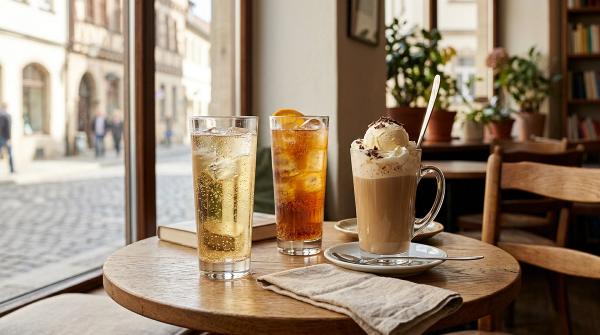
#I love coffee. I plan routes around coffee. I have dragged people six blocks in the wrong direction because someone told me there was a tiny cafe with excellent beans and a cat asleep near the grinder. But coffee before a long walk needs respect. Too much coffee on an empty stomach is basically asking your nervous system to start composing opera. One strong espresso can be perfect. Three cappuccinos before a walking tour with limited toilet stops? That’s not a breakfast, that’s a dare.
Different cities teach different coffee lessons. In Vienna, coffee houses make you want to linger, which is dangerous if your tour starts at 9 sharp. In Melbourne, breakfast cafes are so good that you may accidentally order like you’re staying for the afternoon. In Coorg or Chikmagalur, fresh local coffee feels like part of the landscape itself. In Turkey, tea sometimes makes more sense than coffee before walking because it’s gentler and you can sip slowly. My rule now is coffee with food, then water. I am not always loyal to this rule. But I suffer when I cheat, so there’s that.
The Hotel Buffet Problem, Also Known as Why Did I Eat Sausage at 7:30?
#Hotel buffets are weird psychological experiments. You walk in thinking, I’ll just have a normal breakfast. Then suddenly you’re holding toast, fruit, noodles, beans, three kinds of bread, a mystery cutlet, and a muffin you don’t even want. The problem is not variety. Variety is lovely. The problem is vacation brain, which says included means mandatory. Before a long walking tour, buffet strategy matters.
I do one plate. Okay, sometimes one and a half. I choose what the place does well. In Japan, rice, miso soup, egg, pickles, maybe fish if I’m feeling like a grown adult. In Greece, yogurt with honey, bread, tomatoes, cheese, olives. In India, upma or idli if it looks fresh, fruit I can trust, tea. In Europe, bread with cheese, boiled egg, fruit, coffee. I skip heavy creamy things unless I know my stomach is calm. I avoid too much raw stuff if I’m unsure about water or washing. And I never, never eat unfamiliar hotel buffet sausage before a long walk anymore. We do not need to discuss the Prague incident in detail.
Hydration Is Breakfast Too, Even Though That Sounds Annoying
#I used to roll my eyes when people said hydration. It felt like the kind of advice printed on wellness posters beside a stock photo of a lemon. But walking tours, especially in hot cities, will humble you. Breakfast without water is incomplete. Coffee does not count as your whole fluid plan, sorry. If you’re walking in Bangkok, Jaipur, Athens, Marrakech, Singapore, Seville, or anywhere humid enough to make your shirt become part of your skin, drink water before you start. Not gallons. Just enough that your body isn’t beginning the day already annoyed.
I like a bottle in my bag, and if breakfast was very sweet or salty, I drink extra. Coconut water can be nice in coastal places. Lemon soda with salt has saved me more than once in India, though maybe not at breakfast unless the morning is already hot. In Europe, I check where public fountains are, because paying for water every hour makes me irrationally grumpy. Also, carry a small snack with salt if you sweat a lot. Not glamorous. Very useful.
Local Breakfasts I’d Trust Before a Long Walk
#There are some breakfasts that feel like they were invented by walkers, even if they weren’t. Japanese onigiri from a convenience store is one. Rice ball, filling, seaweed, tidy little miracle. I’ve eaten one outside Kyoto Station before a temple walk and felt perfectly ready. Mexican chilaquiles can be great if not too heavy, though choose your spice level with humility. In Morocco, bread with olive oil, honey, cheese, and mint tea can carry you through a medina morning. In Thailand, jok, that soft rice porridge with ginger and pork or egg, is gentle and warming. In Kerala, appam with stew is dreamy, but I keep portions reasonable if sightseeing starts right away.
And then there are bakery breakfasts. Europe does this so well it’s almost unfair. A good bakery can feed you cheaply and beautifully before a tour. But not all bakery breakfasts are equal for walking. A butter pastry is joy, yes, but add a small sandwich, quiche slice, yogurt, or fruit if the day is long. I’ve seen travelers do one pastry and then buy another pastry and then complain they feel weird. I say this with love because I have been that traveler. Many times.
What to Avoid Before a Long Walking Tour, Unless You Know Yourself Very Well
#I’m not here to ban foods. Travel should have pleasure in it, otherwise what are we doing? But I do have a small danger list. Giant fried breakfasts before hot weather walks. Very spicy food before tours with no toilet access. Too much dairy if you’re not used to it. Alcohol at breakfast, unless it’s one of those rare slow travel days and you’re not walking far. Excess sugar without anything else. New street food from a questionable cart at 6:45 am when your tour bus leaves at 7. This is not cowardice, it’s timing.
Street food is one of my favorite reasons to travel. I will stand in line for a vendor who has a crowd and a hot griddle and that confident hand movement of someone who has made the same dish for 25 years. But I prefer street food after I’ve observed it a little, not when I’m half-awake and panicking. Look for turnover, hot food, clean handling, and locals actually eating there. If something has been sitting sad and lukewarm under a fly’s personal supervision, maybe not before a five-hour walking tour.
My Little Pre-Walk Breakfast Formula
#If you want the simple version, here it is: eat enough to be kind to yourself, not so much that your stomach becomes the main character. Aim for a mix. Bread or rice or oats for energy. Egg, yogurt, beans, cheese, lentils, nuts, fish, tofu, or meat for staying power. Fruit or vegetables if they’re safe and appealing. Water. Coffee or tea if you want. Then tuck a small snack into your bag like a responsible squirrel. This formula has worked for me from Amsterdam canal walks to Hampi boulder mornings, from Istanbul ferries to Singapore hawker-center starts.
But also, let the place lead a little. Don’t travel all the way to Naples and eat a sad imported cereal bar in your room because some list told you it has optimal macros. Go downstairs. Smell the coffee. Watch what people are eating. Ask the person at the counter what’s good before a long walk, if you share enough language or hand gestures. Some of my best breakfasts came from saying, “I’m walking a lot today, what should I eat?” People understand that. Food people especially understand that.
Final Thoughts From Many Blistered, Well-Fed Mornings
#The perfect walking tour breakfast is not the same everywhere, and thank goodness. That’s the fun bit. In one city it’s simit and tea, in another it’s idli and sambar, in another it’s yogurt with honey and strong coffee, in another it’s a bakery sandwich eaten on a bench while pigeons act like criminals. The point is to start the day with enough comfort and energy that you can actually recieve the place. The stories, the smells, the weird little alleys, the guide’s jokes, the old stones under your shoes. Food is not just fuel, but on walking days it has to be fuel too.
So next time you book a walking tour, don’t treat breakfast like an afterthought. Give it ten minutes of planning. Eat local, but eat smart. Drink water. Carry a snack. Don’t let a pretty pastry bully you into pretending it’s a full meal, unless your walk is short and your backup bakery game is strong. And if you mess it up, well, welcome to the club. Some of my best travel stories started with a bad breakfast choice and ended with me discovering a tiny cafe, a market stall, or a bowl of something warm that fixed the whole day. For more food-travel rambles and practical stuff that actually helps when you’re out there walking and eating, I like browsing AllBlogs.in.