Why monsoon homestays in the hills feel magical, but also slightly mad
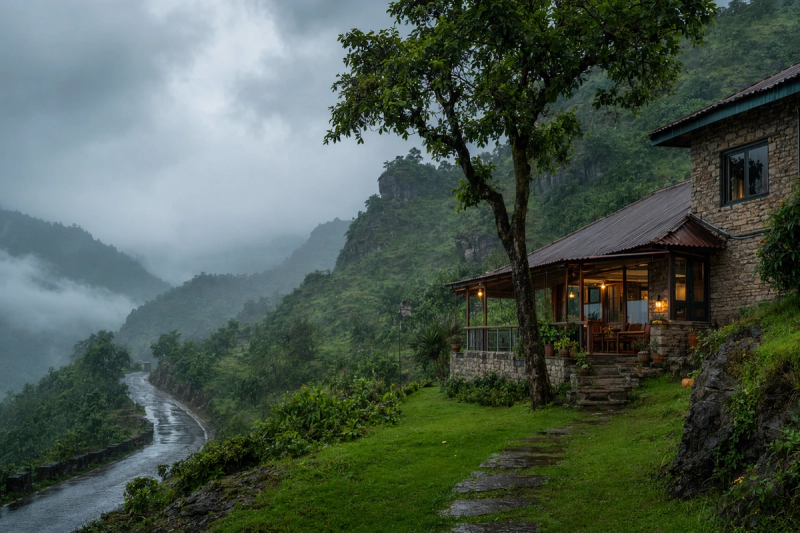
#There is something about reaching a hill homestay in the rain that makes you feel like you’ve earned your chai. The road is wet, clouds are sitting on the bonnet, your driver is muttering “arre visibility hi nahi hai,” and suddenly one small house appears with yellow lights, smoke from the kitchen, and somebody’s dog barking like it owns the entire valley. That feeling is unbeatable. But honestly, monsoon hill trips in India are not the same as those cute Instagram reels. They need a proper checklist. Road, power, safety, food, network, parking, backup plan, everything. I’ve done enough rainy hill stays in Maharashtra, Uttarakhand, Himachal side, Sikkim belt, and even small Gujarat hill routes like Saputara to know one thing: the homestay can be beautiful, but if the approach road is broken or the power backup is weak, your “peaceful weekend” becomes a full-time survival project.
This is not to scare you. I love monsoon travel. I actually prefer it over peak summer crowds because the hills look washed and alive, waterfalls are full, and the food somehow tastes better when it’s raining outside. But the monsoon has its own rules. In the plains we think rain means traffic and wet shoes. In the hills, rain can mean landslide, road closure, falling stones, zero visibility, power cut for 14 hours, no mobile signal, and one uncle at the homestay saying “kal tak theek ho jayega” very calmly while you are internally panicking. So this checklist is for Indian travellers planning a hill homestay during monsoon, especially families, couples, solo people, bikers, and the overexcited friend group who books first and thinks later.
First thing I check now: the road, not the room photos
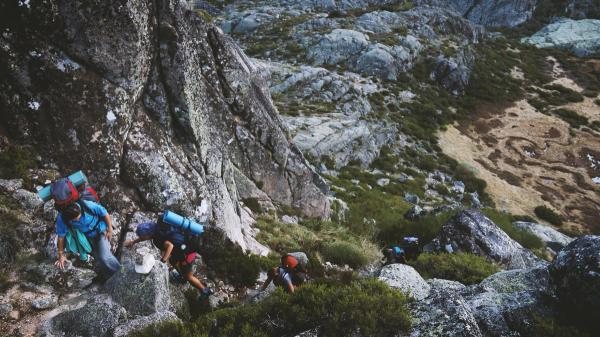
#Earlier I used to book based on balcony view. Big mistake. A balcony is useless if your hatchback cannot reach the place without scraping its belly on a mud track. During monsoon, the last 2 to 8 km before many hill homestays are the real test. The main highway may be fine, but the village road, forest road, estate road, or “just five minutes from parking” path can be slippery and narrow. I learnt this near a small Western Ghats homestay where the host said “road is okay only,” and okay meant one side cliff, one side mossy wall, and our driver doing silent prayers. We reached, but nobody spoke for ten minutes after parking.
Before booking, ask the homestay very specific questions. Not “road good hai kya?” because everyone says yes. Ask: can a normal sedan reach in heavy rain, is there a concrete road till the gate, any kaccha stretch, any hairpin where cars skid, is parking inside or roadside, and do local taxis come there after dark. If you are going by your own car, ask whether low-ground-clearance cars like Swift, i20, Baleno, Amaze etc. regularly reach. If the host says “SUV better,” don’t ignore it. That line is not decoration. It usually means you should either take a local jeep, park lower down, or choose another stay.
Also, please check the weather properly, not just the cute cloud icon on your phone. IMD alerts, local district updates, and recent traveller reviews are more useful than generic app forecasts. For weekend trips, I usually check rainfall prediction, landslide warnings, and whether any ghats or bridges have had issues. This guide on Read Monsoon Weather Forecasts Before India Trips is useful because it explains how to read rain alerts before confirming a hill stay, and frankly most of us only learn this after one bad trip. If the district has red or orange alerts, postpone if you can. No homestay view is worth getting stuck between two landslides with no toilet nearby. Sorry but true.
My road checklist before paying advance
#- Ask for a recent road video from the main road to the homestay, not an old sunny-season clip. Hosts who are genuine usually send it on WhatsApp without drama.
- Check if the last stretch is concrete, tar, gravel, mud, or stone. Mud plus slope plus monsoon is a proper circus.
- Confirm parking. Covered parking is rare, but safe flat parking is important. Roadside parking on a blind curve is asking for tension.
- Avoid arriving after sunset in monsoon hills. Even if Google says 5 hours, add 1.5 to 2 hours for chai, fog, slow traffic, broken patches, and random waterfall traffic jams.
- For bikes, check if there is a place to dry jackets and shoes. Wet riding gear smells like regret by next morning.
Transport options: self-drive, bus, train, taxi, and the local jeep reality
#Self-drive is fun in monsoon only if you are not overconfident. Indian hill roads in rain need patience. Don’t tailgate, don’t overtake on blind curves, don’t stop under loose rock faces for selfies, and don’t depend fully on Google Maps. Sometimes Google sends you through “shortcuts” that are actually village tracks, especially around hill stations and plantation areas. I always ask the homestay host for the safest route, then cross-check with recent reviews and local taxi drivers if possible. If the route has a known ghat section, leave early morning. Afternoon rain in many hill regions can get heavier, and mist comes suddenly.
Public transport can be more sensible, especially in places where local drivers know the road mood. Many hill towns have buses from nearby railway stations or big cities, and then shared jeeps or taxis for the final stretch. In Himachal, Uttarakhand, Sikkim, Meghalaya, Darjeeling side, and parts of the Northeast, shared taxis are normal. In Western Ghats, you may get ST buses, KSRTC buses, private cabs, or resort pickup depending on the area. For a practical example of how I think through route planning in rain, the Ahmedabad to Saputara in Monsoon: Route, Bus, Train Options and a Realistic 2-Day Plan is a good one because Saputara looks easy on paper, but even there timing, fog, and road conditions matter.
One small thing people forget: the return journey. You may reach the homestay somehow on Friday night, but if rain increases by Sunday morning, getting back can be harder. Ask the host what happens if the road closes. Is there another route? Is there a local jeep available? Can you extend one night if needed, and at what price? I know it sounds over-planned, but when you’re sitting with wet socks and office calls starting Monday, you’ll be grateful you asked.
Power backup is not a luxury in monsoon, it is basic survival
#In cities, power cut means inverter beep and mild irritation. In a hill homestay during monsoon, power cut can mean no lights, no geyser, no Wi-Fi, no charging, no hot food if the kitchen depends on electric equipment, and sometimes no water pump. I once stayed in a lovely little homestay in a tea-estate kind of place, very green and peaceful, and the power went at 6 pm. The host had candles, yes, but the inverter was only for two bulbs in the common area. Phones died, clothes were wet, and the bathroom was pitch dark. Romantic for ten minutes. After that, not so much.
So before booking, ask exactly what backup they have. Inverter? Generator? Solar? How many hours? Does it support room lights, charging points, Wi-Fi router, geyser, water pump, or only common lights? Many budget homestays in India, especially in remote villages, have limited backup. That is okay if you know in advance. I don’t expect a ₹1,500 room in a remote valley to run like a city hotel. But I do expect honesty. If they say power cut is common, carry power banks, headlamp, extra torch, and download maps, music, and tickets offline.
The power and network mini-checklist I actually use
#- Carry one fully charged 20,000 mAh power bank per two people. If you shoot videos, carry more. Phones drain fast when searching for network.
- Pack a small torch or headlamp. Phone torch is okay, but you also need your phone alive for calls and maps.
- Ask which mobile network works best at the property. Jio may work in one valley, Airtel in another, BSNL in some remote places, and sometimes nobody works except the host’s landline.
- If you need to work, don’t trust “Wi-Fi available” blindly. Ask for speed screenshot or at least whether video calls work during rain.
- Check geyser type. Solar geyser in continuous rain may not heat well. Gas geyser needs ventilation. Bucket hot water is also fine, but ask the timing.
Safety checklist: landslides, leeches, water, and the boring things that save trips
#Safety in monsoon hills is not only about dramatic landslides. It’s small stuff also. Slippery steps. Wet wooden decks. Loose railings near viewpoints. Leeches in grass. Foggy driving. Waterfalls that look safe but have sudden force. Streams crossing the road. Damp rooms that trigger sneezing. Food getting cold. Wet clothes not drying for two days. If you are travelling with parents or kids, these small things matter even more. A beautiful homestay with 60 steps down from parking may be dreamy for couples but horrible for your mother with knee pain.
Ask if the property has proper railings, non-slip pathways, and lighting from parking to rooms. Ask if rooms smell damp. I know hosts may not admit it, but recent reviews often reveal it. Search words like damp, mould, slippery, leech, road, power cut, hot water, and food. Also don’t book a place too close to a stream or waterfall just because it looks “raw and wild.” In heavy rain, water levels change fast. Local people understand it, visitors don’t. If the host tells you not to go near the water, listen. Don’t become that person who thinks one reel is worth risking everyone’s evening.
For medical safety, keep a small kit: paracetamol, ORS, motion sickness tablet, personal medicines, band-aid, antiseptic, mosquito repellent, leech socks or salt if you are trekking in leech-heavy zones, and any allergy medicine you normally take. Don’t rely on finding a pharmacy at night. Many hill villages have one small medical shop that closes early, or the nearest town is 45 minutes away in good weather. In bad weather, that 45 minutes can become two hours.
My simple monsoon rule now: if the local host, driver, or tea-stall uncle says “aaj mat jao,” I don’t go. Hill people can read the weather better than our confidence.
Where to stay: homestay types and realistic prices in Indian hill areas
#Homestays in Indian hill regions are not one single category. You’ll find basic village homes with clean rooms and home food, plantation bungalows, boutique cottages, wooden cabins, farm stays, tea garden stays, orchard stays, and family-run guesthouses that call themselves homestays but operate almost like small hotels. Prices vary a lot by state, season, road access, view, meal plan, and how famous the destination is. In many lesser-known hill areas, basic clean homestays may start around ₹1,200 to ₹2,500 per room per night. Comfortable family-run places with meals often sit around ₹2,500 to ₹5,000. Boutique cottages, estate stays, or view-heavy properties can go from ₹5,000 to ₹10,000 or more, especially on weekends.
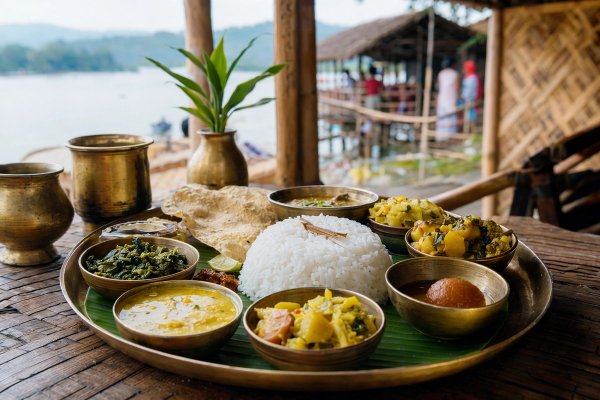
Meal plans matter in monsoon. If the property is remote, don’t assume you can go out for dinner. Rain plus darkness plus narrow road means you’ll probably eat at the homestay. Ask if breakfast is included, what dinner costs, whether they serve veg and non-veg, and if they can make simple food for kids or elders. Some of my best meals have been at homestays: hot bhakri and pithla in Maharashtra, rajma-chawal in Uttarakhand, siddu in Himachal, momos and thukpa in Sikkim side, akki rotti in Coorg belt, and that basic dal-rice-achar combo which tastes five star when it’s raining outside. But also, sometimes food is expensive because ingredients come from far. Don’t fight unnecessarily. Just ask before.
If you’re trying to save money, be careful with location. A cheaper homestay far from the town may become costly after you add taxi charges, pickup, food, and extra nights due to road delays. I have made this mistake, and many Indian weekend travellers do it. This piece on 2-Day Hill Station Budget Mistakes in Monsoon explains those hidden costs nicely, especially parking, local taxis, hotel location, and food. Sometimes paying ₹800 extra for a stay with safer access and meals included is actually cheaper than doing jugaad later.
The booking questions I send on WhatsApp before confirming
#I know it feels awkward to ask too many questions, but better awkward now than angry later. Most good homestay owners appreciate clear travellers. The vague ones get irritated, which itself is a warning sign. I usually message in Hindi or English depending on the place, very normal tone, and ask these things in one go. Not like an interrogation, just practical.
- How is the road in heavy rain, and can a normal car reach the gate without 4x4?
- Is parking available inside the property, and is it safe if rain is heavy at night?
- Do you have power backup, and does it support charging points, lights, Wi-Fi, geyser, and water pump?
- Which mobile network works best there? Is Wi-Fi stable during rain?
- Are meals available on-site? What is the approx cost for dinner and tea/snacks?
- Are there any steep steps, slippery paths, or walking distance from parking to room?
- What happens if the road is blocked or we need to cancel because of official weather warnings?
That last cancellation question is important. Monsoon cancellations are tricky because many small homestays depend on weekend income and can’t offer full refunds easily. Fair enough. But they may shift dates, adjust advance, or give partial refund if there is a genuine road closure. Get it in writing on WhatsApp. Not because you want to fight, but because memory becomes weak when money is involved, na.
Packing for a monsoon hill homestay, Indian style
#Pack light, but pack smart. Jeans are the worst in heavy rain because they take forever to dry. Carry quick-dry pants, extra socks, slippers with grip, one pair of shoes you don’t love too much, and a rain jacket that actually works. Those ₹100 plastic ponchos are okay for a short walk, but if wind comes, they behave like a flying bedsheet. Keep clothes in plastic or dry bags inside your backpack. Even if your suitcase looks safe, moisture enters everywhere. I always carry one old newspaper also, to stuff inside wet shoes. Very uncle technique, but works.
For rooms, carry a small extension board if you have multiple devices. Many old homestays have one plug point in strange places, like behind a bed that weighs 200 kg. Carry cash because UPI may fail with weak network. Keep one ID proof ready, and if you are crossing state borders or entering protected areas, check permit requirements beforehand. In places like Sikkim, Arunachal, parts of Ladakh, and some border belts, permits and road rules can be different, and weather changes plans quickly. Don’t assume every hill trip works like Lonavala or Mussoorie.
My no-fancy packing list
#- Rain jacket, quick-dry clothes, extra socks, and a light sweater because wet cold hits differently.
- Power banks, torch, chargers, small extension board, offline maps, downloaded booking details.
- Medicines, ORS, mosquito repellent, basic first-aid, and any prescription meds with extra doses.
- Cash in small notes, because the tea shop may not have change and UPI may just spin forever.
- A plastic bag for wet clothes, but don’t litter. Bring your waste back or use the homestay bins properly.
Best months and regions: when monsoon is worth it, and when to avoid
#India’s monsoon is not same everywhere. Western Ghats get that lush green magic, but also heavy rain, waterfalls, slippery trails, and leeches in many forested areas. Maharashtra, Goa hinterland, Karnataka, Kerala, and Tamil Nadu hill belts can be stunning, especially for people who love rain more than sightseeing. North Indian hills like Himachal and Uttarakhand are beautiful too, but landslide and cloudburst risks are real in many routes, so you need to be more careful with alerts and road updates. Northeast hills are gorgeous in monsoon, but rain can be intense and travel times stretch. Darjeeling, Sikkim, Meghalaya, Coorg, Wayanad, Munnar, Chikmagalur, Kodaikanal, Mahabaleshwar side, Bhandardara, Saputara, Kumaon villages, Tirthan, Jibhi, and many smaller places all have their own monsoon personality.
If you want safer sightseeing, the shoulder months just before and after peak rains can be more comfortable. Exact timing changes by region, but generally avoid travelling during forecasted very heavy rainfall periods, especially for remote homestays. If your main goal is waterfalls and clouds, monsoon is the season, obviously. If your goal is clear mountain views, long drives, and trekking, monsoon may disappoint you. You might see only fog for three days. Some people love that. Some people complain like they were promised Switzerland. Be honest with yourself before booking.
Food, culture, and small local experiences you shouldn’t miss
#The best part of homestays is not always the room. It’s the kitchen, the people, the slow evening. In many Indian hill homes, food is seasonal and local: bamboo shoot in Northeast homes, pahadi dal and mandua roti in Uttarakhand, fresh corn and pakoras in Maharashtra ghats, appam-stew or puttu-kadala around Kerala hill areas, Coorg pork curry if you eat non-veg, simple thukpa in cold rainy Sikkim evenings, or local herbal tea that the aunty insists will cure everything. Say yes to at least one local meal. Ask politely if you can see the kitchen garden or help pluck something, but don’t treat people’s homes like a theme park. That line is important.
Btw, here’s something cool I found over repeated trips: the lesser-known experiences are often better in monsoon than the famous viewpoints. Viewpoints may be fully fogged out, but village walks, spice plantation tours, tea factory visits where open, local markets, temple festivals, small cafes, waterfall drives, pottery or weaving visits, and sitting with the host family during evening chai can be lovely. Some areas have local monsoon events or seasonal food traditions, but these are hyper-local and not always advertised online. Ask the host what is happening nearby. Sometimes there is a weekly haat, a small fair, a local puja, or just one aunty making the best bhutta in the village. That is enough.
A few things I would not compromise on, even for a dreamy view
#I won’t book a place if the host is evasive about road access. I won’t book if recent reviews mention unsafe approach and the host says “people exaggerate.” I won’t book remote stays during heavy rain alerts just because the room is non-refundable. I won’t take elderly parents to a property with steep slippery steps unless there is help and proper railings. And I won’t drive at night in unknown hill roads during monsoon unless it’s absolutely unavoidable. These sound like strict rules, but they came from small mistakes and near-misses. Travel teaches you, sometimes sweetly and sometimes with a tight slap.
At the same time, don’t expect hill homestays to be perfect city hotels. A little damp smell, insects near lights, slow service because food is freshly cooked, limited menu, early dinner, dogs barking, and patchy network are all part of the deal in many places. The point is not to remove every inconvenience. The point is to avoid dangerous surprises. There’s a difference between rustic and risky. Rustic is a warm blanket, rain noise, and dal-chawal. Risky is no railing near a wet drop, no power backup, and a road that only tractors can manage.
My final monsoon hill homestay checklist
#So if I had to reduce everything into one practical checklist, it would be this: check official weather alerts, ask for recent road condition, confirm parking and last-mile access, avoid late arrivals, verify power backup, confirm network and Wi-Fi reality, ask about meals, check safety for kids or elders, carry cash and medicines, pack rain gear properly, and keep one buffer plan. Also tell someone at home your route and homestay location. Sounds basic, but many of us forget because we are busy choosing reels audio for the trip.
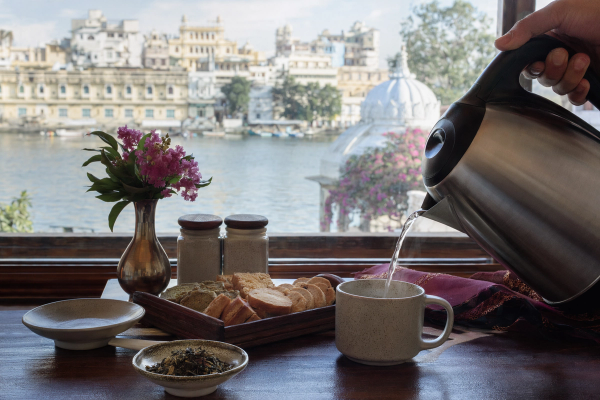
Monsoon hill homestays in India can be ridiculously beautiful. The kind of beautiful that makes you sit near a window and say nothing for twenty minutes. But they reward prepared travellers. Not scared travellers, prepared ones. If you do the boring checks before booking, you can actually relax when you reach. You can drink chai, eat hot pakoras, watch clouds move through trees, and sleep with rain hitting the roof instead of worrying whether your car will slide into a ditch tomorrow morning. That’s the balance, I think. Little planning, lots of feeling. And if you want more grounded Indian travel guides like this, I keep finding useful reads on AllBlogs.in, so maybe browse there before your next rainy hill escape.