Packing a bento lunch on a hot day is a little different from packing one when the weather is mild. Heat changes things. So do humid mornings, long commutes, warm classrooms, backpacks sitting in the sun, office desks near windows, park days, beach trips, and lunch breaks that happen later than planned.
A lunch that looked adorable at 7 a.m. can be warm, soggy, and not-so-safe by noon if it is packed the same way you would pack it in cooler weather.
But summer bentos can absolutely still be fresh, colorful, filling, and fun. The trick is to think less about tiny decorations and more about cooling, moisture, and how long the food has to wait before it is eaten.
A good hot-weather bento is not about perfection. It is about opening the box at lunchtime and thinking, “Yep, I still want to eat this.”
Quick Answer: The Hot-Weather Bento Plan
#If you only have a minute, here is the basic plan.
Pack: Fully cooked proteins, roasted or drier vegetables, pickles, whole fruit, sturdy salads, firm tofu or beans if kept cold, properly cooled rice or noodles, and sauces in small separate containers.
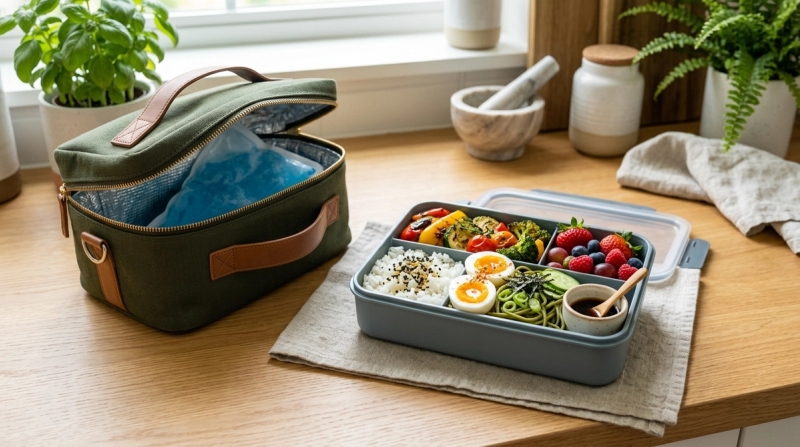
Chill: Use an insulated lunch bag with at least one frozen lunchbox ice pack for any perishable bento. Use two ice packs if the lunch will sit in a warm classroom, backpack, bus, train, park, office, or car.
Skip: Runny eggs, soft cheeses, dairy-heavy dressings, mayo-heavy salads, rare meat, wet sauces mixed into everything, cut melon left warm, and fussy bento decorations that require lots of touching and adjusting.
Main rule: Perishable bento foods need to stay cold, or hot foods need to stay truly hot in a proper insulated container. Do not close a lid over steaming food. Do not let cooked rice, eggs, meat, dairy, tofu, noodles, or cut fruit sit warm for hours.
In summer, a bento plan is really a cooling plan.
Why Hot Weather Changes the Bento Rules
#Bento boxes are wonderful because they keep small portions neat and organized. But in hot weather, those same little compartments need a bit more care.
Small pieces of food have more exposed surface area. Lids can trap steam. Compartments can hold moisture. Cute details often mean more handling, poking, cutting, and moving food around. On a cool day, that may not be a big deal. On a hot day, it matters more.
Food safety guidance often warns against leaving perishable foods too long in the temperature range where bacteria grow quickly. People usually call this the “danger zone.” A lunchbox tucked into a backpack, sitting near a sunny window, or left in a parked car can warm up much faster than you expect.
That does not mean you need to panic. It just means you need to pack with the weather in mind.
Hot-Weather Bento Safety Rules
#1. Start with a clean, dry box
#Wash the bento box, lid, dividers, silicone cups, sauce containers, picks, utensils, and rubber seals. Then let everything dry completely before packing.
Moisture is one of the sneaky problems in summer lunches. A damp lid, wet lettuce leaf, or watery vegetable compartment can make the whole lunch soggy. It can also create conditions that are less food-safe.
If your bento has a gasket or rubber seal, check the grooves carefully. Food and water love to hide there.
2. Do not close the lid over steaming food
#This is one of the easiest mistakes to make.
Hot food plus a closed lid equals steam. Steam turns into condensation. Then you have warm, wet food sealed inside a box, which is exactly what you do not want on a hot day.
If you cook rice, noodles, eggs, chicken, or vegetables in the morning, spread them out on a clean plate or tray so they cool faster. Once the food is no longer steaming, pack it with clean tongs, chopsticks, or a spoon.
Do not leave cooked food sitting on the counter while you finish getting ready. Cool it, pack it, and get it into the fridge or into an insulated bag with ice packs.
3. Keep perishable food cold
#A no-fridge bento does not mean no cooling. It means your lunch bag and ice packs have to act like a fridge for a few hours.
If your bento includes cooked rice, noodles, eggs, meat, fish, tofu, dairy, cooked vegetables, beans, cut fruit, or creamy sauces, treat it as perishable. Use at least one frozen ice pack. On very hot days, or if the lunch will sit in a warm place, use two.
4. Touch the food as little as possible
#Hot weather is not the best time for super-detailed character bentos, tiny cheese faces, little cut-out eyes, or decorations that need to be nudged into place ten times.
Simple is better. Use clean utensils. Pack larger pieces instead of tiny fiddly ones. The lunch can still look cheerful and inviting. It just does not need to become a morning art project.
5. Keep an eye on moisture
#Moisture can ruin a bento quickly. It makes rice mushy, cucumbers limp, crackers soft, and noodles slippery in the wrong way.
Drain cooked vegetables well. Pat washed produce dry. Pack sauces separately. Choose roasted, grilled, pickled, crunchy, or lightly dressed foods instead of wet, soupy ones.
What to Pack, Chill, and Skip
#Here is a practical guide for hot-weather bento packing.
Rice in a Summer Bento
#Rice needs special attention when it is hot outside.
Cooked rice can be linked with Bacillus cereus, a bacteria that may survive cooking and become a problem if rice sits warm for too long. The easy rule is this: do not let cooked rice hang around at room temperature for hours.
For summer bentos:
- Cook rice fresh when you can, then cool it quickly.
- If using leftover rice, make sure it was cooled quickly and refrigerated properly.
- Do not pack hot rice and close the lid.
- Keep rice chilled with ice packs if it will not be eaten soon.
- Vinegared rice can be a helpful option, but vinegar is not a magic safety shield.
Rice balls can work well too. Just avoid shaping them over and over with bare hands. Use plastic wrap, a rice mold, or clean utensils.
Noodles in Hot Weather
#Cold noodles are one of the best summer lunch ideas. They are refreshing, filling, and easy to customize. They just need to be packed with a little care.
Noodles can clump, turn sticky, or become unpleasant if they sit in dressing too long. They can also become more risky if mixed with egg, meat, creamy sauce, or broth and then held warm.
For better cold noodle bentos:
- Rinse and drain noodles well, if that works for the noodle type.
- Toss them with a tiny bit of oil to help prevent sticking.
- Pack the sauce separately.
- Keep toppings like chicken, tofu, egg, or edamame cold.
- Avoid soupy noodle bentos unless you have a properly chilled insulated jar.
If you like this kind of lunch, this guide to cold noodle lunches for hot weather fits the same easy summer packing style.
Eggs: Cook Them All the Way
#Eggs are great in a bento. They are filling, affordable, easy to portion, and good with almost everything. In hot weather, though, they should be fully cooked.
Good options include:
- Hard-boiled eggs
- Fully set omelet strips
- Well-cooked rolled omelet
- Firm egg muffins or egg bites, kept cold
Skip soft-boiled eggs, runny yolks, and barely set omelets for summer lunches. They are better eaten right away at home.
If you pack peeled eggs, keep them in a clean container and make sure they stay cold. Try not to place them directly against wet foods.
Dairy and Mayo: Be Careful, Not Scared
#Mayonnaise gets blamed for a lot of summer lunch problems, but the real issue is usually the full mixture: potato salad, egg salad, chicken salad, tuna salad, or creamy dressing sitting warm for hours.
Be careful with:
- Potato salad
- Egg salad
- Tuna salad
- Chicken salad
- Creamy pasta salad
- Yogurt dips
- Soft cheeses
- Creamy dressings
If you really want a creamy sauce, pack a small amount in a tightly closed container and keep it close to an ice pack. For longer, hotter days, vinaigrettes, pickles, citrus dressings, and dry seasonings are usually easier to manage.
Meat, Fish, and Tofu
#Meat and seafood should be cooked thoroughly for a hot-weather bento. After cooking, cool them quickly, then pack them cold with ice packs.
Better choices include:
- Fully cooked chicken pieces
- Well-done meatballs
- Cooked fish flakes or patties
- Firm tofu that has been cooked or well drained
- Lentil or bean patties, kept cold
Be careful with sliced deli meats unless the lunch will stay reliably cold. Skip rare or medium-rare meat in a warm bento. Also avoid loose, wet sauces unless you pack the sauce separately.
Drier foods usually travel better. Think grilled, roasted, baked, pan-seared, or lightly glazed and cooled.
Cut Fruit and Juicy Produce
#Whole fruit is one of the easiest hot-weather lunch foods. Cut fruit needs more care.
Once fruit is sliced, it releases juice and has more exposed surface area. That means it needs clean handling and reliable chilling. Cut melon especially should be kept cold.
Better options include:
- Whole apples
- Whole mandarins or small oranges
- Whole bananas
- Whole grapes
- Whole berries, washed and dried well
- Cherry tomatoes, packed dry
If you pack sliced fruit, put it in a separate sealed container with an ice pack. Do not tuck juicy fruit into the same compartment as rice, eggs, meat, or noodles. It gets messy fast.
No-Fridge Bento vs Insulated Bag
#The right setup depends on where your lunch will sit until it is time to eat.
If you have a refrigerator
#This is the easiest situation.
Pack your bento, carry it in an insulated bag if the commute is warm, then refrigerate it when you arrive. Keep the lid closed until lunch.
One small thing to know: cold rice can get firm in the fridge. If that bothers you, pack a bento that reheats well, keep the rice separate, or choose foods that taste good chilled.
If you do not have a refrigerator
#This is a no-fridge bento situation, but you still need cooling.
Use:
- An insulated lunch bag
- At least one frozen lunchbox ice pack
- A second ice pack if the day is very hot
- A frozen water bottle for extra cooling that you can drink later
Keep the bag closed as much as possible. Every time you open it, warm air gets in.
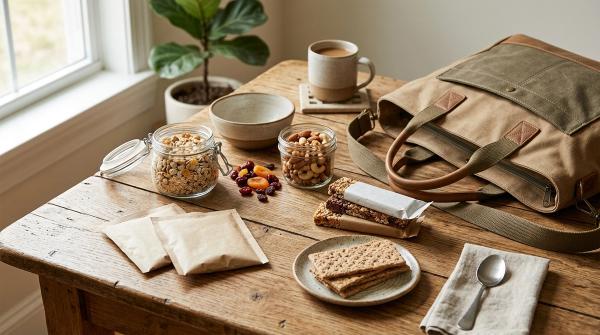
If you cannot use an insulated bag or ice pack, pack only shelf-stable foods. Think crackers, whole fruit, unopened shelf-stable snacks, nuts or seeds if suitable, and dry items. Do not pack rice, eggs, meat, dairy, tofu, cut fruit, cooked vegetables, or leftovers and expect them to sit safely for hours in the heat.
If you will be outdoors or traveling
#For parks, buses, trains, beach days, hikes, and long day trips, assume the food will get warmer than it would indoors.
Use a better cooler bag, extra ice packs, and simpler foods. Keep the bag in the shade. Do not leave it in a parked car, even for “just a minute.”
For beach plans, it is worth reading more about beach day food safety, because sun, sand, wet hands, and long grazing times make everything a little trickier.
Good Hot-Weather Bento Lunch Ideas
#Here are a few bento combinations that work well when packed and chilled properly.
1. Simple rice bento
#- Cooled rice
- Fully cooked chicken or tofu
- Pickled vegetables
- Roasted carrots or zucchini
- Whole mandarin
- Sauce packed separately
2. Cold noodle bento
#- Chilled noodles tossed lightly with oil
- Shredded cooked chicken, tofu, or edamame
- Cucumber sticks, dried well
- Sesame or soy-style dressing in a small container
- Whole fruit on the side
3. Snack-style summer bento
#- Hard-boiled egg
- Crackers or flatbread
- Hummus or bean dip, kept cold
- Cherry tomatoes
- Cucumber sticks
- Whole grapes or berries
4. No-cook chilled bento
#- Canned beans or chickpeas, drained and rinsed
- Crunchy vegetables
- Pickles or olives
- Cooked grain or rice, only if cooled and chilled properly
- Vinaigrette packed separately
For more lunches like this, no-cook summer lunch bowls can easily be turned into bento-style meals.
What to Skip in a Hot-Weather Bento
#Some foods are just not worth the risk or the disappointment when temperatures climb.
Skip these unless you have excellent chilling and a short time until lunch:
- Soft-boiled eggs
- Runny omelets
- Rare meat
- Sushi with raw fish
- Creamy seafood salads
- Mayo-heavy egg, tuna, chicken, or potato salad
- Soft cheeses
- Warm deli meats
- Cut melon without reliable chilling
- Wet leafy salads packed hours ahead
- Rice or noodles mixed with sauce while still warm
- Bento decorations that require lots of touching
Also avoid packing hot and cold foods together in the same closed bento. The hot food warms the cold food, and the cold food cools the hot food. Neither one ends up at the temperature you want.
Morning Packing Timeline
#A safer summer bento is much easier if you give yourself a little time. Nothing fancy is required. You just want enough time to cool hot food, dry wet ingredients, and pack everything cleanly.
The night before
#- Wash and dry the bento box, lid, dividers, and utensils.
- Freeze your ice packs.
- Cook anything that stores well, then cool and refrigerate it properly.
- Wash produce, but dry it really well before storing.
- Decide which sauces need separate cups.
45 minutes before leaving
#- Cook or reheat anything that needs it.
- Spread hot food on a clean plate or tray so it cools faster.
- Keep raw and cooked foods separate.
- Leave chilled items in the fridge until you are ready to pack.
15 minutes before leaving
#- Pack cooled cooked foods into the bento.
- Use tongs, chopsticks, or a clean spoon.
- Keep wet items in small cups or separate containers.
- Use dividers so juicy foods do not leak into dry foods.
5 minutes before leaving
#- Close the bento.
- Put it in an insulated bag.
- Add ice packs, ideally one below and one above or beside the box.
- Keep the bag closed and out of direct sun.
Quick Morning Checklist
#Before you head out, ask yourself:
- Is the food fully cooled or properly chilled?
- Is the bento box clean and dry?
- Are sauces packed separately?
- Are eggs fully cooked?
- Is meat or fish fully cooked?
- Is cut fruit chilled and separate?
- Were rice and noodles handled carefully?
- Is there at least one frozen lunchbox ice pack?
- Will the lunch stay out of direct sun?
- If there is no fridge, is the insulated bag enough for the day?
If the answer is no to several of these, simplify the lunch. In hot weather, simple is usually the smarter choice.