The breakfast buffet is where my stomach learned fear
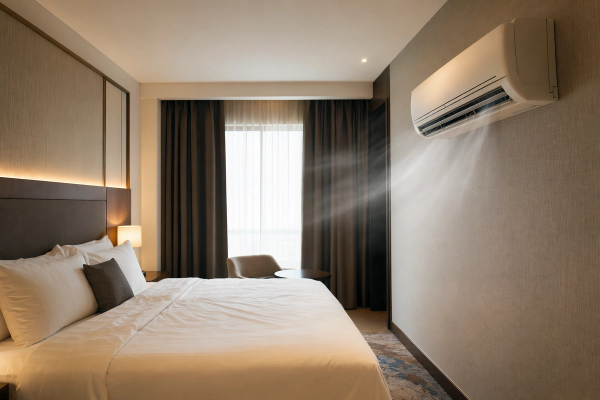
#I love hotels. I love the tiny soaps, the too-white sheets, the dramatic curtains, the weird little kettle that always smells faintly like noodles. And I really, really love hotel breakfast. But traveling with lactose intolerance turns that golden buffet room into a bit of a detective game. One minute you’re floating toward the croissants like a happy cartoon character, next minute you’re squinting at a tray of scrambled eggs wondering, did they put milk in that? Cream? Butter? Some mystery “dairy solids” situation? Been there. More than once. I’ve had gorgeous mornings in Lisbon, Kyoto, Istanbul, Jaipur, and Mexico City saved by good planning, and I’ve had mornings ruined by one innocent-looking cappuccino. Honestly, lactose intolerance doesn’t mean food travel is over. It just means you get sneakier, ask better questions, and sometimes carry bananas in your bag like a slightly anxious squirrel.
Quick boring-but-important bit before the fun stuff: lactose intolerance is about trouble digesting lactose, the sugar in milk. The U.S. National Institute of Diabetes and Digestive and Kidney Diseases explains it as not having enough lactase enzyme, and symptoms vary a lot from person to person. Some people can handle a splash of milk in coffee. Some can eat yogurt but not ice cream. Some of us look at a milkshake and our stomach starts writing a resignation letter. This is not the same as a milk allergy, which is immune-related and can be much more serious. I’m writing from my own food-travel life, not pretending to be your doctor, so if your reactions are severe, get proper medical advice before you go chasing pastries across Europe.
My hotel breakfast routine, after too many stupid mistakes
#The first thing I do at any hotel breakfast is not eat. I know, rude. I do a lap. A slow one. I look at the buffet like I’m casing a bank. Where’s the fruit? Are the eggs cooked to order or sitting in a creamy tray? Is the porridge made with water or milk? Do they have plain rice, miso soup, beans, tomatoes, cucumber, olives, potatoes, or anything that didn’t come from a cow? Then I decide. This sounds intense but it takes maybe three minutes, and those three minutes have saved me from spending the rest of the morning searching for bathrooms in historic city centers, which is not the kind of sightseeing anyone puts on Instagram.
- I usually start safe: fruit, toast, jam, eggs if I can confirm they’re not mixed with milk, potatoes, rice, beans, or plain cured meats if that’s part of the local breakfast.
- I ask about butter, cream, milk powder, cheese, yogurt, and “milk in the eggs” because those are the sneaky little gremlins.
- I don’t trust labels that just say “vegetarian” or “fresh” or “healthy.” Healthy for who, Brenda? Not always for my stomach.
- I carry lactase tablets, but I treat them like a seatbelt, not like permission to drive into a wall.
My worst buffet mistake was in a business hotel in Berlin. The eggs looked fluffy, pale yellow, innocent. I took a big scoop, added smoked salmon, felt very European and competent. Halfway through breakfast I asked a server, just casually, and she said, “Oh yes, with cream.” Cream. In the eggs. I still went to the museum that morning, but I remember more about the bathrooms than the paintings, which is tragic because Berlin museums are actually brilliant.
Before booking: I check breakfast like other people check rooftop pools
#When I’m picking a hotel now, I read breakfast reviews. Not just the star rating. I search the photos. Travelers post everything. You can spot if breakfast is mostly pastry and cheese, or if there’s a proper spread with fruit, eggs made to order, rice, soup, oats, beans, vegetables, and non-dairy milk. Boutique hotels are charming, but sometimes their breakfast is one wooden board of croissants, brie, butter, and someone’s homemade yogurt. Beautiful. Useless to me unless I’m having a very brave day.
I also email hotels before booking when the trip is long or important. I keep it simple: “Hi, I’m lactose intolerant. Do you have dairy-free milk or breakfast items without milk, cream, butter, yogurt, or cheese?” Some hotels reply with actual detail, which makes me trust them. Others say “we have many options” and that can mean anything from a full vegan corner to one sad apple. Big hotel chains often have allergen lists or staff used to food questions, but I’ve had tiny guesthouses handle it better than fancy places. In a ryokan in Japan, the owner wrote out which breakfast dishes had dairy and which didn’t, and I nearly cried into my grilled fish. Not dramatic. Well, maybe a little.
The hotel room snack drawer is not optional
#I always land with emergency food. Always. Rice crackers, peanut butter sachets, instant oats I can make with hot water, nuts, dark chocolate that I checked twice, and sometimes a little pack of tortillas. If there’s a mini fridge, I’ll buy fruit, hummus, lactose-free yogurt if I find it, or firm cheese if I know I can tolerate a small amount. Hard cheeses usually have less lactose than milk and soft fresh cheeses because of how they’re made and aged, though tolerance still depends on the person. If you’re building hotel-room picnics, the hard-versus-soft cheese thing matters a lot, and I like this practical guide on Supermarket Cheese While Traveling: Fridge and Picnic Tips because picnic dinners have saved me in expensive cities more times than I can count.
The emergency snack drawer is also emotional support. I know that sounds silly, but when you’re jet-lagged in a new city and every café window is full of cream-filled pastries, knowing you have safe food back at the hotel makes you bolder. You can wander more. You can say no to something without feeling doomed. You can make a calm decision instead of eating a mystery custard tart because you’re starving and then blaming Portugal, which would be unfair because Portugal is wonderful and I have only myself to blame.
Breakfast around the world: what I’ve learned the hard and delicious way
#Japan was one of my easiest breakfast countries, which surprised me the first time. Traditional breakfasts often include rice, grilled fish, miso soup, pickles, seaweed, tamagoyaki, tofu, and vegetables. Not automatically dairy-free, because modern hotel buffets may have buttery pastries and creamy Western eggs, but the savory Japanese side was my safe zone. One morning in Kanazawa I ate rice with salmon, miso soup, pickles, and a tiny dish of simmered vegetables while snow fell outside. No croissant could compete with that. Okay maybe a Paris croissant could compete, but my stomach would vote for the fish.
Italy is trickier and more tempting. Italian hotel breakfast can be coffee, cornetti, cakes, yogurt, fruit, maybe ham and cheese. In Rome I learned to ask for caffè without milk and then get my joy from blood orange juice, fruit, bread with jam, and later a proper lunch. The thing about Italy is, dairy is everywhere but not always in the way people assume. A simple tomato pasta might be dairy-free if you skip grated cheese. Pizza marinara is traditionally tomato, garlic, oregano, and olive oil, no mozzarella. Gelato shops often have sorbetti, and good ones are amazing. But breakfast? Breakfast is where I tread carefully, because pastries love butter like tourists love sunset photos.
Turkey gave me feelings. A Turkish breakfast spread is one of the most beautiful edible landscapes on earth: olives, tomatoes, cucumbers, bread, eggs, honey, jams, herbs, nuts, and yes, cheeses and kaymak and yogurt-type things that will absolutely call your name. In Istanbul I built plates around simit, olives, tomatoes, eggs, tahini pekmez, and fruit. I skipped the fresh cheeses most days, had tiny tastes when I was staying close to the hotel, and drank tea instead of milky coffee. That’s my rule for dairy flirting: only flirt when there is a bathroom nearby and no three-hour walking tour booked.
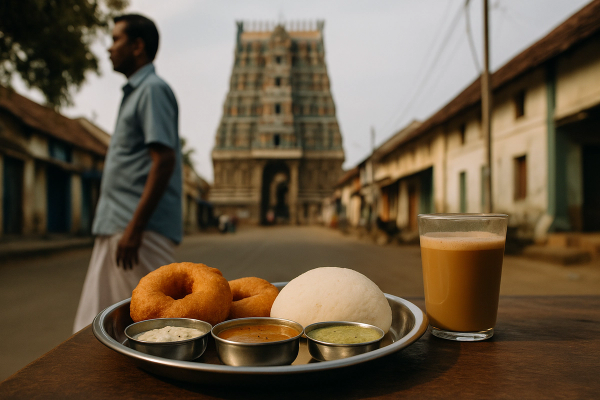
India is both heaven and a minefield. South Indian breakfasts like idli, dosa, upma, poha, sambar, and coconut chutney can be brilliant, though ghee may appear and you need to ask. North Indian hotel breakfasts may include paratha brushed with ghee, paneer dishes, lassi, chai with milk, curd, and sweets. I adore Indian breakfast. I also respect it. In Jaipur I once asked if a paratha had “butter” and was told no, then watched it get finished with ghee. Technically not butter, fair enough, but my stomach did not appreciate the legal distinction. And with drinks like lassi, lactose is only one part of the question. Freshness, heat, storage, and ice matter too, especially in summer, so this piece on Is Lassi Safe in Indian Summer? Dairy Freshness Checks Before You Drink is genuinely useful if you’re tempted by that frosty sweet glass.
Coffee, my beloved problem child
#Let’s talk about coffee because travel mornings are built on it. I used to think ordering “just a little milk” was harmless. It was not always harmless. These days I ask for black coffee, espresso, Americano, or tea unless I see oat, soy, almond, or lactose-free milk. Plant milks are more common in many cities now, especially in specialty coffee shops, partly because of vegan and flexitarian eating trends, but hotel breakfast rooms are uneven. I’ve had oat milk in a tiny café in Ljubljana and absolutely nothing non-dairy in a luxury hotel that had fourteen kinds of pillow. Priorities, people.
Also, not all non-dairy milks behave the same. Oat milk usually foams nicely. Soy can be great if the barista knows it. Almond can go watery and sad. Coconut milk in coffee tastes like vacation sunscreen to me, which some people love, I guess. If you’re very sensitive or avoiding cross-contact, ask whether the steam wand is cleaned between milks. I’m personally not that sensitive, but some travelers are, and nobody wants their “safe” cappuccino to become a problem because the wand just steamed regular milk.
My tiny translation script, because miming stomach pain is not elegant
#I keep a note on my phone with phrases in the local language. Not a poetic paragraph. Just the basics: “I cannot digest milk,” “no milk, cream, butter, cheese, yogurt,” and “is this cooked with butter or ghee?” I also show the words written down because pronunciation fails happen. In France, I once confidently said something that I thought meant “without milk” and the waiter looked like I had asked to borrow his shoes. Written notes help. Translation apps help. Pictures of milk, butter, cheese, yogurt, and cream help when language gets messy.
- Learn the local words for milk, butter, cream, cheese, yogurt, whey, milk powder, and ghee before you go.
- Ask about preparation, not just ingredients. Eggs “with no cheese” may still be cooked in butter or mixed with milk.
- Use simple sentences. “No dairy” sounds easy in English, but in some places people may not group butter, yogurt, and cheese together the same way.
- Smile and be patient. Staff are not mind readers, and breakfast rush is chaos even when everyone means well.
Packaged food is another whole little jungle. Chips may contain milk powder. Bread can have whey. Instant noodles can hide lactose in seasoning. Chocolate, sauces, granola bars, even “vegetable” soups sometimes sneak in dairy. If you already read labels for vegetarian reasons, you know the vibe. The same label paranoia helps here, and this guide to Vegetarian Food Labels Abroad: Hidden Ingredients overlaps in a useful way because hidden ingredients are hidden ingredients, whether you’re avoiding gelatin, rennet, whey, or milk solids.
The foods that usually save me at breakfast
#My safest hotel breakfast plate depends on the country, but there are patterns. Fruit is obvious, but not always enough if you’re walking ten miles that day. Eggs are great if cooked without milk or butter. Rice and soup breakfasts are underrated. Beans are heroes. Potatoes are loyal friends. Tomatoes, cucumbers, olives, avocado, smoked fish, plain bread, jam, peanut butter, tahini, hummus, and oats made with water are all in my personal survival hall of fame. I’ve eaten some odd combinations, like miso soup with peanut butter toast, and honestly? Not bad. Travel makes you less precious.
| Breakfast item | Usually okay? | What I ask before eating |
|---|---|---|
| Scrambled eggs | Maybe | Any milk, cream, butter, or cheese mixed in? |
| Omelet station | Often better | Can you cook it with oil, not butter, and no cheese? |
| Porridge or oats | Maybe | Made with water or milk? Any cream added? |
| Bread and jam | Often | Any butter, milk powder, or whey in the bread? |
| Rice, miso soup, beans | Often | Any butter, cream, dairy stock, or yogurt garnish? |
| Pastries | Risky | Butter, custard, cream, milk glaze, or cheese filling? Usually I just assume yes. |
One note about yogurt: some lactose-intolerant people tolerate yogurt better than milk because live cultures help break down lactose, and health sources like the NIDDK mention that tolerance varies. But “better tolerated” does not mean “safe for everyone.” I can handle a few spoonfuls of plain yogurt sometimes, especially thick strained stuff, but a big sweet hotel yogurt bowl before a train ride? Absolutely not. That is not bravery. That is hubris with granola.
Lactase tablets, timing, and the false confidence trap
#I carry lactase enzyme tablets in my day bag, toiletry kit, and sometimes my jacket pocket because I am forgetful. They can help many people digest lactose when taken with dairy, but they are not magic. The effect depends on dose, timing, how much lactose you eat, and your body. I take them with the first bite or sip, not after I’ve already eaten half a panna cotta and started bargaining with the universe. And I don’t use them to go wild at breakfast unless I have a lazy day planned.
The false confidence trap is real. You take lactase with a little cheese one day and feel fine, so next morning you eat creamy eggs, a latte, yogurt, and a pastry because “the tablets work.” Then your body files a complaint. I try to pick one dairy gamble per meal, max. If I want gelato later, I keep breakfast clean. If I want to taste local cheese in the market, I don’t start the day with a cappuccino. Food travel is about pleasure, not punishing yourself, and moderation is boring until it saves the whole afternoon.
Destinations where I ate really well without feeling deprived
#Mexico City was fantastic for me. Breakfast could be chilaquiles without crema or cheese, eggs with salsa, fruit, beans, tortillas, avocado, café de olla, tamales depending on filling, and fresh juice. You do need to ask about crema, queso, and butter, but the corn-bean-salsa universe is generous. One morning in Coyoacán, I ate blue corn quesadillas without cheese, which sounds contradictory because quesadilla, but in Mexico City that can be normal. Mine had mushrooms and squash blossoms and salsa so bright it woke up my whole face. No dairy needed.
Vietnam was another joy. Hotel breakfasts often had pho, rice noodles, fruit, eggs, baguette, herbs, and strong coffee. Condensed milk is famous in Vietnamese coffee, and yes it is delicious, but black Vietnamese coffee over ice is also intense and lovely if you like your coffee to slap you awake. I ate bowls of noodle soup in Hanoi at breakfast and felt deeply smug watching other tourists poke at sad buffet cereal. Not that cereal is bad. But noodles at 8 a.m. in a steamy little dining room? Come on.
Spain and Portugal were more mixed but still workable. Toast with tomato and olive oil in Spain is one of the great simple breakfasts, and it has saved me many times. In Portugal, pastries are everywhere and many are buttery or custardy, especially the famous pastel de nata. I still ate one because I am not made of stone. I planned for it, took lactase, shared it instead of eating three, and then walked slowly around Lisbon pretending every tiled wall needed very close inspection. Sometimes you choose the experience and manage the consequences. That’s real travel, I think.
How I handle awkward moments with servers and travel companions
#The awkwardness used to bother me more than the symptoms. I hated being “that person” asking questions while everyone else just grabbed food. But after enough trips, I got over it. Most servers would rather answer a question than deal with a sick guest. Most friends would rather wait thirty seconds than lose you for an hour. And if someone rolls their eyes because you asked whether the eggs have milk, let them. People have weird little ego things around food restrictions. You don’t need to absorb that.
My rule now: I’d rather be slightly annoying at breakfast than miserable by lunchtime.
With travel companions, I’m honest early. I say, “I can eat almost anywhere, but I need to check dairy and I may keep snacks in the room like a raccoon.” It makes everything easier. I also don’t make the whole group eat around my stomach. If they want a cheese tasting, I go, I taste what I can, I sip wine, I eat bread and olives, I enjoy the scene. Food travel is not only about consuming everything. Sometimes it’s smelling, watching, learning, asking the cheesemonger questions, and then not destroying your digestive system just to prove you’re fun.
A practical morning plan that actually works
#Here’s the rhythm I use now, especially on big sightseeing days. The night before, I check what breakfast options are nearby in case the hotel buffet is hopeless. In the morning, I drink water first because travel dehydration makes every stomach issue worse for me. Then I do the buffet lap, ask one or two key questions, build a safe plate, and save dairy experiments for later in the day when I’m not about to board a bus, climb a cathedral tower, or sit through a guided tour with no escape route. Glamorous? Not really. Effective? Very.
If the breakfast is bad, I don’t force it. I leave. This was a huge lesson. You paid for the room, maybe breakfast is included, but eating unsafe food because it’s “free” is fake savings. Go find a café, convenience store, market stall, bakery with plain bread, or supermarket. Some of my best breakfasts happened after rejecting the buffet: rice balls from a Japanese konbini, tomato toast in Seville, bananas and peanut butter on a balcony in Dubrovnik, hot black coffee and a sesame simit by the Bosphorus. Not every meal has to be a grand culinary event. Sometimes breakfast is just fuel with a view.
The emotional side nobody talks about much
#There’s a tiny grief in traveling with lactose intolerance if you’re a food person. I won’t pretend there isn’t. You pass a bakery in Vienna and the cream cakes look like architecture. You watch someone pull apart fresh mozzarella in Naples. You smell butter in a Paris morning and it feels personally targeted. Sometimes I get annoyed. Sometimes I eat the thing anyway and take the consequences, because memories matter too. But most of the time, I remind myself that every food culture has more than dairy. Olive oil exists. Chiles exist. Rice, noodles, herbs, pickles, grilled fish, beans, corn, fruit, spices, bread, smoke, broth, citrus, garlic. The world is not small just because milk is complicated.
And weirdly, lactose intolerance made me a better traveler. I ask more questions. I learn local words. I visit markets and supermarkets instead of only restaurants. I notice cooking fats, breakfast customs, regional breads, street snacks, and the difference between tourist food and everyday food. I’ve had deeper conversations because of one awkward question about butter. I’ve learned that a Japanese breakfast can feel more luxurious than a pastry tower, that Turkish olives are a whole mood, that Mexican salsa can make cheese irrelevant, and that black coffee is not a punishment once you stop expecting it to be a latte.
Final crumbs from my suitcase
#Traveling with lactose intolerance is not about saying no to everything. It’s about choosing better. Ask about the eggs. Respect the buffet. Carry snacks. Learn the words. Use lactase wisely. Don’t let one creamy mistake ruin a whole city. And please don’t be embarrassed about taking care of your body while chasing good food, because the whole point of culinary travel is joy, not suffering in a hotel lobby pretending you’re fine.
If you’re heading out soon, I hope your hotel has oat milk, your omelet chef uses oil, your fruit is ripe, and your emergency snack stash stays mostly uneaten because everything else went beautifully. But pack it anyway. Future you will be grateful. For more food-travel ramblings, practical tips, and the kind of destination stories that make me hungry at inconvenient times, have a wander through AllBlogs.in.