The honest short answer, before I start doing full bak-bak
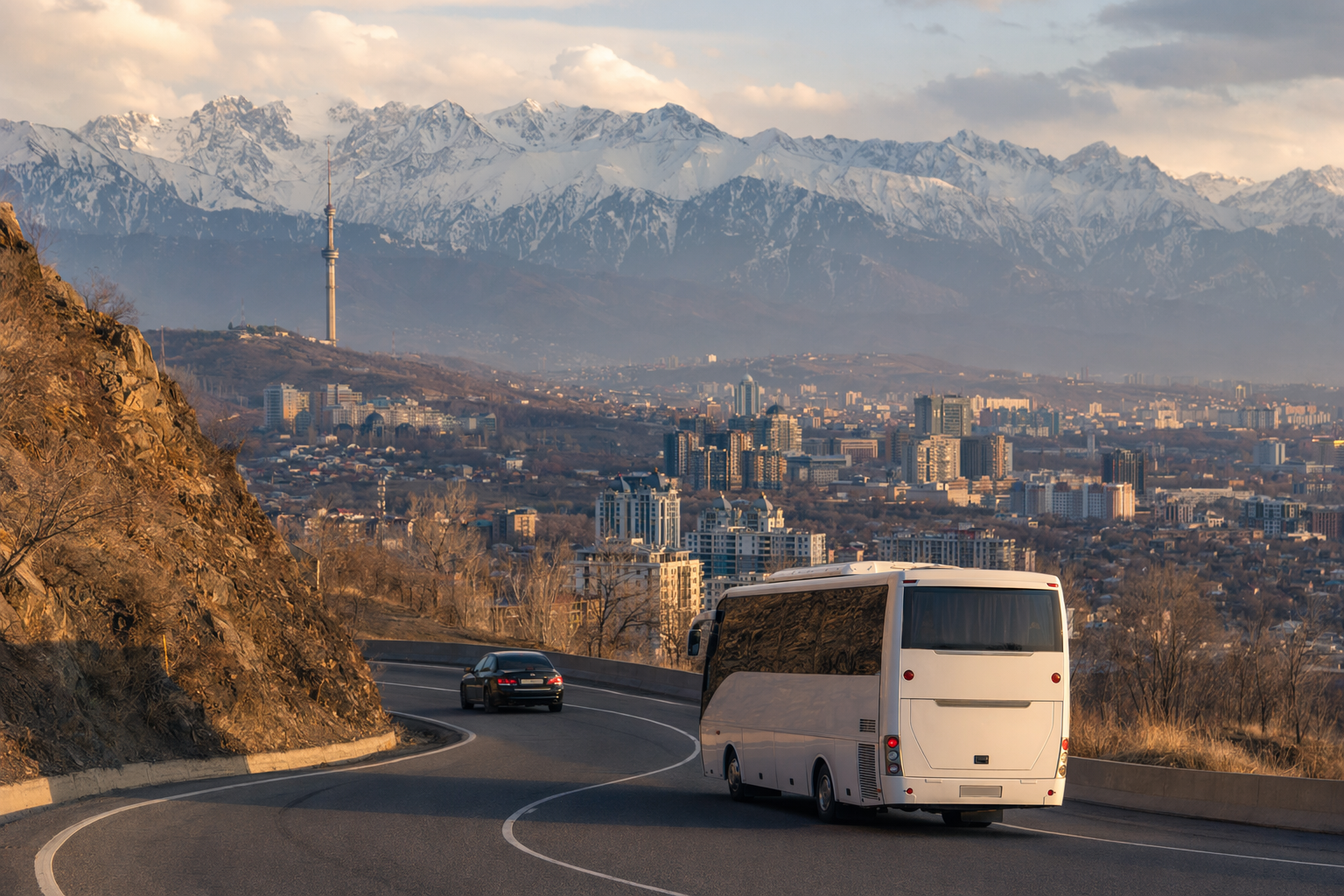
#If you are going from Bishkek to Almaty, don’t overthink it too much. For most Indian travellers, the best option is the shared taxi or bus, depending on your budget and how much patience you have at the border. Flight sounds fancy and clean on paper, but for this route it is often not worth the airport hassle unless you get a really good schedule or you are connecting onward. Bishkek and Almaty are only around 235 km apart by road, which is basically Delhi to Jaipur vibes, except with snow mountains, passport stamps, and one very serious land border in between.
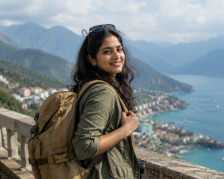
I did this route overland, and honestly, it felt like one of those travel days where half the experience is not the destination but the small things. The driver stopping for tea. The auntie in the next seat offering bread. The border officer looking at my Indian passport for two extra seconds and me suddenly forgetting how to stand normally. That kind of day. But it is manageable, safe enough if you use common sense, and actually quite scenic once the mountains start appearing around you.
Bishkek to Almaty route in simple words
#The usual road route is Bishkek to the Ak-Jol border on the Kyrgyz side, then Korday on the Kazakhstan side, and finally onwards to Almaty. Most buses, marshrutkas, and taxis follow this crossing because it is the main one used by travellers. On a good day, the journey can be around 4 to 5 hours. On a slow day, especially if the border is crowded, it can stretch to 6 or even 7 hours. Border timing is the big wildcard here, not the distance.
For Indians, one important thing: Kazakhstan has had visa-free entry for Indian passport holders since 2022, usually up to 14 days per visit with a total limit in a 180-day period. Kyrgyzstan normally requires an e-visa for Indian citizens unless you have some other qualifying visa or permit, so please check the latest official rules before booking anything. Rules can change quietly, and Central Asia is not the place where you want to be arguing at immigration with half network on your phone.
Bus, shared taxi, private taxi, or flight: quick comparison
#| Option | Typical travel time | Rough cost range | Best for | My honest feeling |
|---|---|---|---|---|
| Bus or marshrutka | 5 to 7 hours depending on border | Usually the cheapest, often around 600 to 1,200 KGS range, but check locally | Budget travellers, backpackers, solo travellers | Good value, slightly tiring, but totally doable |
| Shared taxi | 4 to 6 hours depending on border | Often around 1,500 to 3,000 KGS per seat depending on season and bargaining | Travellers who want faster and more flexible travel | My favourite balance of cost and comfort |
| Private taxi | 4 to 6 hours | Can be much higher, sometimes 8,000 to 15,000 KGS or more for the car | Families, groups, people with heavy luggage | Comfortable but bargain properly |
| Flight | Around 1 hour flying time, but airport time adds a lot | Can vary widely, often much more than road travel | Business travellers or people connecting onward | Only worth it if timing and price are genuinely good |
Prices in Kyrgyzstan and Kazakhstan move around with fuel costs, season, and frankly sometimes with your face also. I mean if you look confused near the taxi stand, somebody will try a tourist price. Not always in a bad way, but it happens. Indians are used to this only, so do normal bargaining, smile, and don’t act desperate. Also keep small cash in Kyrgyz som and some Kazakh tenge if possible. Cards work in cities, but at bus stands and roadside stops, cash is still king.
Taking the bus from Bishkek to Almaty
#The bus or marshrutka is the cheapest and most straightforward option. In Bishkek, you usually start from the Western Bus Station, often called Zapadny Avtovokzal. It is not glamorous. Think more like an old intercity bus stand in India, just colder, cleaner in some corners, and with signboards you may or may not understand. You can ask for “Almaty” and people will point you somewhere. I found that part surprisingly easy because Central Asian people may not smile loudly like us, but they do help.
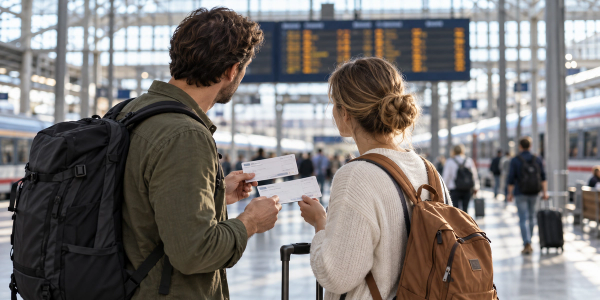
The bus will take you to the border, then everyone gets down with bags, completes exit formalities from Kyrgyzstan, walks or moves through the crossing, enters Kazakhstan, and then gets back into the same vehicle or sometimes a different one depending on operator. Keep your passport, visa papers, hotel booking, and return or onward ticket handy. Don’t pack documents deep inside your suitcase like I almost did, because then you become that person opening everything while people stare. Not fun.
Comfort wise, bus is okay. Not luxury Volvo type. More like functional. Seats can be narrow, AC or heating depends on the vehicle, and luggage space may be chaotic. If you are carrying one cabin bag and one small backpack, life is easier. Actually for short regional travel like this, choosing the right smaller bag matters a lot, and this Underseat Bag vs Personal Item Backpack: Best Pick guide is useful if you’re confused between a backpack and compact underseat bag. I personally prefer backpack here because border walking with a suitcase feels dramatic for no reason.
Shared taxi: the most desi-jugaad but practical option
#Shared taxi is probably the most popular choice among travellers who don’t want the slow bus but also don’t want to pay private taxi rates. You pay for one seat in a car going to Almaty. The car leaves when full. This is very familiar to Indians, no? Like shared Sumo in Himachal or those station taxis where driver says “bas do passenger aur” for 40 minutes. Same energy, different mountains.
You can usually find shared taxis near Bishkek’s bus station or through guesthouses and local contacts. Some drivers may drop you at Almaty’s Sayran Bus Station or another agreed point. Confirm before sitting. Confirm again. And then maybe confirm once more, because language gap can create comedy. I used Google Translate, hand gestures, and the universal Indian eyebrow raise. Worked fine.
The biggest advantage of shared taxi is speed. Drivers know the route, they know the border rhythm, and they don’t stop as much as buses. But comfort depends entirely on the car and who sits next to you. If you get middle seat in the back with two large uncles wearing winter jackets, then bhai, prepare mentally. A small neck pillow helps more than you think, especially when the road gets boring after the border. If you are the type who sleeps in vehicles, check this Travel Pillow Buying Guide: Foam vs Inflatable vs Wrap before a Central Asia trip. I used to laugh at travel pillows, now I don’t.
Private taxi: comfortable, but don’t be lazy with the price
#Private taxi makes sense if you are travelling as a couple with lots of luggage, or a group of 3 to 4 people. You can leave when you want, stop for photos or toilet breaks, and avoid waiting for the shared taxi to fill up. For Indian families, especially with parents, this might be the least stressful option. My only warning is don’t book the first guy who approaches you unless you already know the fair rate from your hotel or hostel.
Ask your accommodation in Bishkek to arrange a trusted driver or at least tell you the going price. Some hotels have drivers they use regularly. It may cost a bit more than street bargaining, but the peace of mind is worth it. Also check whether the driver can cross into Kazakhstan and take you all the way to Almaty, or whether you need to switch cars after the border. This small detail matters. I met one traveller who assumed “taxi to Almaty” meant door-to-door, but it became taxi to border, walk, then another taxi. He was not smiling after that.
Flying from Bishkek to Almaty: sounds easy, but is it?
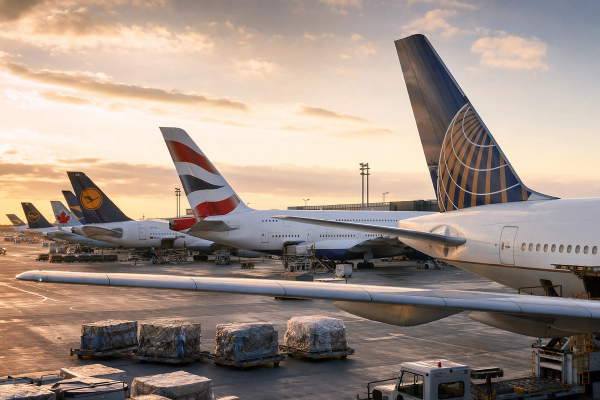
#Technically, flying is the fastest if you count only time in the air. The actual flight can be around an hour when direct services are operating. But once you add getting to Manas Airport from Bishkek, waiting, security, immigration, baggage, then getting from Almaty airport to the city, it stops feeling so quick. Also direct flights on this short route may not run daily or may change by season and airline schedule, so always check current availability before building your plan around it.
Flight is good if you hate road borders, have a tight onward connection, or you got some cheap fare that makes sense. For everyone else, overland is more interesting and cheaper. Plus, you miss that strange satisfaction of crossing a land border. I don’t know why, but getting a passport stamp after walking across with your bag feels more adventurous than airport immigration. Maybe because it feels old-school, like proper Silk Road travel, even if you’re just standing behind a guy carrying three plastic bags of snacks.
What the border crossing actually feels like
#The Ak-Jol and Korday crossing is not scary, but it is a proper border, so don’t be casual. Keep your passport safe. Don’t take photos inside immigration areas. Don’t joke with officers. Indians sometimes smile and over-explain when nervous, but here simple answers are best. Where are you going? Almaty. Tourism. How many days? Tell clearly. Hotel? Show booking if asked. That’s it.
My crossing was smooth, but it took time because there were families, local traders, students, and buses lined up. At one point I was standing with my backpack, snow-ish wind hitting my face, and I thought, why didn’t I just go Goa? Then five minutes later, I saw the open road into Kazakhstan and felt very filmi. Travel does this nonsense to your brain. You suffer and then immediately romanticise it.
- Keep passport, Kyrgyz visa, Kazakhstan entry proof if needed, hotel booking, and travel insurance PDF offline on your phone.
- Carry some snacks and water, but don’t bring complicated food items across borders. Simple packed snacks are fine.
- Use the toilet before leaving Bishkek if you are picky. Border toilets can be, umm, unpredictable.
- If your driver tells you to return quickly after immigration, listen. Vehicles may be waiting in a different lane.
Safety, scams, and the Indian traveller angle
#Both Bishkek and Almaty felt reasonably safe to me as an Indian traveller, including walking in central areas during evening. But I wouldn’t be careless. Petty theft can happen around bus stations, bazaars, and crowded transport areas. Taxi overcharging is more common than serious crime. At night, use app taxis inside the cities where possible. In Almaty, Yandex Go is commonly used. In Bishkek also ride-hailing apps are popular, though availability and payment options can vary.
Language is the main challenge. Russian is widely used, Kyrgyz in Kyrgyzstan, Kazakh in Kazakhstan, and English is limited outside tourist hotels and cafes. But Indians are good at adjusting. Download offline Russian phrases, keep hotel address written in Cyrillic if possible, and don’t depend on airport-style English everywhere. Also, vegetarian food can be tricky on the road. Central Asian food is meat-heavy. If you are pure veg, carry backup snacks like thepla, khakhra, protein bars, or at least peanuts. Trust me, one roadside menu full of horse meat and lamb can humble you fast.
Where to stay before and after the journey
#In Bishkek, I’d suggest staying near the city centre, around Ala-Too Square, Chuy Avenue, or areas with easy taxi access to the Western Bus Station. Hostels are often around 8 to 15 USD per night for dorms, budget hotels around 25 to 45 USD, and nicer midrange places around 50 to 90 USD depending on season. Bishkek is underrated honestly. It has wide Soviet-style streets, leafy parks, good coffee, and Osh Bazaar if you like chaotic market energy.
In Almaty, prices are a bit higher because the city is more polished and popular. Dorm beds can be around 10 to 20 USD, budget hotel rooms around 30 to 60 USD, and comfortable midrange stays can go 70 to 130 USD or more. Stay near Dostyk Avenue, Panfilov Park, Abay area, or close to metro lines if you want easy movement. Almaty has that big-city confidence. Bishkek feels relaxed and slightly sleepy, Almaty feels like it has plans, brunch reservations, and a gym membership.
Best time to travel from Bishkek to Almaty
#The easiest months for this road trip are usually May to June and September to October. Weather is pleasant, roads are manageable, and the mountain views are beautiful. Summer, especially July and August, can be hot in the cities but great if you are heading to lakes and mountains after. Winter is magical if you like snow, but road conditions and border delays can be more annoying. Almaty is famous for nearby skiing at Shymbulak, so winter has its own charm, but pack properly. Not Delhi-winter properly. Actual winter properly.
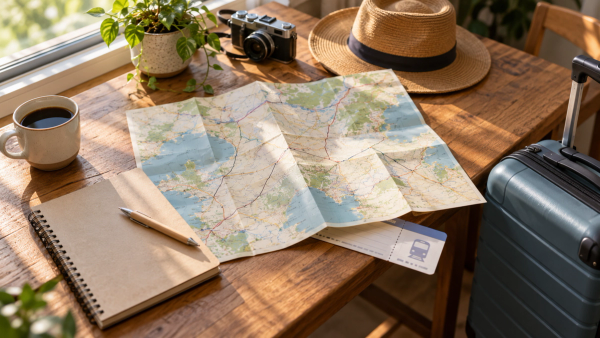
Spring can be moody with rain, and late autumn can suddenly become cold. If you are doing this route as part of a bigger Central Asia or Caucasus style trip, build buffer days. Overland travel looks simple on map but one delayed border, one full taxi, one random weather issue and your perfect Excel sheet becomes chutney. This is also why I like comparing city-to-city travel styles before choosing a region. If you’re planning beyond Central Asia someday, this Baku vs Tbilisi: Best First Caucasus City Trip comparison has that same practical overland-trip energy.
Food stops, chai scenes, and what to eat
#On the road itself, don’t expect gourmet. You may get tea, bread, samsa, instant coffee, soft drinks, and simple hot food depending where your driver stops. Samsa is like a Central Asian cousin of samosa, usually meat-filled, baked, flaky, and dangerous because you tell yourself one is enough and then it isn’t. Lagman, plov, manty, and shashlik are common dishes in both Kyrgyzstan and Kazakhstan. For Indians who eat non-veg, it’s easy. For vegetarians, you need to ask clearly: “bez myasa” means without meat in Russian, but broth may still be meat-based, so be careful.
In Bishkek, I liked the simple cafe culture. Good coffee, fresh bread, Korean salads in markets, and surprisingly nice desserts. In Almaty, food options become more international. You’ll find Georgian, Uzbek, Korean, Turkish, and even Indian restaurants. Almaty also has a cafe scene that feels very Mumbai-Bandra-meets-mountains, if that makes any sense. Stylish people, expensive cappuccino, and snow peaks casually sitting in the background like no big deal.
What to do in Bishkek before leaving
#Don’t treat Bishkek as only a transit city. Give it at least one full day if you can. Walk around Ala-Too Square, see the parks, visit Osh Bazaar, and if weather allows, take a half-day trip to Ala-Archa National Park. Ala-Archa is close enough for a quick mountain escape and it gives you that first taste of Kyrgyzstan’s dramatic landscape. Burana Tower is another good side trip if you like history and old Silk Road remains, though it takes more planning.
Bishkek is not a city that screams for attention. It grows on you quietly. The pavements are wide, the pace is slow, and people mind their own business. As an Indian, after coming from our constant honking and crowd pressure, I found that silence very strange at first. Then I started enjoying it. You can sit in a park and actually hear leaves. Imagine.
What to do in Almaty after arriving
#Almaty is the reward at the end of this road trip. Start with Panfilov Park and Zenkov Cathedral, then Green Bazaar for dry fruits, nuts, spices, and people-watching. Kok Tobe is touristy but fun for the city view. If you have more time, go to Medeu and Shymbulak for mountain air. Even if you don’t ski, the cable car ride and scenery are worth it. For day trips, Charyn Canyon, Kolsai Lakes, and Kaindy Lake are popular, though they need long drives or overnight planning.
One thing I loved about Almaty is how quickly the city changes mood. Morning coffee in a fancy cafe, afternoon in a Soviet-style market, evening looking at mountains turning pink. It feels richer and more cosmopolitan than Bishkek, but also more expensive. If Bishkek is a slow Sunday, Almaty is a Saturday evening where everyone dressed well and you didn’t get the memo.
My final verdict: what should you choose?
#Choose the bus if your budget is tight and you don’t mind a longer, slightly rougher travel day. Choose shared taxi if you want the best mix of price, speed, and real local experience. Choose private taxi if you’re with family, carrying big bags, or just want less stress. Choose flight only if the schedule is convenient, the fare is sensible, or you really don’t want to deal with a land border.
If I had to do Bishkek to Almaty again, I’d still pick shared taxi. It had enough comfort, enough chaos, and enough story. The route is not difficult, but it rewards travellers who are prepared: documents ready, cash sorted, luggage light, snacks packed, and expectations flexible. That last one is most important. Central Asia doesn’t always move according to your plan, but it usually gives you something better than the plan. A random conversation, a mountain view, a hot cup of tea at the exact right moment.
Bishkek to Almaty is not just a transfer between two cities. It’s a small, dusty, beautiful introduction to how Central Asia actually feels on the ground.
So yeah, don’t be scared of the road. Be alert, be patient, and keep your passport where your hand can reach it without unpacking your whole life. And if you’re planning more trips like this, I keep finding useful, real-world travel ideas on AllBlogs.in, especially when I’m in that dangerous mood of opening maps and thinking “bas yeh route bhi kar lete hain.”