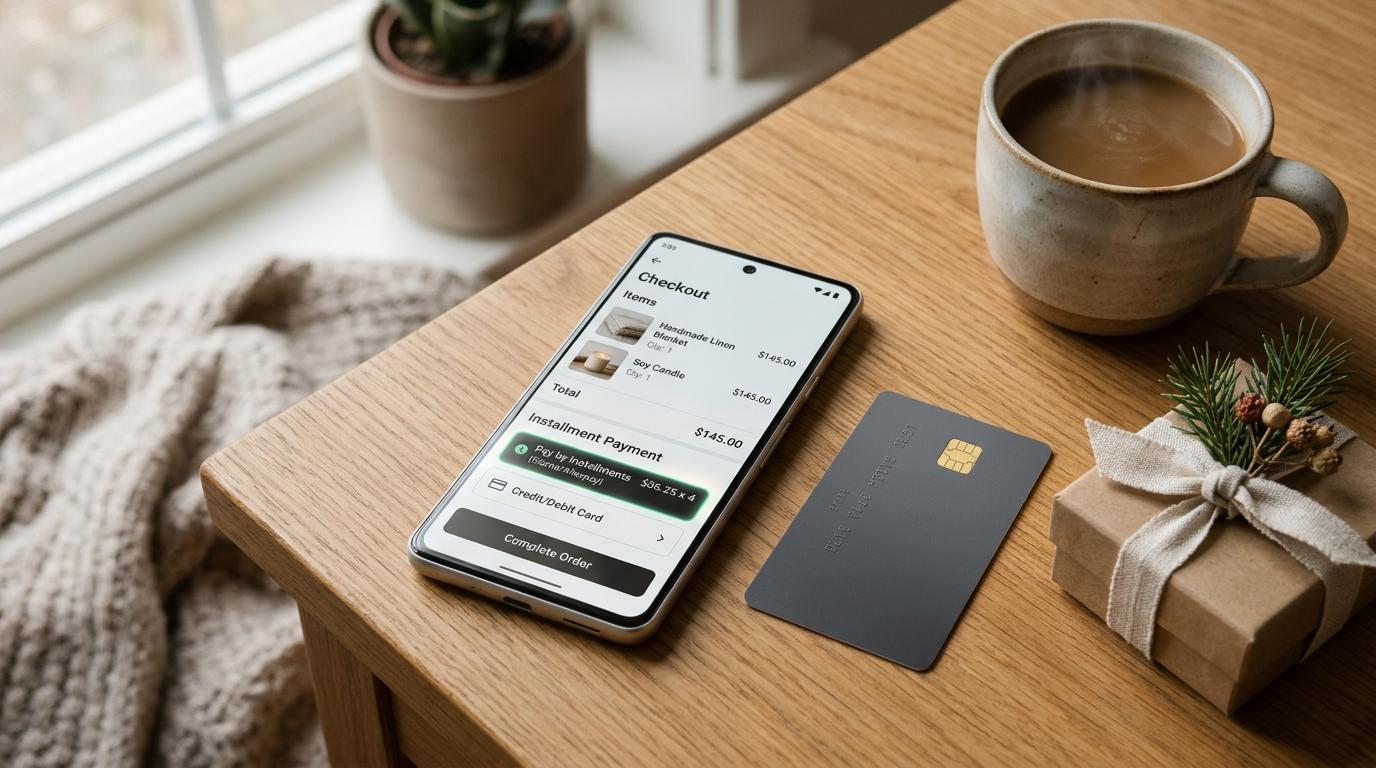
Splitting an $80 jacket into four fortnightly payments of $20 feels like a painless bargain at checkout. But when you repeat that friction-free click across six different stores using three different apps, you quietly accumulate a wall of debt that hits your bank account all at once.
This phenomenon is known as "loan stacking"—and it has become one of the fastest ways holiday shoppers wreck their personal finances. Buy Now Pay Later (BNPL) services market themselves as budgeting tools, but their primary purpose is lowering your psychological resistance to spending money you have not yet earned.
Here is an honest look at how BNPL stacking blindsides your bank account, why the math turns dangerous so quickly, and the exact steps to audit and eliminate your scattered payments before they trigger overdraft fees.
Why Four Payments of $25 Feel Like Free Money
#Fintech checkout apps exploit a well-documented cognitive bias called mental accounting. When you see a $100 price tag, your brain evaluates whether you have $100 to part with today. When the button promises "4 interest-free payments of $25," your brain only evaluates the $25 commitment.
The initial friction of spending drops to near zero. Because each individual transaction feels trivial, shoppers easily justify adding impulse items they would normally skip.
The danger intensifies because installment dates are bi-weekly rather than monthly. Unlike your rent, car note, or phone bill—which arrive on predictable monthly cycles aligned with paydays—BNPL plans run on staggered 14-day clocks tied to the day you clicked "buy." Within a single month, your calendar fills with irregular micro-debits that make basic cash-flow forecasting nearly impossible.
The Mechanics of Loan Stacking Across Multiple Apps
#Loan stacking happens when a consumer maintains multiple concurrent installment plans across different providers like Klarna, Afterpay, Affirm, and PayPal Pay in 4.
Traditional lenders review your credit report to verify your existing debt load before extending new lines of credit. If you already carry high credit card balances, a bank will limit further borrowing to protect both parties.
BNPL platforms operate differently. Because they rely heavily on soft credit inquiries or internal proprietary algorithms, one app has zero visibility into what you owe on another. You can borrow $300 across four orders on one platform in the morning, and borrow another $400 on a competitor's app that afternoon. The lack of centralized reporting allows consumers to overextend their real income without receiving a single warning flag.
The Compounding Dangers: Overdraft Fees and Phantom Debt
#The most destructive consequence of BNPL stacking is not the installments themselves—it is how they interact with your checking account.
- The Payday Timing Trap: If four separate $30 debits hit your bank account on Tuesday, but your paycheck does not deposit until Friday morning, your checking balance drops below zero.
- Cascading Bank Overdraft Fees: Most banks charge roughly $30 to $35 for an overdraft transaction. A single missed $25 micro-payment can instantly cost you more in bank penalties than the original installment itself.
- Multiple Platform Late Fees: If an auto-debit fails, the BNPL provider often charges its own late fee (typically $7 to $10) and attempts to re-debit your account 48 hours later, creating a vicious cycle of compounded charges.
- Phantom Debt Blindness: Because these balances do not appear on standard banking dashboards or credit card statements, people assume they are living within their means until their card gets declined at the grocery checkout.
Step-by-Step: How to Run a 30-Minute BNPL Audit
#If you suspect you have lost track of your installment commitments, you need to conduct a complete audit today. Do not guess your balance from memory.
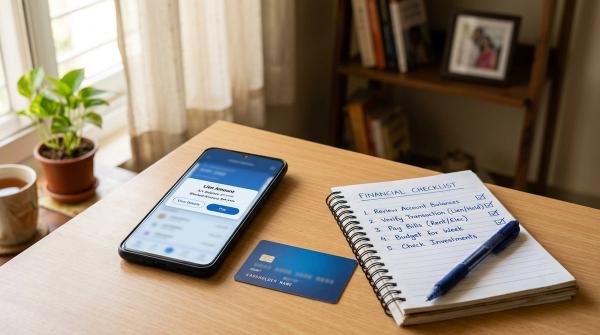
- Check Your Digital Paper Trail: Open your primary email inbox and search for confirmation terms like "Your installment schedule," "Klarna order," "Afterpay payment," or "Affirm confirmation." Flag every order placed within the past 60 days.
- Log Into Every Provider App: Install or open each BNPL app on your phone. Go directly to the "Purchases" or "Active Orders" tab. Do not rely on email receipts alone, as returns or rescheduled payments alter the schedule.
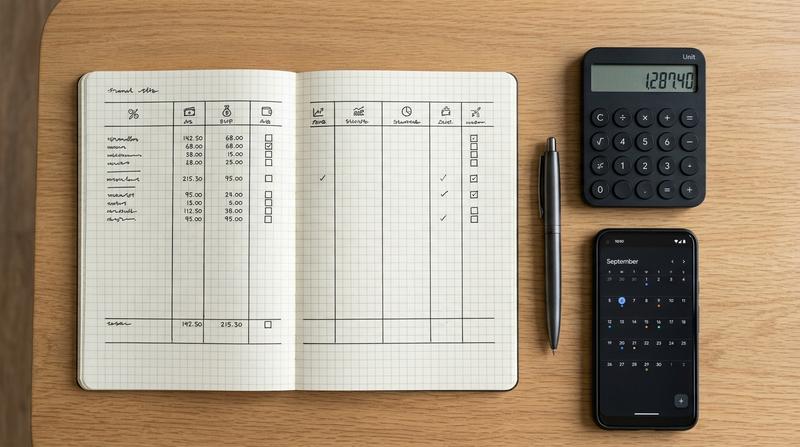
- Centralize Into a Master List: Open a simple spreadsheet or blank sheet of paper and list five key data points for every active order: Merchant Name, App Provider, Remaining Total Balance, Next Payment Amount, and Next Due Date.
- Sync Dates to Your Bank Calendar: Plot every upcoming due date directly onto your phone calendar or budgeting app alongside your confirmed paycheck deposit dates. This immediately highlights days where debits risk exceeding your liquid cash balance.
Action Plan: Freezing New Purchases and Snowballing Repayments
#Once you see your full financial obligation, take decisive steps to clear the board and prevent future stacking.
- Delete Stored Checkout Profiles: Remove your debit card from every BNPL app. Delete the apps from your phone or turn off one-click checkout permissions in your mobile browser. Adding friction back to checkout stops the cycle cold.
- Use the Micro-Debt Snowball: If you have multiple small orders remaining (such as an $18 balance on books, a $35 balance on cosmetics, and a $140 balance on winter boots), use available cash to pay off the smallest balances immediately. Eliminating accounts reduces the total number of auto-debits pinging your checking account each week.
- Request a Due-Date Shift: If you anticipate an auto-debit hitting before your next paycheck, log into the specific provider app and request a payment reschedule. Most platforms allow you to push a due date back by 7 to 14 days without penalty if requested before the debit triggers.
Credit Cards vs BNPL Stacking: Understanding the Trade-Offs
#Both credit cards and BNPL installment loans represent borrowed money, but their structure creates very different consumer behavior.
| Feature | Single Credit Card | BNPL Stacking Across Apps |
|---|---|---|
| Due Dates | Single predictable monthly date | Multiple unpredictable bi-weekly dates |
| Total Balance Visibility | Consolidated on one monthly statement | Scattered across isolated individual apps |
| Spending Friction | High psychological awareness of total balance | Artificially low due to split micro-payments |
| Interest Rates | High ongoing APR if not paid in full | 0% if on time, but high late and overdraft fees |
| Credit Reporting | Reports on-time payments and utilization | Rarely reports positive history; reports defaults |
Common BNPL Tracking Mistakes and Immediate Fixes
#Managing multiple micro-loans requires proactive habits. Avoid these common missteps:
- Mistake 1: Linking a Debit Card With Low Checking Buffers: If your checking account balance regularly dips below $100 before payday, an auto-debit will eventually trigger an overdraft. Fix: Maintain a dedicated $150 minimum cash cushion strictly reserved for pending debits.
- Mistake 2: Assuming Returns Cancel Debits Automatically: When you return an item to a retailer, processing can take one to two weeks. The BNPL provider will continue auto-debiting scheduled installments until the merchant confirms the return. Fix: Log into the BNPL app and select "Report a Return" to temporarily pause upcoming payments while the refund processes.
- Mistake 3: Rolling Debits Onto a High-Interest Credit Card: Setting your BNPL auto-pay to a credit card avoids checking overdrafts, but if you do not pay off the credit card balance immediately, you convert a zero-interest micro-loan into high-interest revolving credit. Fix: Only make payments from liquid earned income.