Brazil gets tied to caipirinhas in just about every travel guide, but drinking alcohol is absolutely not required to enjoy the country’s drink culture.
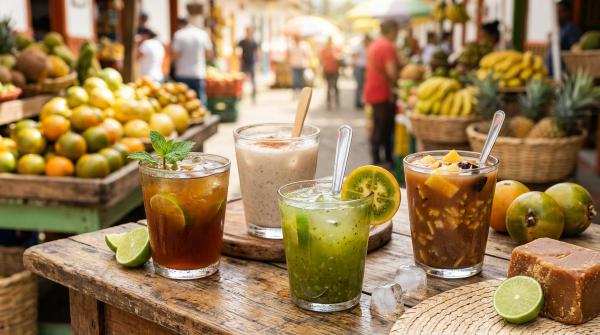
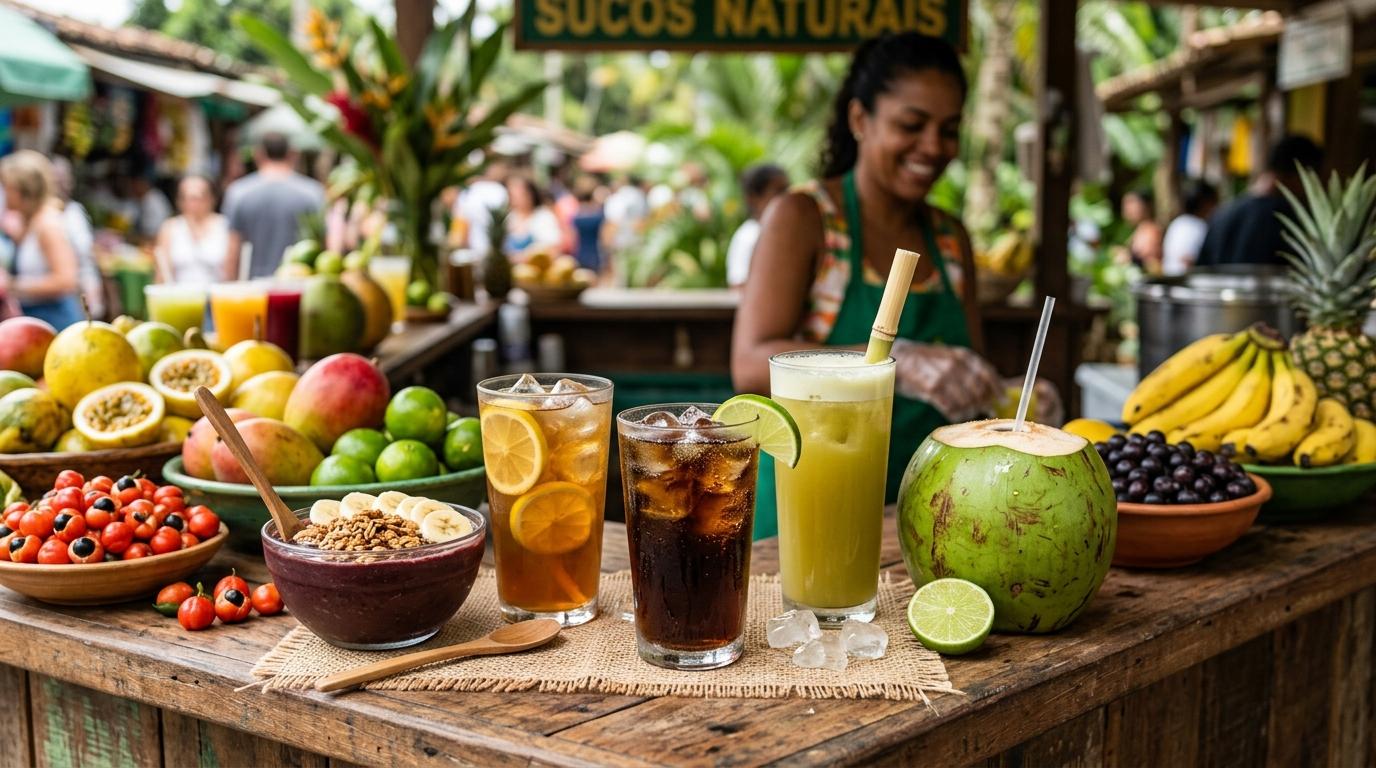
In fact, some of the best things to sip in Brazil have no alcohol at all. They’re sold at beaches, street markets, juice bars, bakeries, snack counters, restaurants, roadside stalls, and tiny neighborhood cafés. Some are fizzy and sweet. Some are earthy, creamy, tart, icy, caffeinated, or straight-up refreshing when the heat is doing too much.
If you don’t drink, you won’t be stuck ordering water all day. You just need to know a few names.
Here’s what to try, what each drink tastes like, when to order it, and a few practical tips around sugar, caffeine, ice, and street-stall hygiene.
Quick answer: what to drink in Brazil without alcohol
#If you only remember a handful of Brazilian non-alcoholic drinks, start with these:
- Guaraná soda: Brazil’s classic fizzy soft drink, made with guaraná. Sweet, lightly fruity, and caffeinated.
- Guaraná juice or guaraná-based drinks: Less common than soda, but you may see them in juice bars or blended into açaí.
- Caldo de cana, also called garapa: Fresh sugarcane juice pressed at street stalls and markets.
- Açaí juice and smoothies: Thick purple drinks made with açaí pulp, often blended with fruit, milk, water, or guaraná syrup.
- Brazilian mate: This could mean hot chimarrão in the south or sweet iced mate in coastal cities.
- Cajuína: A golden, non-alcoholic drink made from cashew apples. Light, fruity, and a little tart.
- Água de coco: Coconut water served straight from a green coconut.
- Vitaminas: Brazilian-style fruit smoothies, usually made with milk, fruit, and sugar.
- Fresh juices, or sucos: Made with fruits like lime, passion fruit, pineapple, mango, papaya, cashew fruit, acerola, and guava.
The very short version: order guaraná soda with lunch, água de coco at the beach, caldo de cana at a busy market, açaí when you want something filling, and iced mate when you want a cold caffeine boost.
Guaraná: Brazil’s favorite fizzy pick-me-up
#Guaraná is one of the easiest Brazilian drinks for non-drinkers to find. It comes from a plant native to the Amazon, but most people in Brazil know it best as a soft drink.
Guaraná soda
#Guaraná soda is sweet, fizzy, and gently fruity. The flavor is hard to describe if you haven’t had it before. Some visitors compare it to ginger ale, apple cider, or a mild berry soda, but none of those are quite right. Guaraná tastes like guaraná.
It’s an easy order when you want something familiar enough to be comfortable, but still local. It also goes really well with salty snacks and casual food.
Order guaraná soda when:
- You want a simple alcohol-free drink at a restaurant or bar.
- You want something fizzy but Brazilian.
- You’re eating coxinha, pastéis, pão de queijo, sandwiches, or grilled food.
- You don’t mind a sweet drink.
Good to know: guaraná contains caffeine, and the soda is usually quite sweet. If caffeine keeps you awake, maybe don’t make it your late-night drink.
Guaraná juice and guaraná-based drinks
#Soda is the most common form, but guaraná also shows up in juices, syrups, energy-style drinks, and smoothies. Açaí shops often use guaraná syrup to sweeten açaí and help it blend smoothly.
If you see a guaraná juice or “natural” guaraná drink, ask whether it’s sweetened. It may still contain both sugar and caffeine.
Useful phrases:
- Sem açúcar — without sugar
- Pouco açúcar — a little sugar
- Tem cafeína? — does it have caffeine?
Caldo de cana: fresh sugarcane juice from the stall
#Caldo de cana, also called garapa, is fresh sugarcane juice. Vendors run sugarcane stalks through a press and serve the juice right away, often over ice.
It’s one of those drinks that feels especially Brazilian when you’re standing at a market stall with something salty in your other hand.
What caldo de cana tastes like
#Caldo de cana is sweet, but not in the same way soda is sweet. It tastes fresh, grassy, and very sugary. When it’s cold, it can be incredibly refreshing, especially on a hot day.
Order caldo de cana when:
- You’re at a busy street market.
- You want something freshly pressed.
- You’re eating a salty snack.
- You want a quick sugar hit that isn’t soda.
Caldo de cana safety tips
#Because caldo de cana is usually made at street stalls, it’s worth taking a quick look before ordering.
Look for:
- A clean-looking pressing machine.
- Fresh sugarcane that doesn’t look dried out or dirty.
- A vendor who handles cups, money, and cane with reasonable care.
- A busy stall, since high turnover usually means fresher juice.
- Ice that looks commercially made, especially in cities or tourist areas.
If you’re somewhere rural, or you have a sensitive stomach, you can ask for it without ice.
Say:
- Sem gelo — without ice
That won’t remove every possible risk, but it’s a sensible habit when you’re unsure.
Açaí juice and smoothies: thick, purple, and filling
#Açaí is famous around the world now, mostly because of açaí bowls. In Brazil, you’ll also find it as a drink, smoothie, or thick blended cup.
It’s usually made from frozen açaí pulp and mixed with water, milk, fruit, syrup, or other ingredients depending on the shop.
What açaí tastes like
#Açaí has a deep, earthy berry flavor. It’s rich and purple, but it isn’t always as bright or sweet as people expect. Sometimes it tastes almost plain and slightly earthy. Other times it’s very sweet, especially when blended with guaraná syrup.
Açaí juice vs açaí smoothie
#The exact terms can vary from place to place, but in general:
- Açaí juice is thinner and easier to drink.
- Açaí smoothie is thicker, colder, and more filling.
- Açaí with guaraná syrup is sweeter and smoother.
- Açaí with fruit may include banana, strawberry, mango, or other fruits.
Order açaí when:
- You want something more filling than juice.
- You’re replacing a light snack.
- You like earthy fruit flavors.
- You don’t mind a thicker texture.
Sugar tip for açaí
#Açaí is often sweetened quite a bit. Guaraná syrup is common, and some shops use pulp that’s already sweetened.
Useful phrases:
- Sem xarope — without syrup
- Sem açúcar — without sugar
- Pouco açúcar — a little sugar
If you want the most natural version, ask what’s already mixed into it. Sometimes sem açúcar only means they won’t add extra sugar, not that the base is unsweetened.
Brazilian mate: hot, iced, social, beachy
#Brazilian mate can mean different things depending on where you are. It’s made from yerba mate and contains caffeine, but the style changes a lot by region.
Chimarrão
#Chimarrão is the traditional hot version, strongly associated with southern Brazil. It’s made with yerba mate and hot water, served in a gourd, and sipped through a metal straw called a bomba.
The taste is grassy, herbal, and sometimes bitter. It’s also a social drink. People often share chimarrão, so if someone offers it to you, just watch what locals do and follow their lead.
Try chimarrão when:
- You’re in southern Brazil.
- You enjoy herbal or bitter drinks.
- You want something hot and caffeinated.
- You’re comfortable with a shared drink ritual.
Good to know: chimarrão has caffeine. If coffee keeps you awake, this might too.
Iced mate
#In places like Rio, you’re more likely to come across cold mate. It’s usually iced, often sweetened, and sometimes served with lime, especially at the beach.
Iced mate is refreshing, slightly tannic, and usually sweeter than chimarrão. It’s a good choice when you want something lighter than soda but more interesting than plain water.
Order iced mate when:
- You want a cold caffeine boost.
- You’re at the beach.
- You like iced tea.
- You want something less creamy than a smoothie.
Good to know: iced mate can be sweet. If you prefer less sugar, ask whether they have an unsweetened version.
Cajuína: golden cashew apple refreshment
#Cajuína is a non-alcoholic drink made from cashew apples. It’s clarified, golden, and refreshing, with a flavor that can be lightly tart, floral, and fruity.
Cashew apple is not the same as the cashew nut. It’s the fruit attached to the nut, and it has its own bright, slightly tangy flavor. Cajuína is a great drink to try when you want something a little different from soda or regular juice.
Order cajuína when:
- You want a non-carbonated drink.
- You like tart or floral fruit flavors.
- You see it bottled or offered locally.
- You want something unusual but easy to drink.
Like many Brazilian drinks, cajuína can be sweet, depending on how it’s made.
Água de coco: coconut water straight from the shell
#Água de coco, or coconut water, is one of the best alcohol-free drinks for hot days in Brazil. It’s often served from a green coconut that’s opened right in front of you.
The flavor is mild, lightly sweet, and refreshing. It’s not as intense as fruit juice, which makes it a good choice when you want hydration without feeling like you just drank dessert.
Order coconut water when:
- You’re at the beach.
- You want something simple and refreshing.
- You’re avoiding fizzy drinks.
- You want a drink opened in front of you.
Fresh coconut water is nice because the water stays sealed inside the coconut until it’s cut open. Still, it’s worth glancing at the vendor’s tools and handling, especially at street stands.
Vitaminas: Brazilian fruit smoothies
#A vitamina is a Brazilian-style smoothie, usually made with fruit, milk, and sugar. Common fruits include banana, papaya, avocado, and mango, though every juice bar has its own menu.
Vitaminas are thicker and more filling than regular juice. They’re great for breakfast or a snack, but they’re probably not what you want alongside a huge meal.
What vitaminas taste like
#Vitaminas are creamy, sweet, and fruit-forward. Banana makes them thick. Papaya gives a soft tropical flavor. Avocado, which is often used in sweet drinks in Brazil, makes the drink rich and smooth.
Order a vitamina when:
- You want a breakfast drink.
- You need something filling.
- You like milk-based smoothies.
- You’re not looking for something light or fizzy.
Good to know: sugar is often added. If you want the fruit to do the work, say sem açúcar.
If you don’t drink milk, ask what the drink is blended with before ordering. Some places may be able to make a water-based juice instead.
Fresh juices: the easiest everyday order
#Fresh fruit juices, or sucos, are everywhere in Brazil. For non-drinkers, they’re one of the easiest things to order because there’s usually a flavor for every mood.
Depending on where you are, you may see juices made from:
- Lime — limão
- Passion fruit — maracujá
- Pineapple — abacaxi
- Mango — manga
- Papaya — mamão
- Cashew fruit — caju
- Orange — laranja
- Acerola
- Guava — goiaba
Some juices are made with water, some with milk, and some can be made either way.
How to choose a fresh juice
#For something sharp and refreshing, try lime or passion fruit. For something sweeter and smoother, go with mango, papaya, or guava. If you want a flavor you may not find often outside Brazil, try cashew fruit juice when you see it.
Useful ordering phrases:
- Suco natural — fresh juice
- Com água — with water
- Com leite — with milk
- Sem açúcar — without sugar
- Pouco açúcar — a little sugar
- Sem gelo — without ice
In many places, sugar is added by default or offered automatically. If you don’t want it, say so when you order.
Ordering and hygiene tips for travelers
#Most travelers can enjoy Brazilian non-alcoholic drinks without worrying too much. Still, a few small habits help, especially with street drinks, ice, and sugar.
1. Ask about sugar before the drink is made
#Brazilian drinks can be sweet. That includes juices, açaí, mate, vitaminas, and of course guaraná soda.
Say:
- Sem açúcar — without sugar
- Pouco açúcar — a little sugar
- Separado — on the side
2. Be thoughtful with ice
#In restaurants, hotels, and busy city kiosks, ice is usually less of a concern. At informal stalls, rural stops, or places that look uncertain, it’s reasonable to be more careful.
Say:
- Sem gelo — without ice
You can also choose sealed bottled drinks, hot drinks, or coconut water opened in front of you.
3. Watch the stall for a moment
#For caldo de cana, juices, and smoothies, take a quick look before ordering.
Ask yourself:
- Are the cups clean?
- Is the machine clean?
- Is the fruit stored reasonably?
- Is the vendor busy enough that ingredients are moving quickly?
- Is the same hand handling money and food with no care at all?
You don’t need to be paranoid. Just pause for a second and pick the stall that looks clean, active, and well run.
4. Remember that “natural” does not always mean unsweetened
#A suco natural can still have sugar. Açaí can still contain syrup. Mate can be heavily sweetened. If sugar matters to you, ask before they make it.
5. Keep caffeine in mind
#Guaraná and mate both contain caffeine. Açaí may also be blended with guaraná syrup. If you’re sensitive to caffeine, choose coconut water, cajuína, or a caffeine-free fresh juice later in the day.
Best Brazilian non-alcoholic drinks by situation
#At the beach
#Order água de coco, iced mate, fresh lime juice, or açaí if you want something filling.
At a street market
#Try caldo de cana from a clean, busy stall. Pair it with a salty snack for the classic sweet-and-salty combination.
At a casual restaurant
#Order guaraná soda, fresh juice, or coconut water. These are easy, common, and widely understood.
At breakfast
#Choose a vitamina, fresh juice, or a lighter açaí drink.
When you want caffeine but not coffee
#Try guaraná soda, iced mate, or chimarrão.
When you want something less sweet
#Go for coconut water, unsweetened fresh juice, unsweetened mate if available, or açaí sem xarope if the shop can make it that way.