The trip starts much before the airport gate, honestly
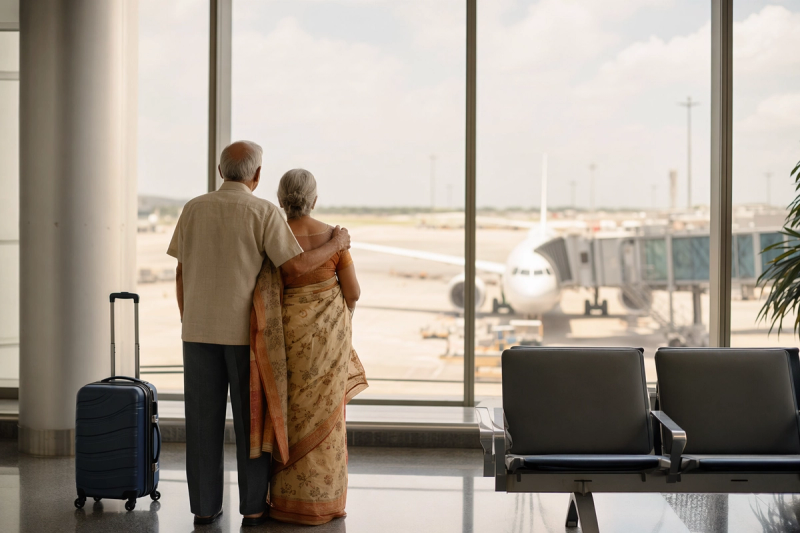
#Taking elderly parents through an Indian airport is not like taking your college friend on a Goa flight. That one you can say, “arre just reach one hour before, manage ho jayega.” With parents, especially if they have knee pain, diabetes, BP, hearing issue, or just that very Indian habit of saying “main theek hoon” when clearly they are not, the airport day needs a proper plan. I learnt this the slightly stressful way while helping my parents fly from Delhi to Bengaluru and later from Mumbai for a family function. Nothing dramatic happened, thank God, but small-small things kept coming up. A long walk from cab drop to entry gate. Security queue moving like a sleepy buffalo. My father suddenly wanting tea exactly when boarding started. My mother’s medicine pouch almost going into checked baggage. That day I realised, airport checklist for elderly parents in India is not about being fancy. It is about reducing panic.
Indian airports have improved a lot, no doubt. Better terminals, wheelchair assistance, DigiYatra at many big airports, more food counters, cleaner washrooms in most places, and staff are generally helpful if you speak properly. But crowds are also bigger now, flights are full, gates can change, and walking distances inside airports like Delhi T3, Mumbai T2, Bengaluru T2, Hyderabad, Chennai, Kochi or Kolkata can be quite a bit. For older parents, even 700 metres feels like a trek if they are already tired. So this post is basically the checklist I wish someone had given me before I became the official family airport manager.
First rule: don’t ask parents if they need help, assume they might
#This sounds rude maybe, but trust me. Most Indian parents will say no to help because they don’t want to trouble the children. My father did the same. “Wheelchair kyun, I can walk.” Then after security he sat down and quietly rubbed his knee. That guilt hits different. Now I don’t make it a prestige issue. If the airport is big, if the layover is tight, if the parent is above 70, has arthritis, recent surgery, breathlessness, vertigo, or gets tired easily, I request wheelchair assistance while booking or at least before travel. Most airlines ask passengers to request wheelchair or special assistance in advance, and 48 hours before departure is a safe practical window. Some still arrange at the airport, but don’t depend on last-minute jugaad, especially during morning rush or festival season.
- Book wheelchair assistance directly with the airline, not only with the travel agent, because the airline record matters at the airport.
- Reach earlier than you think. For domestic flights with elderly parents, I keep at least 2.5 hours at big airports. For international, 4 hours feels boring but peaceful.
- If they can walk short distance but not long, still ask for assistance. Wheelchair does not mean helpless, it means sensible.
- Carry a light shawl or jacket because airports and aircraft cabins can get cold, and parents will blame you only.
Documents checklist: boring, but this is where many people mess up
#Before leaving home, I keep all documents in one clear pouch. Not in four different handbags. Not in the outer pocket of a suitcase. One pouch, one person responsible. For domestic flights in India, elderly parents usually need a valid government photo ID like Aadhaar, passport, voter ID, PAN card, driving licence, or senior citizen card if airline fare proof is needed. For international flights, passport, visa or entry approval, travel insurance papers, tickets, hotel address, invitation letter if visiting family, and return ticket if needed. Name matching is important. Very important. If Aadhaar says “S. R. Sharma” and passport says “Suresh Ram Sharma”, and ticket says “Suresh Sharma”, it may still be okay sometimes, but why create tension? Check names before you pay for the ticket.
Online check-in is useful, but with elderly parents it can also fail because of document verification, passport scan issues, visa checks, or name mismatch. Don’t get angry at the website only. Sometimes international airlines want to verify documents at the counter. If your check-in is not going through, I found this explainer useful: International Flight Online Check-In Not Working? Passport, Visa & Name Fixes for Indian Travelers. Keep printed tickets too. I know, everyone says digital is enough, but when your mother’s phone battery is 12% and WhatsApp is not loading near airport entry, paper suddenly becomes very modern.
My document pouch looks something like this
#- Flight ticket printout and phone screenshot, because network inside the cab can act funny.
- Original ID proof plus one photocopy. For international, passport copy and visa copy separately.
- Doctor prescription for regular medicines, especially insulin, inhalers, blood thinners, sleeping tablets, pain medication, or any injectable medicine.
- Emergency contact list written on paper, not only saved in mobile. Include child’s number, family doctor, destination contact, and home address.
- If parent has pacemaker, implant, recent surgery, or metal plate, carry doctor note or medical card if available. Security staff may ask, and it saves awkward explaining.
Medicines: cabin bag only, no debate
#Please don’t put medicines in checked luggage. Not “just for this time”, not “bag is going direct only”, nothing. Cabin bag only. I have become very strict about this after one cousin’s suitcase got delayed abroad and his father’s BP tablets were inside. Even domestic baggage can be delayed or loaded wrong. For older parents, medicines, prescription, small snack, reading glasses, phone charger, and one change of clothes should stay in hand baggage. If you want a proper baggage-delay plan, this one is worth reading: Baggage Delayed Abroad? First 24-Hour Checklist. It is written for abroad travel but the lesson is same: essentials don’t go away from you.
For medicines, I pack one pill box for the travel day and extra strip packets with labels. Parents sometimes mix tablets by colour, which is terrifying. Keep original strips if possible, because airport security and foreign immigration may not understand loose white tablets in a tiny dabba. For diabetic parents, carry small snacks like roasted chana, khakhra, glucose biscuits, dates, or a banana if allowed and you will eat it before security or destination rules. For insulin, check airline rules and keep it in proper cooling pouch. Also ask the doctor about meal timing if the flight is early morning or late night. Airports don’t care about your medicine schedule, sadly.
I also keep a mini health kit: thermometer, ORS sachets, band-aids, antacid, motion sickness tablet if prescribed, pain balm, and sanitizer. Don’t overpack a whole pharmacy, but don’t rely only on airport medical rooms either. Most major Indian airports have first-aid or medical assistance, yes, but reaching them during boarding chaos is another story. If you are confused between travel insurance and carrying actual basics, this guide explains the balance nicely: India Travel Insurance vs Medical Kit: What to Prepare. Insurance is useful, but your mother’s 8 pm thyroid tablet is not going to magically appear from policy document.
Choosing flight timing for elderly parents is half the battle
#Earlier I used to book cheapest flight. Now I book the kindest flight. There is a difference. For elderly parents, avoid very late night and very early morning flights if possible, unless the route has no choice. A 5:45 am flight sounds efficient until you realise parents have to wake up at 2 am, skip proper tea, sit in a cold cab, and then stand in security half-asleep. Direct flights are better than saving 1500 rupees and adding a layover. If layover is unavoidable, keep at least 2.5 to 3 hours between flights in India, more for international connections. Wheelchair transfer can take time, and gate changes are common.
Season matters too. North Indian airports like Delhi, Chandigarh, Lucknow, Jaipur and Amritsar can face winter fog delays, especially December and January. Monsoon months can make Mumbai, Kochi, Goa, Kolkata, Guwahati and Bengaluru traffic unpredictable, even if flights are running. Summer afternoons are harsh in many cities, and older people get dehydrated quietly. Festival periods like Diwali, Durga Puja, Christmas-New Year, long weekends, school holidays, and wedding season mean packed airports, expensive cabs, and more walking because closer drop points get crowded. If your parents get anxious in crowds, choose mid-week flights and non-peak hours. Not always possible, I know, but worth checking.
Getting to the airport: cab, family car, metro, or driver?
#For elderly parents in Indian cities, the airport journey itself can drain them before the flight starts. Delhi has Airport Express Metro, which is fast and reliable, but stairs, luggage, and interchange can be tiring unless the station is convenient. Mumbai airport traffic is moody. Bengaluru airport road can be smooth one day and totally stuck the next. Hyderabad is far but usually better planned. Chennai and Kolkata depend so much on time of day. If parents are travelling alone, I prefer pre-booked cab with extra buffer, or family drop if possible. Don’t cut timing close because “Google Maps says 47 minutes”. Google Maps has not met your father who will remember at the lift that he forgot his reading glasses.
If using app cab, choose a larger car if luggage and wheelchair foldable frame is there. Sedans are okay, but hatchbacks can become a wrestling match. Keep water in the car, but not too much because washroom stops are tricky. For airport drop, check terminal carefully. At Delhi, Mumbai, Bengaluru and other big airports, wrong terminal means serious headache. I once saw an elderly couple dropped at the wrong terminal in Delhi and the uncle was just standing there with two suitcases, looking completely lost. Felt so bad. Reconfirm airline, terminal, domestic/international, and gate entry before leaving home.
At airport entry: slow down, don’t rush like everyone else
#Indian airport entry gates can look chaotic, but they are manageable if you don’t panic. Keep ID and ticket ready before getting out of the cab. Not after unloading three bags. If using DigiYatra at airports where it is available, it can make entry and security smoother for registered passengers, but I don’t depend on it for elderly parents unless I’ve already set it up properly and they are comfortable with the face scan process. Some parents get confused when the gate doesn’t open instantly. Also, all airports and all airlines may not process everything the same way, so normal document entry is still the safest fallback.
Porter service, paid meet-and-assist, and buggy services can be useful at bigger terminals, though availability and pricing changes by airport. At some airports, staff help wheelchair passengers from airline counter onwards, not from cab drop. So if your parent cannot walk from car to terminal entry, check in advance. Premium assistance services exist at many major airports and can cost anywhere from a few thousand rupees to more, depending on domestic or international and service level. It is expensive, yes, but for a parent travelling alone internationally, sometimes it gives peace of mind. I used to think these services are only for VIP types. Not really. They are for anyone who needs less confusion.
Check-in counter: ask clearly, not shy-shy
#At the airline counter, say clearly: “Senior citizen passenger, wheelchair requested, please tag baggage to final destination, and tell us boarding gate assistance.” Don’t assume they know. If your parent has trouble walking, ask whether they will get assistance till aircraft door or seat. For international flights, confirm if transit airport has wheelchair support too. If your parent is travelling alone, ask staff to explain boarding sequence. Many airlines board passengers needing assistance early, but it depends on gate and aircraft. If bus boarding is involved, it can be a little uncomfortable because climbing aircraft stairs is hard. In that case, airlines may arrange a lift or additional help, but they need to know.
Baggage weight is another drama. Elderly parents always pack food, gifts, shawls, pickle, snacks for relatives, and then act shocked when suitcase is 4 kg extra. Check airline baggage allowance before packing because domestic India allowances vary by airline and fare type, commonly around 15 kg checked baggage on many economy domestic fares, but not always. International depends totally on route and airline. Cabin baggage limits also vary, and staff do weigh sometimes. Keep the cabin bag light enough that parent can manage it if help is delayed. A backpack may hurt shoulders, so I prefer a small soft cabin trolley plus one small sling pouch for documents.
Security check without stress and embarrassment
#Security is where elderly parents can feel most nervous. They don’t always hear instructions clearly, and CISF staff can be firm because queues are long. Before reaching security, remove coins, keys, watch, belt if needed, and phone from pockets. For mothers wearing lots of bangles or heavy jewellery, there may be extra screening. Don’t make faces, just cooperate. If parent has knee replacement, hip implant, pacemaker, or cannot stand long, inform security staff politely. Usually they guide for manual frisking or separate process. Women passengers have separate screening booths. Wheelchair passengers are screened differently, and it may take extra time. Stay nearby if allowed, but don’t crowd the staff.
For liquids, domestic rules can vary in practical enforcement, but for international cabin baggage the 100 ml container rule is standard, with liquids in a transparent resealable bag at many airports. Medicines and baby food type exceptions exist, but carry prescription. Don’t pack big oil bottles, pickle jars, ghee, coconut, or suspicious-looking homemade powders in cabin luggage and then argue. I have seen full family debates at security over achar. Funny from outside, horrible when it is your boarding time. Keep metal water bottle empty before security and refill later. Most big airports now have water stations, though sometimes they are hidden behind pillars like secret treasure.
Food, water, and toilet planning, because this is real life
#Airport food in India is better than before, but also costly. Tea can be 120 to 250 rupees depending on airport and counter. Sandwiches can be 250 to 500. South Indian meals, chole bhature, paratha combos, idli, dosa, biryani, khichdi bowls, coffee chains, all available in big airports, but not always near your gate. For elderly parents, don’t depend on spicy airport food. Carry simple dry snacks. After security, buy water or refill bottles. Dehydration is sneaky in flights, especially for seniors taking BP medicines. But also don’t overdo water right before boarding if aircraft taxi time is long and seatbelt sign stays on.
Washroom planning sounds silly until you are at gate 42 and your mother says she needs to go just when boarding starts. I now make it a routine: toilet before check-in queue if needed, toilet after security, toilet before boarding. Indian airports generally have accessible washrooms, but cleanliness varies by crowd and time. Carry tissues, wet wipes, sanitizer, and maybe disposable seat covers if your parent is particular. For parents with urinary issues, request aisle seat closer to front or lavatory if possible, but avoid last row if they dislike noise and movement. Also tell them not to wait till emergency. Parents are very good at suffering silently, no idea why.
Seats, boarding, and what to do inside the aircraft
#Seat selection is not luxury for elderly passengers, it is comfort planning. Aisle seat is easier for toilet and stretching legs. Window is nice if they want to sleep and not be disturbed. Avoid middle seat if you can. If parent has knee pain, consider extra legroom seats, but check airline restrictions because exit row seats are usually not allowed for passengers who cannot assist in emergency. Front rows are convenient, but sometimes paid. If budget allows, pay. If not, request at counter politely. No guarantee, but staff sometimes help when flight is not full. Keep hearing aids, glasses, dentures case, medicines, and shawl accessible, not in overhead bin.
During boarding, don’t rush. Let the wheelchair staff and airline crew manage. If parents are walking, stand only when your zone is called, because standing in queue for 20 minutes is pointless. Inside aircraft, remind them to wear seat belt low and snug, keep shoes on during takeoff and landing if swelling is not an issue, and move ankles gently during long flights. For long-haul travel, doctor advice is better, especially for clot risk or heart conditions. Don’t give sleeping pills casually. Indian families sometimes share medicines like toffee, please don’t. If the parent is nervous, explain sounds: engine noise, flaps, turbulence. My mother calms down when I say, “normal hai, road ka speed breaker samjho.” Works surprisingly well.
If your elderly parent is travelling alone
#This is the emotional part. Sending parents alone through an airport feels ajeeb, even if they are perfectly capable. Make a one-page travel sheet in large font. Flight number, airline, departure time, destination, seat number, baggage count, who will pick up, phone numbers, and simple instructions like “Do not leave airport with unknown person” and “Call after landing before collecting bag.” Put it in their shirt pocket or handbag. Save important numbers as favourites on phone. Teach them how to show ticket screenshot, how to increase brightness, how to answer WhatsApp call, and how to share live location if they know. Don’t overload them with 20 apps.
If they are flying international, check transit airport rules carefully. Some airports are huge and confusing. Request wheelchair for every segment. Give them some local currency and Indian rupees, plus a working card if they use one. International roaming or airport Wi-Fi instructions should be written down. Also tell destination family to reach airport early, not “we will leave after landing message”. Immigration and baggage can be quick or slow. For arrival in India, many airports have prepaid taxi, app cab zones, hotel counters, and pickup areas, but walking from arrival to cab bay can be long. If parent is arriving alone at night, I would rather pay for reliable pickup than do experiments.
Airport hotels and layover stays in India: when it is worth paying
#Sometimes the best airport checklist item is a hotel room. If parents have an early morning flight from another city, don’t make them do overnight train plus airport plus flight unless they are very fit. Airport hotels in India range widely. Budget hotels near airports can be around ₹1,500 to ₹3,500 per night, though quality is hit and miss. Decent mid-range options usually fall around ₹3,500 to ₹7,000. Premium airport hotels or branded properties near Delhi Aerocity, Mumbai T2, Bengaluru airport, Hyderabad airport area, Chennai, Kochi or Goa can easily be ₹8,000 to ₹15,000 plus, sometimes much more during events and wedding season. Transit hotels or sleeping pods exist at some airports, but availability, terminal access, and hourly pricing vary.
For elderly parents, I look for three things before booking airport accommodation: lift access, airport shuttle or easy cab, and clean bathroom. Fancy lobby is useless if bathroom floor is slippery. Read recent reviews, not just star rating. Ask if early breakfast or packed breakfast is possible. If your parents are vegetarian or Jain, check food options. Around airport areas, you’ll usually find basic Indian food, thali, dosa, poha, paratha, curd rice, tea, and fruits through hotel kitchens or delivery apps, but late-night availability can be limited. Btw, if flight is after a wedding or family event, book hotel early. Airport hotels sell out quietly and then prices become rude.
Small cultural things that make Indian airport travel easier
#Indian travel has its own culture. Parents will carry thepla, mathri, laddoo, murukku, banana chips, or homemade namkeen because outside food is “not suitable”. Fine, let them. Just pack neatly and avoid leaky items. They may want to touch feet before leaving, call three relatives from the gate, or buy sweets from airport shop even if luggage is full. Build time for these things. Travel is not only movement, it is emotion also. At the same time, explain airport discipline gently: no joking about bombs, no handing bags to strangers, no leaving luggage unattended, no arguing loudly with security. These things are taken seriously, as they should be.
Also, use people. I mean, ask for help. Indian airports can feel chaotic, but many staff members are kind if you speak respectfully. Ask where the nearest lift is, where wheelchair counter is, where accessible washroom is, whether buggy is available, whether gate is far. Don’t act like asking is weakness. One small tip from a ground staff in Bengaluru saved us a 15-minute walk because she directed us to a lift and shorter route. In big airports, lesser-known useful spots are prayer rooms, quiet seating corners near far gates, medical rooms, baby-care rooms that sometimes help caregivers, and water refill points. Not tourist attractions, but for parents these are gold.
My final airport checklist before leaving home
#This is the list I literally read out now before we lock the door. Tickets, IDs, phone, charger, power bank, spectacles, hearing aid batteries if needed, dentures box, medicines, prescription, snacks, water bottle empty or filled for car, shawl, socks, mask if parent prefers, sanitizer, tissues, wallet, some cash, house keys, and destination address. Then I check baggage tags after check-in, boarding pass gate number, boarding time, and whether wheelchair staff knows the passenger. Sounds too much? Maybe. But it prevents that horrible feeling of searching a bag while your parent is tired and the announcement is calling your flight.
The best airport plan for elderly parents in India is not the most expensive one. It is the calmest one. Less walking, less confusion, less last-minute shouting.
And please, don’t scold parents at the airport. I am saying this to myself also. They will ask the same question three times. They may worry about luggage, food, toilet, gate, boarding pass, everything. But they once carried us through railway stations, bus stands, exam centres, doctor clinics, and God knows what else. Now it is our turn to carry the mental load. Keep the checklist ready, reach early, ask for help, pack medicines in cabin baggage, and choose comfort over cheapness wherever possible. If you’re planning more family travel or just want practical Indian travel stories without too much gyaan, you’ll find more such stuff on AllBlogs.in.