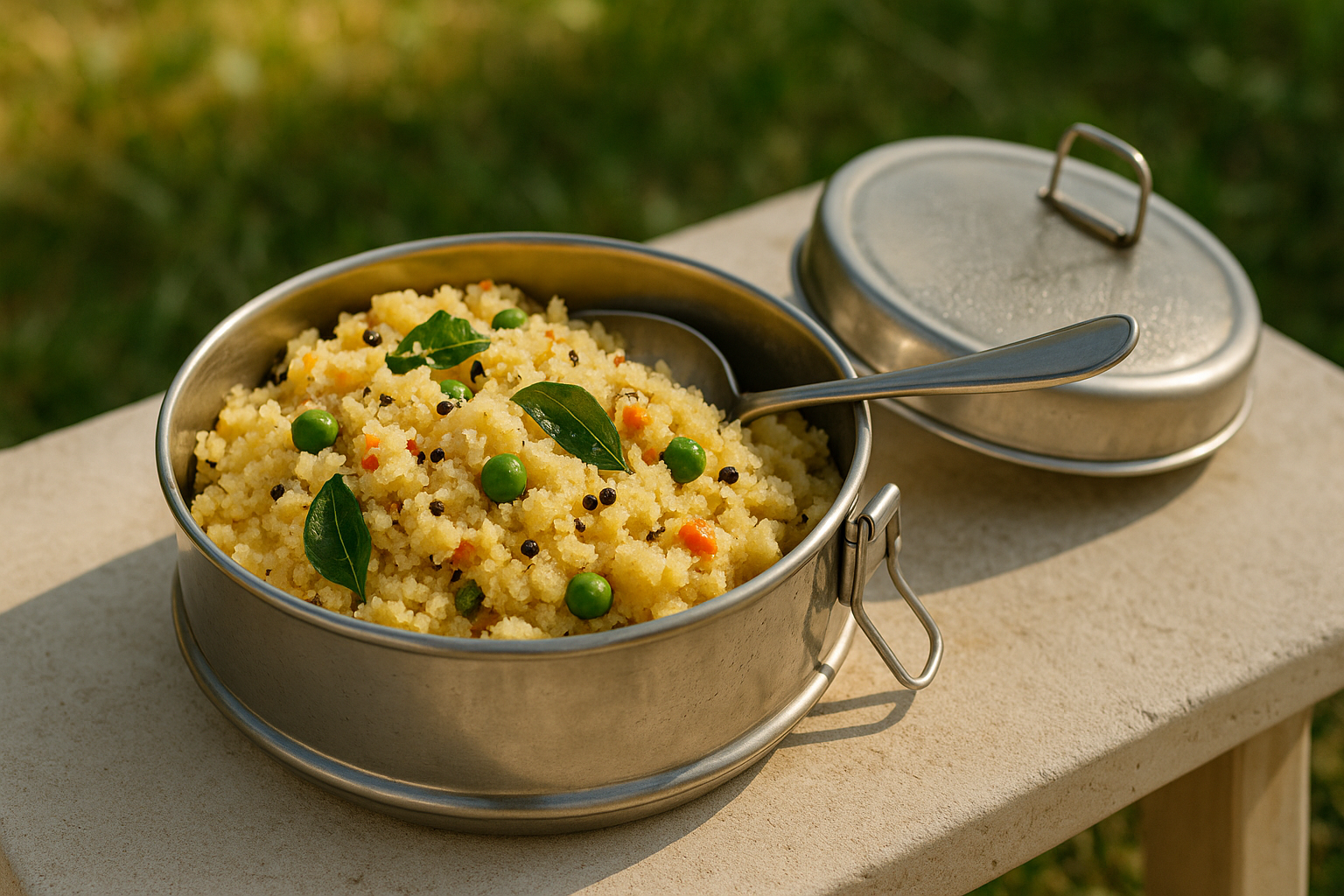
I’ve got a weirdly emotional relationship with upma. Maybe because it was one of those breakfast foods that showed up constantly in my childhood lunch scene, packed into steel tiffins with a little coconut chutney in a tiny side dabba if the day was feeling fancy. And honestly? I used to complain about it. Typical kid behavior. Then one brutal May afternoon, I opened my tiffin at school and the upma smelled... off. Sour-ish. Slightly sweaty, if food can be sweaty. I still remember poking it with my spoon and thinking, nope, absolutely not. That was the day I started taking food safety way more seriously, especially in summer.
So let’s get to the actual question: can upma stay outside in summer? Short answer, yes, but not for long. And not casually. Not in that “oh it’ll be fine till lunch, yaar” way people sometimes say while packing food at 7 a.m. and eating it at 2 p.m. Summer heat is not forgiving. Upma seems simple, dry-ish, harmless even. But once cooked, it’s moist enough, starchy enough, and often filled with stuff like onions, peas, carrots, ginger, curry leaves, maybe ghee, maybe roasted cashews, and sometimes even coconut. All of that matters.
The basic rule I follow now, and I kinda wish someone had drilled this into my head earlier
#If upma is sitting in hot weather, especially above room temp and definitely in Indian summer conditions, try to keep the total time in the unsafe temperature zone under 2 hours. If the surrounding heat is really high, like 32°C and above, I get even more strict and think 1 hour is safer. That’s basically the food safety common-sense rule used across a lot of guidance globally too: cooked foods shouldn’t hang around warm for too long because bacteria multiply fast in the danger zone, roughly between 5°C and 60°C. Different agencies phrase it a little differently, but the point is the same. Heat plus time equals risk. Annoying, but true.
Upma doesn’t usually spoil in some dramatic movie style way. It can look mostly fine and still be risky. That’s the sneaky part.
Why upma goes bad faster than people think
#See, a lot of folks assume dry-looking food is automatically safer. I used to think that too. But upma is cooked semolina that’s absorbed water or stock, so there’s moisture inside even when the surface looks fluffy and separate. Add sautéed onions and vegetables and you’ve made a nice, tasty environment for microbes. If you mix in fresh grated coconut, which btw many people do because it tastes amazing, shelf life drops even more. Coconut is where things start getting dodgy faster in summer. Same with a side of chutney. Plain upma might hold a bit better than upma plus coconut chutney, but the chutney is usually the first thing I worry about.
- Plain rava upma, no coconut mixed in, packed hot and eaten within 3 to 4 hours in a decent insulated tiffin = usually okay-ish if weather isn’t extreme
- Upma with fresh coconut mixed through = treat it as much more perishable
- Upma packed with onion-heavy tempering and lots of veggies = still fine if handled right, but not an all-day desk survivor
- Upma with chutney on the side = chutney needs the stricter rule, honestly
And yeah, I know there are people who’ll say, “We ate this stuff all the time, nothing happened.” True. Sometimes nothing happens. Sometimes you’re lucky. Food poisoning is one of those things where survivorship bias gets all the press. The people who were fine become the example. The people who spent the evening regretting every life choice... less vocal.
My actual tiffin rule for summer mornings
#When I make upma for a tiffin now, I don’t leave it steaming in the pan forever and I don’t pack it piping hot either. This part matters more than people realize. If you seal very hot food immediately, condensation builds up inside the container and that extra moisture makes the texture worse and can help spoilage along. So what I do is spread it for a few minutes, let the steam calm down, then pack while still warm. Not cold, not scorching. That little in-between stage. My grandmother did this without ever calling it “temperature management,” she just knew.
- Cook the upma fresh in the morning if possible, not the previous night
- Use less water than you would for very soft breakfast upma, because firmer upma travels better
- Skip fresh coconut in the upma if it has to sit for hours
- Cool slightly before sealing so the container doesn’t get all damp inside
- Pack in an insulated stainless steel tiffin, not a thin plastic box if you can help it
- Eat it within 4 hours max in summer, and sooner if the commute is long or there’s no AC anywhere
What about school and office tiffins? This is where things get real
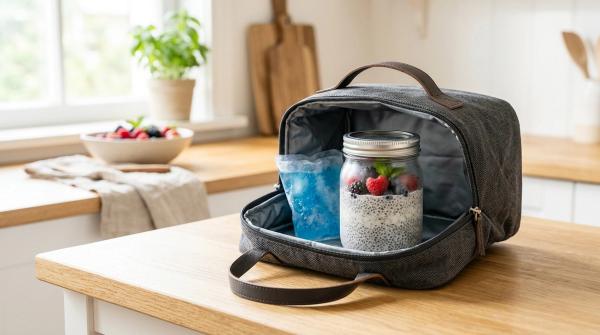
#A lot of us are not packing food to eat in one hour. It’s 7:30 a.m. prep, school bus, office train, desk, meetings, then lunch at 1 p.m. or worse, 2 p.m. That’s a long time. In that case, I think upma can still work, but you have to build the whole system around safety. Use an insulated container. Keep the portion moderate so it cools and holds evenly. Don’t pair it with raw onion salad, yogurt, or coconut chutney unless you have a cool pack. If the tiffin sits in a parked car or on a sunny windowsill, forget it. Game over, basically.
This sounds dramatic but summer transport conditions are no joke. Metal lunch boxes in backpacks can get pretty warm. I once carried lemon sevai and upma on alternate days during a Chennai trip in peak June, and by lunchtime the bag itself felt like it had attended a sauna. Since then I’ve become the slightly annoying person who tells everyone to use an ice pack for anything delicate and to choose sturdier tiffin foods on hotter days. Not always popular, but I stand by it.
Signs your upma has gone off... and some signs are subtle
#The obvious signs are sour smell, sticky or wet patches, sliminess, weird color changes, or a fermented taste. But here’s the problem: dangerous bacteria don’t always announce themselves with a big nasty smell. So if the upma has been out too long in heat, don’t do the tiny “just one bite to check” thing. I know people do that. Me too, sometimes, because food waste makes me sad. But if it’s questionable, it’s not worth it. Especially for kids, older adults, pregnant women, or anyone with a weaker immune system.
- Smells sour, yeasty, or oddly sweet
- Texture turned gummy, sticky, or wet when it was dry earlier
- Tiny bubbles or a faint fermented flavor
- Chutney smells sharp or looks separated and watery
- It sat in a hot room all morning and you’re still debating it... that itself is the answer
Restaurant upma, food trends, and why everybody suddenly cares about breakfast again
#A side note, but kinda fun: breakfast foods are having a real moment again in 2026. Not just croissants and matcha-soft-serve nonsense, though there’s plenty of that too. There’s more attention on regional Indian breakfast classics, and I’m very into it. I’ve seen cafés and new-format South Indian spots doing millet upma, quinoa upma, mushroom-pepper upma, even kimchi upma fusion, which I wanted to hate but, uh, I didn’t totally hate it. There’s also a huge push toward high-protein and gut-friendly menus this year, so chefs keep adding lentils, seeds, fermented sides, and lower-glycemic grains. Some of it feels trend-chasing, sure. Some of it is actually delicious.
A couple newer places I’ve loved recently are these modern South Indian breakfast-forward cafés popping up in metro cities, where they take humble dishes seriously instead of treating them like filler. I had a green pea upma with browned ghee and toasted almonds at a newly opened neighborhood café concept in Bengaluru this year, and it was ridiculously good. Also saw more restaurants experimenting with smart hot-hold equipment and better takeaway packaging, which does help quality and safety a bit for short windows. Food innovation sounds corporate, I know, but better insulated leakproof steel-lid containers and phase-change lunch packs are actually useful. Not sexy, useful.
If you really need upma to last longer, here’s how I tweak the recipe
#This is the practical bit. I make what I call travel upma. It’s less fluffy-comfort upma and more sensible-upma-that-won’t betray-you-by-noon. I roast the rava properly till nutty. I go lighter on onion. I use ginger, curry leaves, mustard seeds, urad dal, chana dal, green chili, maybe carrots, maybe peas if I know it’ll be eaten by lunch. I keep the water controlled so it’s not too soft. A spoon of ghee for flavor, but not excessive. No fresh coconut mixed in. No chopped coriander if the day is infernally hot. Coriander isn’t some giant danger on its own, but fresh herbs wilt and make things feel old faster.
My summer tiffin upma ratio:
1 cup roasted rava
2 to 2.25 cups water
1 small onion or skip it
1 tsp grated ginger
1-2 green chilies
1 tbsp chana dal + 1 tsp urad dal
mustard seeds, curry leaves
small amount of veg only
salt
1 to 2 tsp ghee or oil

Cook till just set and separate, not mushy.
Will this version taste as lush as soft homemade breakfast upma eaten straight from the kadai? No. Let’s be honest. But it travels better, and honestly with a squeeze of lime right before eating, it’s really good. Maybe better than really good when you’re hungry at work and everyone else is sad-eating a protein bar.
What not to pack with it in summer, in my opinion
#I know this part will start fights because families have strong tiffin habits. But I personally avoid packing these with upma unless there’s refrigeration or a cold pack.
- Coconut chutney, obviously. Delicious, dangerous-ish in heat
- Curd or raita. Just no, unless chilled properly
- Cut fruit mixed in the same bag, especially melon. Summer fruit gets weird fast
- Boiled egg tucked in there for protein, unless eaten soon
- Raw cucumber-tomato salad. It leaks, warms up, and ruins everybody’s mood
Instead, I like dry podi, roasted peanuts, a lemon wedge packed separately, or a little pickle. People forget that low-moisture sides are your friend in hot weather.
Leftover upma is a seperate issue, and yeah I’ve messed this up too
#If you’re talking about leftover upma from breakfast sitting on the counter till evening, no. Please no. Refrigerate within 2 hours, sooner in very hot weather. Then reheat till properly hot all the way through before eating. Leftover upma can become upma cutlets or patties the next day, which is honestly one of life’s better kitchen save moves, but only if it was cooled and stored correctly in the first place. Leaving it out half the day and then refrigerating it is not some magical reset button. I wish it was.
A tiny food science detour, because this helped me stop guessing
#Most food safety advice boils down to moisture, nutrients, temperature, and time. Upma has enough moisture and starch to support bacterial growth if abused. Summer speeds the whole thing up. Acidic foods generally hold a little better, which is one reason lemon rice sometimes feels safer for tiffin than upma, though even that isn’t invincible. Dry chutney powders are safer than wet chutneys for carrying around. And insulated containers don’t make food immortal, they just buy you some time. Not loads of time. Some time.
Best tiffin food in summer isn’t just about taste. It’s taste plus survival.
So... can upma stay outside in summer or not?
#Yes, for a limited time, with care. If you want the clean answer: fresh-cooked upma can stay outside in summer for about 2 hours safely in typical conditions, and maybe up to around 4 hours for a morning tiffin if it’s packed smart in an insulated container, kept out of direct heat, made without highly perishable add-ins, and eaten by lunch. Beyond that, I wouldn’t trust it. And if the day is scorching, or the box is sitting in a hot bus, classroom, warehouse, or car, cut that time down. A lot.
I know that answer is less romantic than “grandma packed it and we survived,” but food safety usually is. The older I get, the more I realize good cooking isn’t just flavor and nostalgia. It’s also knowing when not to risk it. Which is a very adult sentence and I don’t love that for me, but here we are.
My final summer tiffin cheat sheet
#- Freshly made upma is always better than overnight upma for packing
- Let steam escape a bit before sealing
- Use insulated stainless steel if possible
- Skip coconut and wet sides for long carry times
- Aim to eat within 4 hours, safer within 2 in real heat
- When in doubt, throw it out... painful but true
Anyway, that’s my very opinionated upma sermon. I still love the stuff, maybe even more because I’ve learned how to pack it properly and not ruin it. Summer tiffins can be great, they just need a little more thought than we give them. If you’re into this kind of practical food talk with side tangents and breakfast feelings, poke around AllBlogs.in too, there’s always something tasty or useful over there.