That awkward Indian travel problem nobody talks about enough
#You know that weird gap between hotel checkout and your train at night? Or when you reach a city at 6 in the morning but your room says check-in after 12? That is exactly when luggage storage becomes the main character of your trip. Not the fort, not the beach, not the cafe you saved on Instagram. Your suitcase. I learnt this the slightly sweaty way in Delhi, with one backpack, one trolley bag, and a stupid confidence that “arre kuch na kuch mil jayega.” Something did mil gaya, but after walking around New Delhi Railway Station with my bag wheels making that khad-khad sound on broken pavement, I promised myself I’ll never treat cloakrooms and luggage lockers as last-minute jugaad again.
In India, most of us have used or at least heard of railway cloakrooms. They are old-school, practical, sometimes chaotic, and honestly still one of the cheapest ways to store bags if you’re travelling by train. Digital luggage lockers, on the other hand, are newer-ish. You’ll find them around some airports, metros, malls, tourist areas, and private storage points where you book online or scan a QR, pay digitally, and keep your bag for a few hours. Both sound simple. But when you are actually standing there with a train ticket in hand, phone battery at 12%, and one uncle behind you telling you “line idhar hai”, the difference matters a lot.
My first proper cloakroom lesson was at New Delhi station
#New Delhi Railway Station is not a place where you go to feel calm. It works, yes. It moves lakhs of people. But calm? Not really. I had a late evening Shatabdi once and reached the city early because my bus from Jaipur came before time, rare miracle. My plan was to dump my bag, roam around CP, eat chole bhature, maybe go to National Museum if I felt cultured enough. The cloakroom was there, but finding it with all the platform entries, prepaid taxi guys, foot overbridges, announcements, and crowd was a mini-trek only.
The railway cloakroom staff asked for my train ticket and ID. This is important. At many Indian Railway cloakrooms, you generally need a valid journey ticket, and luggage is expected to be properly locked. Some stations are stricter than others, but don’t assume they’ll accept an open duffel with half your kurta hanging out. They may refuse it. They can also ask you to lock zips or wrap the bag if it looks unsafe. Fees are usually very low compared to private lockers, often charged for the first 24 hours and then further periods, but the exact amount can vary by station and facility. Keep small cash also, even if UPI works in many places now. India is digital, haan, but counters are counters.
My simple rule now: if I’m using a railway cloakroom, I keep my ticket, Aadhaar or other ID, a working lock, and 10 extra minutes of patience. Actually make that 25 minutes at big stations.
So what exactly is a railway cloakroom in India?
#A railway cloakroom is basically a luggage deposit facility inside or near railway stations, run through the station system. It’s meant for passengers who need to keep luggage for a limited time. You deposit your bag, get a receipt, and collect it later by showing that receipt and sometimes your ID or ticket. It sounds very simple, and most of the time it is, but the experience changes wildly depending on the station. A big junction like New Delhi, Mumbai CST, Chennai Central, Howrah, Bengaluru, Jaipur, Varanasi, or Ahmedabad will usually have more established facilities. Smaller stations may have limited cloakroom space or no proper cloakroom at all.
There are some common things you should expect. Your bag should be locked. You should not leave valuables like laptop, jewellery, cash, passport, expensive camera, medicines, or house keys inside. I know people do it, but please don’t. The cloakroom receipt is precious, so take a photo of it immediately. Also, check the timings. Some cloakrooms operate round the clock at major stations, but don’t build your whole plan on assumption. If your train arrives at 3:30 am in a smaller city and you want your bag back instantly, confirm locally before depositing. One thing I like about railway cloakrooms is the price. For budget travellers, students, solo backpackers, family groups with too much luggage, they are still a solid option. But comfort and speed? Hmm, depends.
And what are digital luggage lockers?
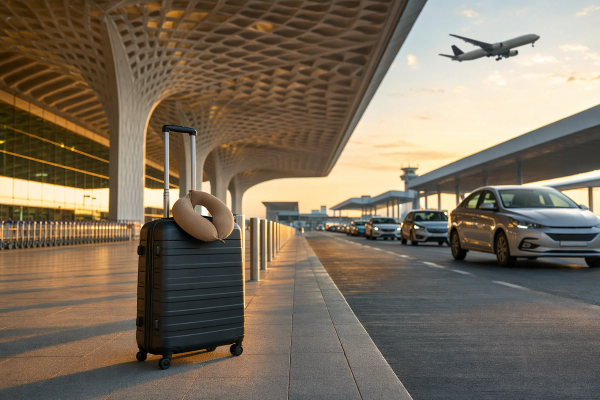
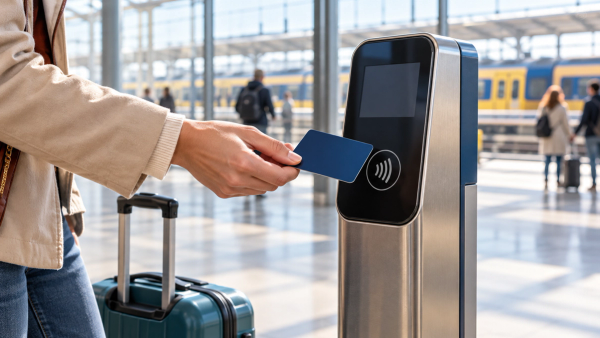
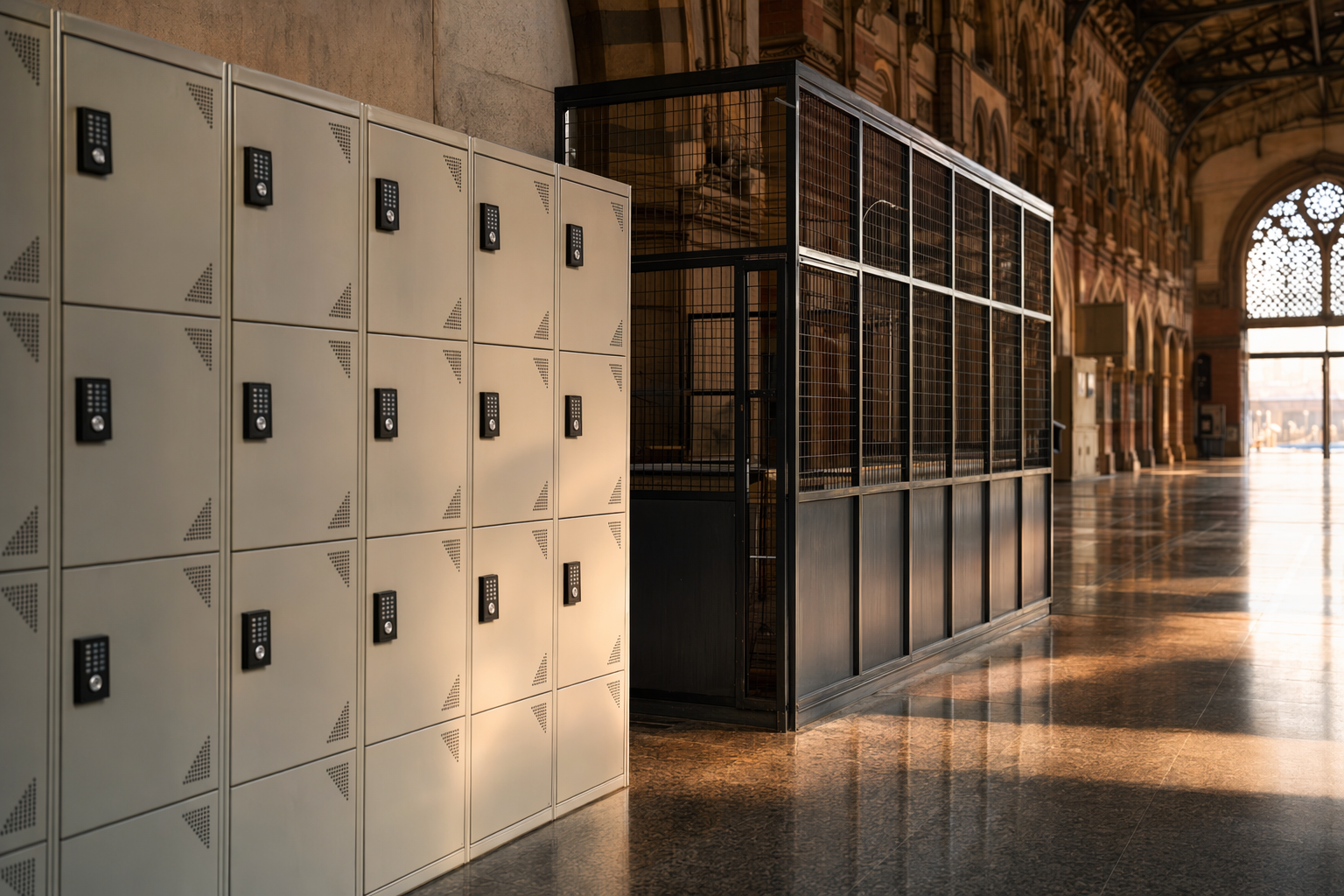
#Digital luggage lockers are the more modern option. Sometimes they are actual automated lockers with PIN or QR access. Sometimes it’s a private luggage storage counter listed online where booking and payment happens digitally. You may see these near airports, metro stations, bus terminals, popular tourist markets, hostels, malls, and busy city centres. In places like Delhi, Mumbai, Bengaluru, Goa, Jaipur, and parts of Kerala or Himachal tourist belts, private bag storage options have become more visible because travellers now have weird schedules. Cheap flights at odd hours, early Airbnb checkout, late train, work-from-cafe days, all that.
The nice part is convenience. You can often search, book, pay by UPI/card, drop the bag, and get a digital confirmation. Some places offer hourly pricing, daily pricing, CCTV coverage, sealed tags, and extended timings. The not-so-nice part is that availability is patchy. In India, “digital locker” does not mean every railway station has a shiny Tokyo-style coin locker. Please don’t imagine that. We are getting better, but slowly and unevenly. Also, private lockers can be much costlier than railway cloakrooms. If you are storing just one backpack for 3 hours, fine. If you are a family of five with four suitcases, suddenly the bill can feel like one extra meal at a decent restaurant.
| Point | Railway cloakroom | Digital luggage locker or private storage |
|---|---|---|
| Best for | Train passengers with valid ticket and locked luggage | City roaming, airport gaps, hotel checkout gaps, non-train travellers |
| Typical cost feel | Usually budget-friendly | Moderate to expensive, depends on location and hours |
| Where found | Major railway stations, some junctions | Airports areas, metros, tourist hubs, malls, private counters |
| Booking style | Mostly counter-based, sometimes basic digital payments | Often app, website, QR, UPI, or digital receipt |
| Main headache | Queue, crowd, finding the room, station rules | Availability, price, trust, location distance |
| Safety comfort | Official station facility, but still avoid valuables | Varies by operator, check reviews and CCTV claims |
| Flexibility | Good if you’re travelling by train | Better if your plan is mixed: flight, metro, cab, walking |
The biggest difference is not technology, it’s your travel plan
#People ask which one is better, cloakroom or digital locker, like there is one answer. There isn’t. It depends on the kind of day you’re having. If I arrive by train at Jaipur in the morning and my return train is late evening, railway cloakroom is almost always my first thought. Cheap, inside station, no extra cab needed. I can leave the bag, go have pyaaz kachori, walk around old city, come back tired and pick it up. Done. But if I land at Bengaluru airport at 7 am, have a meeting near Indiranagar at 3 pm, and my hotel is in Whitefield, then a station cloakroom is useless to me. I’d rather find a storage point near metro route, airport area, or even ask the hotel politely.
This is where many travellers miscalculate. They compare only storage price, not the total cost. If the railway cloakroom costs less but you spend ₹300 extra in cab fare and 45 minutes in traffic to access it, was it really cheaper? In Mumbai, Delhi, Bengaluru, Hyderabad, Pune, even Kochi during tourist season, distance is money. Time is also money, and sometimes mental peace is biggest money. I know that sounds filmy, but after dragging luggage in peak metro crowd, you’ll agree.
A real example: Delhi layover with bags, hunger, and bad planning
#One of my more annoying travel days was Delhi again, because of course. I had checked out from a Paharganj hotel around 11 am, and my train was at 10 pm. The hotel said they can keep my luggage near reception, but it was just one open corner where everyone’s bags were lying like abandoned puppies. I didn’t feel great about leaving my laptop there. So I split things. Main suitcase went to the station cloakroom, laptop stayed in my day bag, and I went to Connaught Place by metro. It worked, but only because I had a confirmed ticket and a proper lock.
Btw, if your delay is at the airport side rather than train station side, luggage is just one headache. Food, waiting area, charging, and whether you can claim anything during a long delay also becomes important. I had written notes for myself after one such mess, and this Indian Airport Delay Food Guide: Claim, Eat, Carry is the kind of thing I wish I had read before spending too much on a sad sandwich. Same logic applies here: plan the boring stuff and your actual trip feels 10x better.
Safety: what I trust and what I don’t
#Let’s be honest. No storage option in the world should be treated like your personal bank locker. Railway cloakroom, private digital locker, hotel reception, hostel luggage room, friend’s office, anything. Keep valuables with you. I usually make a small “don’t lose this or life becomes pain” pouch: wallet, phone charger, power bank, ID, cards, medicines, glasses, keys, and if I’m carrying laptop then laptop. Everything else can go in storage. Clothes can be replaced. Your PAN card and laptop data, not so easily.
At railway cloakrooms, safety feels official because it is within station premises and staff give receipts. But crowd is heavy, and handling can be rough. Your bag may be stacked with others. Use a hard lock, luggage tag, maybe a bright ribbon so you can identify it. At digital lockers or private storage points, I check three things before leaving luggage: is the place actually staffed or properly locked, is there some receipt or digital proof, and does it have recent reviews or visible accountability? If it’s a random shopkeeper saying “haan rakh do bag” with no receipt, I may still do it in a small town for 30 minutes, but not with anything important. Trust your gut also. Indian travel runs on gut feeling half the time, no?
Prices and practical costs, without pretending every city is same
#Railway cloakrooms are usually the cheaper side, especially for long hours. Indian Railways has had nominal cloakroom and locker charges for years, though actual collection and availability can depend on station category and local setup. Don’t be shocked if a counter has a printed rate chart that looks old, or if there are separate charges based on package type. Ask before depositing. Also confirm how they count time. Is it per 24 hours? Is there an extra charge after first day? What happens if you collect late? These small things save arguments later.
Digital luggage lockers and private storage points can range quite a bit. In big metros and tourist-heavy areas, you may see hourly rates, half-day rates, or per-bag per-day charges. A backpack may cost less than a suitcase. Airport-area storage is normally pricier than a regular market storage. Some premium hostels and hotels may keep your luggage for free if you stayed with them, while some budget hotels charge or refuse if space is less. In India, accommodation itself has become very layered: dorm beds in hostels can be roughly ₹400 to ₹1,200 in many cities, budget rooms ₹1,000 to ₹2,500, decent mid-range hotels ₹2,500 to ₹6,000, and after that sky is the limit. If your hotel is helpful with luggage, that can save you a whole storage trip.
When railway cloakrooms win, clearly
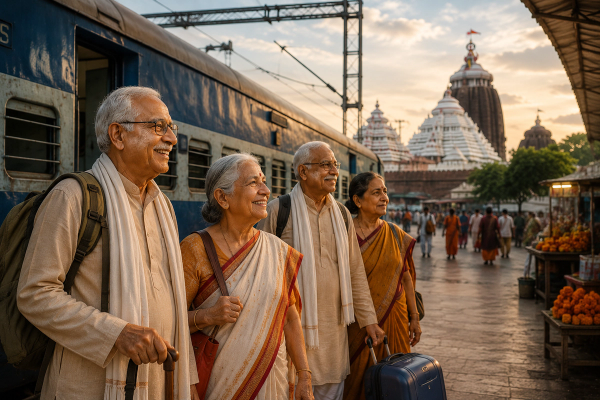
#If you are train-based, railway cloakrooms are still king in many situations. Say you reach Varanasi early morning by train and your return is night train. You can store your bag at the station, go towards Godowlia, walk to ghats, eat kachori sabzi, and return. Same for Jaipur, Agra, Madurai, Amritsar, Mysuru, Udaipur if you’re using rail stations. It’s especially useful for day trips. You don’t want to climb Amer Fort or walk around the Golden Temple lane with a suitcase. Please no. Your shoulders will file complaint.
- Use railway cloakrooms when your arrival and departure are both from the same station, or nearby stations.
- Use them when you have a valid train ticket and luggage is properly locked.
- Use them when budget matters more than fancy convenience.
- Use them for heavier bags you don’t need during the day, but keep your valuables separately.
One more small thing: railway stations are often well-connected by local transport. Metro in Delhi, Mumbai suburban trains, Chennai local, Kochi metro near some areas, autos everywhere, buses if you’re brave enough. So if the station cloakroom is central to your day plan, it makes perfect sense. But don’t store at a station just because it’s cheap if your entire sightseeing is in the opposite direction.
When digital lockers make more sense
#Digital luggage lockers are better when your travel is not neatly train-station to train-station. Like you checked out from a hostel in South Goa, your bus is late night from Panjim. Or you have a flight from Mumbai but want to spend the afternoon in Bandra without bags. Or you are in Bengaluru and your hotel, airport, railway station, and meeting place are all in four different corners, because Bengaluru likes testing people. In these cases, storage near your actual roaming area is better than official but far-away cloakroom.
I also like digital storage for shorter windows, especially if it’s easy to book and the place is reviewed. For solo travellers, women travellers, and people working remotely, convenience matters. Walking into a cafe with one small backpack is okay. Walking in with two suitcases and asking “charging point hai?” is just sad. Digital lockers can give you that freedom to move light, take metro, eat properly, visit a museum, or just sit somewhere without guarding your luggage like a CRPF jawan.
This kind of logistics comparison is not only an India thing, by the way. When planning Central Asia, I went deep into timing and luggage comfort while comparing rail and air options, and this Almaty to Tashkent: Train or Flight? A Practical Guide for Indian Travelers has a similar vibe: sometimes the cheaper route is not the easier route once bags and waiting hours enter the chat.
Seasonal travel tips: summer, monsoon, festival rush and all that drama
#Indian seasons change the luggage storage experience more than people realise. In summer, especially North India from April to June, don’t carry heat-sensitive stuff in checked storage if you can avoid it. Chocolates become soup, medicines may need care, electronics heat up. Railway cloakrooms may not be air-conditioned. Private lockers also may just be a room with fan. In monsoon, use plastic covers or at least keep clothes inside packing cubes or polythene. Mumbai, Goa, Kerala, Konkan, Kolkata, Northeast, hill roads, everywhere rain can attack from sideways also. Your bag may be stored indoors but getting it there and back is enough to soak it.
Festival season is another beast. Diwali, Chhath, Durga Puja, Christmas-New Year in Goa and Himachal, long weekends, school holidays, Char Dham season, Kumbh-type events when applicable, big concerts and cricket matches, everything gets crowded. Cloakrooms can fill up. Digital lockers can be booked out or prices can jump. If you are travelling during a major event, don’t assume storage will be available at the last minute. Also stations become more security-conscious during high-alert periods, and staff may check bags more strictly. Keep extra time. And please don’t argue with security staff, it never ends well and everyone around you will stare.
Food, local roaming, and the joy of being bag-free
#The real reason to store luggage is not just comfort. It changes how you experience a city. In Amritsar, I left my bag and could walk freely around the lanes near the Golden Temple, eat kulcha, drink lassi, and later sit quietly near the sarovar without worrying about where to park my trolley. In Kochi, bag-free means you can take the ferry, roam Fort Kochi, eat seafood or pazham pori, and not curse cobblestone streets. In Hyderabad, you can go from station to old city, eat biryani, see Charminar lanes, and come back without becoming a human luggage cart.
Some lesser-known but useful bag-free ideas: railway museums if the city has one, local markets early morning, state emporiums for shopping, public libraries or art galleries, old Irani cafes, temple towns where luggage restrictions are common, and walking food trails. In many religious places, large bags are not allowed anyway. You may find local lockers near temples, but I prefer storing bigger luggage at station or hotel and carrying only a small sling. The less you carry, the more you notice. Sounds like travel quote printed on mug, but true only.
Accommodation trick: ask nicely before paying for storage
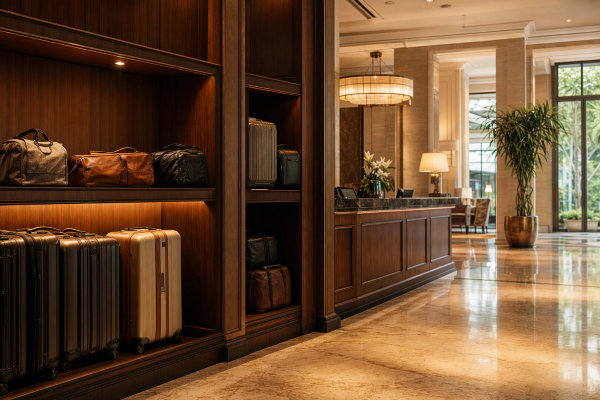
#Indian hotels can be surprisingly helpful if you ask politely. If you’re checking out late, many hotels will keep bags for a few hours free. Hostels almost always have a luggage area, though security level varies. Homestays may keep luggage if the host is around. Business hotels sometimes have proper luggage rooms with tags. Budget lodges may say yes but store it under the staircase, which is fine for clothes maybe, not for valuables. I usually message before booking: “Can I leave luggage after checkout for 4-5 hours?” Their answer tells me a lot about the place.
Typical prices vary widely across India, but for planning, hostels are often cheapest in backpacker areas like Rishikesh, Jaipur, Jodhpur, Goa, Kochi, Varkala, McLeodganj, Manali, and parts of Delhi or Mumbai. Budget hotels near railway stations are convenient but quality is mixed, so read reviews carefully, especially for cleanliness and safety. If you have an early train, staying near the station makes sense. If your plan is sightseeing, stay near metro or central areas and use luggage storage only as backup. Don’t choose a bad hotel just because it’s near cloakroom. I’ve done that mistake. Bathroom trauma is real.
Documents, locks, and small things that save the day
#Here is my boring but useful luggage storage kit. One small padlock, one cable lock for backpack zips, one luggage tag with phone number but not full home address, a foldable tote bag, photocopy or phone scan of ID, and a power bank. Also, keep a screenshot of your train ticket because internet inside stations can vanish exactly when needed. If your booking is on IRCTC, keep PNR visible. For private lockers, save booking confirmation offline. Don’t depend on WhatsApp search while standing in noise and sweat.
- Before depositing, remove valuables and fragile items. Don’t be lazy here.
- Take a photo of your bag at the counter or locker, and photo of the receipt.
- Confirm closing time and late pickup rule. Ask twice if needed.
- Keep buffer time for collection, especially at railway stations with platform rush.
- Check if the storage point is on the same side of station or road you need later. Some Indian stations are basically small cities.
One more tiny tip: mark your bag in a visible way. Black suitcases are everywhere. I tied a blue gamcha once and never looked back. It’s ugly, but useful. Airport-style ribbons also work. Stickers work until they peel off. If your bag is expensive, don’t make it look too expensive. India is mostly safe if you stay alert, but showing off never helps.
Digital locker trend in India: growing, but don’t overtrust the map
#There is definitely a trend towards more digital convenience in Indian travel. UPI has changed everything. Metro networks have expanded in many cities. Travellers are booking hostels, day-use rooms, co-working passes, airport lounges, and luggage storage online. Even railway stations are improving slowly with better signage, escalators, CCTV zones, retiring rooms online booking in many places, and more digital payments. But we are still India. A listing may show open and then the person says “bhaiya lunch pe gaya.” A locker may be full. A station facility may be under renovation. A private counter may shift two lanes away. Call or message if it’s important.
If you travel internationally, you’ll notice how some cities make luggage storage very systematic. Japan, for example, has this whole culture of station lockers and airport transfers. While planning Tokyo, I had to think about airport access and luggage movement a lot, and this Narita vs Haneda: Best Tokyo Airport for Indians is useful if you like comparing comfort, distance, and late departures the way we do for Indian stations. In India we’re not at that level everywhere, but in metros and tourist circuits, options are improving.
My honest verdict: cloakroom or digital locker?
#If I have to give a simple answer, I’d say railway cloakrooms are better for classic train travel and budget day trips, while digital luggage lockers are better for flexible city plans, flight gaps, mixed transport, and when convenience is worth paying extra. But my real answer is: choose based on where your body needs to be, not where your bag wants to be. Your bag is not sightseeing. You are.
For railway cloakrooms, I like the reliability of an official station facility and low cost. I don’t like queues, old counters, unclear signage, and the need to go back to the station even if my plan changes. For digital lockers, I like booking ease, location flexibility, and less station chaos. I don’t like uneven availability, higher charges, and the fact that every operator is not equally trustworthy. So I keep both in my travel toolbox. Some days old-school wins. Some days app-wala life wins.
Final thoughts from one overpacked traveller to another
#Luggage storage sounds like a small topic until it ruins half your day. I’ve had trips where one good cloakroom made the whole city feel open, and trips where dragging a suitcase for two hours made me hate a place that was actually lovely. So now I plan storage the same way I plan transport and food. Not obsessively, but enough. Check station cloakroom availability if you’re going by train. Look for digital lockers or hotel storage if your day is spread out. Carry a lock. Keep valuables with you. Take photos of receipts. And give yourself time, because Indian travel has its own mood swings.
Honestly, the best travel days in India are when you’re light enough to say yes to random things: one extra plate of poha, a quick detour to a stepwell, a ferry ride, an old market lane, a temple visit, a friend saying “come yaar, just 20 minutes.” Bags stop you from saying yes. Store them properly and go live the day. And if you like these practical, slightly lived-in travel notes, I keep finding more such helpful reads on AllBlogs.in, so do check it out before your next trip.