Quick answer: Yes, you can use the same sunscreen on your face and body, as long as it is broad-spectrum, has enough SPF, and you apply it properly. SPF works the same way on your face as it does on your arms or legs.
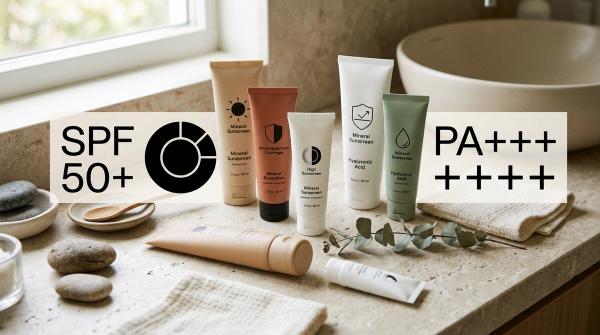
But here’s the real-life difference: face sunscreens are usually made to feel nicer on the face. They tend to be lighter, less greasy, less likely to sting around the eyes, and easier to wear under makeup. Body sunscreens are usually made for bigger areas, sweat, water, outdoor time, and better value.
So the question is not really, “Is face sunscreen stronger than body sunscreen?”
It is more like:
Which sunscreen will I actually use enough of, without hating how it feels?
Face Sunscreen vs Body Sunscreen: The Simple Rule
#At the same SPF level, a face sunscreen and a body sunscreen can both protect your skin if they are broad-spectrum and used correctly.
The biggest difference is usually not the protection. It is the texture and comfort.
Face sunscreen is made for skin that is always visible and often more fussy. Your face may be oily, dry, acne-prone, sensitive, or layered with moisturiser, serum, makeup, beard products, or glasses. So face sunscreens are usually designed to feel lighter and sit better.
Body sunscreen has a different job. It needs to cover large areas like arms, legs, shoulders, back, hands, chest, and feet. It also needs to last through sweat, beach days, sports, travel, or long outdoor hours without finishing in two uses.
So if you only have body sunscreen with you, use it on your face. It is still much better than skipping sunscreen.
But if body sunscreen makes your face greasy, stings your eyes, breaks you out, or melts during your commute, a separate face sunscreen is usually worth it.
Why Face and Body Sunscreens Feel Different
#Face and body sunscreens are built around the same basic idea: protecting your skin from UV rays.
But they are made for different situations.
Your face sunscreen needs to feel comfortable enough for daily use. It should blend well, not feel too sticky, and ideally not make your skin look like you dipped it in oil. If you wear makeup, it also needs to sit well under foundation, compact, or concealer.
Body sunscreen is more practical. It needs to cover more skin, cost less per ml, and often handle sweat or water better. That is why body sunscreens usually come in bigger bottles and may feel thicker, richer, or slightly heavier.
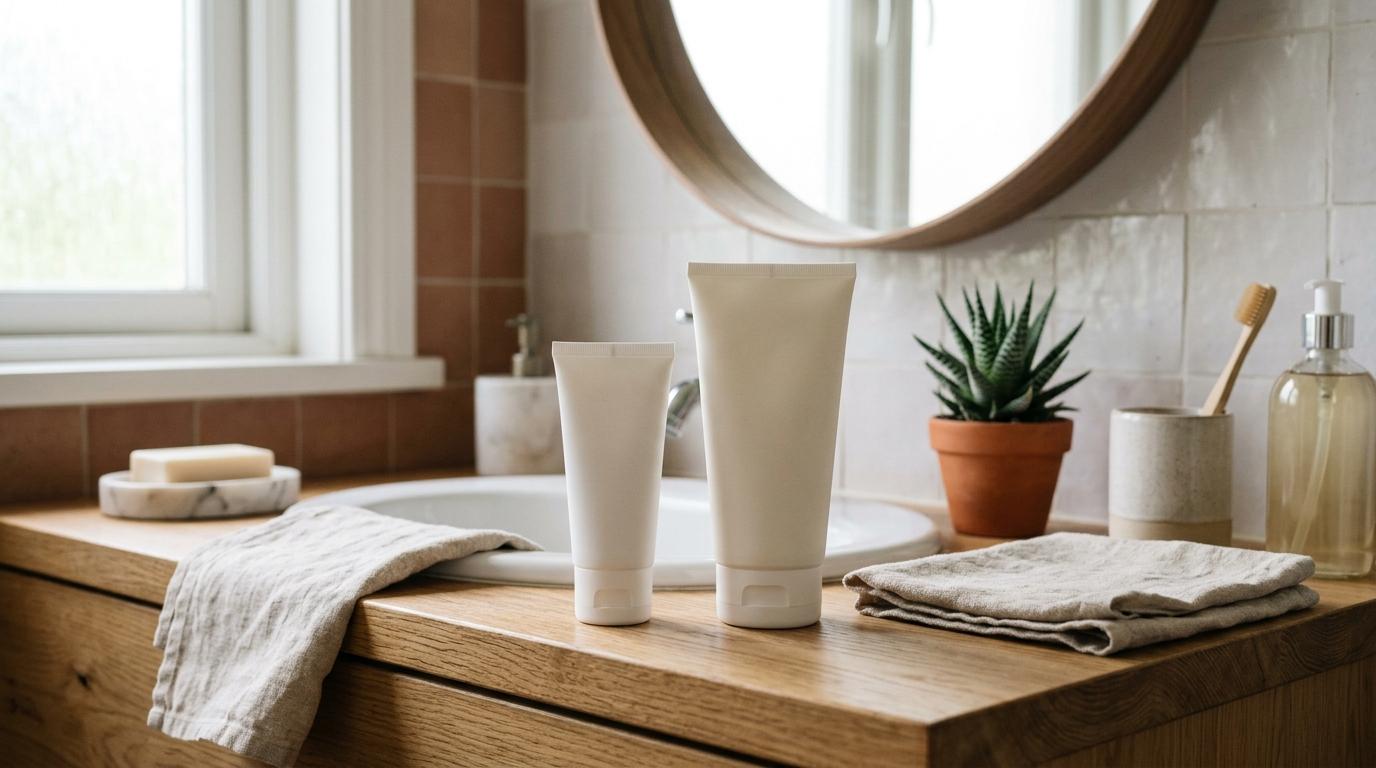
A small face sunscreen tube can feel elegant but expensive. A large body sunscreen bottle can feel less fancy but much more useful for arms, legs, and outdoor days.
Neither one is automatically better. They are simply made for different parts of your routine.
Face Sunscreen vs Body Sunscreen: Easy Comparison
#Can You Use Body Sunscreen on Your Face?
#Yes, you can.
If your body sunscreen is broad-spectrum, not expired, and has suitable SPF, it can protect your face too.
This is especially useful when you are travelling, at the beach, staying at a hotel, or you simply forgot your face sunscreen.
The problem is usually not safety. It is comfort.
Body sunscreen may:
- Feel heavy on the face
- Make oily skin look shinier
- Sting if it runs into your eyes
- Feel sticky in humid weather
- Sit badly under makeup
- Clog pores for some acne-prone skin types
So here is the practical answer:
- Once in a while: Body sunscreen on the face is fine if your skin tolerates it.
- Every day: A face sunscreen is usually more comfortable.
- Oily, acne-prone, or sensitive skin: A dedicated face sunscreen may make a big difference.
- Tight budget: One gentle broad-spectrum sunscreen for face and body is okay if you use enough.
Do not skip sunscreen just because you do not have the “perfect” one with you.
What to Use on Face, Neck, Body, and Hands
#Here is a simple sunscreen map you can actually follow.
Face
#Use a face sunscreen if you can, especially for daily wear.
Choose a texture that suits your skin and weather. In hot or humid climates, many people prefer gel, fluid, watery, or matte formulas because they feel lighter and less sticky.
If you wear makeup, look for a sunscreen that does not pill, slide, or leave a heavy white cast.
Neck
#Your neck needs sunscreen too.
You can bring your face sunscreen down to your neck, especially if the texture feels comfortable. If you want to save your face sunscreen, you can use body sunscreen on the neck as long as it does not irritate your skin.
The neck is easy to forget, but it gets plenty of sun exposure.
Ears
#Please do not forget your ears.
The tops and backs of the ears are exposed often, especially if you have short hair, tie your hair up, wear helmets, or spend time outdoors.
You can use either face or body sunscreen here.
Arms and Legs
#Use body sunscreen.
This is where bigger, more affordable bottles make sense. For daily commutes, apply sunscreen to exposed forearms and hands. For outdoor days, cover your shoulders, legs, feet, and any skin not protected by clothing.
Hands
#Hands are one of the most forgotten areas.
They are also washed often, which means sunscreen comes off easily. If you drive, ride a two-wheeler, walk outdoors, or commute in strong sun, keep a small sunscreen in your bag.
Reapply after washing your hands if they will be exposed again.
Back, Shoulders, and Chest
#Use body sunscreen generously.
These areas need more sunscreen than most people think. A small face sunscreen tube will disappear quickly here, so a larger body sunscreen is more practical.
Choosing Sunscreen by Skin Type
#These are general tips, not a medical diagnosis. If sunscreen causes rash, burning, swelling, allergy-like reactions, persistent acne, or unusual irritation, speak to a dermatologist. If you are pregnant, breastfeeding, or unsure about an ingredient, it is also best to check with your doctor or dermatologist.
For oily skin
#Look for:
- Gel or fluid texture
- Matte or natural finish
- Oil-free label
- Lightweight feel
- Non-comedogenic label, if available
In humid weather, thick creams can feel uncomfortable on oily skin. If your sunscreen makes you want to wash your face after 10 minutes, you are less likely to use enough of it. A lighter face sunscreen can make daily use much easier.
For dry skin
#Look for:
- Cream or lotion texture
- Hydrating feel
- Comfortable finish
- Fragrance-free option if your skin gets irritated easily
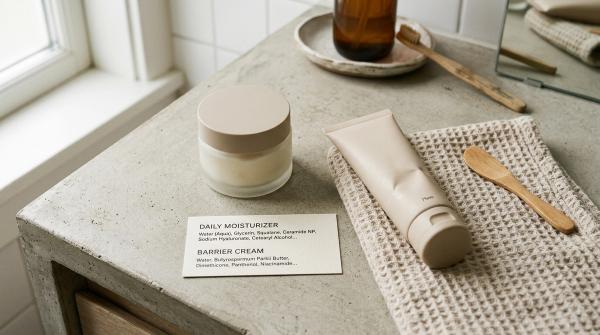
Dry skin often does well with a sunscreen that feels a little like moisturiser. If your sunscreen feels too drying or tight, you may end up applying too little, which reduces protection.
For sensitive skin
#Look for:
- Fragrance-free formulas
- Gentle textures
- Less eye sting
- Mineral filters like zinc oxide or titanium dioxide, if they suit your skin
Sensitive skin can react to fragrance, sweat, certain filters, preservatives, or even layering too many products. Patch testing a new sunscreen on a small area first can help.
For acne-prone skin
#Look for:
- Non-comedogenic label
- Gel, fluid, or light lotion texture
- Oil-free formula
- Fragrance-free option if your skin gets irritated easily
Not every sunscreen will break you out. Many face sunscreens are made specifically for oily or acne-prone skin. If your acne keeps getting worse, see a dermatologist instead of guessing.
For normal skin
#Choose the sunscreen you enjoy wearing.
That sounds too simple, but it matters. A sunscreen with perfect claims is useless if it sits untouched in your drawer.
Pick a broad-spectrum SPF 30 or higher that feels good enough for daily use.
Sunscreen in Humid Weather, Sweat, Monsoon, and Indian Commutes
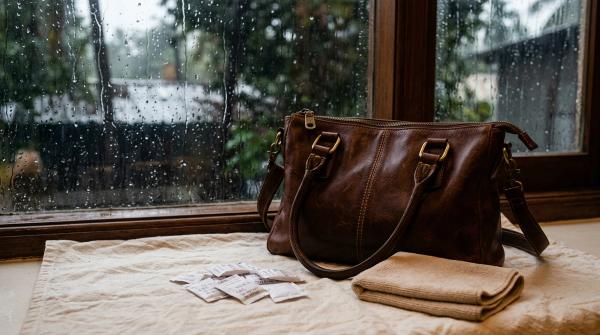
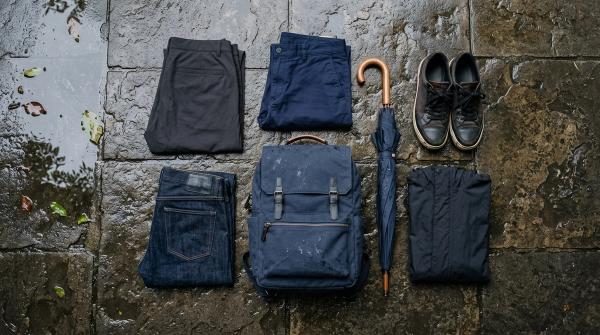
#For many people, sunscreen is not just for beach holidays. It has to survive real life: heat, sweat, pollution, helmets, masks, buses, metros, local trains, two-wheeler rides, office commutes, and sudden rain.
For hot and humid days
#Choose a face sunscreen that feels light and sets well.
Gel, fluid, watery, or matte formulas are often easier to wear in humid weather. For the body, choose a broad-spectrum sunscreen and look for water resistance if you sweat heavily or spend long hours outside.
For sweaty commutes
#If you sweat on your way to work or college, apply sunscreen before leaving and carry a small tube for later.
Pay attention to:
- Face
- Neck
- Back of the neck
- Ears
- Forearms
- Hands
If sunscreen keeps running into your eyes, try a different face formula. A body sunscreen may protect well, but it may not be the most comfortable choice around the eyes.
For monsoon
#Do not stop sunscreen just because the sky is cloudy.
Clouds do not block all UV exposure. If you are indoors all day, you may prefer a lighter formula. But if you are outside, travelling, or getting wet in the rain, water resistance and reapplication matter more.
For outdoor travel
#For treks, beach holidays, sightseeing, cricket days, road trips, weddings, outdoor shoots, or long travel days, carry both:
- A comfortable face sunscreen
- A larger body sunscreen
Use the body sunscreen generously on exposed arms, legs, shoulders, back, and hands. Save the face sunscreen for your face, neck, ears, and eye area if it suits you.
Budget Guide: Should You Buy One Sunscreen or Two?
#You do not need a shelf full of expensive sunscreens.
You need a sunscreen routine you can repeat.
Buy one sunscreen for everything if:
#- You are on a tight budget
- Your skin is not easily irritated
- The formula feels comfortable on both face and body
- It is broad-spectrum SPF 30 or higher
- You apply enough
- You reapply when needed
This is the simplest routine, and it works well for many people.
Buy separate face and body sunscreens if:
#- Body sunscreen feels greasy on your face
- Your eyes sting
- You wear makeup
- You have oily or acne-prone skin
- You sweat a lot
- You spend long hours outdoors
- You avoid sunscreen because you dislike the texture
This is often the more practical routine, especially for daily use.
A smart budget split
#Spend a little more on the sunscreen you use on your face, because comfort matters there.
Save money on body sunscreen by buying a larger bottle that still meets the basics: broad-spectrum, SPF 30 or higher, and water resistance if you sweat or swim.
A simple split can look like this:
- Face: Smaller tube with a better texture
- Neck and ears: Face sunscreen if comfortable, body sunscreen if budget is tight
- Arms, legs, hands, back: Larger body sunscreen
Sunscreen Label Checklist
#Before buying any sunscreen, check the label.
- Broad-spectrum: Helps protect against both UVA and UVB rays.
- SPF 30 or higher: A good daily baseline for most people.
- Water resistance: Important if you swim, sweat, exercise, travel, or spend time outdoors. No sunscreen is truly waterproof.
- Texture: Gel, cream, lotion, fluid, stick, spray, or milk. Choose what you will actually use.
- Fragrance: If your skin is sensitive or your eyes sting easily, fragrance-free may be better.
- Skin fit: Look for oil-free, matte, non-comedogenic, hydrating, or sensitive-skin labels depending on your needs.
- Expiry date: Do not use expired sunscreen.
- Usage instructions: Follow the label, especially for reapplication.
Safety and source notes
#The American Academy of Dermatology (AAD) recommends using a broad-spectrum, water-resistant sunscreen with SPF 30 or higher, and reapplying every 2 hours, as well as after swimming or sweating.
The U.S. Food and Drug Administration (FDA) says broad-spectrum sunscreens with SPF 15 or higher, used as directed along with other sun protection measures, can help protect against sunburn and sun-related skin damage. The FDA also advises reapplying at least every 2 hours.
Common Sunscreen Mistakes to Avoid
#Applying too little
#Most people use less sunscreen than they need.
A tiny, thin layer will not give you the protection written on the bottle. Apply sunscreen generously to all exposed skin, including your hairline, ears, neck, hands, and feet.
Forgetting to reapply
#Sunscreen is not a one-time morning shield.
Reapply at least every 2 hours when you are outdoors, and reapply after sweating, swimming, or towel drying.
For commutes, travel, and outdoor events, keep a small sunscreen in your bag.
Forgetting the neck, ears, and hands
#Many people apply sunscreen only to the face and stop there.
Your neck, ears, and hands are exposed often too. Bring sunscreen down to the neck and cover your ears when they are not protected by hair, a cap, or clothing.
Relying only on SPF in makeup
#Makeup with SPF can help, but it is usually not enough on its own.
Most people do not apply enough foundation, compact, or tinted product to get the SPF mentioned on the label. Use sunscreen first, then makeup.
Choosing a sunscreen you hate
#If your sunscreen feels sticky, burns your eyes, pills under makeup, or makes your skin look too greasy, you will naturally avoid it.
Instead of giving up on sunscreen, try a different texture.
Ignoring water resistance
#If you sweat heavily, ride a two-wheeler, work outdoors, swim, exercise, or travel in humid weather, water resistance matters.
Remember: water-resistant does not mean waterproof. You still need to reapply.
Leaving sunscreen in extreme heat
#Do not leave sunscreen in a hot car, on a sunny windowsill, or directly under the sun for long periods.
Store it as the label recommends so the formula stays stable.
Final Buying Guide: What Should You Use Where?
#If you want the simplest answer, here it is:
- Face: Use a dedicated face sunscreen if possible.
- Neck and ears: Use face sunscreen, or a gentle body sunscreen if budget matters.
- Arms and legs: Use body sunscreen.
- Hands: Use body sunscreen and reapply after washing when outdoors.
- Back, shoulders, and chest: Use body sunscreen generously.
- Outdoor travel: Carry both face and body sunscreen.
- Budget routine: One broad-spectrum SPF 30+ sunscreen is fine if you apply enough and your skin likes it.
The best sunscreen is not the fanciest or most expensive one.
It is the one you use properly, generously, and again when needed.