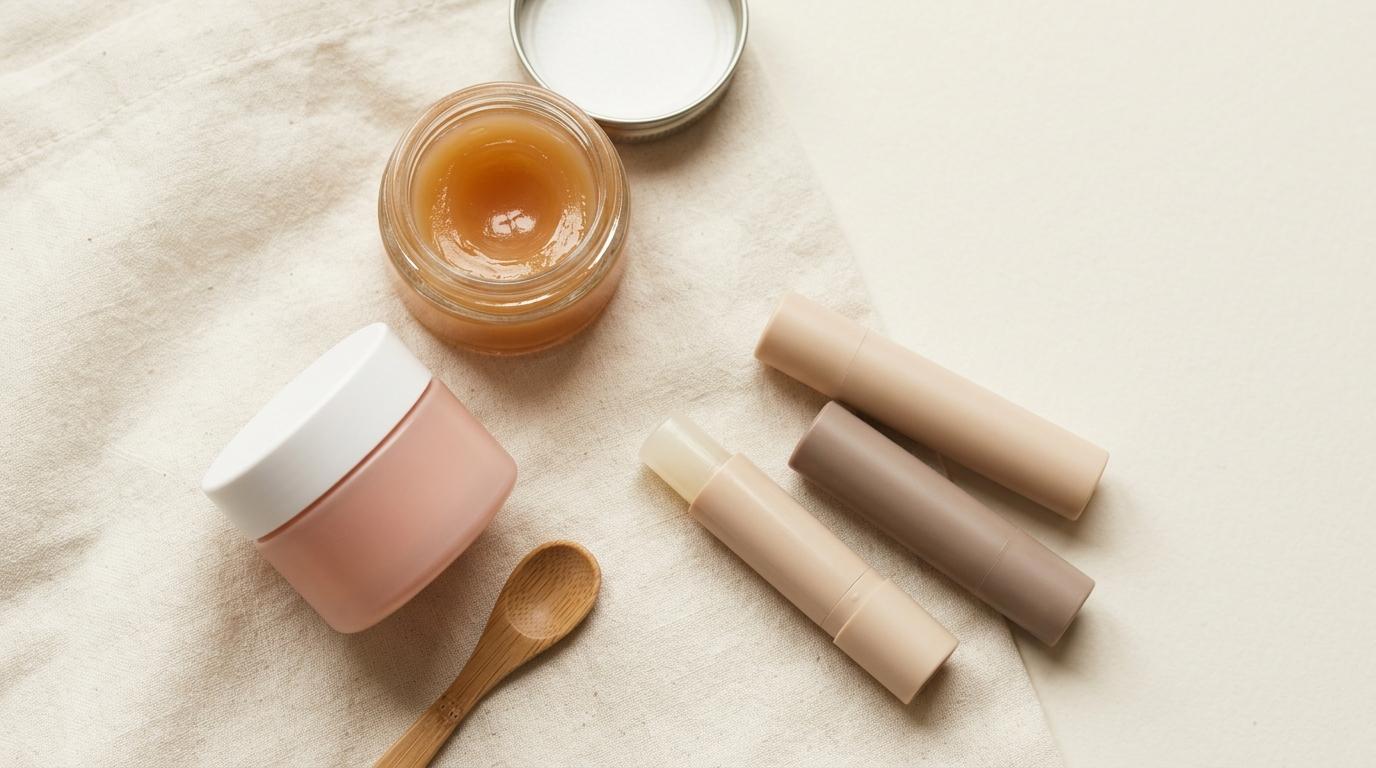
If you’re trying to choose between lip balm, lip mask, and petroleum jelly, here’s the simple version: use a lip balm for everyday dryness, a lip mask when your lips need extra comfort overnight, and petroleum jelly when you want to lock moisture in.
For daytime, especially if you’re outside a lot, an SPF lip balm is a smart buy. And if you want something that feels comfortable but also gives your lips a glossy finish, a lip oil can be lovely too.
Dry lips are annoying because they can change so quickly. One day your usual balm is fine, and the next your lips feel tight, flaky, or sore no matter what you put on. Cold weather, dry air, air conditioning, flights, sun exposure, and even licking your lips can all make things worse.
So instead of searching for one perfect product, it helps to know what each one is actually good at.
The Quick Answer
#- Best for everyday use: Lip balmGreat for mild dryness, daily protection, and easy reapplication.
- Best for overnight care: Lip maskThicker and richer, especially helpful when your lips feel dry or flaky before bed.
- Best for sealing moisture: Petroleum jellyA heavier barrier that helps lock moisture in, especially over slightly damp lips or another hydrating product.
- Best for shine: Lip oilA glossy, comfortable option when you want your lips to look a bit more polished.
- Best for daytime outdoors: SPF lip balmUseful when your lips are exposed to sun, wind, cold, or dry outdoor air.
Why Do Lips Get Dry So Easily?
#Lips dry out faster than many other areas of the face because the skin is thinner and more delicate. They also don’t have the same natural oil support that the rest of your skin has.
That’s why your lips might feel completely fine when you leave the house, then tight and uncomfortable by lunchtime after sitting in air conditioning, walking in cold wind, or spending time on a flight.
It’s also why one product may not work for every situation. A light balm might be perfect during the day. A thick mask may feel better at night. Petroleum jelly can be useful when you need a stronger protective layer.
The key is knowing when to use each one.
Lip Balm vs Lip Mask vs Petroleum Jelly: What’s the Difference?
#Lip balm
#Lip balm is the easiest everyday option. It’s usually designed to coat the lips, make them feel more comfortable, and help reduce moisture loss.
It’s also practical. You can keep one in your bag, pocket, desk drawer, car, or travel pouch and reapply it whenever your lips start to feel tight.
Choose a lip balm if your lips are mildly dry, a little chapped, or you just want something simple for daily use.
A basic balm may not be enough if your lips are badly cracked or peeling, but for normal everyday dryness, it’s usually the best place to start.
Lip mask
#A lip mask is usually thicker, richer, and more cushiony than a regular balm. It’s made to sit on the lips for longer, which is why many people use one before bed.
Choose a lip mask if your lips still feel dry after using balm, or if you often wake up with tight, flaky lips. It can also be helpful during winter, in very dry weather, or on long flights.
The downside is that some lip masks feel sticky or heavy. That’s fine at night, but not everyone wants that texture during the day.
Think of a lip mask as the product you reach for when a quick swipe of balm just isn’t cutting it.
Petroleum jelly
#Petroleum jelly is an occlusive, which means it creates a protective layer over the lips and helps stop moisture from escaping.
It’s important to understand that petroleum jelly doesn’t really hydrate your lips on its own. It works best when your lips are slightly damp, or when you apply it over a hydrating balm or lip treatment.
Choose petroleum jelly if your lips feel very dry, raw, cracked, or exposed to harsh air. It’s simple, heavy, and very good at sealing things in.
Just don’t expect it to feel like a soft scented balm or a fancy lip treatment. Its main job is protection.
Lip oil
#Lip oil sits somewhere between lip care and lip gloss. It usually feels lighter than a thick lip mask and gives your lips a shiny, healthy-looking finish.
Some lip oils feel nourishing, but they may not last as long as a waxy balm or petroleum jelly, especially if the air is very dry.
Choose lip oil if you want comfort, shine, and something that looks a little more polished than plain balm.
If your lips are very cracked or peeling, though, lip oil probably won’t be strong enough on its own.
SPF lip balm
#SPF lip balm is worth having if you spend time outdoors. Lips can get dry, sore, and irritated from sun exposure, so protecting them during the day makes sense.
Choose SPF lip balm for beach days, walks, holidays, hiking, skiing, commuting, or anytime your lips are exposed to direct sun.
At night, you don’t need SPF. Use a regular balm, lip mask, or petroleum jelly instead.
Who Should Buy What?
#Buy lip balm if:
#- You want one easy product for daily use.
- Your lips are mildly dry or only sometimes chapped.
- You need something portable and low-effort.
- You reapply often during work, travel, or flights.
- You prefer a stick or tube instead of dipping your fingers into a pot.
Don’t rely only on lip balm if:
#- Your lips are badly cracked or peeling.
- You apply it constantly but still feel dry.
- You need something thicker overnight.
- Your balm feels waxy but not actually comforting.
Buy a lip mask if:
#- Your lips feel dry at night or when you wake up.
- You have visible flakes.
- You want a richer layer before sleep.
- Regular balm doesn’t feel like enough in cold or dry weather.
- You don’t mind a heavier texture.
Skip a lip mask if:
#- You hate sticky or thick products.
- You want something easy to reapply while commuting or working.
- You need a neat, fuss-free daytime product.
- You prefer a barely-there feel.
Buy petroleum jelly if:
#- You want a strong sealing layer.
- Your lips feel raw, exposed, or very dry.
- You already use a hydrating lip product and want to lock it in.
- You prefer simple, fragrance-free lip care.
- You want something useful for dry air, flights, or cold weather.
Skip petroleum jelly if:
#- You expect it to hydrate your lips by itself.
- You dislike a shiny or heavy coating.
- You want a tinted, scented, or more cosmetic finish.
- You only need a lightweight daytime balm.
Buy lip oil if:
#- You want shine with a bit of comfort.
- You dislike heavy balms and masks.
- You want something that looks more like gloss.
- Your lips are dry, but not severely chapped.
Skip lip oil if:
#- Your lips are badly cracked or peeling.
- You need long-lasting protection in dry air.
- You want a strong barrier product.
- You don’t like glossy finishes.
Buy SPF lip balm if:
#- You spend time outdoors.
- Your lips dry out after sun exposure.
- You want a daytime lip product with protection.
- You’re travelling, walking, hiking, skiing, or going to the beach.
Don’t use SPF lip balm as your only night product if:
#- You want overnight comfort.
- You need a richer layer before bed.
- You don’t need sun protection indoors or while sleeping.
What to Check Before Buying
#1. Texture
#Texture matters more than people think. If you hate sticky products, don’t buy the richest lip mask just because it sounds like the most serious “treatment.” You probably won’t use it.
If your lips are only a little dry, a regular balm or lip oil may be enough. But if your lips are very dry, a thin oil might disappear too quickly. In that case, a thicker balm, lip mask, or petroleum jelly may work better.
The best product is the one you’ll actually use.
2. Format
#- Stick balm: Clean, portable, and easy for daily use.
- Squeeze tube: Handy and usually more hygienic than a pot.
- Pot balm or mask: Often rich, but you need clean fingers or an applicator.
- Wand lip oil: Great for shine, but not always ideal for cracked lips.
- Jar petroleum jelly: Useful at home, but less convenient when you’re out.
For flights, commuting, and everyday bags, stick balms and small tubes are usually the easiest. They’re tidy, quick, and don’t require much thought.
3. Ingredients by function
#You don’t need to memorize every ingredient on the label. It’s more useful to understand what different types of ingredients do.
- Humectants like glycerin or hyaluronic acid help attract water.
- Emollients like oils and butters help soften the lips.
- Occlusives like waxes or petroleum jelly help seal moisture in.
Dry lips often need both softness and sealing. That’s why applying a hydrating product first, then adding petroleum jelly on top, can feel better than using petroleum jelly alone.
4. Fragrance and flavour
#Sweet, minty, or strongly scented lip products can be tempting. They smell nice, and they can make you want to reapply more often.
But if your lips are already irritated, a simpler formula may be better. This is especially true if your lips sting, burn, or feel worse after using flavoured or fragranced products.
5. SPF for daytime
#If you’re buying a balm for daytime, think about whether you need SPF. It’s especially useful if you spend time outdoors, go on walks, travel often, or notice your lips feel dry after being in the sun.
Common Mistakes to Avoid
#1. Licking your lips
#It feels helpful for about two seconds, but it usually makes dryness worse. Saliva evaporates quickly and can leave your lips feeling even tighter than before.
2. Using petroleum jelly on very dry lips and expecting it to hydrate
#Petroleum jelly seals. It doesn’t add water by itself. For a more comfortable result, apply it over slightly damp lips or over a hydrating lip product.
3. Skipping SPF outdoors
#If your lips get sore, dry, or uncomfortable after sun exposure, a regular balm may not be enough. Use an SPF lip balm when you’re outside.
4. Buying only what’s trending
#Lip masks and lip oils can be great, but they’re not automatically better than a basic balm.
Choose based on your dryness level, your texture preference, and when you’ll actually use the product.
5. Wearing drying lip colour over chapped lips
#Matte or long-wear lip colours can cling to flakes and make lips look rougher. If your lips are already chapped, a tinted balm or comfortable lip oil may look and feel better until the dryness improves.
Simple Buying Guide by Situation
#- For office air conditioning: Keep a regular lip balm nearby and reapply when your lips feel tight.
- For flights: Use a thicker balm, lip mask, or petroleum jelly before your lips start feeling dry.
- For cold weather: Choose a more protective balm during the day, then use a lip mask or petroleum jelly at night.
- For dry weather: Add hydration first, then seal it in with balm or petroleum jelly.
- For daytime outdoors: Use SPF lip balm.
- For makeup days: Choose lip oil or tinted balm if your lips are only mildly dry.
- For peeling lips: Use a richer lip mask at night and avoid harsh lip colours for a while.
Final Verdict
#If you want just one product, start with a good everyday lip balm. It’s the easiest and most practical choice for daily dry lips.
If your lips still feel dry at night, add a lip mask. If they’re very dry, cracked, or raw, use petroleum jelly as a sealing layer, ideally over slightly damp lips or a hydrating product.
For daytime outdoors, choose SPF lip balm. For shine and comfort, lip oil is a nice option, but it’s not the strongest choice for serious chapping.
A good lip routine doesn’t need to be complicated: light protection during the day, richer care at night, and SPF when the sun is involved.
Cautious Skin-Care Disclaimer
#This guide is for general information only and is not medical advice. If your lips are bleeding, severely irritated, swollen, painful, or not improving with basic over-the-counter lip care, speak with a dermatologist or qualified healthcare professional to check for allergies, infections, or other possible causes.