That puffy-finger summer thing is real, and usually explainable
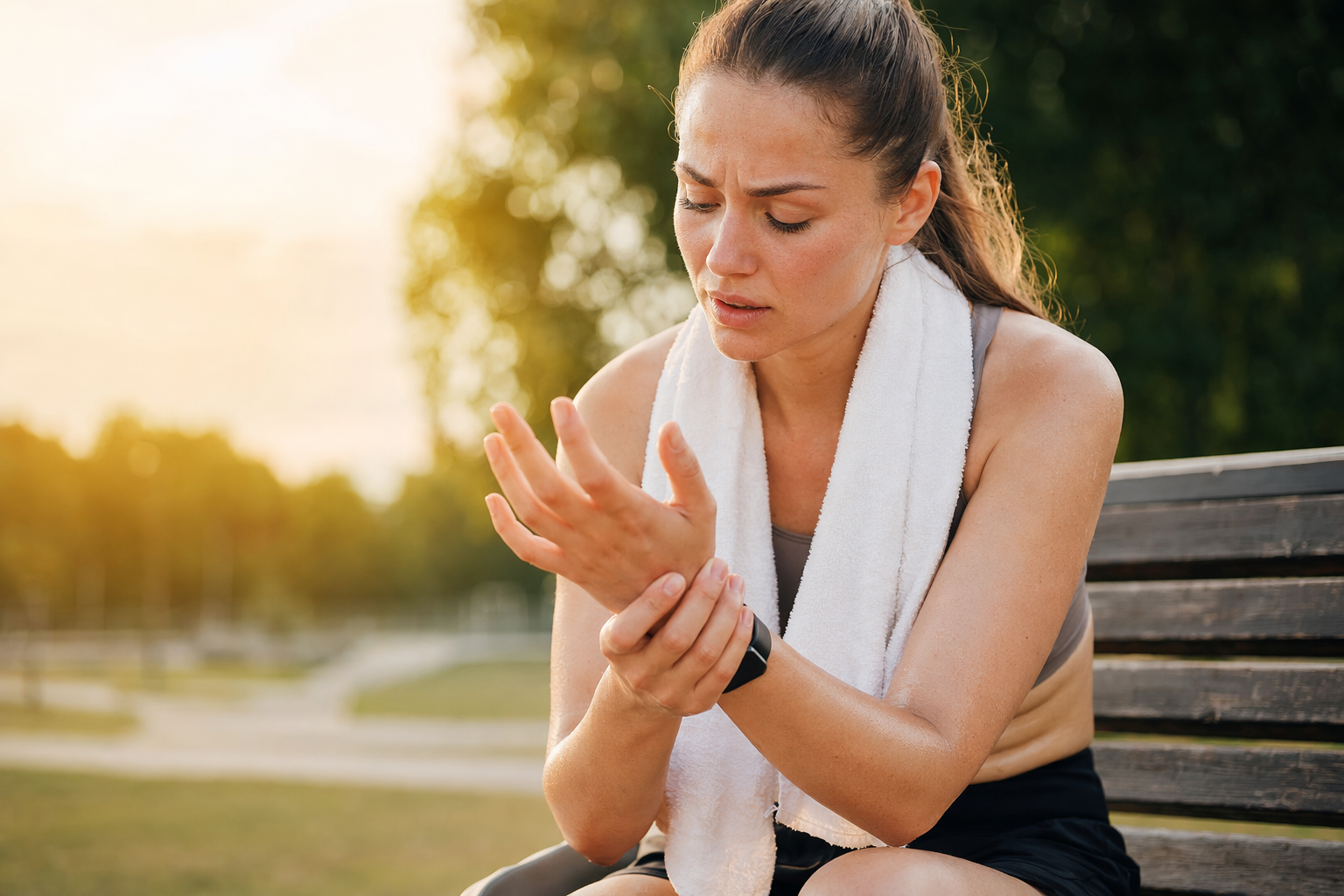
#Hands swelling in hot weather can feel weirdly personal. One minute your rings fit, and then by mid-afternoon they’re stuck, your fingers look a little sausage-y, and gripping a water bottle feels annoying. For many people, mild hand swelling during heat is temporary and not dangerous. It often comes down to how the body manages temperature, blood flow, salt, fluid, and movement. Still, “common” doesn’t mean “ignore everything.” Swelling can also show up with medication side effects, pregnancy, inflammation, injury, circulation problems, kidney or heart concerns, allergic reactions, and other medical issues. So the useful approach is: understand the normal-ish heat response, try low-risk comfort steps, and know when swelling deserves a proper medical check.
Health organizations and clinical references like Mayo Clinic, Cleveland Clinic, Merck Manual, the NHS, and CDC heat-safety guidance all describe swelling, fluid shifts, heat stress, and edema in slightly different ways, but the big picture is consistent: heat can widen blood vessels, change circulation, and make fluid collect in tissues, especially in the hands and feet. That doesn’t mean every swollen hand is “just the weather.” It means weather is one possible clue. The rest of the story is your pattern, your health history, your medicines, and whether anything else is happening at the same time.
Why heat can make hands swell
#When it’s hot, the body works hard to cool itself. One of the main ways it does this is by sending more blood toward the skin, where heat can leave the body more easily. Blood vessels near the surface widen, which is called vasodilation. That’s useful, but it can also make fluid move from the bloodstream into nearby tissues. In the hands, where there are lots of tiny vessels and where gravity can play a role if your arms are hanging down, this can show up as puffiness. Not dramatic, necessarily. Just that tight-ring feeling or fingers that look fuller than usual.
Sweating adds another layer. When you sweat, you lose water and electrolytes, including sodium. If you don’t replace fluids well, your circulation and fluid balance can get a bit strained. If you drink a lot of plain water very quickly without eating or replacing electrolytes, that can also feel off for some people, especially after heavy sweating. And if you eat a very salty meal, sit in the sun, then walk around for hours with your hands dangling, well... swelling can become more noticeable. Bodies are not tidy machines. They adjust constantly, and summer is basically a stress test for fluid balance.
The most common heat-related causes, in plain language
#Mild swelling in both hands during hot weather is often related to a handful of everyday factors. Heat opens blood vessels. Gravity encourages fluid to settle in lower or dangling areas. Long walks, outdoor errands, amusement parks, travel days, gardening, commuting, and standing around at events can all contribute. Even exercise can make hands swell because blood flow changes and arm swing may push fluid toward the fingers. Some runners and walkers notice this more when the weather is humid, because sweat doesn’t evaporate as easily and cooling gets less efficient.
- Heat-related vasodilation: blood vessels widen to release heat, and some fluid may shift into tissues.
- Gravity and posture: hands hanging at your sides for long periods may puff up, especially during walks or standing-heavy days.
- Salt and fluid balance: salty foods, dehydration, heavy sweating, and inconsistent electrolyte intake can all affect swelling.
- Repetitive hand use: gripping tools, carrying bags, cycling handlebars, or using trekking poles can make fingers feel tighter.
- Humidity: humid heat makes cooling harder, which may increase the body’s circulation changes.
Why rings get tight before anything else feels wrong
#Rings are unforgiving little truth-tellers. A tiny amount of swelling that you’d barely notice in your cheeks or ankles can feel obvious on a finger because there’s a fixed band sitting there. In hot weather, it’s usually smart to remove snug rings before a long walk, beach day, flight, workout, or outdoor event. Not because something terrible is likely, but because a stuck ring can become painful and stressful fast. If a ring is already stuck and the finger is turning blue, numb, very painful, or the skin is breaking down, that is not a “wait and see” situation. Medical care may be needed to protect circulation.
A practical habit: if you know your fingers swell in summer, take rings off before you swell, not after. Keep them in a zipped pouch, not loose in a pocket. It sounds basic, but it prevents a lot of panic. Also, avoid wrapping string, tape, or tight rubber bands around a swollen finger unless a qualified clinician has instructed you. Those internet tricks can sometimes worsen swelling or irritate skin.
When swelling is probably heat-related, and when it feels less simple
#Heat swelling is more likely when it affects both hands, appears during or after hot conditions, improves with cooling and elevation, and isn’t accompanied by major pain, redness, fever, shortness of breath, weakness, or sudden illness. It may come and go. It may be worse after salty meals, alcohol, travel, standing, long walks, or hormonal shifts. Many people describe it as tightness rather than sharp pain.
Swelling is less easy to brush off when it is one-sided, sudden, severe, worsening, painful, red, warm, linked to an injury, or paired with symptoms elsewhere in the body. One swollen hand after a bee sting is a different story than both hands feeling puffy after an outdoor market in July. One hand that is red, hot, and tender might suggest infection or inflammation. Swelling with hives, wheezing, lip or tongue swelling, throat tightness, or dizziness can be an allergic emergency. Swelling with chest pain or trouble breathing needs urgent care. Basically, context matters more than the weather forecast.
Medications and health conditions that can add to swelling
#This is where it gets a bit more medical, so gently: some medications are known to cause or worsen swelling in some people. Calcium channel blockers for blood pressure, certain anti-inflammatory pain relievers, steroids, some diabetes medicines, hormone therapies, and a few other drug categories can be associated with edema. That does not mean anyone should stop a medication on their own. Please don’t. If swelling started after a new medicine, a dose change, or a supplement, it’s worth asking a pharmacist or healthcare professional whether it could be related and what safer options exist.
Certain health conditions can also make swelling more likely or more important to assess. Heart, kidney, liver, thyroid, vein, lymphatic, inflammatory, and autoimmune conditions may all play a role in fluid retention or tissue swelling. Pregnancy can cause swelling too, especially in heat, but sudden swelling of the face or hands, severe headache, vision changes, upper abdominal pain, or high blood pressure symptoms during pregnancy should be treated seriously because of concerns like preeclampsia. Older adults, people with diabetes, people with circulation problems, and anyone with a complex medical history should be extra cautious about new or changing swelling.
Heat illness can overlap with swelling, so watch the whole body
#Hand swelling by itself is one thing. Hand swelling plus feeling faint, confused, nauseated, very weak, chilled despite heat, or unable to cool down is something else. The CDC and other public health agencies describe heat exhaustion and heat stroke as heat-related illnesses that can become serious quickly. Heat exhaustion may include heavy sweating, weakness, dizziness, headache, nausea, muscle cramps, and cool or clammy skin. Heat stroke is an emergency and may involve confusion, loss of consciousness, very high body temperature, or hot skin. Not everyone looks textbook, either. If someone seems mentally altered in the heat, treat it as urgent.
A simple rule: don’t focus so hard on the swollen fingers that you miss the person attached to them. Are they alert? Breathing normally? Able to drink? Cooling down once they’re in shade or air conditioning? Urinating normally? If the answer feels concerning, it’s better to get help than to tough it out. Hot weather has become more intense in many places, and heat risk is not just a “desert problem” anymore. Humid cities, crowded buses, outdoor work, power cuts, sports practice, and festival days can all push the body past its comfort zone.
Quick relief steps that may help in the moment
#For mild, likely heat-related hand swelling, start with cooling and circulation support. Move out of direct sun. Sit somewhere cooler. Loosen tight watches, bracelets, gloves, or sleeves. Lift your hands above heart level for a few minutes if that’s comfortable. Open and close your fists slowly, spread your fingers, rotate your wrists, and shake your hands gently. Not aggressively. The idea is to encourage fluid movement, not punish your hands for swelling.
- Cool your body first: shade, fans, air conditioning, cool cloths, or a lukewarm-to-cool shower may help.
- Elevate your hands: resting them on pillows or holding them above heart level for short periods can reduce that heavy, tight feeling.
- Move gently: slow finger pumps, wrist circles, and shoulder rolls may support circulation.
- Remove tight items early: rings, bracelets, sports bands, and snug sleeves can become uncomfortable as swelling increases.
- Rehydrate steadily: sip fluids instead of chugging huge amounts all at once, especially if you’ve been sweating a lot.
Cold packs can feel good, but use them carefully. Wrap ice or gel packs in cloth and avoid placing ice directly on skin for long stretches. If you have reduced sensation, neuropathy, Raynaud’s, circulation issues, or fragile skin, ask a clinician what kind of cooling is safe. Compression gloves or sleeves are sometimes used for swelling, but in hot weather they can be uncomfortable and may not be right for everyone. If swelling is new, painful, one-sided, or unexplained, get advice before squeezing the area with tight compression.
Hydration, salt, and the confusing summer drink situation
#Hydration advice gets weird online. One person says drink more water, another says salt is the enemy, another says electrolytes fix everything, and someone else is selling a neon powder that tastes like melted candy. The more grounded version is this: the body needs fluid and electrolytes, and needs vary by heat, sweating, activity, diet, medications, and health conditions. For many healthy adults doing normal daily activities, regular water plus meals is enough. For heavy sweating, long outdoor work, endurance activity, vomiting, diarrhea, or very hot conditions, electrolyte replacement may be useful. People with kidney disease, heart failure, high blood pressure, or fluid restrictions should ask a healthcare professional before increasing salt or electrolyte drinks.
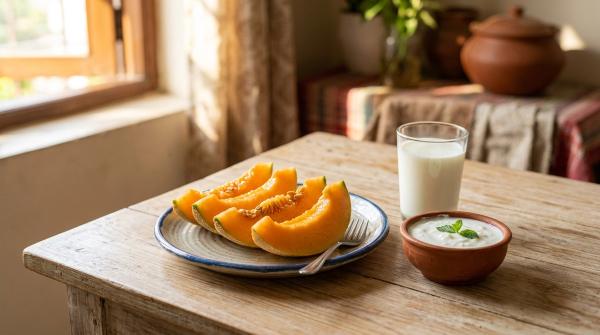
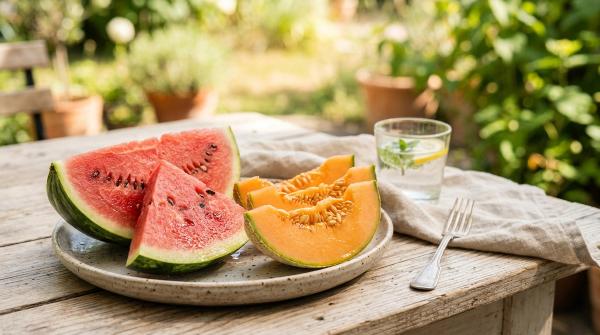
Food matters too. A very salty restaurant meal, packaged snacks, pickles, salty chaats, chips, processed meats, or instant noodles can leave some people feeling puffy the next day, especially in heat. That doesn’t mean salt is “bad” for everyone in every situation. It means balance. Fruits, vegetables, curd, dals, soups, coconut water for some people, and water-rich foods can support a more steady summer routine. If you enjoy traditional cooling drinks or sabja water, it’s still worth using them sensibly, especially if you have digestive issues, diabetes concerns, swallowing problems, or take medications. This guide on Can You Drink Sabja Seeds Daily in Summer? Soaking, Timing and Safety Tips goes into that kind of summer self-care in a practical way.
Movement can both cause swelling and relieve it, annoying but true
#Here’s the slightly contradictory bit: movement can bring on hand swelling, and movement can also help reduce it. During walking, hiking, or running, your arms may hang down and swing for a long time. Blood flow increases, vessels widen, and fluid may collect in your fingers. At the same time, gentle muscle contractions help move fluid through veins and lymph channels. So if your hands swell during a walk, stopping completely isn’t always the only answer. Sometimes changing arm position, doing hand pumps, raising your hands briefly, or loosening your grip can help.
If you walk in hot weather, try not to clutch your phone or bottle tightly the whole time. Switch hands. Keep shoulders relaxed. Bend your elbows occasionally. If you use trekking poles, avoid death-gripping them. If you’re cycling, check handlebar position and glove tightness. For gym workouts, be mindful that heat, high effort, and gripping weights can all make hands feel puffy. Swelling that comes with severe pain, numbness, weakness, or loss of function is not normal workout “pump” and should be checked.
Travel, flights, and long sitting in hot weather
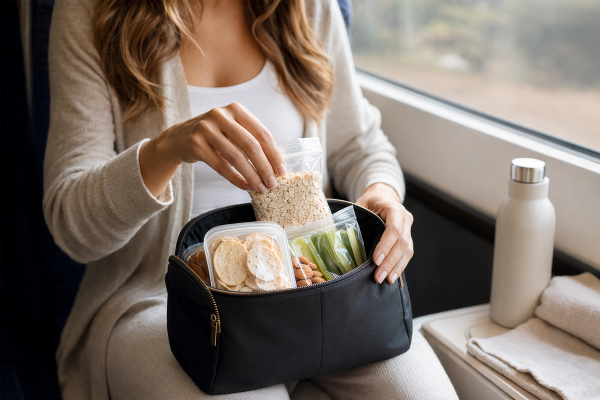
#Travel days are practically designed to cause puffiness. You sit for hours, eat salty snacks, carry bags, rush through heat, maybe drink less water to avoid bathroom stops, then sit again. Swelling in the feet gets more attention, but hands can swell too, especially if you’re carrying luggage or keeping arms low for long periods. During long car rides, bus trips, or flights, regular gentle movement can support circulation: shoulder rolls, wrist circles, opening and closing hands, and short walks when safe and allowed.
Seek medical advice promptly if swelling after travel is one-sided, painful, associated with redness or warmth, or paired with shortness of breath or chest discomfort. Those symptoms raise different concerns and shouldn’t be treated as normal travel puffiness. Also, if you already have a clotting disorder, recent surgery, cancer treatment, pregnancy, hormone therapy, or a history of blood clots, ask a clinician about travel precautions before long trips. General wellness tips are not enough for higher-risk situations.
What about diet trends, supplements, and “water retention fixes”?
#There are a lot of products marketed for bloating and water retention: detox teas, diuretic herbs, magnesium blends, lymphatic drainage tools, special salts, and random capsules with very confident labels. Some may be harmless for some people, some may be unnecessary, and some can interact with medications or medical conditions. Diuretic-style supplements are especially worth caution because changing fluid and electrolyte balance is not a casual thing. Natural does not automatically mean gentle. Herbal products can affect blood pressure, kidneys, blood sugar, bleeding risk, and medication levels.
If mild heat swelling is the issue, the safest first steps are usually boring: cool down, hydrate appropriately, reduce extreme salt intake, move gently, elevate, and watch patterns. If swelling is frequent or bothersome, a symptom diary can help. Note the temperature, humidity, foods, alcohol, menstrual cycle timing if relevant, activity, medications, travel, and whether swelling improves overnight. This isn’t about self-diagnosing. It’s about giving a healthcare professional useful information if you need to ask for help.
When to contact a healthcare professional
#Please get professional medical advice if hand swelling is new and unexplained, persistent, worsening, painful, or interfering with daily tasks. Also check in if it happens along with swelling in the legs, face, or abdomen, unusual weight gain, fatigue, shortness of breath, changes in urination, joint stiffness, fever, rash, numbness, tingling, or weakness. These symptoms do not automatically mean something serious, but they do mean the swelling deserves more than a quick internet answer.
Seek urgent or emergency help for swelling with trouble breathing, chest pain, fainting, confusion, severe headache, signs of stroke, blue or numb fingers, severe pain, rapidly spreading redness, high fever, a serious injury, or swelling of the lips, tongue, throat, or face after a possible allergic exposure. During pregnancy, sudden hand or face swelling, vision changes, severe headache, or upper abdominal pain should be assessed quickly. If you’re unsure whether symptoms are urgent, calling a local medical helpline, emergency service, or healthcare professional is usually the safer move.
A gentle prevention plan for hot days
#Prevention doesn’t have to be complicated. Plan outdoor errands earlier or later when possible. Wear breathable clothing. Take breaks in shade. Keep water available, and eat regular meals if you’ll be sweating. Remove snug jewelry before long heat exposure. Use sunscreen, because sunburn can worsen swelling and inflammation in the skin. If you’re exercising, build heat exposure gradually rather than jumping into intense activity on the first hot day. Acclimatization matters. The body can adapt somewhat to heat over time, but it still has limits.
For people who work outdoors or care for others in hot homes, prevention is more than comfort. It’s safety. Employers, caregivers, coaches, and families should take heat seriously with rest breaks, cooling options, hydration access, and symptom awareness. Older adults, babies, people with chronic conditions, and people taking certain medications may have a harder time regulating temperature. And yes, hands swelling may be just one small sign that the body is dealing with heat. It’s not always the main warning sign, but it can be part of the picture.
The bottom line on hot-weather hand swelling
#Hands can swell in hot weather because the body is trying to cool itself, blood vessels widen, fluid shifts into tissues, and everyday factors like salt, sweating, posture, travel, and activity add to the effect. Mild, temporary swelling in both hands that improves with cooling, elevation, hydration, and gentle movement is often manageable with simple steps. But swelling that is sudden, severe, one-sided, painful, persistent, or paired with other symptoms should be taken seriously. You don’t need to panic, and you also don’t need to dismiss it.
A good summer rule: treat mild puffiness with practical care, but treat unusual swelling as information your body is giving you.
If this happens to you often, bring it up at your next healthcare visit, especially if you take medications or have a heart, kidney, thyroid, circulation, pregnancy-related, or inflammatory condition. A qualified professional can help sort out what’s normal for your situation and what needs follow-up. Stay cool, take the rings off early, don’t let wellness trends bully you into weird fixes, and for more reader-friendly health and wellness explainers, you can always browse AllBlogs.in.