I love India by road. I really do. Give me a slightly dusty taxi, a driver who knows every shortcut except the one Google Maps is screaming about, a thermos of chai rolling around near the gear stick, and I’m happy. Mostly. But after years of airport runs, hill-station climbs, night taxis between cities, and one truly emotional ride from Delhi to Rishikesh after eating too much chole bhature, I’ve learned something important: what you eat before a long taxi ride in India can make or break the whole journey. Not in a cute way. In a please-stop-the-car-bhaiya kind of way.
This is not a fancy nutrition guide. I’m not here in a white coat. I’m writing this as someone who has eaten very good food at very bad times. The kind of traveller who sees hot jalebis being fried at 6:30 in the morning and suddenly forgets that there are five hours of hairpin bends ahead. Food and travel in India are so tangled together that it feels almost rude to say no. But sometimes the bravest culinary decision is not ordering the second plate. Sad, but true.
The Golden Rule: Eat Like You’re About to Be Gently Shaken for Hours
#Indian taxi rides are their own little universe. In cities, you’re crawling through traffic, stopping, starting, braking, honking, sweating, laughing, maybe regretting the extra masala dosa. On highways, you’re dealing with speed breakers that appear out of nowhere like plot twists. In the mountains, the road curls around itself until your inner ear starts writing complaint letters. So I always think of my pre-taxi meal as something that should sit quietly in the stomach. Not fight for attention.
For me, the best pre-ride food is warm, simple, not too oily, not too spicy, and not massive. This sounds boring until you’re two hours into a taxi ride and feeling perfectly fine while your friend, who ate a cheese-loaded sandwich and cold coffee, is staring into the middle distance with deep regret. I’ve been both people. I prefer the boring person now.
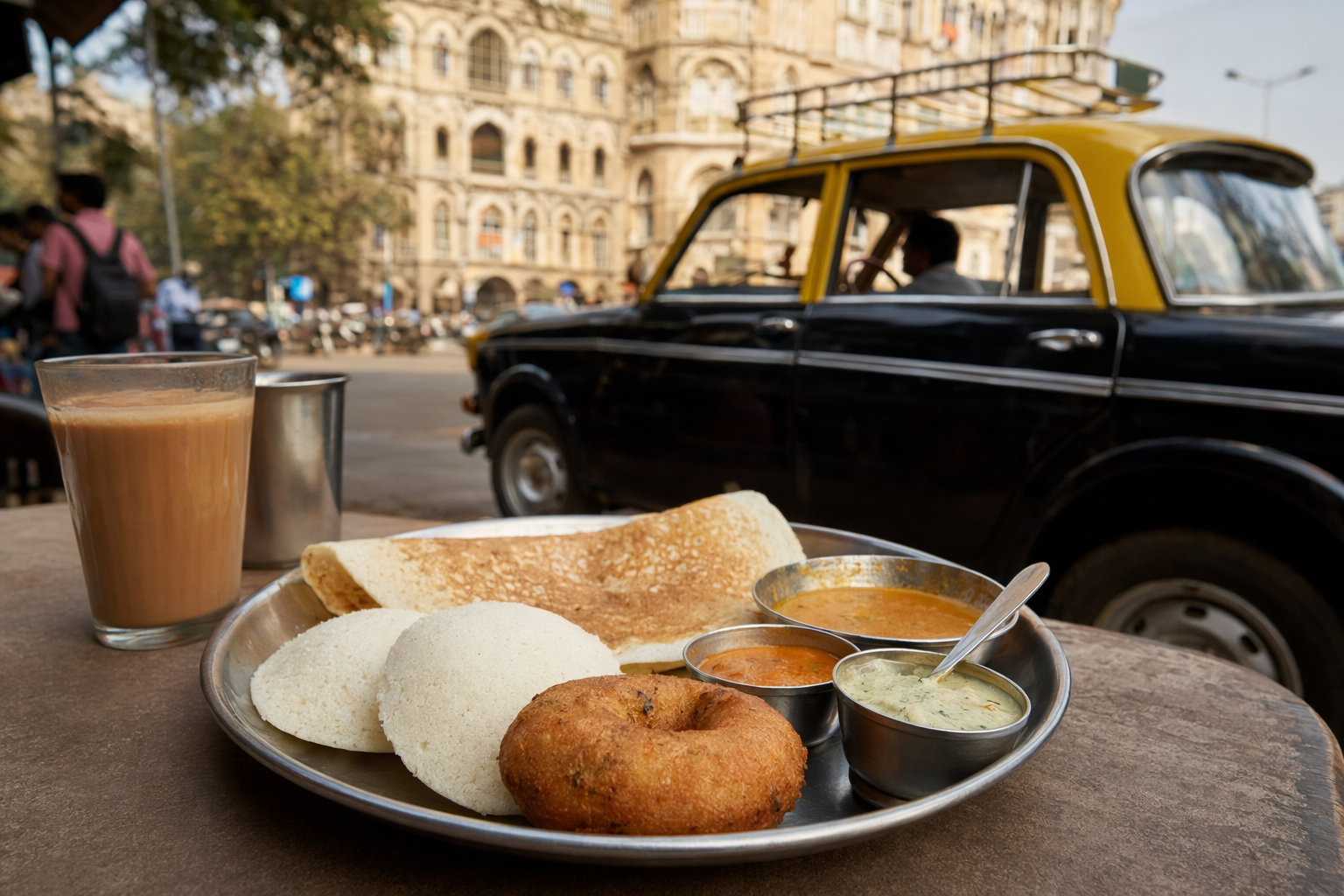
- Idli with a little coconut chutney is my safest bet, especially in South India. Soft, steamed, filling but not heavy.
- Poha with peanuts, if it’s not drowning in oil, works beautifully before morning drives.
- Curd rice is underrated taxi food. Cool, calming, easy. I know some people avoid curd before travel, but in hot places it has saved me.
- Banana and plain toast sounds like hospital food, I know, but on rough roads it can feel like a blessing.
My Delhi Mistake: Chole Bhature Before a Long Cab Ride
#Let’s talk about the Delhi incident because apparently I need to confess it publicly. I had an early taxi booked to Haridwar, and the plan was simple: eat something light, carry water, nap in the back seat. Then the driver came ten minutes late, which put us next to a famous breakfast place just as the bhature were puffing up in hot oil. You know that smell. That dangerous smell. Me and my friend looked at each other like responsible adults and said, "just one plate." Obviously it became two.
The first hour was glorious. The second hour was spiritual, but not in the way I wanted. The road wasn’t even that bad, yet every turn reminded me of the chickpeas, the fried bread, the pickled chilli I had no business touching. Since then, I don’t do heavy Punjabi breakfasts before long taxi rides unless the drive is short and straight and I have nothing to prove. Chole bhature is magnificent food. It is also not always a great co-passenger.
South India Taught Me the Beauty of Steamed Breakfasts
#Some of my easiest taxi mornings have been in Tamil Nadu, Karnataka, and Kerala, where breakfast can be light without feeling like punishment. In Madurai once, before a long cab ride toward Thekkady, I ate three idlis, a spoon of sambar, and barely any chutney because I was being cautious. I remember thinking, this is too little, I’ll be hungry in one hour. But no. I felt steady the whole way, even when the road began climbing and the driver started overtaking buses with the confidence of a movie hero.
Udupi-style places, darshinis in Bengaluru, small tiffin rooms in Chennai, hotel breakfast counters in Kochi, these are all lifesavers if you know what to choose. Idli is the classic. Plain dosa can work too, but if it’s very crisp and oily, I slow down. Upma is good when it’s fresh and not too greasy. Pongal is delicious, though sometimes it’s heavy with ghee, so I eat a smaller portion. Vada? I adore vada. I would marry a good medu vada. But before a long ride, fried food and I keep a respectful distance.
Before Hill Roads, Be Even More Boring Than Usual
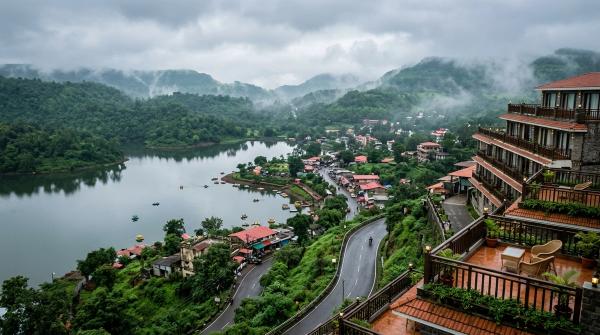
#Hill-station taxi rides in India are beautiful and also mildly chaotic. The road to Munnar, the climb to Shimla, the loops around Mussoorie, the wet bends near Mahabaleshwar, the misty roads in Sikkim, they all look romantic until your stomach starts doing its own folk dance. I’ve learned to eat smaller before hill roads and carry snacks that don’t smell too strong. Nobody wants to be trapped in a cab with boiled eggs, petrol fumes, wet jackets, and panic. Trust me.
If I’m leaving for the hills, I like a light breakfast about an hour before the ride when possible. Not always possible, of course, because travel has a way of making schedules useless. A banana, idli, dry toast, maybe poha. If it’s monsoon and the roads are curvy, I get extra careful because damp weather plus winding roads plus overenthusiastic breakfast is not a cute combo. I wrote about this whole thing in more detail while thinking of rainy mountain journeys here: Hill-Station Breakfast in Indian Monsoon. That one came from many soggy, slightly nauseous mornings.
What I Avoid Before a Long Taxi Ride, Even Though It Hurts My Feelings
#This list is personal, but I’ve seen enough friends suffer to feel confident about it. Before a long taxi ride in India, I avoid anything too oily, too spicy, too creamy, or too experimental. Not forever. Just before the ride. There’s a time for laal maas, butter chicken, pav bhaji with extra butter, misal pav that attacks you lovingly, and biryani with the full raita-onion-salan situation. That time is usually after arriving, not before leaving.
- Heavy fried breakfasts like puri bhaji, chole bhature, kachori sabzi, and stuffed parathas with loads of butter. Delicious, dangerous.
- Very spicy street food right before departure, especially if I don’t know the vendor or my stomache is already nervous.
- Too much dairy, like big lassi, thick milkshakes, creamy coffee, or rich sweets. A small amount may be fine, but I don’t gamble now.
- Raw salads from random roadside places before travel. I’ll eat cooked food over uncooked when I’m about to be stuck in a taxi.
- Anything that smells very strong. Not because it’s bad, but because closed car plus motion plus smell can become a whole drama.
Highway Dhabas: Love Them, But Choose Like a Calm Person
#Dhabas are one of the great joys of travelling in India. I mean that sincerely. Some of my favourite meals have happened at highway dhabas with plastic chairs, steel tumblers, trucks parked outside, and rotis arriving hotter than my ability to make good decisions. Aloo paratha with white butter in Punjab, dal fry near Jaipur, lemon tea somewhere outside Siliguri, simple rice and dal on the road to Hampi. These places have soul.
But if I’m eating before continuing in a taxi for hours, I keep it simple. Dal-rice is usually better than paneer butter masala with three tandoori rotis. Plain roti and sabzi is better than deep-fried snacks. Curd can be nice if it looks fresh and the place is busy. I prefer places where food is being cooked quickly and customers are rotating, not lonely counters where snacks look like they’ve been waiting since yesterday. That’s not me being snobby, that’s just road wisdom.
My personal dhaba rule: eat what’s hot, freshly made, and boring enough that your stomach doesn’t start a protest march halfway to the next toll booth.
Airport Taxi Rides Are a Different Beast
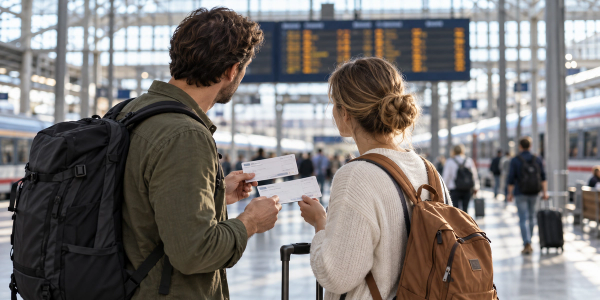
#The airport taxi ride has its own emotional flavour. You’re half asleep, maybe leaving at 4 a.m., maybe stuck on the expressway, maybe calculating if you’ll miss check-in because one flyover is jammed for reasons nobody understands. Food choices before these rides are tricky because you’re not just preparing for the taxi, you’re preparing for security lines, gate delays, and airplane coffee that tastes like warm confusion.
Before airport transfers, I go very light. A banana, a small homemade sandwich, a couple of biscuits, or idli if the hotel breakfast starts early. I avoid drinking too much tea on an empty stomach because acidity can make a long cab ride feel longer. But I also love chai, so I’m not pretending I’m a saint. If your ride is to the airport and you’re debating chai, coffee, sleep, and acidity, this piece on Indian Airport Tea and Coffee Before Flights: What to Drink is actually useful, especially for those horrible early departures where your body is awake but your soul is still in bed.
The Best Regional Pre-Taxi Foods I’ve Found
#India is too big for one perfect taxi meal. What works in Kochi might not be what you find in Jodhpur, and what sounds light in Mumbai might be suspiciously buttery in Delhi. That’s the fun part. You learn the road by eating around it. In Maharashtra, poha is my loyal friend. In Gujarat, a small portion of thepla with curd or pickle, not too much pickle, can be brilliant because it travels well and doesn’t collapse into sadness. In Bengal, luchi and aloor dum is heavenly, but before a long cab ride I’d rather go with muri, banana, or a light veg sandwich unless the road is kind.
In Rajasthan, I love pyaaz kachori more than I should admit, but I do not eat it before long taxi rides anymore. Learned that in Jodhpur, after saying, "arre it’s just one." It was not just one. In the northeast, I’ve had simple rice, boiled vegetables, eggs, and tea before road trips that felt perfect, though I go easy on eggs if the road is twisty. In Goa, poi with omelette sounds innocent but can get heavy if it’s greasy, so again, portion matters. Honestly, half the game is not the dish itself, it’s how much of it you eat.
Snacks to Carry, Because Indian Taxi Time Is Not Real Time
#If a driver says four hours, I hear five and a half. Not because anyone is lying, but because India happens. Traffic, cows, landslides, tea stops, toll queues, wedding processions, a random truck unloading onions in the middle of a lane. So I always carry small snacks. Not a full picnic, just enough to stop myself from becoming dramatic when hungry. And I do become dramatic. Ask anyone who has travelled with me.
- Bananas, unless it’s too hot and they’ll turn into sweet mush in the bag.
- Plain crackers or khakra, especially for slow nibbling.
- Roasted makhana, chana, or peanuts, but not too many peanuts because they can feel heavy.
- Electrolyte sachets or ORS when travelling in hot weather, especially if I’ve been sweating alot.
- Mint, ginger candy, or saunf. I don’t know if it’s magic or memory, but it helps me feel settled.
The snack thing is especially useful if you get motion sick. I’m not a doctor, obviously, and if you get serious nausea you should ask a medical person about proper medicine. But small bland bites and steady sips help me more than long gaps and then panic-eating chips at a petrol pump. Similar logic works on water too, by the way. I’ve used the same snack thinking on boats, and if ferries make you queasy, this guide on Ferry and Boat Trip Meals for Travelers has some overlap with road travel, especially the whole don’t-board-stuffed idea.
Chai, Coffee, Water: The Liquid Decisions Matter More Than You Think
#I used to think food was the main issue before a long taxi ride, but drinks can betray you too. Too much chai and I get acidy. Too much coffee and my heart behaves like we are being chased. Too much water and suddenly every 40 minutes I’m scanning the horizon for a decent toilet, which is not always a relaxing activity. Too little water and I arrive with a headache and lips like old paper. Balance is annoying. Balance is also necessary.
My usual method is one small tea if I really want it, not on a totally empty stomach. Then water in slow sips. Coconut water is lovely before a ride if it’s fresh and you trust the place. Nimbu pani can be great, but I prefer it made with safe water and not too much sugar. I avoid fizzy drinks before winding roads because burps plus bends is, um, not elegant. And no, energy drinks are not breakfast. I say this because I have been that fool in a taxi from Pune to Mumbai, vibrating with caffeine and regret.
Street Food Before a Taxi: Sometimes Yes, Often Later
#This is where my heart and brain argue. Street food is one of the best reasons to travel in India. Vada pav in Mumbai, pani puri in Ahmedabad, momos in Gangtok, tikki in Delhi, mirchi bajji in Hyderabad, litti chokha in Bihar, rolls in Kolkata. I plan trips around snacks. I have walked absurd distances because someone’s cousin’s colleague said a stall was good. Food people understand this kind of madness.
But before a long taxi ride, I ask three boring questions. Is it freshly cooked in front of me? Is it too spicy or oily? Do I know how my body reacts to it? If the answer is shaky, I save it for later. Pani puri before a five-hour taxi ride is not bravery, it is a hostage situation waiting to happen. Hot dosa from a busy stall? Maybe. Freshly steamed momos? Maybe, if not too spicy. Deep-fried mystery snack that has been sitting under a fly’s supervision? No thank you, even if it smells amazing.
Timing: Don’t Eat and Immediately Jump Into the Cab
#This one sounds obvious, but travel mornings are messy. You wake up late, pack badly, argue with the suitcase zip, pay the hotel bill, and suddenly breakfast becomes a sprint. I’ve done the thing where I shovel food into my mouth while the driver is calling every two minutes. Bad idea. If I can, I eat 45 minutes to an hour before leaving. If not, I eat half, carry the rest, and let my stomach catch up with reality.
For very early rides, I don’t force a full meal at 5 a.m. My body doesn’t want rajma at sunrise, even if my heart respects rajma deeply. I’ll do banana, toast, tea, maybe a boiled potato with salt if someone’s home has packed it. Then I eat properly after the first break or at the destination. The destination meal always tastes better when you haven’t spent the ride fighting your own digestion.
A Few Meals That Have Actually Worked for Me
#- In Bengaluru before a long taxi to Coorg: two idlis, half a vada because I have weak morals, and filter coffee sipped slowly. I survived the curves nicely.
- In Jaipur before driving toward Pushkar: plain paratha without too much ghee, curd, and chai. Not perfect, but pretty good.
- In Kochi before a ride to Munnar: appam with a small amount of vegetable stew. Light enough, warm enough, no drama.
- In Mumbai before an airport taxi during rain: poha and one cutting chai. The traffic was disgusting, but my stomach behaved.
- In Varanasi before a long cab to Lucknow: toast, banana, and later a proper lunch. I skipped the kachori that morning and still think about it, but I know I was right.
What to Eat If You’re Travelling With Kids or Older Parents
#Family taxi rides are different. Someone is always hungry, someone is too hot, someone wants the window open, someone is offended by the AC, and somebody packed snacks but forgot water. With kids, I keep food predictable: bananas, plain paratha rolls, idli, bread-jam if they tolerate sweet stuff, crackers, maybe homemade lemon rice that isn’t too spicy. Avoid giving them totally new foods right before a ride, because that is not the time for digestive experiments.
For older parents, it depends on their health, routines, and what they’re used to eating. My mother, for example, is fine with curd rice before travel but does badly with oily snacks. My uncle insists he can eat anything and then spends the ride blaming the road. So, you know. I try to pack familiar foods, keep medicines accessible, and plan toilet breaks without making a big fuss. Dignity matters on the road too.
The Meal After Arrival Is Where You Go Wild
#Here’s the happy part. I’m not saying don’t eat India’s glorious food. Please eat it. Eat the biryani, the thali, the fish curry, the kebabs, the jalebi, the momos, the misal, the parathas, the crab, the thukpa, the dosa that’s longer than your table. Just maybe eat it after the long taxi ride. Arrival meals have a different joy anyway. You’re tired, dusty, grateful, and suddenly the first proper plate in a new place tastes like a reward.
I still remember reaching Udaipur after a long, dry ride and eating dal baati churma at night like I had discovered civilization. Or arriving in Pondicherry and having a late lunch of lemon rice and fish fry after behaving sensibly all morning. That’s my favourite travel rhythm now: gentle food before the ride, exciting food after. It sounds mature, which is suspicious, but it works.
My Simple Pre-Taxi Formula, If You Want the Short Version
#If the taxi ride is under two hours, I’m flexible. If it’s three to six hours, I eat light and familiar. If it’s mountains, monsoon, or bad roads, I become very conservative. If it’s an overnight taxi, I eat early, avoid heavy dinner, and carry water and dry snacks. If I’ve had alcohol the night before, which has happened on some Goa and Jaipur trips, I keep breakfast extra plain because hangover plus taxi is a punishment I do not recommend.
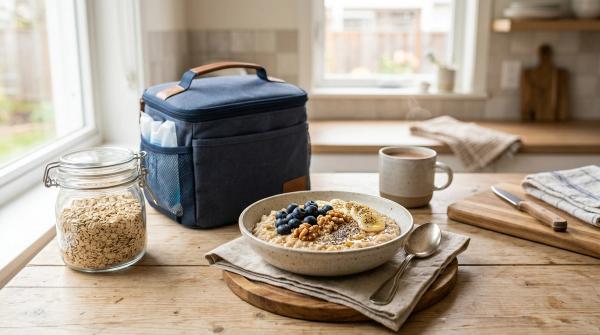
A good Indian pre-taxi plate, in my opinion, looks like this: one soft carb, one gentle protein if you want it, a little salt, not too much chilli, and a drink that hydrates without attacking your stomach. Idli and sambar. Poha and tea. Curd rice. Small veg sandwich. Lemon rice. Khichdi. Plain dosa. Toast and banana. None of these sound glamorous, but glamour is overrated when you’re stuck in the back seat on a bumpy road outside Nashik.
Final Thoughts From the Back Seat
#Long taxi rides in India have given me some of my favourite travel memories: sunrise over mustard fields, coconut trees flashing past in Kerala, drivers telling family stories, sudden tea stops where the chai is somehow perfect, roads that make you pray and laugh at the same time. Food is part of all of it. But timing matters. The same kachori that tastes like heaven in a market can feel like a personal enemy on a twisting road.
So eat well, but eat wisely. Save the heavy feast for when the bags are down and the shoes are off. Before the ride, be kind to your stomach. It’s travelling too, poor thing. And if you’re as obsessed with food journeys as I am, you’ll probably enjoy wandering through more food and travel stories on AllBlogs.in, preferably while eating something sensible. Or not sensible. Depends if you’ve got a taxi booked.