The First Thing I Learned in India: The Food Is Glorious, But Don’t Get Cocky About Water
#My first proper restaurant meal in India was in Delhi, on one of those warm evenings where the air smells like frying onions, diesel, wet dust, and cardamom all at once. I had landed with the confidence of someone who had watched too many food travel shows and thought, yeah, I’ve got this. Butter chicken, roomali roti, green chutney, maybe a sweet lime soda. Easy. Then the waiter placed a steel tumbler of water in front of me, beaded with condensation, and I just froze. Not because I’m precious, honestly I’ll eat almost anything, but because every traveler story I’d heard suddenly started yelling in my head.
And that’s basically the weird tension of eating in India as a tourist. You’re surrounded by some of the best food on earth, no exaggeration, but water sneaks into everything. Ice in your drink. Washed coriander on your chaat. Diluted chutney. Lassi churned with water or ice. That little bowl of sliced onion and lemon. Even the spoon that was rinsed quickly under a tap behind the counter. You don’t want to be scared of food, because then why even travel, but you also don’t want to spend two days in a hotel room negotiating with your stomach and questioning all your life choices.
So this is not one of those “don’t eat street food, don’t drink anything, don’t enjoy yourself” posts. I hate that advice. India is a food country in the deepest possible way, and some of my best memories are of eating with my hands in noisy restaurants where the waiter called me “madam” or “boss” and brought extra dal without me asking. But yeah, water and ice safety in Indian restaurants does matter, especially for tourists whose guts are not used to the local microbial scene. The CDC’s traveler guidance has long been pretty clear on this: untreated tap water and ice made from it can be risky, and hot food plus sealed bottled drinks are safer bets. Boring advice, maybe. Useful? Absolutely.
Why Restaurant Water in India Feels Like Such a Big Deal
#India is not one single water situation. That’s the first thing. A fancy hotel restaurant in Mumbai with filtered water systems is not the same as a highway dhaba outside Jaipur, and that is not the same as a tiny thali place in Varanasi with a plastic water drum near the cashier. Even within the same city, it changes street by street. Some restaurants use RO or UV filtered water, some use packaged drinking water, some boil and cool it, and some just fill a jug from whatever source is available. You can’t always tell by looking, which is annoying, but you can make better guesses.
The Food Safety and Standards Authority of India, or FSSAI, regulates packaged drinking water and food businesses, and you’ll often see FSSAI license numbers on restaurant bills, packaged water labels, and menu boards. That’s a good sign, but not a magic shield. A restaurant can be licensed and still have sloppy handling during a busy lunch rush. A water bottle can look official but have a broken cap seal. A glass can be clean-ish but rinsed in unsafe water. This is where travel eating becomes a little detective game, except the prize is biryani and the penalty is, well, not cute.
I learned this in Kolkata, where I was eating kathi rolls near Park Street and feeling very proud of myself for choosing a busy stall. The paratha was sizzling, the egg was fresh, the chicken was hot, all good signs. Then I almost grabbed the free water from a big blue dispenser because I was sweating through my shirt like a tourist stereotype. The guy next to me, a local office worker, quietly said, “Better bottle for you.” Not dramatic. Just kind. I bought a sealed bottle and thanked him, and I still think about that tiny moment because it saved me from being too relaxed too soon.
My Restaurant Rule: Eat Bold, Drink Boring
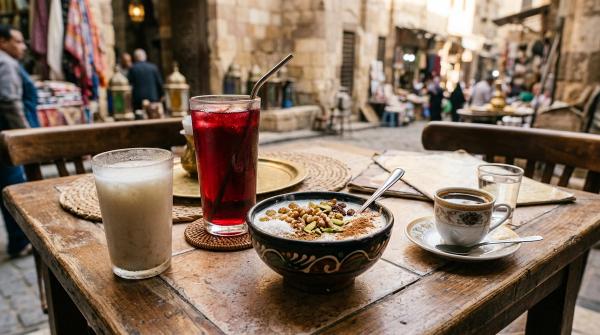
#If I could tattoo one food travel rule onto my passport it would be this: eat bold, drink boring. Order the fiery Chettinad chicken, the masala dosa, the mutton rogan josh, the Gujarati thali with six things you can’t identify, please do. But when it comes to water, keep it dull. Sealed bottle. Hot tea. Freshly opened soda. Boiled coffee. Beer, if that’s your thing and the place serves it. Basically, drinks where the water risk has been controlled by packaging, heat, carbonation, or all of the above.
- Ask for “sealed bottled water” and check the cap ring before you drink. If the seal is loose, cracked, or weirdly easy to twist, send it back. Don’t feel awkward, it’s your stomach.
- Skip ice unless you’re in a place you genuinely trust, like a higher-end restaurant, hotel bar, or cafe that clearly uses filtered ice. Even then, I still sometimes avoid it because I’m paranoid in a very specific way.
- Choose hot drinks when unsure. Masala chai that has been properly boiled is one of travel’s great gifts, and honestly it solves half my mood problems.
- Be careful with “fresh lime soda” and “nimbu pani” unless you know the water and ice source. I love them, but they can be risky if made with untreated water.
This does not mean you need to interrogate every waiter like you’re conducting a police enquiry. I usually just smile and ask, “Is this filtered water?” or “Bottled water, please, sealed.” In tourist-heavy areas like Fort Kochi, Jaipur’s old city, Rishikesh cafes, Goa beach shacks, or the nicer parts of Bengaluru and Mumbai, staff are often used to this question. Nobody fainted from insult. Most people just nod and bring a bottle.
Ice Is the Sneaky Little Villain, Especially in Pretty Drinks
#Ice is where I’ve messed up more than once. Not disastrously, but enough to remember. In Udaipur, I ordered a gorgeous mint lemonade at a rooftop restaurant overlooking Lake Pichola. The view was ridiculous, all palaces and sunset and pigeons doing dramatic things in the sky. The drink arrived packed with crushed ice, bright green, cold enough to make my teeth ache. I drank it because, you know, romance. The next morning wasn’t a disaster, but it wasn’t exactly poetry either.
The problem with ice is simple: freezing does not reliably make unsafe water safe. If ice is made from contaminated water, the risk can still be there. And crushed ice is worse in my mind because it has more surface area and is handled more, though I’m not pretending to be a microbiologist at dinner. In many Indian restaurants, especially casual ones, ice may come from a commercial supplier or from the restaurant’s own freezer. In some good places it’s made from filtered water. In others, who knows. That uncertainty is why I usually ask for drinks “without ice” unless I’m in a trusted hotel, a modern cafe, or a restaurant where the bar setup looks properly professional.
Cocktails are tricky too. India’s bar scene is booming in places like Mumbai, Delhi, Bengaluru, and Goa, and I’ve had fantastic drinks with curry leaf, kokum, tamarind, green chilli, even smoked spices. But a fancy cocktail can still carry ice risk if the bar isn’t careful. I’m less worried at reputable cocktail bars with good hygiene standards, but at beach shacks or casual rooftop places I usually stick with bottled beer, wine, or something hot. Yes, a hot toddy in India sounds weird. It has happened. No regrets.
The Great Indian Table Setup: Steel Tumblers, Jugs, and That Free Water Question
#In many local restaurants, especially thali places and old-school South Indian joints, water arrives automatically in a stainless steel tumbler. I love this part of Indian dining culture. It feels hospitable, practical, and very no-nonsense. In Chennai, at a busy meals restaurant, a man came around with a jug every two minutes like a hydration angel. Everyone else drank happily. I did not, because my tourist stomach is not a local stomach, and accepting that difference is not disrespectful. It’s just sensible.
If a restaurant offers filtered water, it might be totally fine. Lots of urban restaurants have decent filtration systems. But as a short-term traveler, you rarely know whether the filters are maintained, whether the storage tank is clean, or whether the serving jug was handled safely. That’s why I default to sealed bottles, especially during the first week of a trip. Later, if I’m staying somewhere longer and I know the restaurant, I may relax a little. Maybe too much sometimes, but travel confidence grows in dangerous little ways.
One useful trick: look at what other foreign travelers are doing, but don’t copy blindly. I’ve seen backpackers drink mystery jug water like they had iron stomachs, and maybe they did. I’ve also seen them disappear from breakfast the next day. Locals drinking it doesn’t prove it’s safe for you either, because immunity and exposure are different. Same water, different body reaction. It’s unfair, but so is paying extra for bottled water when the paneer costs less than your drink. Still worth it.
Chutneys, Salads, and the Water Hiding in “Not Drinks”
#Here’s where things get complicated, because water safety is not only about what you sip. It’s also about what gets washed, diluted, soaked, and served cold. Green chutney can be made with fresh coriander, mint, green chilli, lemon, maybe water to thin it. Tamarind chutney may be cooked, or maybe not recently. Coconut chutney in South India is heavenly, especially with idli or dosa, but it’s often served room temperature and can spoil if it sits too long in heat. Raita is yogurt-based and cooling and lovely, but again, cold dairy plus handling equals pay attention.
I’m not saying avoid all chutneys. That would be culinary sadness. I am saying I treat cold accompaniments differently depending on the place. At a busy Mysuru dosa joint where the chutney was being refilled constantly and the sambar was steaming hot, I ate everything. At a half-empty tourist restaurant in Agra where the green chutney looked tired and the onion salad had been sitting under a fan, I skipped it. Was I being dramatic? Maybe. Was my stomach grateful? Also maybe.
The safest restaurant orders, in my experience, are dishes cooked thoroughly and served hot: dal tadka, chole, rajma, biryani straight from a busy kitchen, tandoori items, fresh dosa, steaming momos, hot parathas, sambar, rasam, fish curry bubbling away in Kerala. Cold garnishes are where I slow down. If you’re heading into night markets or food streets after restaurant meals, the same logic gets even more important, and this Night Market Food Safety: Traveler’s Hot-Food Checklist is a handy companion for thinking about sauces, chutneys, ice, and turnover without killing the fun.
Lassi, Buttermilk, and the Dairy Drinks I Love Too Much
#Let me confess something: I will rearrange an entire afternoon around a good lassi. In Amritsar, I had one served in a huge steel glass with malai on top so thick it was basically a dessert wearing a drink costume. In Jaipur, I drank a saffron lassi from a famous old shop and felt briefly like life had no problems. In Varanasi, I watched yogurt being scooped into clay cups with fruit and nuts and thought, this is exactly why people travel.
But dairy drinks are where tourists need to be fussy. Lassi may be made with yogurt, sugar, fruit, water, and sometimes ice. If the yogurt has been sitting warm, if the ice is questionable, if the glass is rinsed badly, it can become a problem fast. I prefer places with huge turnover, where lassi is made fresh and the dairy is clearly moving quickly. Packaged lassi from a reputable brand can be a safer bet on trains or in small towns, as long as it’s sealed and kept cold. Fresh is more romantic, packaged is more predictable. Annoying truth.
During peak Indian summer, when temperatures can be brutal, I’m extra careful with dairy. I ask if there’s ice. I look at whether the shop is busy. I avoid cut fruit lassis from sleepy counters. If you’re specifically craving lassi, especially in hot weather, this guide on Is Lassi Safe in Indian Summer? Dairy Freshness Checks Before You Drink goes deeper into packaged versus fresh lassi, storage, and the whole ice issue that people don’t think about until it’s too late.
Highway Dhabas: Some of My Favorite Meals, Some of My Biggest Water Caution
#Highway dhabas are a whole mood. Plastic chairs, smoky tandoors, truck drivers eating like kings, steel plates clattering, someone’s kid doing homework near the cash counter, and the best aloo paratha of your life arriving with a slab of butter that could stop traffic. I adore dhabas. On the road between Delhi and Chandigarh, I once had dal makhani so smoky and slow-cooked it made the fancy version back home taste like it had trust issues.
But dhabas also require sharper instincts. Water storage can be unpredictable, toilets may be rough, and handwashing setups vary wildly. I don’t drink jug water at dhabas. I buy sealed bottled water, check the seal, and sometimes wipe the bottle mouth if it’s dusty. I choose hot foods with high turnover: tandoori roti, paratha fresh off the tawa, dal that’s boiling, omelettes cooked in front of me, chai that’s bubbling like a science experiment. I avoid raw salads, watery chutneys, and anything cold that looks like it has been waiting around for a bus that never came.
If you’re traveling with kids, or honestly even with adults who become kids when their stomach hurts, highway eating needs a tiny bit more planning. The piece on Monsoon Dhaba Stops With Kids: Safe Food Guide is useful for those practical red flags: toilets, water sources, rainy-season hygiene, and how to order safely without being that nervous person ruining everyone’s paratha joy.
How I Judge a Restaurant Before I Order Water or Ice
#I have a little mental checklist now, built from mistakes, auntie advice, and too many meals eaten while sweating through cotton shirts. It’s not perfect. Sometimes a spotless place serves boring food and a chaotic place serves magic. But for water and ice, restaurant habits matter. I notice whether the tables are wiped with clean cloths or a grey rag that has seen history. I watch if staff handle cash and then food without washing. I look at the water station. I look at the bathroom, because if the bathroom is scary, the kitchen might not be winning awards either.
- First, I check turnover. Busy places are usually safer for cooked food because ingredients move fast. Not always, but often enough.
- Second, I ask about bottled or filtered water before I’m desperate. Thirst makes people stupid, me included.
- Third, I avoid ice in casual places unless I can see a proper bar or filtered ice setup. If I can’t tell, I skip it.
- Fourth, I order dishes that come hot. Like properly hot, not lukewarm and apologetic.
- Fifth, I trust my nose. If something smells sour, stale, or just off, I don’t negotiate with it.
One thing I’ve noticed in India is that the best restaurants for travelers aren’t always the fanciest. They’re the places with rhythm. The kitchen is moving, the staff know what they’re doing, locals are eating there, and food isn’t sitting around looking lonely. In Bengaluru, I had one of my safest and happiest meals at a crowded darshini where the filter coffee was scalding, the idlis were flying out by the dozen, and nobody had time to perform hospitality theatre. It was efficient, delicious, and weirdly reassuring.
Bottled Water Isn’t Complicated, But People Still Mess It Up
#Buying bottled water sounds simple until you’re tired at a railway station or half asleep after a long train ride. In India, packaged drinking water is everywhere, from big brands to local labels. Look for a sealed cap, intact shrink wrap if it has one, clear labeling, and no weird smell or floating bits. If the bottle looks scratched to death or the cap ring is already broken, don’t drink it. I’ve been handed bottles that looked suspiciously refilled in more than one country, not just India, and it’s never worth the gamble.
In restaurants, ask the waiter to bring the bottle unopened, then open it yourself or watch them open it. This is common enough that it shouldn’t be a big deal. Also, don’t forget brushing teeth. I use bottled or properly treated water for brushing when I’m in a new place, especially early in the trip. Same with swallowing water in the shower, which sounds obvious until you’re exhausted and accidentally do it. Travel is glamorous until you’re spitting into a sink with a bottle of water like a raccoon.
If you’re trying to reduce plastic, I get it. I hate the pile of bottles too. Some hotels and cafes offer filtered refill stations, and in those cases I’ll use a reusable bottle if I trust the setup. Portable purifiers can be useful as well, depending on your travel style. But I don’t let eco-guilt push me into unsafe choices. The better move is choosing responsible refill points, not pretending your stomach is a sustainability project.
Regional Food Joys and the Water Choices That Go With Them
#Every region taught me a slightly different version of the same lesson. In Kerala, I ate fish moilee and appam in Kochi, and drank hot black tea instead of iced juice because the humidity had me tempted and suspicious at the same time. In Rajasthan, I went heavy on laal maas, gatte ki sabzi, and hot rotis, but skipped the ice in rooftop mocktails unless the place looked polished. In Tamil Nadu, I trusted steaming sambar more than any cold garnish, and honestly I could live on sambar for weeks. In Punjab, I gave lassi the respect it deserves and chose famous, busy shops over random ones.
Goa was harder because beach life screams cold drinks. Coconut water straight from a freshly cut coconut felt like a good compromise, though even there I checked that the coconut was opened in front of me and the straw was clean or skipped the straw entirely. In Mumbai, the temptation was kala khatta, falooda, fresh juices, gola, all the icy childhood-dream things. Some are iconic, and locals love them for good reason, but tourists need to be honest about risk. I picked my moments carefully. Sometimes I said no. Sometimes I said yes and hoped. That’s travel, isn’t it, a tiny dance between caution and appetite.
What To Do If Your Stomach Still Rebels
#Even careful travelers get sick. It’s not a moral failure. It doesn’t mean you ate at a “bad” place or did India wrong. New bacteria, spice levels, long travel days, heat, dehydration, too much fried food, all of it can team up against you. I carry oral rehydration salts, because dehydration is the thing that can sneak up fast, especially in hot weather. Pharmacies in India are common in cities and towns, and ORS packets are easy to find, but I like having a couple in my bag before I need them.
If symptoms are severe, bloody, come with high fever, or don’t improve, get medical help. Don’t just tough it out because some guy in a hostel said he drank tap water for six months and became spiritually stronger. Good for him, maybe. For the rest of us, hydration, rest, and medical advice when needed. I also go bland for a bit: curd rice if I trust the dairy, plain rice, bananas, toast, khichdi, clear soups, and lots of safe fluids. It’s not the most exciting food chapter, but khichdi has rescued me emotionally more than once.
The Balance: Don’t Be Fearful, Just Be Awake
#The best meals I’ve had in India were not sterile experiences. They were alive. A dosa folded so fast it nearly flew off the griddle. Chai poured from a height on a railway platform. A thali in Gujarat where the servers kept refilling my plate until I had to laugh and beg them to stop. A Bengali fish curry eaten with rice and fingers, mustard sharp enough to wake the dead. Food in India is generous, chaotic, layered, and deeply regional, and it would be a shame to reduce the whole thing to a list of hazards.
But water and ice are the quiet details that shape whether your food memories stay joyful. My personal approach is simple now: sealed or properly treated water, minimal ice, hot food, busy places, caution with cold dairy and chutneys, and no shame about asking questions. I still take risks sometimes. I’m human, and also weak around mango lassi. But I take smarter risks than I used to.
Eat the curry, chase the dosa, say yes to the thali, but don’t let a random ice cube be the most memorable part of your trip.
If you’re heading to India, I hope you eat widely and happily. I hope you sit in restaurants where the ceiling fans wobble and the food is perfect, and in modern cafes where the cold brew is safe and the masala fries are weirdly addictive. Just keep your water boring, your eyes open, and your sense of humor packed next to the ORS. And if you want more food-travel rambling, practical guides, and the kind of tips you only learn after ordering the wrong thing once or twice, have a wander through AllBlogs.in.