Medical disclaimer: This article is for general education only. It is not personal medical advice. If you take insulin or diabetes medicines, or if your blood sugar is not well controlled, please follow your doctor’s or registered dietitian’s advice. Also, check your blood sugar when changing fruit portions.
Kharbuja, also known as muskmelon, is one of those fruits that feels made for Indian summer. It is cool, juicy, fragrant, and sweet enough to feel like a treat without being a heavy dessert.
But if you have diabetes or prediabetes, that sweetness can naturally make you wonder: is kharbuja good for diabetes, or will it raise blood sugar?
The simple answer is: yes, many people with diabetes can eat kharbuja, but portion size matters. A small bowl of kharbuja pieces is very different from a big plate of fruit or a glass of kharbuja juice.
This guide explains how to eat kharbuja more safely, how much is enough, when to eat it, and what to avoid.
Quick Answer
#Yes, kharbuja can be suitable for diabetes when eaten in a controlled portion.
Although kharbuja tastes sweet, it is also high in water. In a normal serving, its glycemic load is low, which means a small portion may not cause a sharp blood sugar spike for many people.
A safer way to enjoy it is:
- Eat whole kharbuja pieces, not juice.
- Keep the portion to about 100 to 150 grams, or one small katori.
- Have it between meals, such as mid-morning or early evening.
- Pair it with nuts, seeds, plain curd, or another protein/fat source if fruit usually spikes your sugar.
- Avoid adding sugar, honey, syrups, or sweet masala mixes.
That said, everyone’s blood sugar response is different. If your glucose levels are high, unpredictable, or medicine-dependent, monitor your readings and follow medical advice.
What Is Kharbuja?
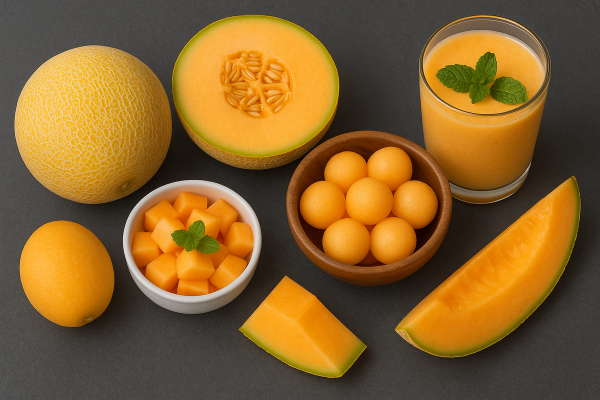
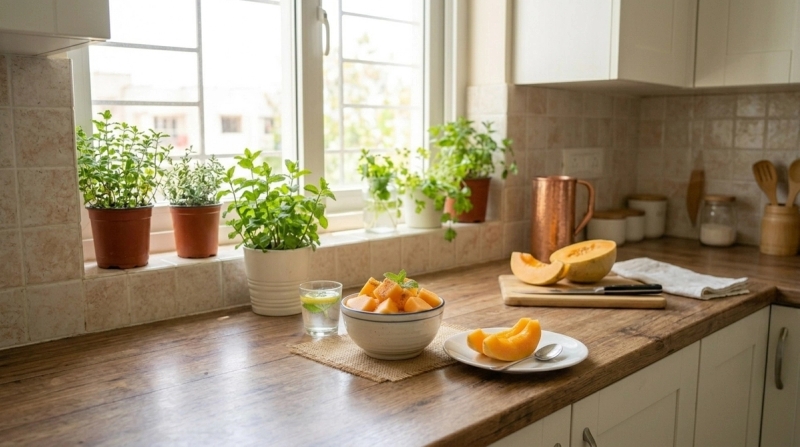
#Kharbuja is a sweet summer melon commonly called muskmelon. In Indian homes, it is often eaten chilled, especially during hot afternoons when you want something light and refreshing.
In Gujarat and some other regions, a similar melon is called sakar teti. So if you are searching for sakar teti for diabetes, the advice is mostly the same: eat a small portion, choose whole fruit, and avoid juice.
Kharbuja can be orange, pale yellow, or light greenish inside, depending on the variety. Some fruits are mildly sweet, while others are very sweet and aromatic. If you want to understand the naming and differences better, read allblogs’ guide to Sakar Teti vs Muskmelon vs Cantaloupe.
Is Kharbuja High in Sugar?
#Kharbuja does contain natural fruit sugar. But it is not the same as eating mithai or drinking a sugary cold drink. With diabetes, the bigger question is not only “does it have sugar?” but also “how much am I eating, and how quickly will it affect my blood sugar?”
Two terms can help here.
Glycemic Index (GI):This tells us how quickly a carbohydrate-containing food may raise blood sugar. The kharbuja glycemic index is commonly listed around 65, which falls in the medium GI range.
Glycemic Load (GL):This looks at both the GI and the actual amount of carbohydrate in a typical serving. This is where kharbuja becomes more practical for diabetes. Because it is mostly water, a usual 150 gram serving has a low glycemic load, often listed around 3.14.
So, is kharbuja high in sugar? Not really, if you eat a small bowl of whole fruit. It becomes a concern when the portion gets too large or when you drink it as juice.
Think of it this way:
- One small katori of kharbuja cubes is usually manageable for many people.
- A large fruit plate can add up quickly.
- Kharbuja juice is easier to overconsume and is not ideal for blood sugar control.
Can Diabetics Eat Kharbuja?
#Yes, most people with diabetes can eat muskmelon in moderation. So if you are wondering, can diabetics eat muskmelon, the answer is usually yes — but not unlimited.
Kharbuja can fit into a diabetes-friendly summer routine because it provides:
- HydrationKharbuja has a high water content, which makes it refreshing during hot weather.
- Some fiberWhole fruit contains fiber, which helps make it better than juice.
- Vitamins and antioxidantsMuskmelon contains nutrients such as vitamin C and vitamin A.
- PotassiumKharbuja contains potassium, which is useful for many people, but those with kidney disease or potassium restrictions need to be careful.
The key is not to fear the fruit. The key is to eat it in the right amount and in the right form.
Best Portion Size for Diabetics
#A practical muskmelon portion size for diabetes is:
100 to 150 grams per serving, or about one small katori, roughly 1 cup of cubed kharbuja.
This gives you the cooling taste of kharbuja without turning the snack into a high-carb serving.
A few simple portion rules:
- Do not eat half a large melon at once.
- Avoid large mixed fruit bowls with many sweet fruits together.
- Do not add sugar, honey, condensed milk, or sweet syrups.
- Avoid kharbuja juice, shakes, and sweet smoothies.
- Pre-portion the fruit into a small bowl instead of eating directly from a big plate.
If you use a glucometer or CGM, check your reading before and after eating kharbuja. Your personal blood sugar response is more important than any general number.
Best Time to Eat Kharbuja
#Timing matters, especially if your post-meal sugar tends to rise.
For many people with diabetes, kharbuja works better as a snack between meals rather than as a dessert immediately after lunch or dinner.
Good times to eat kharbuja include:
- Mid-morning, around 11 am
- Early evening, around 4 pm
- As a light snack when there is a proper gap between meals
Try not to eat kharbuja right after a heavy meal, especially if the meal already included rice, roti, potatoes, sweets, or other carbohydrate-rich foods. Adding fruit on top can increase the total carb load and may push your post-meal reading higher.
What to Eat With Kharbuja to Reduce Sugar Spikes
#If fruit tends to raise your sugar quickly, pair kharbuja with a small amount of protein, fat, or seeds. This can make the snack more balanced and may slow digestion slightly.
Good pairings include:
- A few soaked almonds
- A few walnuts
- Chia seeds
- Flax seeds
- Pumpkin seeds
- Plain unsweetened curd
- Plain unsweetened Greek yogurt
Keep the combination simple. A small bowl of kharbuja with seeds or curd is a better choice than a large fruit chaat with honey, sugar, sweet chutney, or sugary toppings.
Fruit chaat sounds healthy, but the add-ons can quickly change the whole snack.
For more summer serving ideas, see allblogs’ Cool Kharbuja Muskmelon Ideas.
Who Should Be Careful?
#Kharbuja is safe for many people, but some should be more cautious.
People with uncontrolled blood sugar
#If your fasting or post-meal readings are very high, or if they keep changing a lot, speak with your doctor or dietitian before adding sweet fruits regularly.
People on insulin or diabetes medicines
#Fruit portions should fit into your meal plan and medication schedule. Monitor your glucose and follow the advice given by your healthcare provider.
People with chronic kidney disease or potassium restriction
#Kharbuja contains potassium. If you have kidney disease or have been told to limit potassium, ask your doctor or nephrologist before eating it.
People who tend to overeat fruit
#Kharbuja is light, juicy, and easy to eat in large quantities. Even healthy fruits can raise blood sugar if the portion becomes too big. Serving it in a small bowl helps.
Kharbuja vs Watermelon vs Mango for Diabetes
#Indian summer often brings three favourites: kharbuja, watermelon, and mango. All are sweet, but they behave differently in a diabetes-conscious diet.
Kharbuja vs watermelon
#Watermelon has a higher glycemic index, often listed around 72 or more, while kharbuja is commonly listed around 65. Both are water-rich fruits, and portion size matters for both.
Some people may find kharbuja a little easier to manage, but the only way to know your response is to check your blood sugar.
Kharbuja vs mango
#Mango is denser and usually has more carbohydrate and sugar per 100 grams than muskmelon. Some people with diabetes can still eat mango in strict moderation, but kharbuja usually allows a more filling portion for fewer carbohydrates.
Best practical choice
#If you want a cooling fruit snack in summer, kharbuja is often easier to fit into a diabetes-friendly routine than a large serving of mango. Still, the best choice is the fruit you can portion properly and track honestly.
Practical Indian Summer Tips
#Here are some easy ways to enjoy kharbuja more safely.
- Choose a good fruitA ripe kharbuja usually feels heavy for its size and has a sweet smell near the stem end. For a detailed buying guide, read How to Pick a Sweet Kharbuja.
- Wash before cuttingWash the outer rind properly under running water before slicing. This helps reduce the chance of dirt or germs moving from the skin to the flesh through the knife.
- Cut only what you needServe one small katori and keep the rest aside. This makes overeating less likely.
- Eat it wholeChew the fruit instead of juicing it. Whole fruit is a better choice for blood sugar management.
- Do not add sugar or honeyRipe kharbuja is already sweet. Extra sweeteners make it less diabetes-friendly.
- Avoid eating it after a heavy mealHave it between meals instead. It usually works better that way.
- Notice your own responseTwo people can eat the same fruit and get different glucose readings. If you monitor your sugar, use your own readings to decide what portion works for you.
- Be careful with traditional combinationsSome people feel bloated or uncomfortable if they drink water immediately after water-rich fruits like kharbuja. If that happens to you, adjust the timing and quantity.