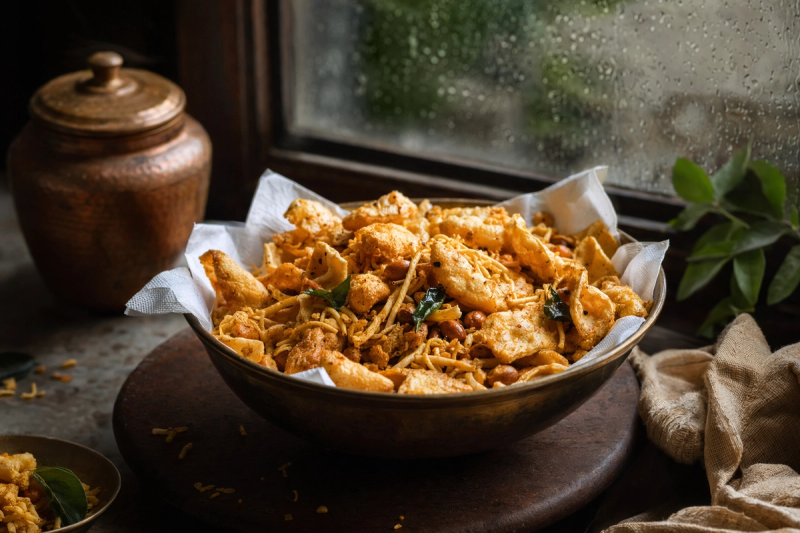
The rainy-day crunch problem nobody warned me about
#Every monsoon, I become a slightly unreasonable person about snacks. Like, I can handle delayed trains, damp laundry, even that weird smell from shoes drying near the door. But soggy namkeen? Soft mathri? Pakoras that were glorious at 5 pm and tragic by 7? No. That is where I draw the line, yaar. I grew up in a house where rain meant chai first, snacks second, and everything else later. My mother would fry onion pakoras while the balcony grill dripped rainwater and my father would open one of those big steel dabbas filled with mixture, sev, peanuts, chivda, bhujia, whatever was currently in rotation. The sound of the lid opening was basically the family dinner bell.
But monsoon is sneaky. The same air that makes you want hot masala chai also attacks every crunchy thing in your kitchen. Namkeen goes limp, fried snacks lose that crackly outer layer, biscuits taste tired, and if you leave a bowl of chiwda out during a rainy evening, it starts behaving like it has given up on life. I’m being dramatic, fine, but if you are a snack person you know exactly what I mean. Crispness is not a small detail. It’s the whole mood.
Why snacks turn soft so fast when it rains
#So, the basic villain here is moisture. Monsoon air is humid, and crispy foods are usually low in moisture. That means they’re kind of thirsty, not in the Instagram way, but literally. Fried snacks, namkeen, sev, papdi, banana chips, chakli, shankarpali, murukku, mathri, even roasted makhana, they all start absorbing water from the air if you let them sit around uncovered. Once moisture gets into those tiny air pockets that made the snack crisp, the crunch fades. It doesn’t always become wet-wet, just dull and bendy. Which is somehow worse.
I learnt this the stupid way in college. I had carried a big packet of spicy sev from home because hostel food was, um, emotionally difficult. I opened it during a rainy evening, ate a handful, then folded the packet badly and shoved it under my pillow because apparently that was my storage system. Next day it was chewy. Not stale exactly, not spoiled, just sad. Me and my roommate still ate it with chopped onions and lemon because hostel kids have no standards, but I remember thinking, how did this happen so quickly? Now I know. Humidity is basically a thief wearing perfume of wet soil.
Crispy snacks don’t only need good frying. They need protection after frying. That part is boring, yes, but it decides whether your namkeen sings or sulks.
First rule: don’t trap steam, even for “just five minutes”
#This is my biggest monsoon lesson, and honestly I still mess it up sometimes. When something is freshly fried, the outside is crisp but the inside and surface are releasing steam. If you throw hot pakoras, kachori, mathri or homemade namak para straight into a closed dabba, congratulations, you have built a little steam room for your snack. That steam condenses on the lid, drips back, and the fried layer softens. It’s like making your own sogginess machine.
At home, I spread fried snacks on a wire rack if I’m feeling fancy, or on a large thali lined with a clean kitchen towel if I’m being normal. Paper towels are fine for the first few minutes to catch excess oil, but I don’t leave the snacks sitting on them forever because the bottom side can get sweaty. A rack is better because air moves around the snack. My aunt uses an old steel sieve placed over a plate, and it works beautifully. Very desi jugaad, very effective.
- Let fried snacks cool completely before storing, not warm-ish, actually cool.
- Don’t pile them high immediately after frying. Steam gets trapped in the middle.
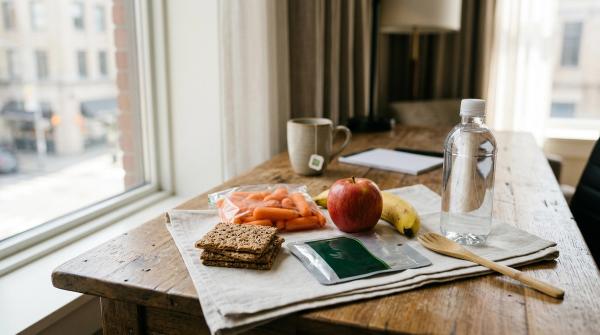
- If you are packing snacks for travel, cool them first and then pack in small portions. I like this approach even more after reading about Leak-Proof Snack Containers for Train & Bus Travel, because good seals and compartments really do matter when humidity is sitting there waiting to ruin everything.
Airtight containers are not all equal, sorry to my old plastic dabba
#I used to think any box with a lid was airtight. Very innocent thinking. Some containers just look closed, but air still creeps in around the edges. During dry winter you may not notice, but monsoon exposes bad containers like an exam result. That loose-lid plastic dabba where you store sev? It is not doing much. The steel tin with a dented rim? Cute, nostalgic, but maybe not reliable unless it closes properly. Glass jars with rubber gaskets, good-quality airtight plastic boxes, or steel containers with tight clamp lids work much better.
My personal system is not glamorous. I keep daily-use namkeen in a smaller jar and the main stock sealed separately. Because every time you open a big container, humid air enters. If you open it ten times a day, the snack suffers ten tiny attacks. Small jars reduce that drama. Also, use a dry spoon or pour into a bowl. Don’t put damp hands into namkeen, and don’t let someone do that thing where they eat directly from the jar after washing hands badly. I know we all love family, but boundaries, please.
My container opinions, because apparently I have those now
#| Container type | How I feel about it in monsoon | Best for |
|---|---|---|
| Glass jar with gasket | Excellent, but don’t drop it while making chai in a hurry | Sev, mixture, roasted nuts, banana chips |
| Steel dabba with tight lid | Very good if the lid actually seals properly | Mathri, chakli, shankarpali, namak para |
| Thin plastic packet folded with clip | Okay for one day, not for long storage | Opened chips or farsan you’ll finish quickly |
| Old loose-lid box | Emotionally valuable, practically suspicious | Maybe dry spices, not precious namkeen |
| Zip pouch | Useful for small portions, but squeeze air out and seal cleanly | Travel snacks, office dabba, kids tiffin extras |
One small thing I do, and my husband calls it overacting, is wipe the inside of jars with a dry cloth before refilling. Not washing every time, because then you have to make sure it is bone dry. I mean properly dry, not “looks dry but still cold and damp inside.” If I wash a jar, I leave it in sunlight if there is any sun, or under the fan for ages. Monsoon sunlight is moody, so sometimes I just avoid washing the namkeen jar unless needed. Sounds lazy. Is practical.
Freshly fried snacks need timing, not just technique
#There’s a reason hot kachori from a good shop tastes magical and the same kachori in a paper bag after two hours tastes like it needs encouragement. Fried snacks are at their best soon after frying, once the surface has settled but before humidity and trapped steam do their damage. I’ve had this experience in Jaipur with pyaaz kachori, where the first bite outside the shop was shattery, spicy, oniony, and slightly dangerous because the filling was lava-hot. Later, carrying one back for someone, it had already softened. Still tasty, but not that same loud crunch. If you love that kind of food walk energy, the monsoon freshness notes in Jaipur Pyaaz Kachori in Monsoon: Food Walk Guide make a lot of sense.
At home, pakoras are the worst offenders. They are basically designed to be eaten immediately. Onion pakoras, palak pakoras, mirchi bajji, aloo bhajji, all of them have moisture inside. The vegetable keeps releasing steam after frying, so if you cover them, they soften. If you leave them open too long, monsoon air softens them. There is a tiny golden window where they’re perfect. This is why I respect pakora vendors who fry in small batches instead of making mountains of them. Big piles look tempting, but the ones at the bottom are usually suffering.
The frying part: oil temperature is not boring, it’s everything
#I used to fry like an impatient person, because I am one. Heat oil, throw things in, hope for the best. But crispness starts in the kadai. If oil is too cool, snacks absorb more oil and become heavy. If oil is too hot, the outside browns before the inside cooks, and later it collapses into a weird chewy situation. For namak para, mathri, chakli and similar snacks, medium to medium-low heat often gives a better crisp because moisture gets driven out slowly. For pakoras, medium-hot oil works better so they puff and crisp without becoming greasy sponges.
No, I don’t always use a thermometer. I know food people online love precision, and it is useful, but my grandmother never once said “heat oil to 170 degrees” and her chakli could make people emotional. I do the tiny batter test. Drop a little batter or dough crumb into the oil. If it sinks and sits there, oil is cold. If it shoots up and browns instantly, too hot. If it rises steadily with bubbles, you are in business. Very scientific? Maybe not. Works in my kitchen.
Double-frying, the little trick that actually earns its hype
#For some snacks, double-frying helps. Not everything, okay. But potato chips, some pakoras, and even certain homemade fryums get better when fried once to cook, rested briefly, then fried again hotter to crisp. The second fry removes surface moisture and gives that crunchy bite. Restaurants do versions of this all the time with fries and pakoda-style snacks, though they may not announce it because “double-fried” scares health-conscious people. I’m not saying eat double-fried food daily. I’m saying if it’s raining sideways and you want real crunch, don’t pretend steamed broccoli is going to fix your soul.
Namkeen storage: separate the troublemakers
#Mixed namkeen is delicious because it has different textures, but those different bits don’t always store equally well. Raisins, fried curry leaves, masala-coated peanuts, boondi, sev, cornflakes, lentils, coconut slivers, they all behave differently in humidity. Anything with more moisture or sticky masala can soften the crisp bits around it. I’ve seen homemade chiwda go from excellent to clumpy because someone added slightly warm fried peanuts and coconut pieces before cooling them properly. The whole batch tasted good, but the texture was off.
My mother stores certain items separately and mixes small amounts before serving. I used to roll my eyes at this, like who has time for snack architecture? But she was right. Plain sev in one jar, masala peanuts in another, fried poha chivda in another. When guests come, mix, toss, add chopped onion if you’re eating immediately, maybe coriander, maybe lemon. But never add onion and lemon to the whole stored batch unless you enjoy ruining your own future happiness.
- Keep dry sev away from wet add-ons like onion, tomato, cucumber and chutney until serving.
- Cool fried peanuts, cashews, coconut, curry leaves and dal completely before mixing into chivda.
- Store masala-heavy snacks in smaller portions because spice mixes can clump when humidity rises.
- Don’t keep the namkeen jar near the stove. Steam from cooking is sneaky and constant.
Re-crisping: the rescue mission for sad snacks
#Okay, confession. I don’t throw away namkeen just because it has gone slightly soft. If it smells fine, looks fine, and hasn’t been contaminated with wet stuff, I try to revive it. The oven works well. Spread the snack in a thin layer on a baking tray and warm it at low heat for a few minutes. Don’t blast it or the masala may burn. An air fryer also works, but watch it like a hawk because sev can go from revived to bitter in one phone notification. A heavy tawa on low heat works for mathri, khakhra, papdi, roasted nuts and some chivda. Keep tossing.
Microwave is tricky. It can help drive off moisture, but it also heats unevenly and some snacks become leathery as they cool. If you use it, do short bursts, then let the snack cool uncovered. The cooling part matters because crispness often returns after the steam escapes. I once microwaved banana chips for too long and created something that tasted like burnt coconut oil and regret. So, gentle. Always gentle.
My usual re-crisping shortcuts
#- For sev and mixture, I use a low oven or air fryer for 2 to 4 minutes, then cool completely before closing the jar again.
- For mathri and namak para, I prefer a tawa on low heat because it feels safer and gives me more control.
- For pakoras, I use an air fryer or oven. They won’t become fresh-fried level, don’t lie to yourself, but they can become respectable.
- For kachori or samosa, I avoid microwaving unless I’m desperate. Oven or tawa gives a much better crust.
Food safety during monsoon, because crunch is not worth a stomach upset
#Now the boring auntie part, but I’m saying it because I have ignored it and suffered. Monsoon weather can be rough on food. Fried snacks themselves may keep better than wet foods because they’re low in moisture, but once you add chutney, curd, onion, potato filling, paneer, or anything fresh, the rules change. Leftover pakoras with green chutney smeared on them? Don’t store that like dry namkeen. Samosas with moist potato filling sitting out for hours in humid weather? Be careful. That slightly sour smell you’re trying to convince yourself is “just masala” may not be just masala.
I’m especially cautious with party leftovers and wedding food during rains. Fried starters, sweets, chutneys, cut fruit, dahi-based items, all look tempting to bring home, but if they’ve been sitting out too long, I don’t risk it. The same common-sense approach shows up in Indian Wedding Food Safety in Monsoon for Guests, and honestly it’s useful even for normal home snacking. If something smells off, has gone slimy, tastes fizzy when it shouldn’t, or has been handled by many wet spoons and hands, just let it go. I hate wasting food too. But I hate food poisoning more.
A snack can be re-crisped. Your stomach after bad chutney cannot be re-crisped. Please write this on my kitchen wall.
The chutney problem, and how I deal with it
#I love chutney. Green chutney with mint and coriander, tamarind chutney, garlic chutney, the dry red lasun chutney that makes vada pav taste like a public holiday. But chutney is the enemy of long-term crispness. The moment chutney touches fried food, the countdown starts. This is not a bad thing, it is just reality. Chaat is meant to be eaten fast. Bhel is meant to be mixed and attacked immediately. Sev puri should not sit around while everyone takes photos from six angles. Eat first, post later.
At home, if we’re doing rainy-day snack plates, I keep chutneys in small bowls and fried stuff separate. People dip as they eat. For bhel, I mix only the amount we’ll finish in 5 to 10 minutes. Dry bhel mix can sit in a jar, but once onion, tomato, chutney and lemon enter, it becomes a live event. My cousin once made a giant bowl of bhel for a family get-together and left it on the table while everyone waited for chai. By the time chai came, the murmura had turned into seasoned sponge. We still ate it, because family pressure, but nobody was happy.
Buying namkeen in monsoon: what I check before getting greedy
#When I buy namkeen during monsoon, I try not to buy giant quantities unless I know we’ll finish them fast. This is hard because shops always have those beautiful heaps of fresh farsan and the person behind the counter says “fresh hai madam” with confidence. I’m weak. Still, I check a few things. Is the shop busy enough that stock moves quickly? Are snacks stored covered? Is the counter area dry or is everything open to damp air? Does the namkeen smell fresh, roasted, fried in a clean way, or does it have that old-oil smell? Your nose is very underrated.
There’s this namkeen shop near my old office where the kachori was average, sorry, but the roasted chana jor and masala peanuts were unbeatable. During monsoon, I noticed they kept smaller batches in front and refilled often from sealed containers behind. That impressed me more than fancy branding. Another place had gorgeous-looking samosas stacked in a glass case, but the bottom layer was sweating. I bought one anyway because I am not always wise. It tasted fine but the crust was soft, and I felt personally betrayed even though nobody forced me.
- Buy smaller amounts more often, especially for sev, mixture and fried farsan.
- Ask when it was made if you’re buying from a local shop. Not in an interrogation way, just casually.
- Avoid snacks that are sitting uncovered near steam, rain splash, or a busy wet counter.
- If the oil smell is heavy, stale or paint-like, walk away. No discount is worth that aftertaste.
Homemade monsoon snack habits that changed my kitchen
#Over the years, I’ve picked up small habits that sound fussy but actually make snacking easier. I roast poha lightly before making chivda, especially in rainy weather. I fry curry leaves till properly crisp and cool them before adding. I keep fried snacks in shallow layers until they cool. I line the bottom of some tins with parchment or a clean paper towel, but only if the snack is fully cooled, otherwise it traps moisture. For roasted makhana, I add masala after roasting and cooling slightly, because if you add too much ghee and masala while it’s hot and then close it, the makhana softens by evening.
Also, don’t underestimate dry roasting. Not every monsoon snack needs deep frying. Roasted peanuts with chilli, black salt and a little hing can be fantastic. Makhana roasted in ghee with pepper and curry leaves is very addictive, though I can never get it exactly like my friend’s mother makes. Khakhra warmed on tawa with a little ghee and masala is crisp and low-effort. But yes, when the rain is thundering and the sky goes dark at 4 pm, I still want pakoras. I contain multitudes.
A small rainy-day snack plate I make way too often
#This is not a recipe recipe, more like a plate that saves me from ordering random fried food. I take a handful of crisp chivda, some roasted peanuts, a few banana chips, two mathris warmed on tawa, and a small bowl of green chutney on the side. If I have fresh coriander, I add it to the chutney, not to the namkeen jar. Then chai. Strong ginger chai, preferably. Sometimes I add chopped onion and lemon to a small bowl of sev, but only the portion I’m eating right then. Never the whole jar. I have grown as a person.
Little mistakes that quietly ruin crisp snacks
#Some mistakes are obvious, like leaving the packet open. Others are sneaky. Putting a hot snack box directly into a closed bag for travel. Storing namkeen above the gas stove. Using a wet spoon because “it’s just one time.” Mixing fresh coconut into chivda and expecting it to last. Leaving the jar open while you answer the door, then talk to the neighbour, then forget life. I’ve done all of these. My biggest crime is opening a packet, eating from it while watching a movie, and forgetting to seal it because the movie got interesting. Next morning, soft chips. Every time I act surprised.
Another thing is fridge storage. People sometimes put fried snacks in the fridge thinking it will keep them fresh. For dry namkeen, I usually don’t. The fridge has moisture and smells, and unless the container is very well sealed, snacks can absorb both. Nobody wants sev with a faint onion-fridge aroma. For filled snacks like samosa or kachori, refrigeration may be needed if you’re keeping leftovers, but then reheat in oven, air fryer or tawa to bring back some crust. Dry namkeen and wet leftovers are different categories. Treat them different.
My slightly bossy monsoon crunch checklist
#If you only remember one thing, remember this: moisture is the enemy, steam is the enemy, wet toppings are the enemy, but all of them can be managed if you slow down a little. Cool before storing. Seal properly. Buy smaller amounts. Re-crisp gently. Keep chutney separate. Eat pakoras hot. Don’t emotionally attach yourself to questionable leftovers. This is my entire monsoon snack philosophy, and it has saved many batches of namkeen in my house, though not all. Some snacks are destined for sogginess. We mourn and move on.
- Cool completely before closing the lid.
- Use truly airtight containers, not decorative liars.
- Open the main jar less often. Keep a small serving jar for daily use.
- Store snacks away from stove steam, sink splashes and window dampness.
- Refresh slightly soft snacks with low heat, then cool uncovered.
- Don’t mix chutney, onion, lemon or curd into anything you plan to store.
Final chai-side thoughts
#Monsoon snacking is emotional for me. It’s not just food storage tips and airtight lids. It’s the memory of my mother shouting “garam hai!” while we still burned our fingers on pakoras. It’s train journeys with masala peanuts. It’s the first crack of a good mathri with tea. It’s standing under a shop awning, eating kachori while rainwater runs along the road and everyone suddenly becomes philosophical. Crisp snacks make rainy days feel complete, and when they go soft, it feels like the weather won a small personal battle.
So yes, I’m a little obsessive about keeping namkeen and fried snacks crispy in monsoon. I’ll defend my jars, my cooling racks, my no-wet-spoon rule, all of it. Because when that first handful of sev still crunches loudly after three rainy days, it feels like victory. Tiny, salty, masaledar victory. If you’re also the kind of person who plans tea around snacks and not the other way around, you’ll probably enjoy wandering through more food stories on AllBlogs.in. I do, usually with a bowl of something crunchy next to me.