
Monsoon road trips in India look romantic only till the first tyre slides a little on a wet ghat road and everyone in the car suddenly becomes very religious. I’m not even joking. Rain on the windshield, chai at some random dhaba, green hills, cloudy skies, old Hindi songs... all of it is beautiful. But Indian highways in monsoon can turn moody very fast. One minute you’re cruising nicely on NH 48 or some state highway near the Western Ghats, next minute there’s waterlogging, a broken-down truck, low visibility, no network, and that one friend saying, “Bro shortcut lete hain.” Please don’t listen to that friend.
Over the years I’ve done monsoon drives across Maharashtra, Goa, Karnataka, Kerala, Himachal, Uttarakhand, Rajasthan during surprise rains, and even that weird belt between Gujarat and MP where the road looks fine until it isn’t. And honestly, the biggest lesson is simple: your monsoon road trip emergency kit is not “extra luggage”. It is the thing that keeps a fun trip from becoming a WhatsApp family group tragedy. Sounds dramatic, but trust me, when you’re stuck near a flooded underpass at 9 pm with hungry people in the car, one working torch and a dry packet of thepla feels like luxury.
Why Monsoon Driving in India Needs a Different Kind of Planning
#Indian highways have improved a lot, no doubt. Expressways are smoother, FASTag has made tolls less painful, and roadside facilities are better than what they were maybe 10 years back. But monsoon changes the whole game. Potholes appear overnight. Mudslides happen in hill states. Low-lying stretches flood quickly. Even on good highways, you’ll find two-wheelers suddenly moving to the middle lane because the side lane is full of water. Add fog, cattle, trucks without proper tail lights, and our usual “adjust kar lenge” driving style, and yeah... you need to be prepared.
The safest monsoon travel months for most highway drives are usually June to September, but the experience depends a lot on the region. Konkan and Western Ghats are stunning from July to early September, but landslides and ghat closures can happen. Himachal and Uttarakhand are risky during peak rains, especially around landslide-prone zones and river valleys. Kerala and coastal Karnataka get intense showers, beautiful but heavy. Rajasthan and Gujarat can surprise you with waterlogged roads after cloudbursts. Before leaving, I check IMD weather alerts, Google Maps traffic, local police updates on X if it’s a sensitive route, and NHAI helpline info. The emergency number 112 works across India, and NHAI’s 1033 helpline is useful on national highways for accidents, breakdowns and ambulance support. Save both. Don’t depend on memory when panic hits.
The Basic Emergency Kit I Keep in the Car, Always
#This is my non-negotiable kit. Not fancy, not influencer-style, just practical Indian highway stuff. I keep most of it in a plastic storage box in the boot, because bags get wet and messy. During monsoon, waterproof packing matters more than people realise. Even a small leak in the boot can ruin medicines, documents, power banks, everything. I learnt this after my car boot got damp near Chikmagalur and my spare clothes smelt like wet dog for two days. Very glamorous travel blogger life, haan.
- A strong flashlight or headlamp with extra batteries. Phone torch is not enough, especially if you need both hands to change a tyre in rain.
- Reflective warning triangle, high-visibility jacket, and a small blinking LED light. On highways, visibility is life.
- Tyre inflator, puncture repair kit, tyre pressure gauge, and a proper jack. Also check if your spare wheel actually has air. Many people forget this, including me once.
- Tow rope, jumper cables, basic toolkit, duct tape, zip ties, gloves, and a rain poncho. Duct tape and zip ties can fix temporary nonsense better than they should.
- First-aid box with bandages, antiseptic, ORS, painkiller, fever medicine, motion sickness tablets, personal medicines, and a small scissor. Keep prescriptions if you carry specific meds.
- Power bank, charging cables, car charger, offline maps, and a printed route note if going into hills or forest-side routes. Network disappears exactly when you need it most.
- Drinking water, dry snacks, glucose biscuits, nuts, bananas if you can manage, and something filling like thepla, paratha rolls, khakra or chikki. Indian emergency food is elite, honestly.
Documents, Apps and Numbers You Should Not Ignore
#People talk about snacks and raincoats, but documents save you from a different kind of headache. Keep physical copies of your driving licence, RC, insurance, PUC, roadside assistance card, and emergency contacts. DigiLocker and mParivahan are accepted widely for digital documents, but if there is no network or your phone dies, then what? I keep one small waterproof pouch in the glovebox with copies. It feels very uncle-type, but uncle-type planning works on Indian roads.
Useful apps and numbers for monsoon highway travel include 112 for emergency response, 1033 for NHAI highway assistance, the IMD Mausam app for weather alerts, Google Maps with offline maps downloaded, Mappls or an alternate map app, FASTag app or bank app to check balance, and your car manufacturer’s roadside assistance number. If you’re driving in Maharashtra, Karnataka, Kerala, Himachal, Uttarakhand or Northeast routes, also check state disaster management or police updates during heavy rain warnings. As we move into 2026, more expressways and highway amenities are coming up, but weather still wins. Don’t fight weather. Weather has more attitude than all of us combined.
Rain Gear for People Inside the Car, Not Just the Car Itself
#A lot of people prepare the vehicle and forget humans are also there. In monsoon, you’ll get wet even if you think you won’t. You stop for chai, step into ankle-deep water near a washroom, or open the boot in heavy rain and bas, socks gone. Keep lightweight rain jackets, one umbrella, quick-dry towels, extra socks, slippers or floaters, and one dry set of clothes in a sealed bag. If travelling with kids or elders, add a shawl or light blanket because AC plus wet clothes becomes instant cold and crankiness.
Also carry garbage bags. Big ones. They are useful for wet shoes, muddy clothes, leaking bags, and sometimes for sitting on damp seats at roadside places. I know it sounds very jugaadu, but it works. A small pack of wet wipes, tissues, sanitizer, mosquito repellent, and toilet seat spray is also good. Highway toilets are improving, especially near newer expressways and branded fuel stations, but monsoon makes everything more messy. Women travellers should keep sanitary products, disposal bags, and basic hygiene items easily reachable, not buried under luggage.
Vehicle Checks Before a Monsoon Road Trip
#If your car is not ready, your emergency kit is only half useful. Before a monsoon trip, I always check tyre tread, tyre pressure, wipers, washer fluid, brakes, headlights, fog lamps, battery health, coolant, engine oil, and underbody condition. Wipers are such a small thing but bad wipers in heavy rain are honestly terrifying. Replace them before the trip if they leave streaks. Don’t wait till you’re on the Mumbai-Pune Expressway in a downpour and suddenly the windshield looks like an abstract painting.
For bikes, it’s even more serious. Check brake pads, chain lubrication, tyre grip, waterproof luggage covers, helmet visor anti-fog, rain liner, and reflective strips. Avoid riding at night in heavy rain unless you really have to. For EV owners, plan charging stops more carefully in monsoon. Many newer highway routes have chargers now, especially near metros and expressways, but rain, power cuts, or busy holiday traffic can mess up your timing. Keep extra buffer, not that perfect spreadsheet plan where everything works by the minute. India doesn’t respect those plans.
| Emergency Item | Why It Matters in Monsoon | My Practical Tip |
|---|---|---|
| Torch or headlamp | Helps during tyre change, engine check, dark shoulders | Keep it outside the deep luggage area, not under 5 bags |
| Tyre inflator and puncture kit | Puncture shops may be far or closed in rain | Practice using it once at home, seriously |
| Reflective triangle and jacket | Trucks and cars may not see you in low visibility | Place triangle far behind the car, not just 2 steps away |
| First-aid and ORS | Small injuries, fever, dehydration, motion sickness | Check expiry dates before every big trip |
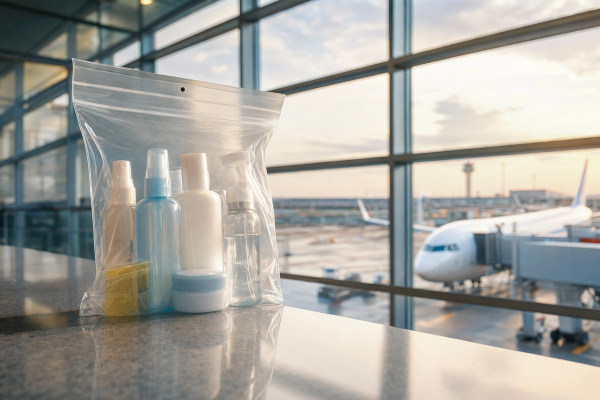
| Waterproof pouch | Protects documents, cash, medicines | Ziplock bags are cheap and very useful |
| Dry snacks and water | Delays happen due to jams, floods, landslides | Carry more than you think, people eat when bored |
| Power bank and offline maps | Network and battery both fail at wrong time | Download maps before leaving city limits |
| Rainwear and spare socks | Comfort and health, especially in hills | Wet socks can ruin mood faster than bad music |
Route Planning: The Boring Thing That Saves You Later
#I love spontaneous road trips, but monsoon is not the season for blind adventure. At least know your main route, alternate route, fuel stops, food stops, and possible night halt points. If driving from Mumbai to Goa, for example, check whether you’re taking NH 66 coastal route, Pune-Kolhapur-Belgaum side, or another option depending on road conditions. NH 66 is gorgeous in the rains, with waterfalls, coconut trees, sleepy villages and that smell of wet earth, but construction patches, slow-moving traffic and landslide-prone areas can delay you. The Kolhapur side may be faster sometimes, but it has its own rain and truck traffic drama.
For hill routes like Delhi to Manali, Chandigarh to Shimla, Rishikesh to Chopta, Guwahati to Shillong, or Siliguri to Darjeeling, always check landslide updates. Avoid starting late evening. In mountains, the road you crossed in the afternoon may not be the same road at night after rain. If locals say don’t go, don’t go. Not everything is “content”. Sometimes the best travel decision is sitting at a dhaba with rajma chawal and waiting.
Accommodation Backup: Because Sometimes You Should Stop Driving
#One underrated part of a monsoon emergency plan is knowing where you can sleep if the route gets bad. I keep 2 or 3 possible halt towns marked on the map. Not necessarily booked, but shortlisted. Current highway accommodation in India has become quite varied. You’ll find basic lodges from around ₹800 to ₹1,500 per night in smaller towns, decent budget hotels around ₹1,500 to ₹3,000, clean mid-range stays around ₹3,000 to ₹6,000, and resorts or boutique homestays near popular monsoon spots from ₹5,000 upwards, sometimes much more on weekends.
During monsoon weekends, places like Lonavala, Mahabaleshwar, Munnar, Coorg, Chikmagalur, Wayanad, Goa, Udaipur outskirts, and Sakleshpur can get booked or overpriced quickly. Also, some homestays in remote areas may have power cuts or approach roads that become slushy. Call before reaching. Ask very direct questions: is the road accessible in rain, is parking safe, is there power backup, is food available if we arrive late, and do they have network or Wi-Fi. Don’t be shy. A good host will answer properly. If they say “haan haan sab ho jayega” too casually, I get suspicious.
Food Stops, Dhaba Culture and What to Eat Safely
#Monsoon highway food is one of my favourite things. Hot pakoras, cutting chai, bhutta with nimbu-mirchi, vada pav near Mumbai, misal in Maharashtra, neer dosa and filter coffee in coastal Karnataka, bun maska at old highway cafés, parathas on North Indian routes, litti chokha if you’re crossing Bihar side, poha-jalebi in MP, and spicy Maggi in hill stations that tastes better only because you’re cold and dramatic. Food is part of the road trip culture here. You don’t just eat, you pause, gossip, stretch, stare at rain, and check if the car is still okay.
But be a little careful in monsoon. Avoid cut fruits kept outside, watery chutneys that look suspicious, and places where water is stored openly. Pick busy places where food turnover is high. Branded fuel stations and food courts on expressways are safer for washrooms, but old-school dhabas can be fantastic if they’re clean and crowded. Carry your own water, or buy sealed bottles. Also keep cash. UPI is everywhere, yes, but network can vanish or the shopkeeper’s QR code may be laminated so badly that your phone refuses to scan it.
What to Do If You Get Stuck in Waterlogging or a Breakdown
#First rule: don’t drive into water if you can’t judge depth. This is where ego damages engines. If local vehicles are turning back, you also turn back. If water reaches the lower edge of your car door or you see strong flow, don’t attempt it. For SUVs also, don’t act like you’re in some off-road ad. Hidden potholes, open drains, stalled vehicles and water entering the air intake can ruin the trip. If your car stalls in water, don’t keep cranking the engine. Call roadside assistance. Pushing the car in flowing water is risky, and people underestimate how strong moving water can be.
If you break down on a highway, move to the shoulder only if safe, switch on hazard lights, wear reflective jacket, place warning triangle at a proper distance, and keep passengers away from traffic. On curves or ghats, be extra careful because vehicles coming behind may not see you early. Call 1033 if on a national highway, your insurer or car RSA, and local emergency number if needed. Share live location with family or friends when network is available. If there is lightning, avoid standing in open spaces or under lonely trees. Sit inside the car if safe, but not if it is in floodwater or unstable ground.
Special Kit Additions for Hill Roads, Forest Routes and Coastal Drives
#Not all monsoon highways are same. For hills, carry anti-nausea tablets, warm layers, extra water, snacks, and a small shovel or sturdy stick if you’re going to remote homestays with muddy approach roads. For forest routes like parts of Wayanad, Bandipur side, Dandeli, Satpura areas, or Northeast roads, keep fuel topped up and avoid unnecessary night driving. Animals, fog, fallen branches, and sudden no-network zones are common. For coastal drives, carry waterproof bags, anti-rust spray if you’re particular about the vehicle, and keep an eye on cyclone or heavy rain warnings.
If you’re travelling with pets, add towels, pet food, leash, vaccination copy, poop bags, and a familiar blanket. If with kids, add extra clothes, snacks, fever medicine, small games, and patience. Actually carry double patience. For senior citizens, plan more washroom stops and avoid very long stretches without breaks. A road trip is not a race, even though some drivers on Indian highways behave like they’re qualifying for Formula 1.
Best Monsoon Road Trip Routes in India, With Caution
#Some routes are genuinely magical in the rains, if done carefully. Mumbai to Lonavala or Malshej Ghat is popular for waterfalls and mist, but weekends get crowded and police restrictions may apply near risky waterfall points. Pune to Mahabaleshwar or Satara side gives amazing valley views, strawberry cream season is more winter-ish but monsoon has its own charm. Bengaluru to Coorg, Chikmagalur or Sakleshpur is lush and coffee-scented, though narrow roads and leeches near trails are a thing. Kochi to Munnar is beautiful but landslide alerts must be taken seriously. Goa in monsoon is quieter, greener, and cheaper than peak season, but some beach shacks may be shut and the sea is rough.
North India has stunning drives too, but monsoon needs extra caution. Delhi to Rishikesh is manageable if you avoid peak traffic and check river conditions, but going deeper into Uttarakhand during red alerts is not wise. Himachal roads can close due to landslides, especially after heavy spells. Northeast monsoon drives around Meghalaya are breathtaking, with waterfalls at full power, but rain there is not casual rain. It can be full-on bucket mode. Keep buffer days. The current trend I’ve noticed is people booking scenic homestays, work-from-hills stays, and caravan-style road trips, but the smart travellers are the ones checking weather windows and not just Instagram reels.
A Small Packing Checklist Before You Leave Home
#The night before any monsoon road trip, I do one final boring round. Fuel full. FASTag balance checked. Tyre pressure done. Wipers checked. Documents packed. Offline maps downloaded. Hotel numbers saved. Snacks packed. Power banks charged. Rainwear reachable. Not in the suitcase. Reachable means if rain starts suddenly, you don’t need to unpack your entire life on the roadside.
- Tell someone your route and expected arrival time, especially if driving through hills or remote areas.
- Start early morning. Indian highways are safer when there is daylight, more help around, and less fatigue.
- Avoid cruise control on wet roads. Keep distance. Brake gently. Don’t tailgate trucks just because you’re impatient.
- Keep music volume moderate during heavy rain so you can hear horns, water noise, or tyre sounds.
- Take breaks every 2 to 3 hours. Stretch, check tyres visually, clean mirrors and lights if muddy.
- Don’t chase waterfalls into restricted areas. Every monsoon we hear sad news because people underestimate slippery rocks and sudden water release.
The Emotional Part: Monsoon Roads Are Beautiful, But They Demand Respect
#There’s a reason we Indians love monsoon trips so much. After summer heat, the first proper rain makes everything feel alive again. Brown hills turn green, dry streams become waterfalls, farmers are back in the fields, chai tastes better, and even boring highways start looking filmy. Somewhere between a wet toll booth, a foggy ghat, and a plate of hot poha, you feel that nice little freedom only road trips give.
But monsoon is also the season where overconfidence gets punished. I’ve seen cars stuck in slush because someone wanted a photo near a lake. I’ve seen bikers shivering under a flyover because their “waterproof” jacket was only waterproof in product description. I’ve sat in a 3-hour jam near a landslide zone with no proper food except peanuts and one sad packet of chips. And each time, the lesson became clearer: preparation doesn’t reduce adventure, it protects it.
Final Thoughts: Pack Smart, Drive Slow, Come Back With Good Stories
#A monsoon road trip emergency kit for Indian highways is not about fear. It’s about being practical. Carry the torch, the first-aid, the rainwear, the snacks, the documents, the tools, and the common sense. Check weather alerts. Respect local advice. Don’t drive into flooded roads. Don’t push beyond your energy. And please, don’t make the driver feel like they have to prove something. Reaching safely is the real flex.
If you plan it right, monsoon drives in India can be unforgettable in the best way. Misty ghats, roadside chai, green valleys, wet highways shining under headlights, and that calm feeling when you finally reach your stay and hear rain outside the window. Bas, be ready for the messy parts too. That’s the whole point. For more practical travel stories, route ideas and Indian-style trip planning, I keep finding useful reads on AllBlogs.in, so you can check that out before your next rainy highway adventure.