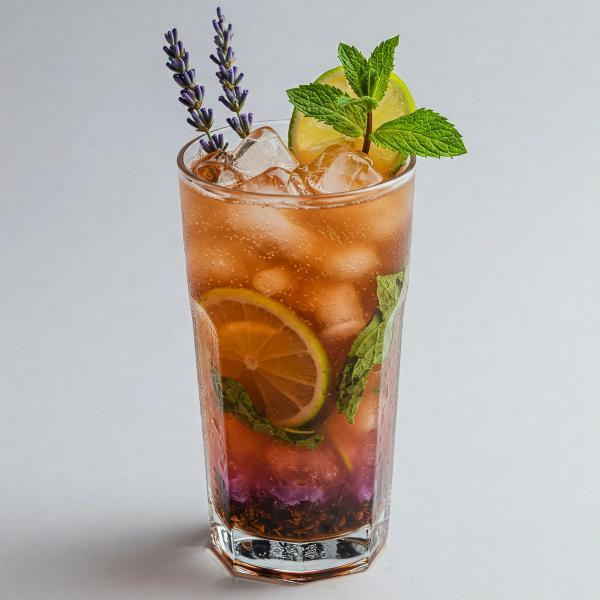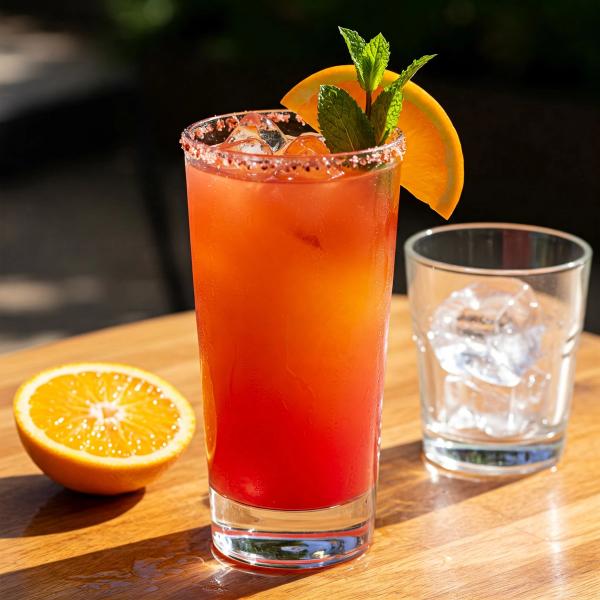
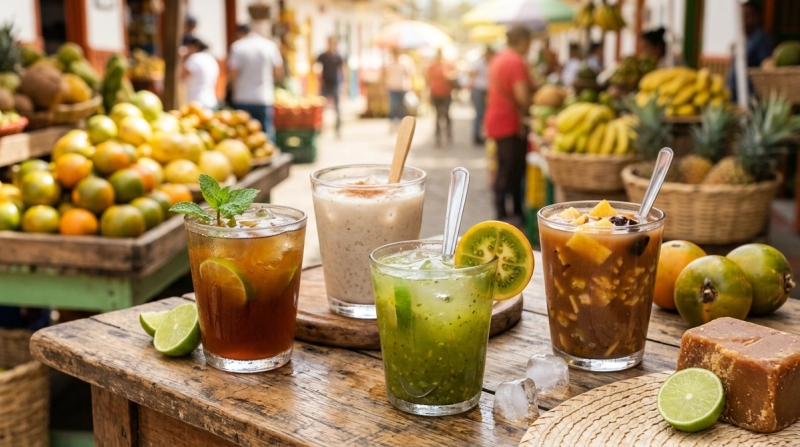
Colombia is famous for coffee, and yes, the coffee deserves the attention. But when you’re wandering through a hot market, waiting at a bus terminal, or walking around Cali, Cartagena, or Santa Marta in the afternoon heat, a steaming cup of coffee may not be what your body is asking for.
That’s when Colombia’s street drinks start to make a lot of sense.
They’re cold, sweet, fruity, creamy, comforting, filling, or sometimes all of those things at once. And for travelers, especially if you don’t drink alcohol or you just want to try something local without committing to a full meal, they’re one of the easiest ways to taste everyday Colombia.
This guide covers four classic Colombian non-alcoholic drinks you’re likely to see or hear about while traveling: lulada, champús, aguapanela, and avena Colombiana.
Here’s what they taste like, when to order them, and what to watch for with ice, dairy, sugar, and street-stall hygiene.
Quick answer: what should travelers try?
#If you’re staring at a menu and just want the short version, start here.
- Lulada: Tart, icy, fruity, and refreshing. Made with mashed lulo fruit, water, sugar or panela, lime, and ice. Great on a hot day.
- Champús: Sweet, tangy, chunky, and spiced. A Valle del Cauca favorite, especially around Cali. Made with lulo, pineapple, cooked dried corn, panela, and spices.
- Aguapanela: A simple Colombian comfort drink made by dissolving panela, unrefined sugarcane, in water. Served hot or cold, often with lime.
- Avena Colombiana: A creamy oat-and-milk drink with sugar, cinnamon, and cloves. More filling than refreshing, and often enjoyed at breakfast or as a snack.
- Safest street choice: Hot aguapanela is usually the safest bet because it has been heated.
- Be careful with: Ice-heavy drinks if you don’t know where the ice came from, and milk-based avena if it has been sitting out in the heat.
- Best for vegans: Lulada, champús, and aguapanela are usually plant-based. Avena Colombiana usually contains cow’s milk.
- Caffeine note: These are not coffee drinks and they don’t normally contain caffeine.
Why Colombian street drinks are worth trying
#One of the nicest things about traveling in Colombia is that non-alcoholic drinks are not an afterthought.
They are everywhere.
You’ll find fruit juices, panela drinks, oat drinks, icy drinks, hot drinks, regional drinks, and little homemade-looking drinks poured from huge jugs at markets and roadside stalls. You’ll see them in bakeries, cafés, bus stations, plazas, neighborhood restaurants, and street carts.
The hard part is usually not finding something interesting to drink.
The hard part is knowing what you’re actually ordering.
Some drinks look like juice but feel closer to a snack. Some are much sweeter than you might expect. Some come packed with ice. Some have milk. Some have chunks. And some are regional, so they may be everywhere in one city and hard to find in another.
So let’s go through the big four.
Lulada: the tart lulo drink made for hot days
#If you like sharp, citrusy fruit drinks, lulada is probably the one to try first.
Lulada is made with lulo, a bright, acidic Colombian fruit that tastes a little citrusy, but not exactly like lemon, lime, or orange. It has its own flavor: tart, fragrant, tropical, and very refreshing when served cold.
Unlike a fully blended juice, lulada is usually made with mashed lulo. That means it often has little bits of fruit pulp floating through it. It’s part of the charm.
A typical lulada includes:
- Mashed lulo
- Water
- Sugar or panela
- Lime
- Crushed ice
The flavor is sweet, sour, cold, and fresh. It is not creamy, heavy, or complicated. It’s the kind of drink that makes perfect sense when the sun is getting rude and you need something icy in your hand.
When to order lulada
#Order lulada when you want something cold, fruity, and lighter than a milk drink or grain-based drink.
It’s a great afternoon drink, especially when you’re not hungry enough for food but plain bottled water feels too boring.
If you’re in a hot city and see a clean stall selling fresh lulada, that’s a pretty easy yes.
What to check before ordering
#Lulada usually depends on ice, so if your stomach is sensitive, take a quick look before ordering.
Ask yourself:
- Is the ice coming from a commercial bag?
- Does the stall or cart look clean?
- Are the fruit and utensils being handled neatly?
- Are the ingredients covered?
- Is the place busy enough that drinks are being made fresh?
If the ice looks questionable, or you’re somewhere you don’t trust the water, skip it. You can ask for lulada without ice, but to be honest, it won’t be quite the same drink.
Champús: the chunky Valle del Cauca specialty
#Champús is not just fruit juice.
It’s thicker, chunkier, spiced, sweet, tangy, and a little unusual if you’ve never had anything like it before.
This traditional drink is especially associated with Valle del Cauca, the region where Cali is located. If you’re visiting Cali or nearby towns, champús is one of those local things worth trying at least once.
Champús is commonly made with:
- Lulo
- Pineapple
- Cooked dried corn
- Panela
- Cinnamon
- Cloves
- Sometimes orange zest or orange tree leaves
The result is fruity, sweet, spiced, and textured. The corn gives it body. The pineapple adds tropical sweetness. The lulo keeps it bright and tangy. The spices make it feel deeper and more homemade than a basic fruit juice.
If you only like smooth drinks, champús may surprise you. It is closer to a drinkable snack than a clean, strained juice.
But if you enjoy texture and regional food traditions, it’s one of the more interesting Colombian street drinks to try.
When to order champús
#Champús is usually served cold and often with plenty of ice, so it works well as an afternoon drink in warm weather.
It also pairs nicely with salty or savory snacks. You may see it sold near empanadas, pandebonos, fried bites, bakery items, or cheese breads.
Just know that it can be a little filling. This is not always a light “sip and go” drink.
What to check before ordering
#With champús, the two big things to check are ice and handling.
Because it can include fruit, cooked corn, sugar, spices, and sometimes a big shared container, you want a vendor who looks clean and organized. A busy stall is usually a good sign because the drink is moving quickly instead of sitting around for hours.
Skip it if:
- The drink is uncovered
- The serving area looks messy
- The ice looks dirty or homemade in a questionable way
- The fruit or utensils look poorly handled
- The container has been sitting in the sun for a long time
There is almost always another stall nearby, so don’t feel bad about walking on.
Aguapanela: Colombia’s simple panela comfort drink
#Aguapanela is one of those everyday Colombian drinks that sounds almost too simple to be interesting.
It’s made by dissolving panela, a block of unrefined sugarcane, in water. That’s basically it. Lime is often added, and depending on where you are, it may be served hot or cold.
Aguapanela can be:
- Cold: Sweet, simple, and thirst-quenching, often with lime.
- Hot: Warm, soothing, and very common at home, especially when someone feels tired, cold, or under the weather.
Hot aguapanela sometimes comes with cheese on the side or even inside the cup. If you’re not Colombian, that may sound strange at first. Sweet panela water with salty cheese? But it’s a very Colombian combination, and plenty of travelers end up liking it more than they expected.
When to order aguapanela
#Order cold aguapanela when you want something sweet and straightforward.
Order hot aguapanela when you want a warm drink from a stall, café, bakery, or roadside stop. It’s also a good choice if you’re being careful with ice, since the hot version has usually been boiled or heated.
It’s not fancy. That’s kind of the point.
It’s simple, cheap, comforting, and very Colombian.
Important alcohol note
#Regular aguapanela is non-alcoholic.
But don’t confuse it with canelazo, a hot panela-style drink that often contains aguardiente, Colombia’s anise-flavored liquor.
If you avoid alcohol, ask clearly before ordering any hot panela drink at night, especially in bars, party areas, or cold mountain towns where canelazo is common.
Avena Colombiana: the creamy oat drink
#Avena Colombiana means Colombian oats, but don’t picture a bowl of oatmeal with a straw in it.
It’s smoother and more drinkable than that.
Avena Colombiana is a thick, creamy drink made with oats, milk, water, sugar, cinnamon, and cloves. It is sweet, spiced, and filling. Depending on how it’s made, it can feel almost like a light milkshake, although Colombians often treat it more like a breakfast drink or snack than a dessert.
Out of the four drinks in this guide, avena is the richest and most filling.
When to order avena Colombiana
#Order avena in the morning, or when you want something that can hold you over for a while.
It’s a good choice if you like:
- Oats
- Milk
- Cinnamon
- Cloves
- Sweet, creamy drinks
It is not the best choice when you are overheated and craving something sharp and refreshing. In that case, lulada or cold aguapanela will probably feel much better.
What to check before ordering
#Avena contains milk, so refrigeration matters.
A clean café, bakery, or busy market stall with visible cooling is a better place to order it than a cart sitting in full afternoon sun.
If the avena looks like it has been unrefrigerated for a long time, skip it. No drink is worth losing a travel day over.
What to order and what to skip
#Here’s the practical traveler version.
Order lulada if:
#- You want something icy, tart, and fruity.
- You like citrus-like flavors.
- You’re comfortable with the vendor’s ice and fruit handling.
- You want a vegan-friendly Colombian street drink.
Skip lulada if:
#- You can’t check the ice and your stomach is sensitive.
- You dislike pulp or mashed fruit texture.
- You’re avoiding sugar, because lulada is usually sweetened.
Order champús if:
#- You want a regional specialty, especially in or around Valle del Cauca.
- You like textured drinks.
- You enjoy sweet, spiced fruit flavors.
- You want something between a drink and a snack.
Skip champús if:
#- You only like smooth juices.
- The drink has been sitting uncovered.
- The ice looks questionable.
- You’re avoiding very sweet drinks.
Order aguapanela if:
#- You want a simple Colombian comfort drink.
- You prefer a hot drink from a street stall or casual café.
- You’re avoiding caffeine.
- You want a non-alcoholic drink, but make sure it is not canelazo.
Skip aguapanela if:
#- You’re limiting sugar.
- You want something tart and refreshing, not sweet.
- You’re not sure whether the version being offered contains alcohol.
Order avena Colombiana if:
#- You want a creamy, filling drink.
- You like oats, milk, cinnamon, and cloves.
- You’re ordering from a café, bakery, or stall with good refrigeration.
- You want something breakfast-like.
Skip avena Colombiana if:
#- You’re vegan or avoiding dairy.
- The drink has been sitting unrefrigerated.
- You want a light drink in hot weather.
- You’re avoiding heavily sweetened drinks.
Ice, dairy, sugar, and street-stall hygiene checks
#You don’t need to be paranoid about trying street drinks in Colombia. But a few quick checks can save you from a bad stomach day.
Ice
#Cold Colombian street drinks often come with a lot of ice, especially lulada and champús.
In major Colombian cities, many vendors use commercial ice. Still, it’s worth looking before you buy. In smaller towns, rural areas, or coastal places, be a little more careful if you’re unsure about water quality.
Useful checks:
- Look for bagged commercial ice.
- Avoid cloudy, dirty-looking, or poorly stored ice.
- Choose busy stalls with fast turnover.
- Ask if the ice is made with filtered water.
- If you’re very sensitive, choose hot aguapanela instead.
Dairy
#Avena Colombiana is the main drink to watch here.
Milk-based drinks need proper cooling. If you see avena in a clean café or at a busy stall with refrigeration, that’s a good sign. If it’s being poured from a container that has been sitting in the heat with no visible cooling, skip it.
When in doubt, choose something without dairy.
Sugar
#Colombian drinks can be sweet.
Very sweet.
Panela and sugar are a big part of many traditional drinks, and lulada, champús, aguapanela, and avena are usually sweetened by default. Street versions are often made in batches, so asking for “less sugar” may not always work.
If you’re diabetic, following a low-sugar diet, or simply don’t enjoy very sweet drinks, ask before ordering or choose carefully.
Useful phrases:
- ¿Tiene azúcar? — Does it have sugar?
- ¿Se puede con menos azúcar? — Can it be made with less sugar?
- Sin azúcar, por favor. — Without sugar, please.
Just remember: with batch-made drinks, the sugar may already be mixed in.
General street-stall hygiene
#Before ordering, pause for a few seconds and look around.
Look for:
- Covered ingredients
- Clean cups and utensils
- Fresh-looking fruit
- A vendor who handles money and food carefully
- A steady flow of customers
- Ice stored separately and cleanly
- Dairy kept cold
Skip stalls where the drink is uncovered, the setup looks dirty, or milk-based drinks have been sitting in the heat.
Trust your gut before your gut has to deal with it.
Vegetarian, vegan, and caffeine notes
#For travelers with dietary preferences, these drinks are fairly easy to understand.
Vegetarian
#All four drinks are generally fine for vegetarians. Avena contains milk, but meat-based ingredients are not typical in these drinks.
Vegan
#- Usually vegan: Lulada, champús, and aguapanela.
- Not usually vegan: Avena Colombiana, because it is normally made with milk.
One small note: aguapanela may be served with cheese. The drink itself may be plant-based, but the pairing is not vegan.
Caffeine
#These four drinks do not contain caffeine by default.
That makes them useful if you want something in the late afternoon but don’t want coffee. Colombia’s famous tinto, black coffee, is a different thing entirely.
Best first picks for different travelers
#Still not sure what to try first? Start here.
- Best first drink on a hot day: Lulada
- Best regional specialty: Champús in Valle del Cauca
- Best cautious street choice: Hot aguapanela
- Best filling breakfast-style drink: Avena Colombiana
- Best vegan-friendly options: Lulada, champús, aguapanela
- Best option if avoiding ice: Hot aguapanela
- Best option if avoiding dairy: Lulada, champús, or aguapanela
- Best option if avoiding sugar: Honestly, none are ideal. Ask first or choose something else.
Final sip
#Colombian street drinks are easy to love once you know what’s in the cup.
Start with lulada if you want tart, icy refreshment. Try champús if you’re curious about regional flavors and don’t mind texture. Choose aguapanela when you want something simple, sweet, and comforting. Save avena Colombiana for a clean café or well-kept stall when you’re in the mood for something creamy and filling.
As with street food anywhere, the best approach is curiosity plus common sense.
Check the ice. Be careful with dairy. Expect sugar. Watch the stall for a moment before you order.
Then pick a drink, find a bit of shade, and enjoy one of the simplest pleasures of traveling in Colombia.