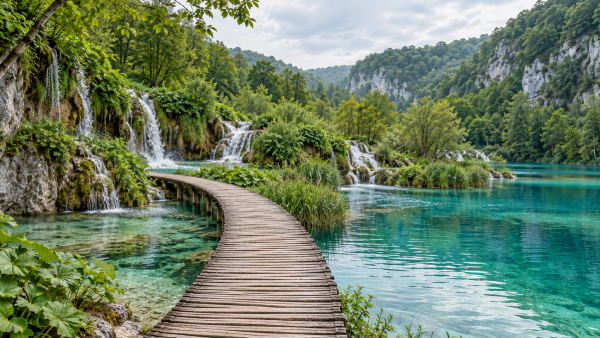
I’ll say this straight away: Nepal is dangerously easy for Indian travelers to love. It’s close, it feels familiar in bits, the mountains slap you in the face with beauty, and then the food quietly sneaks up and becomes the thing you keep talking about after coming home. I went thinking, okay, dal bhat, momos, chai, maybe some Tibetan soups. Nice. But Nepal’s food scene is way deeper than that. It’s Newari feasts in Patan, smoky Thakali plates on cold evenings, laphing stalls that make your lips tingle, Juju Dhau in Bhaktapur eaten with a tiny wooden spoon, and roadside sel roti that reminded me of home but also not home at all. For Indians, Nepal is not exactly “foreign” in the usual way, but it’s not just a cousin of Indian food either. It has its own mood, its own spice logic, and honestly, its own stubborn pride.
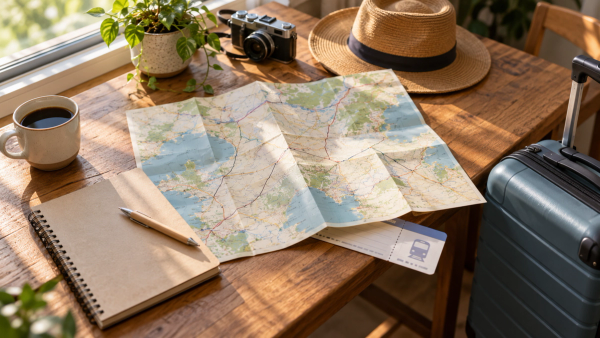
A quick practical note before I get emotional about chutney: Indian citizens don’t need a visa for Nepal, which makes the whole thing feel almost too simple. If you’re flying, carry a passport or voter ID, because Aadhaar alone is not the document you want to depend on at the airport. By road, people are more casual, but still, keep proper ID. Currency-wise, carry Nepali rupees and some Indian ₹100 notes. Bigger Indian notes can be a headache and many places simply won’t take them. In 2026, UPI-style QR payments are becoming more visible in tourist zones like Kathmandu, Pokhara and some border towns, thanks to India-Nepal digital payment links, but don’t behave like you’re in Bengaluru with PhonePe everywhere. Cash is still king in tea shops, mountain villages and old food lanes. Also, Nepal is 15 minutes ahead of India, which is cute and annoying in equal measure when you’re trying to catch breakfast.
The First Meal: Dal Bhat, But Not the Dal Bhat I Expected
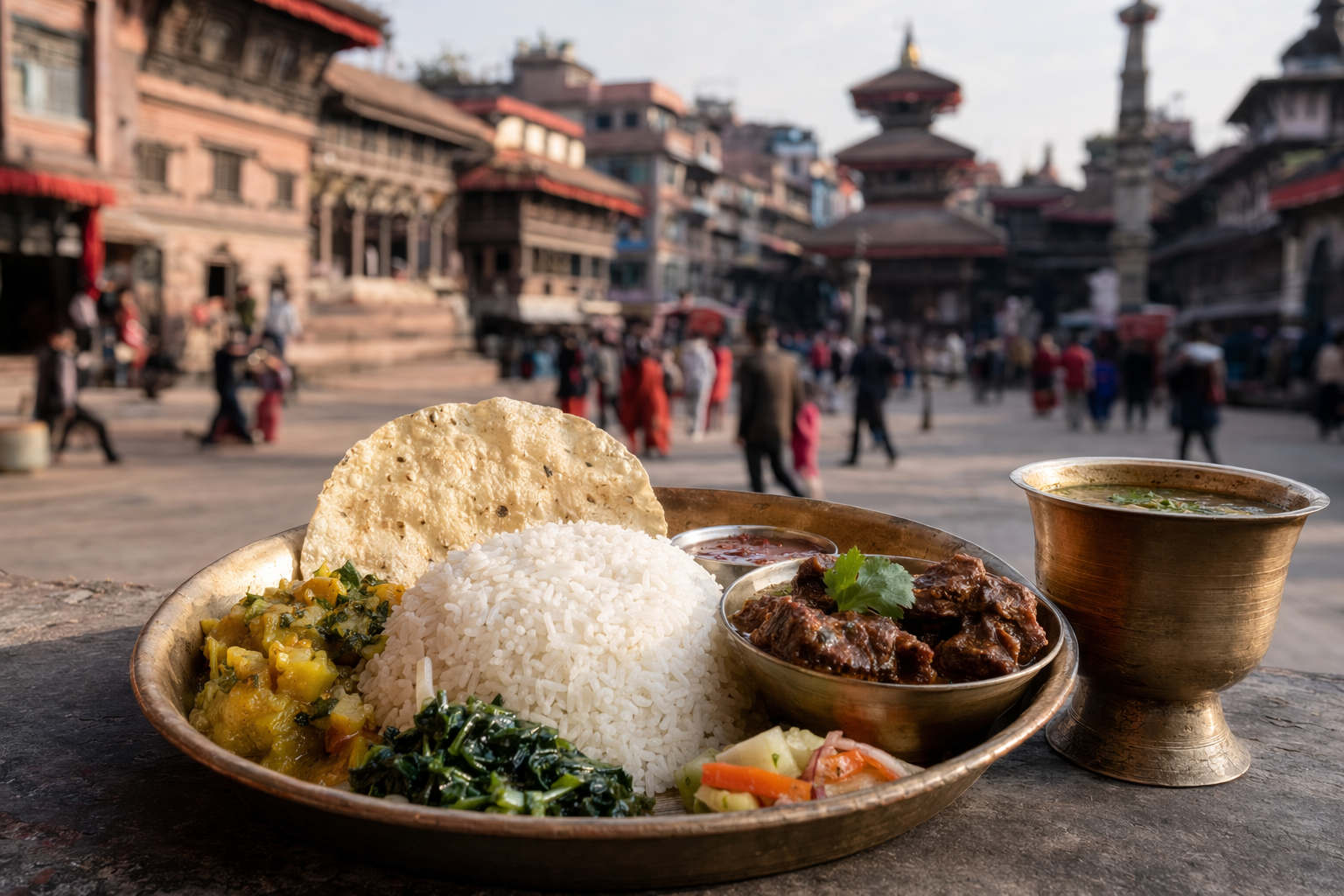
#My first proper meal in Kathmandu was a dal bhat set at a small place near Lazimpat, the kind of restaurant where the menu is laminated, the waiter already knows what you should order, and the kitchen smells like pressure cooker steam, ghee and achar. I thought I knew dal bhat. I mean, I’m Indian, rice and dal is practically emotional infrastructure. But Nepali dal bhat is a whole system. Rice, thin dal, tarkari, saag, achar, sometimes papad, curd, and if you order Thakali style then you get this whole balanced plate where everything has a role. The achar was the part that got me. Sharp, fermented, sometimes sesame-heavy, sometimes tomato and timur pepper doing that numbing thing. It wasn’t trying to be Indian pickle. It was brighter, fresher, less oily. And they kept refilling. Like, again and again. I was full, but the aunty serving looked personally disappointed if I refused more rice, so obviously I ate more.
Indian travelers should understand this early: Nepali food can look simple and then quietly be very complex. It’s often less masala-loaded than North Indian food, less coconut-rich than South Indian food, and less chilli-aggressive than some of our street foods, but it has these beautiful background flavours. Timur, jimbu, fermented greens, black lentils, buckwheat, millet, mustard oil, roasted sesame, dried bamboo shoot, and that mountain appetite which makes everything taste better. In 2026, one big food travel trend in Nepal is the return to indigenous grains and local ingredients. Restaurants and homestays are showing off kodo millet, phapar buckwheat, nettle soup, wild greens, and old family achars instead of pretending tourists only want pizza. Thank god for that.
Momos Are Not Just Momos, Please Don’t Fight Me
#Let’s talk momos because every Indian traveler in Nepal becomes a momo critic after two plates. In Delhi, Darjeeling, Sikkim, Guwahati and even Mumbai now, we all eat momos. But Kathmandu momos hit different. The casing is often softer, the fillings are juicier, and the achar is where the real personality sits. I had buff momos at a tiny local place in Thamel where I was the only confused tourist and everyone else looked like they had been eating there since school. Buff is buffalo meat, very common in Nepal, especially in Newari and momo spots. If you eat meat, try it once. If you don’t, veg momos are everywhere and honestly some are excellent, especially when stuffed with cabbage, paneer-ish cheese, carrot, spring onion and served with a roasted tomato-sesame chutney.
My favourite version was jhol momo, momos swimming in a warm spiced broth that’s tangy, nutty and comforting. Perfect for cold Kathmandu evenings when your socks are slightly damp and you’ve walked 18,000 steps pretending you’re “just exploring.” Kothey momos are pan-fried on one side, good if you like texture. Sadheko momo is tossed like chaat with spices, onion, coriander and chilli, and it feels made for Indian taste buds. There are also newer 2026-style experiments around town: buckwheat momo wrappers, vegan mushroom fillings, Himalayan cheese momos, and fancy plated momos in boutique cafes. Some are brilliant, some are just Instagram wearing a dumpling costume. My rule: if the achar is good, the momo place is good.
Kathmandu Food Walk: Thamel Is Easy, But Don’t Stop There
#Thamel is the obvious base for many Indian travelers because hotels, trekking shops, cafes, money exchange, taxi bargaining, everything is there. Food-wise it’s convenient, sometimes touristy, but not useless. You’ll find Indian restaurants if you’re travelling with someone who panics without paneer butter masala. You’ll find bakeries, Tibetan places, Nepali thali restaurants, Korean BBQ, falafel, vegan bowls, speciality coffee and those rooftop cafes where everyone is either planning Everest Base Camp or recovering from it. Places like Yangling Tibetan Restaurant are known among travelers for momos and Tibetan comfort food, while Bhojan Griha is more of a cultural dinner experience with Nepali set meals in a heritage-style setting. Krishnarpan at Dwarika’s is the expensive, slow, ceremonial Nepali dining experience people book for special occasions. Check timings and reservations though, Kathmandu restaurants do change hours more often than Google admits.
But please, leave Thamel. Go to Patan, Kirtipur, Ason, Indra Chowk, Boudha. Ason market in old Kathmandu is chaotic in a way Indian travelers will understand immediately: spices, copper vessels, dried chillies, temple bells, scooters trying to become pedestrians, and snack sellers doing brisk business. I ate bara, which is a lentil pancake, near an old courtyard and it tasted like the missing cousin of adai and chilla. Then I had lassi that was thick enough to count as architecture. Around Boudhanath Stupa, Tibetan food rules the lanes: thukpa, thenthuk, tingmo, shapale, butter tea if you’re brave. The whole area has a slower, prayer-wheel rhythm. I sat there with a bowl of thukpa while monks walked past and thought, yeah, this is why people come back to Nepal.
Newari Food: The Part Many Indians Miss, Which Is a Crime Basically
#If you only eat momos and dal bhat in Nepal, you’ve missed the big show. Newari cuisine, from the Kathmandu Valley’s Newa community, is one of the most exciting food cultures in South Asia. It’s festive, detailed, bold and sometimes a bit challenging if you’re not used to offal, buff meat or fermented flavours. But there are plenty of veg-friendly dishes too. In Patan, I went for a Newari spread after a morning of walking around Durbar Square, and it was one of those meals where you keep asking, “Wait, what is this again?” Samay baji is the classic plate: beaten rice, bara, choila, boiled egg, spiced potato, greens, beans, achar and more. Choila is usually grilled spiced meat, smoky and fierce. Bara can be vegetarian. Aloo tama, potato with bamboo shoot and black-eyed peas, has this tangy fermented kick that I loved instantly.
For a gentler intro, places like The Village Cafe in Patan are often recommended because they present local food in a comfortable setting and support women cooks. Honacha-style old Newari eateries around Patan are more rustic and local, and that’s where food feels less polished but more alive. If you are vegetarian, say it clearly: “maasu chaina” means no meat, though pronunciation from my mouth was probably criminal. For strict Jain food or no onion-garlic, Nepal is possible but you need planning. Tourist areas and Indian restaurants can help, but traditional Nepali kitchens use onion, garlic, ginger and sometimes stock. Don’t assume “veg” means Jain. Ask patiently, smile a lot, and carry backup snacks if you’re particular. I say this as someone who once survived a long travel day on peanuts, banana chips and overconfidence.
Bhaktapur: Come for Temples, Stay for Juju Dhau
#Bhaktapur is the day trip people do from Kathmandu, but food lovers should treat it like more than just a photo stop. The city is slower, brick-red, carved-wood beautiful, and full of little snack moments. The most famous thing is Juju Dhau, literally “king curd,” and yes, it deserves the hype. It’s thick, creamy, mildly sweet, set traditionally in clay pots, and tastes richer than regular dahi without being heavy. As an Indian, I kept comparing it to mishti doi, shrikhand, Bengali doi, Mathura peda-adjacent dairy memories, all of that. But Juju Dhau is its own thing. Eat it cold after wandering around pottery square and you’ll understand.
Bhaktapur is also good for yomari if you find it, especially around festivals or Newari eateries. Yomari is a steamed rice flour dumpling filled with chaku, a molasses-like sweet, or sometimes sesame-coconut filling. It’s warm, soft, slightly sticky, and feels like winter food. I had one from a small shop where the lady laughed at my excitement because apparently I looked like a child seeing jalebi. Fair. In 2026, culinary walking tours in Bhaktapur and Patan are getting more popular, especially among travelers who want heritage plus food rather than just monument-hopping. I think it’s worth booking one if you’re short on time, but leave room for random eating. Random eating is where the best stories happen.
Pokhara: Lakeside Cafes, Thakali Plates and That Post-Sunrise Hunger
#Pokhara is where Nepal gets soft around the edges. Kathmandu is dust, temples, traffic, history, noise. Pokhara is lake air, mountain reflections, paragliders, bakeries, and people saying they’ll stay two nights but staying five. Food here is a mix: Nepali, Tibetan, Indian, continental, vegan traveler cafes, wood-fired pizza, smoothie bowls, speciality coffee and trekkers inhaling carbs. After sunrise at Sarangkot, I had a simple breakfast of eggs, toast, potatoes and tea, and it tasted like luxury because my fingers were frozen. Later, I hunted for a proper Thakali khana set. Thakali food comes from the Thak Khola region and has become one of Nepal’s most loved meal styles. Rice, dal, seasonal vegetables, greens, achar, gundruk, sometimes meat curry, all arranged beautifully. It’s comfort food with mountain discipline.
Lakeside Pokhara has long-running traveler favourites like Moondance Restaurant, Caffe Concerto and Fresh Elements, along with many smaller Nepali thali places tucked behind the main strip. Again, check current hours because restaurants shift, renovate, relocate, or randomly close for family reasons. One newer trend I noticed people talking about in Pokhara is “slow food after adventure” travel: cooking classes, farm lunches, coffee tastings, and homestay meals instead of just eating at Lakeside every night. If you have time, go beyond the main drag. Try local fish if available, especially trout in the hill areas, and definitely eat sel roti with tea. Sel roti is like a rice flour doughnut, slightly sweet, crisp outside and chewy inside. It’s festival food, roadside food, bus stop food, and if you get a hot one, your day improves by 43 percent. Scientifically? No. Emotionally? Yes.
Chitwan and Tharu Food: A Totally Different Nepal
#Many Indian travelers add Chitwan for the national park, jungle safari, rhinos, canoe rides and that whole Terai landscape which feels closer to Bihar or eastern UP in climate but still very Nepali. Food changes here. Rice remains, but flavours get earthier, smokier, sometimes more rustic. The Tharu community has its own food traditions, and if your lodge or homestay offers a Tharu meal, take it. I had dhikri, which are steamed rice flour dumplings, with a spiced curry and local greens. There was also fish cooked with mustard and spices, and a chutney so sharp it woke up every sleepy part of me. Some places serve ghonghi, river snails, which I did not try because I became suddenly philosophical and cowardly. But food travelers with stronger hearts should ask locally.
The thing with Chitwan is that resort buffets can become boring if you let them. Ask for local food. Ask what the staff eats. Not in a demanding way, just curious. Nepalese hospitality is warm but not performative, and I found people happy to explain dishes if you show real interest. Also, Indian travelers should be mindful that “spicy” means different things here. Sometimes Nepali food is mild, then suddenly an achar hits like a Nagpur mirchi protest march. Keep curd nearby. And drink safe water. Bottled, filtered, boiled, whatever reliable option is available. Street food is wonderful, but if the chutney looks like it has been sitting since the monarchy, maybe don’t be a hero.
What Vegetarians, Vegans and Picky Indian Families Can Actually Eat
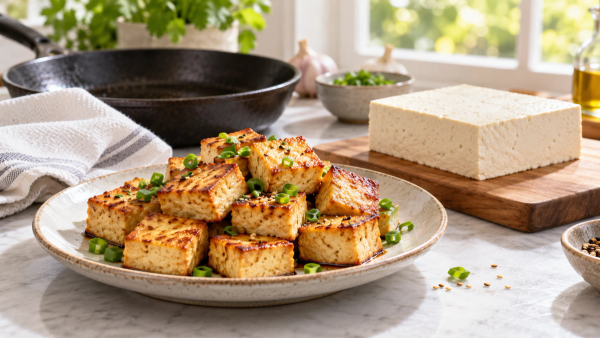
#Nepal is fairly friendly for Indian vegetarians, but not automatically perfect. Dal bhat tarkari is your safest best friend. Veg momos, aloo tama without meat, bara, chatamari with veg toppings, thukpa with veg broth, fried rice, chowmein, saag, mushroom dishes, potato curries, paneer at Indian restaurants, curd, sel roti, fruits, and bakery food are easy enough in cities. In trekking areas, menus often have “veg curry rice,” veg noodle soup, pancakes, porridge, Tibetan bread, and tea. Vegan travelers are increasing in Nepal’s tourist circuits, and in 2026 more cafes in Kathmandu and Pokhara are offering oat milk, plant-based bowls, vegan momos and dairy-free desserts. But outside tourist zones, vegan can be tricky because ghee, curd and milk tea are everywhere.
If you’re traveling with parents who want Indian food after two experimental meals, relax. Kathmandu and Pokhara have plenty of Indian restaurants, from basic dosa and chole bhature places to fancier North Indian dining. Around Pashupatinath and other pilgrimage routes, vegetarian Indian-style food is easy. But I’d gently push even picky families to try Nepali khana at least once. It’s not scary. It’s rice, dal, vegetables, pickle, curd. Familiar enough. And for kids, momos are usually a win unless they hate anything with vegetables, in which case good luck and may the gods of travel parenting bless you.
Street Food I Still Think About at Random Times
#- Laphing near Boudha: cold mung bean starch noodles or rolls with chilli oil, vinegar and spices. It’s slippery, spicy, tangy, and addictive in a very weird way. Delhi has laphing now too, but eating it near Boudha hits different.
- Sekuwa: grilled meat skewers, especially popular in many local eateries. Smoky, spicy, best with beaten rice and achar. If you eat non-veg, don’t skip it.
- Chatamari: sometimes called Newari pizza, though that description annoys locals a bit. It’s a rice flour crepe with toppings like egg, minced meat, vegetables or spices.
- Gundruk soup: fermented leafy greens, sour and earthy. Not everyone loves it first bite. I did, but I also love kanji and fermented bamboo shoot, so maybe my opinion is biased.
- Tea everywhere: masala chai exists, but Nepali milk tea has its own comfort. In mountain areas, ginger lemon honey tea becomes basically medicine, therapy and personality.
A Rough Food Itinerary for Indian Travelers
#If I were planning a first Nepal food trip from India, I’d do 7 to 9 days and not rush like a checklist maniac. Day 1 in Kathmandu: settle in, eat dal bhat or Thakali khana, walk Thamel, have momos. Day 2: old Kathmandu, Ason, Indra Chowk, local snacks, then dinner around Boudha with Tibetan food. Day 3: Patan food walk, Newari lunch, coffee in a courtyard cafe, maybe a nicer dinner if budget allows. Day 4: Bhaktapur for Juju Dhau, yomari if available, and temple wandering. Day 5 or 6: Pokhara, with Thakali meals, Lakeside cafes, sel roti, maybe a cooking class or village lunch. Add Chitwan if you want Tharu food and jungle. Add Bandipur if you like slow hill towns and homestay-style meals. Add Lumbini if pilgrimage is part of your route, though food there leans simpler and more Indian-influenced.
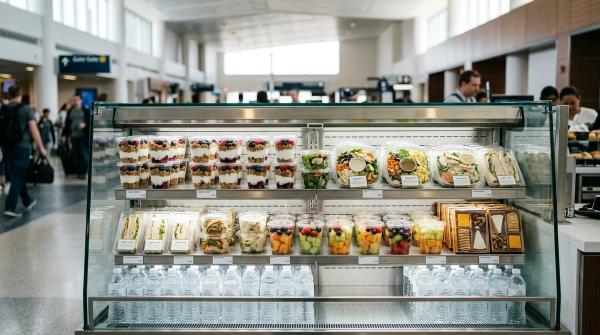
Flights from Delhi, Mumbai, Bengaluru, Kolkata and Varanasi routes keep changing by season, so compare before booking. Many Indian travelers also enter by road through Sunauli, Raxaul-Birgunj, Jogbani-Biratnagar or Banbasa-Mahendranagar. Border food is its own genre, by the way. You’ll get Indian snacks, Nepali chowmein, tea, samosas, and that strange travel-day hunger where even average puri sabzi feels meaningful. Buses inside Nepal can be slow because mountain roads don’t care about your Google Maps optimism. Carry snacks: roasted makhana, thepla, khakhra, protein bars, ORS, or whatever your family believes prevents disaster. Mine believes in namkeen. Namkeen has saved many trips, honestly.
2026 Food Travel Trends in Nepal I Actually Like
#Some travel trends are nonsense, like putting edible flowers on everything and charging double. But Nepal’s current food travel direction is mostly exciting. Hyperlocal Nepali dining is having a moment: chefs are talking about indigenous grains, forgotten recipes, regional pickles, mountain herbs and community-led meals. Food walks are getting more thoughtful, especially in Kathmandu Valley. Coffee culture is growing too, with Nepali coffee from regions like Gulmi, Nuwakot, Kavre and Syangja showing up in cafes, not just generic imported beans. Tea tourism is also slowly getting attention, especially for people heading toward Ilam in eastern Nepal. If you’re an Indian traveler who has done Darjeeling and Assam, Ilam’s tea landscapes will feel familiar but quieter.
Another trend: wellness and adventure food are merging. Trekking menus are not just instant noodles anymore, though let’s be honest, instant noodles at altitude are still elite. You’ll see more millet porridge, buckwheat pancakes, vegan soups, yak cheese, local honey, herbal teas and energy snacks made with nuts and seeds. Boutique hotels are offering Nepali tasting menus. Homestays are turning dinner into the main experience. Digital menus and QR payments are spreading in cities. And yes, social media has made certain momo places and view cafes crowded, but it has also pushed younger Nepalis to document regional dishes that outsiders never knew about. That part makes me happy.
Food Safety, Spice Levels and Other Small Survival Lessons
#Nepal is not hard for Indian stomachs, but don’t get arrogant. Drink safe water. Avoid raw salads in very basic places unless you trust the hygiene. Eat street food where turnover is high and food is cooked fresh. Carry basic meds, ORS, and maybe probiotics if you’re that person. I am now that person after one bad trip in another country, no shame. Altitude also changes appetite. If you go trekking, eat even when you don’t feel super hungry, and don’t mix alcohol with altitude like you’re proving something. Tongba, the warm millet alcoholic drink, is famous in eastern Nepal and hill areas, while raksi appears in many local contexts, but respect your body and local customs.
Spice-wise, Nepali food is usually manageable for Indians, but the achar can surprise you. Also, buff is common, pork appears in some ethnic cuisines, and beef is generally not part of mainstream Nepali food culture due to religious and legal sensitivities around cows. If you have dietary restrictions, ask clearly. “Chicken” and “meat” may not mean what you assume. In Newari places, buff can be the default meat. In Tibetan spots, broth may not be vegetarian even if the noodles look plain. Just ask. People are kind, but they are not mind readers.
The Souvenirs I Brought Back, Mostly Edible Because Obviously
#I’m not a big souvenir person unless I can eat it, cook with it, or spill it in my bag apparently. From Nepal, good food souvenirs include timur pepper, local tea, Nepali coffee, lapsi candy, dried gundruk if packed properly, spice mixes, handmade chocolate from newer Nepali brands, and maybe yak cheese if you can store it well. Lapsi is a sour fruit used for candy and pickles, and Indian travelers who like khatta-meetha things will enjoy it. In markets, check packaging dates and customs rules if flying. Don’t buy random unlabeled powders and then act surprised if security asks questions. I learned this with a masala packet once, and the conversation was not fun.
Also leave space in your bag for regret purchases. I bought too much tea, not enough timur, and exactly zero Juju Dhau because curd does not travel well across borders, sadly. The real souvenir, though, was how Nepal changed my idea of “familiar food.” I went there expecting comfort and found curiosity. I found dishes that reminded me of India, then turned left. I found flavours that were Buddhist monastery quiet and Newari festival loud. I found that a simple dal bhat after a long road journey can feel as grand as any tasting menu. Maybe grander.
Final Bite: Why Indian Food Lovers Should Go to Nepal Now
#Nepal is one of the best first international food trips for Indians because it’s affordable-ish, close, culturally comfortable, and still full of surprises. You don’t need to perform fancy travel. You can land in Kathmandu with a small backpack, eat momos in a crowded lane, watch prayer flags move in cold wind, take a bus to Pokhara, drink tea facing the Annapurna range, and somehow feel both away and at home. That’s rare. Go with an open stomach. Try the Newari plate, not just the cafe pasta. Eat Juju Dhau slowly. Say yes to the achar. Ask for local recommendations. And don’t overplan every meal, because Nepal rewards wandering. Anyway, if you’re collecting more food-travel ideas before booking your tickets, I’d casually poke around AllBlogs.in too, they’ve got plenty of travel reads to keep the hunger going.