Bus station food can be perfectly fine. Sometimes it is genuinely good. But every traveler knows the risk: one bad snack can turn a normal five-hour ride into a very long, very uncomfortable mistake.
And the tricky part is that you are usually choosing food at the worst possible moment.
You are tired. The bus leaves soon. You are hungry enough to stop thinking clearly. One counter has hot snacks sitting under a lamp. Another has sandwiches in a cooler. Somewhere nearby, something is frying and smells amazing. Your bag is sliding off your shoulder, the boarding call could happen any minute, and you are staring at the menu like it is an exam.
So do not overcomplicate it.
For better bus station food safety, choose foods that are hot-hot, cold-cold, dry, sealed, low-smell, and easy on your stomach. Be careful with anything lukewarm, wet, messy, uncovered, or suspiciously “fresh” after sitting around for who knows how long.
Also, remember that bus food rules vary. Some companies are relaxed about snacks. Others do not allow hot meals, open drinks, messy food, or strong-smelling items on board. If you are not sure, check before you get on.
Quick Answer: The Safer Bus Station Food Summary
#If you only have a few minutes before boarding, use these simple rules.
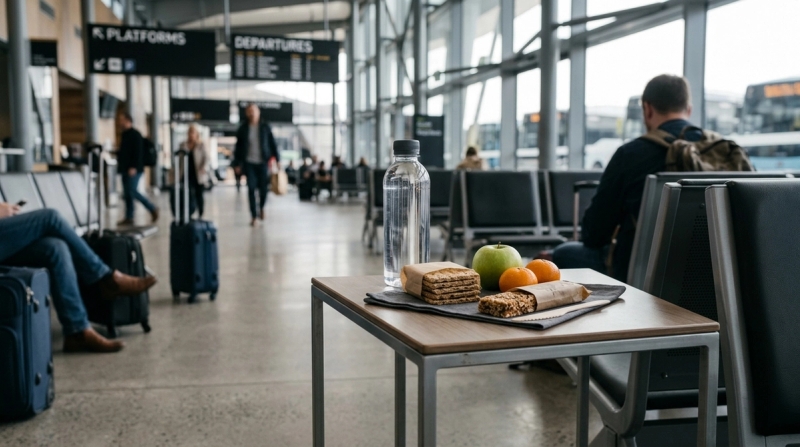
- When in doubt, buy dry, sealed snacks. Crackers, pretzels, nuts, roasted snacks, chips, and sealed bars are usually safe quick choices.
- Only buy hot food if it is properly hot. Steaming hot is reassuring. Barely warm and tired-looking is not.
- Only buy cold food if it is clearly chilled. Sandwiches, dairy, eggs, meat, cut fruit, and creamy desserts need proper refrigeration.
- Skip lukewarm food. This is one of the biggest red flags at bus stations and rest stops.
- Choose low-smell foods for the bus. The person sitting next to you does not want to spend six hours with your fish sandwich.
- Eat light before curvy or rough roads. Greasy, heavy, spicy, or acidic food can feel much worse once the bus starts moving.
- Sip water instead of chugging it. Staying hydrated helps, but bus toilets and rest stops are not always predictable.
- Clean your hands before eating. Wash with soap and water if you can, or use hand sanitizer with at least 60% alcohol.
Buy, Pack, and Skip: Bus Terminal Food Table
#Use this as a quick checklist for bus terminal food, bus layover snacks, and food before boarding.
Why Bus Station Food Safety Needs Its Own Strategy
#Eating before a bus ride is not quite like eating at an airport, train station, or restaurant.
At a bus terminal, you often have less time and fewer good options. At a layover stop, the driver may leave whether you have finished your meal or not. On the bus, the bathroom may be tiny, unavailable, locked, or simply not something you want to use unless absolutely necessary.
Then there is the ride itself. Buses can be hotter, tighter, bumpier, and more stop-start than other forms of travel. That changes what “good travel food” really means.
For a bus ride, good food should be:
- Safe to choose quickly
- Easy to carry
- Not too wet or saucy
- Low-smell
- Gentle on your stomach
- Fine without refrigeration, if you are packing it
- Allowed by the bus operator
That is the sweet spot. Not fancy. Just practical.
Hot Case vs Cold Case Checks
#Here is one of the best habits you can build: check the temperature setup before you check the menu.
A clean-looking display does not automatically mean the food is safe. A busy stall can be a good sign, but it is not a guarantee either. What you want is simple: hot food staying hot, and cold food staying cold.
Hot Case Checks
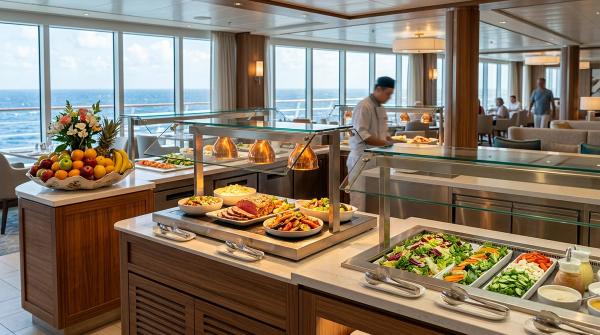
#Before buying from a hot case, buffet tray, or heated display, ask yourself:
- Is the food visibly steaming?
- Does it look freshly cooked or recently refilled?
- Is the tray actively heated, not just sitting under a weak lamp?
- Are staff using tongs, gloves, or utensils?
- Is the food covered or protected from dust and people reaching over it?
- Does the stall seem to have steady turnover?
Better hot-case choices are foods served piping hot and eaten soon after buying. If the food is only slightly warm, has dry edges, or looks like it has been sitting there all afternoon, skip it. Honestly, it is not worth gambling on.
Cold Case Checks
#Cold foods need just as much attention.
Be extra careful with:
- Sandwiches with meat, eggs, cheese, or mayonnaise
- Dairy drinks and desserts
- Pre-cut fruit
- Salads
- Cream-filled pastries
- Cold cooked rice, noodles, or pasta salads
Before buying from a cold case, check:
- Does the case actually feel cold?
- Are the items cold to the touch?
- Is the door closed, or is it constantly being left open?
- Are the packages sealed?
- Do you see sweating, leaking, or softening?
- Does the food look freshly stocked, not watery or tired?
If a cooler looks weak, overstuffed, or not very cold, choose a dry sealed snack instead. It is the safer call.
The Safest Default: Dry and Sealed
#When you cannot judge the kitchen, staff hygiene, water source, refrigeration, or how long something has been sitting out, go dry and sealed.
Good safe travel snacks include:
- Plain crackers
- Pretzels
- Roasted nuts
- Trail mix
- Sealed granola or cereal bars
- Roasted chickpeas
- Makhana
- Rice cakes
- Plain biscuits
- Jerky, if sealed and shelf-stable
- Packaged popcorn
- Sealed chips or crisps
These snacks may not be exciting, but they are reliable. They are also easy to eat in a bus seat without dripping sauce on your shirt, bag, or the person next to you.
What to Eat Before a Bus Trip
#Choosing what to eat before a bus trip matters, especially if your route includes mountains, winding coastal roads, rough highways, or long stretches without proper stops.
A good pre-bus meal is usually small to medium, simple, and not too oily.
Better choices before boarding:
- Toast or plain bread
- Rice
- Banana
- Applesauce
- Crackers
- Plain biscuits
- A light sandwich, if freshly made and safely stored
- Simple cooked food served hot
Try not to board right after a huge meal. Even if the food itself is safe, a full stomach plus sharp braking, curves, heat, and cramped seating can feel pretty awful.
If motion sickness is something you deal with often, see allblogs' guide to long bus ride snacks for motion sickness for more specific snack ideas.
What to Avoid Before Curvy Roads
#Before winding roads, hill routes, or bumpy overnight rides, be careful with foods that are heavy, greasy, sharp, or messy.
It is usually better to avoid:
- Fried snacks and deep-fried meals
- Very spicy foods
- Heavy creamy dishes
- Large portions of meat
- Strongly acidic foods
- Rich desserts
- Too much coffee
- Carbonated drinks, if they bother your stomach
- Foods you already know do not sit well with you
This is not about being afraid of food. It is about comfort. Something that feels fine at the terminal can feel completely different after 40 minutes of turns, bumps, and sudden stops.
Low-Smell Bus-Friendly Foods
#A bus cabin is basically a shared room on wheels. Smell matters.
Even if your food is safe, it can still be a bad bus food if it fills the whole cabin. The best low-smell travel food is quiet, tidy, and easy to close up when you are done.
Good low-smell options:
- Crackers
- Plain biscuits
- Granola bars
- Rice cakes
- Dry cereal
- Trail mix
- Roasted nuts, if not heavily seasoned
- Bananas
- Apples
- Sealed snack bars
- Plain sandwiches with mild fillings, if allowed and safely stored
Foods to avoid eating on board:
- Fish or tuna sandwiches
- Strong cheeses
- Pickled foods
- Very garlicky meals
- Onion-heavy snacks
- Strongly spiced hot meals
- Soupy or saucy foods
- Anything that drips, crumbles everywhere, or needs utensils in a tight seat
Save the big meal for a stop or for after arrival. On the bus, simple is kinder.
Hydration and Coffee Timing
#Staying hydrated matters, but buses make it a little more complicated.
You may not know when the next toilet stop will happen. The onboard toilet, if there is one, might be small, locked, out of order, or just not very pleasant. So the goal is steady hydration, not panic drinking.
Water
#Best approach:
- Sip water regularly.
- Carry a bottle that closes tightly.
- Avoid drinking a lot right before departure.
- Refill or buy water during longer stops if you trust the source.
- Choose sealed bottled water when local tap water safety is uncertain.
Coffee and Tea
#Coffee can help before an early bus, but timing matters.
Try not to buy a huge coffee right before boarding, especially if the next stop is far away. Coffee and regular tea can also make some travelers need the bathroom sooner. If you buy coffee during a short layover, think about how long you will be back on the bus before the next stop.
A smaller coffee, finished early in the layover, is usually more practical than carrying a giant cup onto the coach.
Clear Food Safety Cautions at Bus Stations
#Food safety while traveling is partly about the food, and partly about everything you touch before eating.
Bus terminals and layover stops are high-touch places. You handle tickets, phones, cash, bags, railings, doors, seats, and luggage. Then you open a packet of snacks. That is where people get careless.
Use these cautions every time.
Clean Your Hands
#Wash with soap and water before eating when you can.
If soap and water are not available, use hand sanitizer with at least 60% alcohol. Keep it somewhere easy to reach, not buried under clothes, chargers, and travel documents.
Avoid Bare-Hand Contact
#Try not to touch food directly after handling luggage, money, doors, or bus seats. Pour snacks from the packet, use a napkin, or hold food so your fingers do not touch the part going into your mouth.
Be Careful With Water and Ice
#In places where drinking water safety is uncertain, choose sealed bottled drinks. Be cautious with ice, fountain drinks, and foods washed in unsafe water, especially raw produce.
Watch for Handling Problems
#Skip stalls where:
- Food is handled with bare hands
- Utensils look dirty
- Food is uncovered near crowds, dust, or flies
- The same cloth is used to wipe everything
- Cold foods are not cold
- Hot foods are not hot
- Staff handle money and food without cleaning their hands
You do not need to act like a food inspector. Just notice the obvious red flags.
Do Not Save Risky Leftovers
#Perishable leftovers are not a great idea on long bus rides. If you buy a hot meal, eat it while it is still hot. If you buy a cold perishable item, eat it while it is still cold.
Do not carry half a mayo sandwich through a warm terminal and then eat it three hours later. That is asking for trouble.
Better Bus Layover Snacks
#A good layover snack should be fast to buy, fast to eat, and easy to carry if boarding starts early.
Better bus layover snacks include:
- Banana or orange
- Sealed crackers
- Roasted nuts
- Plain chips or pretzels
- Sealed snack bar
- Freshly made hot tea or coffee, if timed well
- Bottled water
- Steaming hot simple cooked food, if you have enough time to eat before boarding
Less ideal layover snacks:
- Messy burgers with lots of sauce
- Creamy salads
- Cut fruit from an open tray
- Food that needs both hands and a table
- Anything that cools down and then sits in your bag
- Strong-smelling meals you plan to bring on the bus
The best layover food is food you can finish calmly before the driver starts calling everyone back.
Packing Food From Home for a Bus Ride
#Packing your own food gives you more control. It also means you do not have to gamble on a questionable rest stop when you are already hungry.
Good packable options:
- Crackers
- Trail mix
- Dry roasted nuts
- Roasted chickpeas
- Makhana
- Rice cakes
- Plain biscuits
- Sealed bars
- Jerky or soy jerky
- Whole fruit like bananas, apples, or oranges
- Ginger chews or peppermint candies
- A refillable or sealed water bottle, depending on the route
Packing tips:
- Use lightweight packaging.
- Avoid glass containers.
- Keep snacks near the top of your bag.
- Pack napkins or tissues.
- Carry hand sanitizer.
- Choose foods that do not need refrigeration.
- Avoid foods that leak, crush easily, or smell strong.
If you pack something perishable, keep it properly chilled and eat it early. For long rides, dry shelf-stable snacks are usually much easier.
What to Skip at a Bus Terminal
#Some foods are not automatically unsafe, but they are hard to judge in a busy station. If you are unsure, skip them.
Be cautious with:
- Lukewarm buffet food
- Open trays of cooked food with no active heating
- Pre-cut fruit
- Raw salads
- Mayo-based sandwiches or salads
- Egg salad
- Creamy desserts
- Unpasteurized dairy
- Meat that is not served hot
- Seafood from a questionable stall
- Ice from an uncertain source
- Fountain drinks where water safety is uncertain
- Food exposed to flies, dust, or repeated handling
The rule is simple: if the food needs temperature control and you cannot tell whether it has been controlled, choose something else.
A Simple Bus Station Food Plan
#If you want the least stressful version, use this plan.
Before leaving home:
- Pack one dry snack.
- Pack one fruit with a peel or skin.
- Carry water.
- Carry sanitizer.
- Keep food near the top of your bag.
At the bus station:
- If you are hungry, look first for sealed dry foods.
- If buying a meal, choose freshly cooked, steaming hot food.
- Avoid cold perishable foods unless they are clearly chilled.
- Eat messy or hot food before boarding, not on the bus.
On the bus:
- Sip water.
- Eat small portions.
- Stick to low-smell snacks.
- Save heavy food for after arrival.
That is enough for most trips.
Final Boarding Thought
#Good bus station food safety mostly comes down to simple choices made at the right time.
Hot food should be hot. Cold food should be cold. Dry sealed snacks are your backup. Strong smells should stay off the bus. Coffee needs timing. And your hands need cleaning before you eat.
Follow those basics, and your bus food will do what it is supposed to do: keep you comfortable until you arrive.