Every time someone in my extended family flies in from the US, UK, Canada, Dubai, Singapore, basically anywhere outside India, the same drama happens. One suitcase is packed with chocolates and gifts, one cabin bag has random chargers tangled like noodles, and then at the airport somebody says, “Passport toh hai na?” And suddenly everyone gets serious. Honestly, that one moment kind of sums up the whole NRI India trip situation. You’re excited, emotional, maybe coming home after months or years, but if your documents, medicines, and payment setup are messy, the trip starts with stress for no reason.
I’ve seen this up close with cousins, family friends, and yeah, me tagging along to pick people up from Delhi and Mumbai airports at weird hours. One cousin once landed without printing a single thing because “everything is on my phone.” Then his phone battery dropped to 3% while trying to show a visa document and hotel booking. He survived obviously, but why invite that kind of tension. So this post is my practical, slightly obsessive checklist for NRIs visiting India. Not a fancy textbook thing. More like what actually helps when you’re tired, jetlagged, and trying to find your bags while some uncle is already calling asking, “Beta, nikal gaye kya?”
First things first: your core travel documents matter more than almost anything else
#Let’s start with the boring stuff, because boring stuff is what saves you later. Keep your passport valid for at least 6 months from your date of travel. Most people know this, but they still check way too late. If you’re travelling on an Indian passport, make sure visa or residency proof for your country of residence is also easy to access when you return. If you’re travelling on a foreign passport, then your OCI card, valid visa, or whatever entry permission applies to your situation should be checked well in advance. Don’t assume old rules are still the same just because they were true on your last visit.
- Passport — original, obviously, and check expiry twice
- OCI card if you hold one. Keep original with you, not in check-in baggage
- Indian visa or e-visa approval if you’re entering on that basis
- Return or onward ticket copy. Immigration officers don’t always ask, but if they do, you should have it fast
- Foreign residence permit, PR card, work permit, student permit, whatever applies for your return journey
- Travel insurance details and emergency contact sheet
- Printed copies of key docs because phones die, apps log out, airport Wi-Fi acts moody
And please, please keep soft copies too. I usually tell people to store them in three places: phone files, email to yourself, and one cloud folder. It sounds excessive till the one time your bag gets delayed. India’s big airports are much better now, way more streamlined than before in many cases, but delayed baggage, sleepy confusion, and network issues still happen. Not every problem is dramatic, but small inconveniences pile up real quick.
OCI, visa, and entry rules — don’t rely on WhatsApp University for this
#This one needed saying. For some reason, every family group has one self-declared expert who says stuff like, “Arre no need, just tell them you’re Indian only.” No, bhai. Rules are rules. If you’re an OCI holder, carry the OCI card and the passport linked to your current travel. If you have renewed your foreign passport, make sure your details are updated and carry old passport references if needed. If you’re entering on an e-visa, keep a printout even if it says electronic. Sometimes airport systems are smooth, sometimes an officer just wants to see paper. Arguing is pointless when you’re standing there after a long-haul flight smelling like airplane blanket.
Also, if you’re bringing children, check consent and supporting documents if one parent is travelling alone. This is one of those things many people forget because the trip is “to India only,” as if that makes paperwork magically disappear. It doesn’t. For minors, keep passport copies, birth certificate copy if names differ, and any relevant authorization paperwork. It may never be asked for, but if it is, you’ll thank your past self.
Money, cards, UPI, cash — this is where a lot of NRIs get mildly humbled
#India has changed a lot on the payments side. In many cities, even a chai tapri, auto guy, or tiny pharmacy might ask, “UPI hai?” It’s super convenient... if your setup works. For NRIs, this part can be a little annoying because not every foreign number, bank account, or card works equally smoothly with Indian payment systems. Some NRE/NRO linked accounts now support UPI access better than before, and banks have been expanding options, but don’t assume you’ll land and instantly scan QR codes everywhere like a local cousin.
My honest advice? Carry a layered payment setup. One international credit card, one debit card, a small amount of foreign currency, and some Indian rupees. Maybe not a ridiculous wad of cash stuffed in a socks pouch like old Bollywood smuggler style, but enough for airport taxi, snacks, tolls, tips, or a card machine that mysteriously “is not working.” Because that line, my friend, still has not retired in India.
| Payment Item | What I’d recommend | Why it helps |
|---|---|---|
| International credit card | Visa or Mastercard with international usage enabled | Works for hotels, bigger restaurants, app payments, emergencies |
| Debit card | Keep one backup card from a different bank | ATM access if one card fails |
| Indian bank account card | Best if you already maintain NRE/NRO account | Useful for local spends and easier domestic banking |
| UPI setup | Activate before travel if your bank allows NRI linkage | Very handy in cities, cabs, shops, food orders |
| Cash in INR | Keep small notes too | Helpful for porters, local transport, temples, small stores |
| Forex card or backup currency | Optional but useful for longer trips | Extra layer if banking apps act up |
A side note on cards. Inform your bank before travel if needed, especially if your bank tends to block overseas transactions for “security.” Also turn on international usage and check spending limits. I’ve seen cards fail at airport lounges, pharmacies, even hotel check-in, and then the person stands there doing that fake laugh like haha weird... while everyone else waits. Save yourself the embarassment.
The medicine checklist is not optional, even if you think you’re healthy
#This is the section people underestimate the most. India has excellent pharmacies in many places, and in major cities you can get almost everything pretty fast. But prescription brand names differ, formulations vary, and after a long flight plus weather change plus wedding food plus pollution plus relatives forcing you to eat one more gulab jamun, your body can react in ways you didn’t plan for. So no, “I’ll buy it there” is not a complete strategy.
If you take regular prescription medicines for thyroid, BP, diabetes, asthma, cholesterol, anxiety, allergies, anything really — bring enough for the whole trip plus extra for delays. Keep them in original packaging. Carry the prescription, ideally with the generic name written clearly, because brand names from abroad may not be instantly recognized. This is esp important for controlled medicines, injectables, inhalers, and anything that could raise questions at security.
- Daily prescription meds for full duration of trip plus 1-2 extra weeks if possible
- Doctor prescription copy with generic names
- Basic fever and pain relief tablets
- Anti-allergy meds because dust, pollen, and random seasonal triggers hit hard sometimes
- Stomach meds — acidity, diarrhoea, constipation, rehydration salts. Trust me on this one
- Motion sickness tablets if you’re doing hill travel or long road journeys
- Cold, cough, throat lozenges because AC + flights + weather swings = classic problem
- Mosquito repellent and bite cream, especially in humid or monsoon-prone areas
- Hand sanitizer, a few masks if pollution or infection risk worries you
- Glucose monitor, inhaler, epi-pen, or any personal device you use regularly
One more thing. If you wear glasses or lenses, carry a spare pair. This sounds random but it’s so useful. My cousin once snapped his glasses during a family function while changing kurta in a hurry, very dignified scene, and then spent two days squinting at everybody. Contact lens solution, dental retainers, hearing aid batteries, all this weird little stuff matters way more when you’re away from your normal routine.
Packing medicines for India isn’t just about illness, it’s about climate and pace
#India can feel amazing and exhausting at the same time. If you’re landing in peak summer, especially in places like Delhi, Hyderabad, Ahmedabad, Nagpur, Jaipur... uff. Heat can really hit. If you’re coming during monsoon, there’s humidity, damp clothes, mosquitoes, waterlogging in some cities. Winter in North India can also catch NRIs off guard because they expect “India means hot.” Then they land in foggy Delhi or chilly Chandigarh and start borrowing shawls from aunties.
So your medicine pouch should match the season too. Summer means ORS, sunscreen, electrolytes, caps, digestive support. Monsoon means mosquito protection, antifungal powder if you’re prone to skin irritation, and footwear that can survive puddles. Winter means cold meds, moisturizer, lip balm, maybe steam capsules if dry air gets to you. Best months for most casual family travel are usually October to March in a lot of the country because weather is easier, though festive travel also means higher flight fares and packed trains. April to June can be rough unless you’re doing hill stations or have a strong tolerance for heat.
Phone, SIM, OTPs, and banking access — the modern headache nobody warns enough about
#Honestly this might be the most underrated part of an NRI India checklist now. So many things depend on OTPs and mobile numbers — banking login, card alerts, UPI, cab apps, food delivery, even some airport and hotel confirmations. If your Indian number is inactive, or your foreign number doesn’t roam properly, you can get stuck in such silly problems. Not dangerous exactly, just massively irritating.
If you still maintain an Indian SIM, check before travelling whether it’s active and recharged. If not, plan for an international roaming pack or buy a local SIM/eSIM as soon as possible after arrival, depending on eligibility and operator rules. At major airports and city stores, getting connected is easier than before, though ID verification can still take a bit. Keep your phone unlocked if you may use a local SIM. And carry a power bank. I know, obvious tip, but half of travel is surviving low battery with dignity.
Health, safety, and practical day-to-day stuff once you land
#Overall, India is manageable for returning NRIs if they travel with normal common sense. Big cities have airport cabs, app cabs, metro links, online hotel check-ins, digital payments, late-night food apps, all that. But safety is still about habits. Don’t flash cash. Don’t leave passport loose in hotel drawers. Use registered taxis from airports if it’s very late. Share live location with family on long road trips. If elderly parents are travelling, pre-book wheelchair assistance and keep their medicines in cabin baggage, not checked luggage. Sounds basic, but basics are what people mess up when everyone is emotional and distracted.
For accommodation, price varies wildly by city and season. In metros, decent business hotels often start around ₹3,000 to ₹6,500 a night, mid-range comfort can be ₹6,500 to ₹12,000, and premium places go much higher, obviously. In tier-2 cities you may get clean comfortable stays for less. Service apartments are a very solid option for NRI family trips, especially if you’re staying 1-3 weeks and want a kitchen, laundry, and less chaos than a relative-packed house. Though okay, staying with relatives is free... financially. Emotionally, not always free.
What I tell every NRI friend to keep in cabin baggage, not check-in
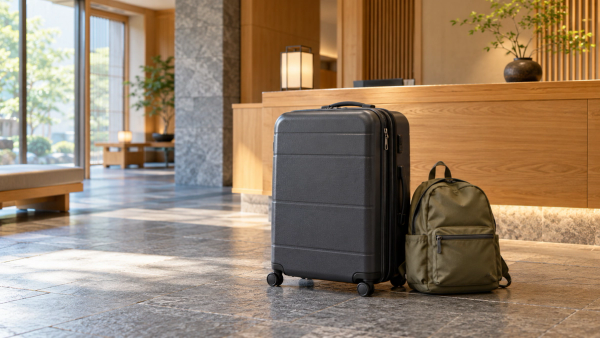
#This is one of those non-negotiable things. Never put critical items in check-in luggage, even if you’re the optimistic type. Delays happen. Bags miss connections. Sometimes they arrive, sometimes they arrive much later looking like they fought a small war. So keep one cabin bag with the things you need to function for at least 24 to 48 hours in India without your suitcase.
- Passport, OCI/visa papers, wallet, cards, phone, charger, power bank
- All essential medicines, prescriptions, and one small medical kit
- One change of clothes, undergarments, and basic toiletries
- Glasses, contact lenses, baby supplies, or any irreplaceable personal item
- Printed address of first stay, local contact numbers, and transport booking details
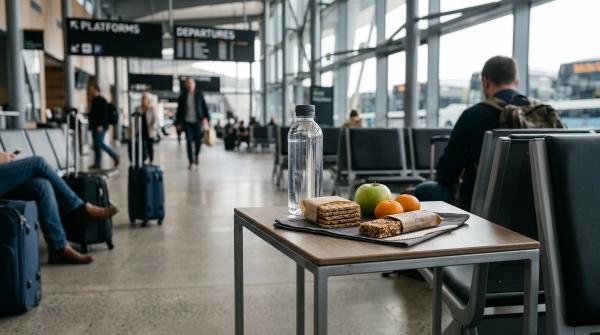
I’d also add some snacks. Maybe that sounds silly for a checklist post, but after immigration, baggage wait, and city traffic, having nuts, biscuits, or protein bars can save you from becoming irrationally angry at everybody. Jetlag plus hunger is a nasty combo yaar.
A few India-specific things NRIs tend to forget till the last minute
#Adapters and voltage are one. Most modern chargers are fine, but bring the right plug adaptors. Gifts are another. If you’re carrying expensive electronics, jewelry, or lots of packaged food, just be mindful of customs allowance rules and airline baggage limits. For people carrying gold, large cash amounts, or high-value goods, don’t do guesswork. Check the latest customs rules directly before you fly. Rules can change and this is not the place for overconfidence.
Also pack clothes realistically. Yes, bring nice outfits for weddings and family photos. But also bring one pair of slippers, one pair of walking shoes, light cotton clothes for summer, and something modest if you’re visiting temples or smaller towns. If your trip includes trains, domestic flights, road travel, maybe one hill station and two family functions all in ten days, then practical packing wins over Instagram packing every single time.
The best NRI India trips aren’t the ones with the biggest suitcases. They’re the ones where your essentials are sorted, your meds are where you can reach them, and your cards actually work when you need chai at 1 am.
My simple final checklist before leaving for India
#If I had to boil the whole thing down into one last-minute routine, it would be this: check passport validity, confirm visa/OCI documents, print copies, pack daily meds in cabin baggage, activate cards for international and Indian use, keep INR cash, sort your SIM and OTP access, and save all bookings offline. Then tell one family member your flight details and first-night address. Done. Not glamorous, but very effective.
India is emotional for NRIs in a way that’s hard to explain unless you’ve done that arrival properly — the humid airport air, the familiar noise, somebody waiting outside with too much enthusiasm, the first cup of chai, the first argument about whether to go by taxi or metro... all of it. And because the trip already comes with enough feelings, your documents, medicines, and cards should be the one area that is calm and sorted. Makes everything smoother. Makes you actually enjoy coming home instead of troubleshooting stupid things at the airport.
Anyway, hope this helps before your next India run. Save it, send it to that cousin who packs last minute, and maybe double-check your medicine pouch right now because people always forget that one. If you like practical travel posts like this, have a look at AllBlogs.in too — there’s good stuff there without too much bakwaas.